 CityBuddy
 Italiano
Cosa fare a Ecuador
Foto di Lloyd Douglas su Pexels.com
Quando visitare
Quando andrai a Ecuador?
Scegli le date e lo stile di viaggio per ottenere:
Qualcosa di particolarmente importante per te?
Seleziona tutto ciò che si applica
Plan language: ItalianoAttrazioni più popolari a Ecuador
The top things to do in Ecuador range from volcanic summits to living natural laboratories. Summit Cotopaxi Volcano, a 5,897 meter stratovolcano that ranks among the world's highest active peaks. Explore the Galapagos Islands, where Darwin's finches and giant tortoises still roam freely across 13 major islands, each offering distinct wildlife encounters.
1. Middle of the World City
Quito
Stand on the exact equatorial line and balance between north and south at the same time. Walk through museum exhibits, snap photos with the giant monument, and try cheeky equator experiments.
Fatti rapidi: A monument marks the precise equatorial line where you can stand with one foot in each hemisphere. The yellow stone monument towers 30 meters high and draws over 1 million visitors each year who come to straddle the planet.
Punti salienti: The monument's shadow disappears entirely on the equinoxes, when the sun aligns perfectly overhead at noon. You can watch water drain straight down a sink on the equator, no swirling direction at all, a simple trick that still baffles first-time visitors.
2. Galapagos Islands
Puerto Ayora
Nowhere else on Earth can you swim with sea lions, walk beside century-old tortoises, and see birds that have zero fear of humans. You'll step into a living laboratory where evolution is still happening, right in front of your eyes.
Fatti rapidi: Over 97% of the land is protected as a national park, and the archipelago sits at the confluence of three ocean currents, creating a unique mix of marine life not found anywhere else. More than 1,700 species found here are endemic, including the only penguin species that lives north of the equator.
Punti salienti: Marine iguanas here have evolved to sneeze salt out of their nostrils, a bizarre adaptation from spending hours underwater grazing on algae. Watch them bask on black lava rocks after a snorkel, looking like tiny dragons with white salt crowns crusted on their heads.
3. Cotopaxi Volcano
Latacunga
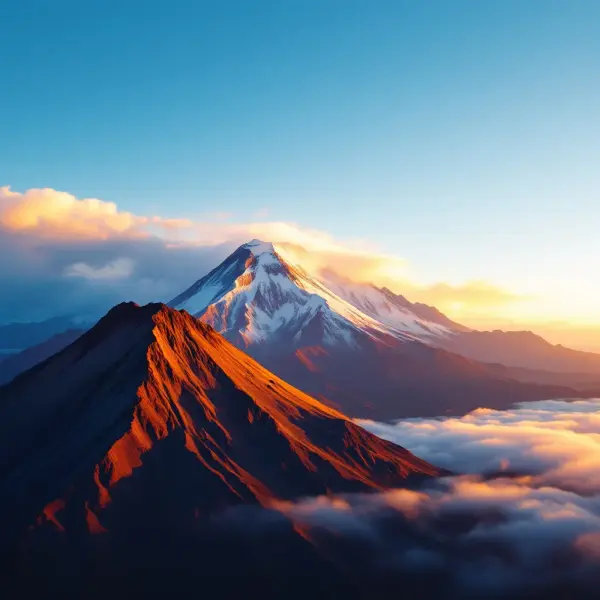
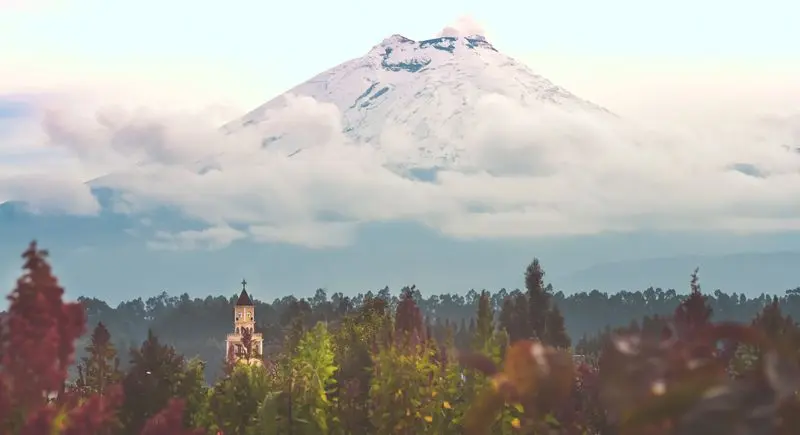
Stand on an active glacier at 5,897 meters without needing ropes or technical gear. You'll crunch through volcanic scree at dawn, then posthole up creamy snow as the sun ignites the surrounding Andes.
Fatti rapidi: Con i suoi 5.897 metri, è uno dei vulcani attivi più alti del pianeta e una delle ascensioni di acclimatamento preferite da chi aspira a scalare l'Everest. Il suo cono simmetrico quasi perfetto è sormontato da un ghiacciaio che alimenta i fiumi da cui proviene l'acqua potabile di Quito.
Punti salienti: A differenza della maggior parte delle salite ad alta quota che richiedono lavoro tecnico sul ghiaccio, la via normale sul Cotopaxi è una semplice camminata sulla neve che ti ricompensa con viste dell'alba che si estendono lungo la spina dorsale dell'Ecuador. La vera magia avviene sopra i 5.000 metri, dove il paesaggio dell'altopiano si trasforma in un surreale paesaggio lunare di roccia vulcanica nera e ghiaccio bianco accecante.
4. Historic Center of Quito
Quito
Wander cobblestone streets framed by gold-leaf altars, snow-capped peaks, and eruption views. You will walk a living timeline where Inca stones, Spanish frescoes, and street vendors selling roasted cuy collide.
Fatti rapidi: Il centro ospita oltre 5.000 edifici di epoca coloniale, una delle più grandi collezioni del genere nelle Americhe. Le sue strade del XVI secolo seguono l'originale impianto urbano inca, con la Plaza Grande situata esattamente dove un tempo sorgeva il palazzo inca.
Punti salienti: All'interno del complesso monastico di San Francisco, un murale del XVI secolo cela una vasca cerimoniale precolombiana incassata sotto l'altare maggiore, fondendo due fedi in pietra e acqua. Il tenue profumo dell'incenso si attacca ancora ai soffitti in cedro intagliato, mescolandosi al fumo delle candele che i locali accendono per santi con nomi sia cattolici sia indigeni.
5. Ingapirca Ruins
Cañar
Stand where the Inca and Cañari worlds merged, at Ecuador's most significant archaeological site. Walk the same stone pathways used for ceremonies and rituals over five centuries ago.
Fatti rapidi: Roughly 500 years old, this Inca complex is the largest known archaeological site in Ecuador. Unlike many Inca sites, its oval-shaped Temple of the Sun was built around a massive natural rock rather than carved from one.
Punti salienti: The Temple of the Sun is aligned so precisely that during the June solstice, sunlight streams through a doorway and illuminates the central rock perfectly. Local Cañari people originally inhabited this land generations before the Incas arrived, and their influence lives on in the site's unique curved construction style that blends both cultures.
6. Quilotoa Lagoon
Zumbahua
Few places let you paddle a kayak inside an ancient volcano crater. You will descend a steep trail past volcanic rock formations to shores of shifting turquoise water.
Fatti rapidi: The crater lake reaches depths of 250 meters and its water shifts between turquoise, emerald, and deep blue depending on sunlight and mineral content. Volcanic activity formed the caldera about 800 years ago, creating a collapsed cone nearly 3 kilometers wide.
Punti salienti: At 3,800 meters above sea level, the lake sits inside a volcano that last erupted before the Spanish ever set foot in the Americas. Kayakers paddle across the crater's surface while Andean condors soar overhead, a 400-meter vertical climb above them.
Where to Stay in Ecuador
Selected by City Buddy based on guest reviews and proximity to top attractions
Search all hotels in EcuadorPowered by agoda
Città popolari in Ecuador
Dolci tradizionali
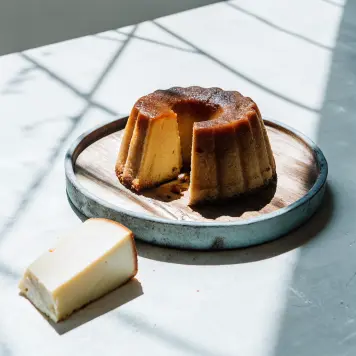
Dulce de Leche
Dulce de Leche in Ecuador is often made with panela (unrefined cane sugar) and served with cheese. It is a beloved sweet treat found in markets across the country.

Espumilla
Espumilla is a light, foamy meringue-like dessert made from guava pulp and egg whites. Street vendors traditionally serve it in a glass cup with a spoon.
Helado de Paila
Helado de Paila is a traditional Ecuadorian ice cream made by hand in a large copper pot (paila) filled with ice and salt. The fruit mixture is stirred vigorously until it freezes into a creamy sorbet.
Piatti salati tradizionali
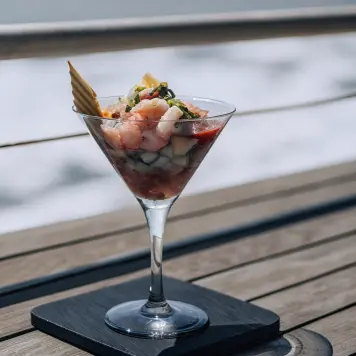
Ceviche
Ecuadorian ceviche is distinct from other Latin American versions as it is often made with shrimp or fish and served with a rich tomato-based sauce. It is commonly accompanied by popcorn, plantain chips, and toasted corn.
Llapingachos
Llapingachos are crispy potato patties stuffed with cheese and served with peanut sauce, chorizo, and fried eggs. They originate from the highlands of Ecuador and are a staple of Sierra cuisine.
Hornado
Hornado is a slow-roasted whole pig that is marinated in garlic, cumin, and achiote before being cooked in a brick oven. It is traditionally served with llapingachos, mote (hominy corn), and a crispy skin known as cuero.
Bevande tradizionali
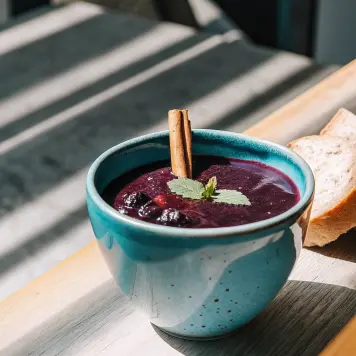
Colada Morada
Colada Morada is a thick, purple fruit drink made from black corn flour, berries, and spices like cinnamon and cloves. It is traditionally consumed on November 2nd for Day of the Dead alongside guaguas de pan (bread shaped like children).
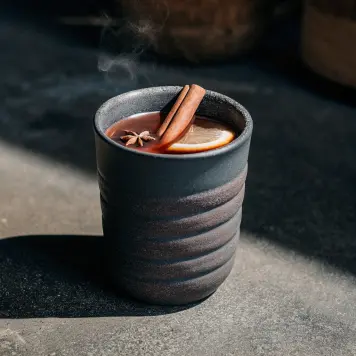
Canelazo
Canelazo is a warm, spiced alcoholic drink made from cinnamon, panela, and aguardiente (sugarcane liquor). It is a popular beverage in the Andes highlands, especially during cold evenings and festive celebrations.
Chicha
Chicha is a fermented corn drink that dates back to pre-Columbian times and is still made by Indigenous communities in the Amazon and Andean regions of Ecuador. It is often prepared by chewing corn to break down starches into sugars for fermentation.
Frequently Asked Questions about Ecuador
Is Ecuador safe for travelers?
How many days should I spend in Ecuador?
What is the best time to visit Ecuador?
Is Ecuador expensive to travel in?
How do I get around Ecuador?
Ricevi un PDF con le attrazioni più popolari via email
Ricevi un PDF con tutte le attrazioni, valutazioni e consigli. Perfetto per l'uso offline.
Gite di un giorno più popolari
Cuenca
Colonial charm with cobblestone streets and markets
Come arrivare
Aeroporti
Stazioni ferroviarie
Quito to Latacunga and Riobamba (tourist trains)
Cuenca to Nariz del Diablo (scenic route)
From Quito airport, take the Quito Airport Express bus or a taxi into the city center (45 min).
Clicca per ottenere eSim per Ecuador
Il modo più semplice ed economico per avere internet mobile ovunque tu viaggi.
Visto e ingresso
USA, Canada, European Union, UK, Australia, New Zealand, Japan, South Korea, and most Latin American countries
Some countries in Africa, Asia, and the Middle East
Upon arrival, tourists receive a T3 tourist visa stamp valid for 90 days; extensions are possible for an extra 90 days.
Commenti (8)
Quito is beautiful but the altitude hit me hard the first two days. Take it slow and drink coca tea. Loved the colonial architecture though.
Honestly a bit underwhelmed. Maybe I built it up too much. Baños was fun but super touristy and everyone trying to sell you the same stuff.
Buy your bus tickets a day early if traveling between major cities. Cheaper online and you avoid sold out situations on Friday afternoons.
Weather was all over the place. Sunny then rain then sun again in the same afternoon. Pack layers and a rain jacket no matter the season.
Carry small bills and coins everywhere. So many places don't have change for 20s especially the smaller markets and taxi drivers.