City BuddyCityBuddy
日本語
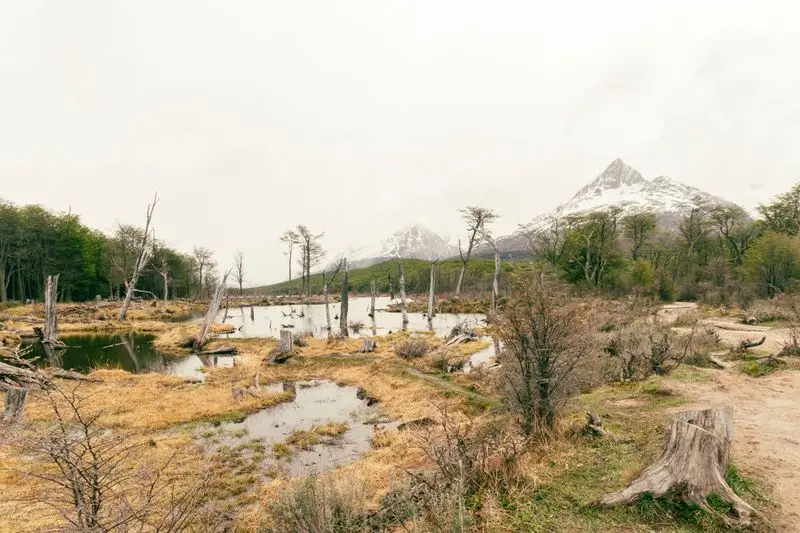
Experience the serene wilderness of Ushuaia with mountains, forests, and wetlands captured in this breathtaking view.

Patagonia, Argentina でやるべきこと

Carolina Noir による写真(Pexels.com)

訪問時期

VERY BUSYJan14°8d rainBEST
VERY BUSYFeb13°7d rainBEST
MODERATEMar11°8d rainBEST
NOT BUSYApr7°9d rain
NOT BUSYMay4°10d rain
NOT BUSYJun1°11d rain
NOT BUSYJul0°10d rain
NOT BUSYAug2°10d rain
MODERATESep5°9d rain
MODERATEOct8°8d rain
BUSYNov11°7d rainBEST
BUSYDec13°7d rainBEST

Patagonia, Argentina へいつ行きますか?

日程と旅行スタイルを選んで以下を取得:

日別のパーソナライズされた旅程
旅行の予算計算機
事前チェックリスト(ビザ、eSIM、チケットなど)

特に重要なことはありますか?

該当するものをすべて選択

Plan language: 日本語

Patagonia, Argentina の人気観光スポット

The search for top things to do in Patagonia, Argentina leads travelers to Los Glaciares National Park, where the Perito Moreno Glacier stretches 250 square kilometers across the Andes. Hikers tackle Monte Fitz Roy's 3,405-meter granite spires near El Chaltén, while ice trekking on the glacier's advancing 60-meter face offers an unforgettable encounter with Patagonia's raw landscape.

Perito Moreno Glacier

1. Perito Moreno Glacier

4.9 (3,144)
自然の特徴施設

Few places let you stand face-to-face with a living, groaning giant of ice. You'll watch house-sized chunks shear off and crash into the lake with a sound like rolling thunder.

クイックファクト: The 250-square-kilometer ice field advances up to 2 meters per day, constantly calving massive chunks into the turquoise water below. Unlike most glaciers that are retreating, this one maintains a rough equilibrium, occasionally damming a branch of the lake and creating an ice bridge that eventually collapses in a thunderous natural show.

見どころ: Every few years, the advancing snout pushes against the peninsula and forms a natural dam, isolating one arm of the lake. Water pressure builds for months until the ice bridge ruptures in an explosive event that draws spectators from around the world to witness the collapse.

Monte Fitz Roy

2. Monte Fitz Roy

4.8 (859)
Mountain Peak自然の特徴施設

Few peaks on earth demand as much patience for a single perfect view. You'll hike through windswept valleys and lenga forests before watching sunrise set the granite on fire.

クイックファクト: Rising 3,405 meters above the Patagonian steppe, its jagged granite spires were first summited only in 1952 by a French expedition. The Tehuelche people called it Chaltén, meaning "smoking mountain," because clouds often swirl around the summit like smoke from a fire.

見どころ: At sunrise, the east face catches the first light and glows a fiery orange-red for roughly 15 minutes, a phenomenon known as "Fitz Roy en Fuego" among locals. That brief window happens only about 60 days a year when clouds cooperate, making it one of the most elusive light shows on the planet.

Cerro Torre

3. Cerro Torre

4.8 (197)
Mountain Peak自然の特徴施設

Gaze up at one of the planet's most defiantly vertical peaks, a spire so steep ice can barely cling to it. You'll watch the sunrise paint its famous rime ice mushroom in shades of pink and gold.

クイックファクト: Clouds of rime ice encase this granite spire year-round, sculpting a frozen mushroom cap that grows and collapses with the seasons. Climbers call it the hardest mountain in the Americas, with only around 100 successful summits ever recorded.

見どころ: Look closely at the summit on a clear day and you'll spot a frozen mushroom of rime ice that can grow over 30 feet thick. Climbers wait years for the perfect weather window, knowing the wind here regularly exceeds 100 miles per hour.

Tierra del Fuego National Park

4. Tierra del Fuego National Park

4.8 (15,376)
国立公園観光名所公園観光名所施設

Patagonian winds twist through subantarctic forests along the Beagle Channel. Follow beaver trails past peat bogs to mail a postcard from the literal end of the world.

クイックファクト: Three hundred beavers roam the park, descendants of 20 pairs imported from Canada in 1946 for a fur trade that never took off. A tiny post office inside the park mails letters hand-stamped with 'Fin del Mundo' from what claims to be the world's southernmost postal service.

見どころ: Most visitors miss the remote Lapataia Bay, the literal end of Argentine Route 3 which stretches 3,000 kilometers from Buenos Aires. Stand at the water's edge and you can watch Andean condors ride the thermals above the Beagle Channel, their 3-meter wingspans casting shadows on the peat bogs below.

Peninsula Valdes

5. Peninsula Valdes

4.7 (1,276)
自然の特徴施設

One of the densest wildlife gatherings on the planet, where whales breach right off the beach and elephant seals battle for territory steps from your feet. You'll walk among a million penguins, watch killer whales hunt in the surf, and hear the breath of 40-ton giants echoing across the water.

クイックファクト: Every year between June and December, over 2,000 southern right whales migrate to the calm gulfs surrounding this peninsula to mate and calve. The shoreline also hosts the only place on Earth where orcas intentionally beach themselves to hunt sea lion pups.

見どころ: At Punta Norte, a small family of orcas has mastered a hunting technique found nowhere else: they deliberately throw their three-ton bodies onto the pebble beach to snatch sea lion pups, then wriggle back into the water before the next wave. Watching a six-meter killer whale slide across wet stones with its jaws clamped around a squirming prize is the kind of raw nature moment that stays burned in your memory forever.

Cueva de las Manos

6. Cueva de las Manos

4.7 (1,142)
State Park観光名所歴史的な場所公園観光名所

Nowhere else on Earth will you find 10,000-year-old handprints left by hunter-gatherers in a remote canyon. You'll walk past hundreds of stenciled hands, hunting scenes, and geometric patterns that trace human presence across 90 centuries.

クイックファクト: Some 829 handprints cover the cave walls, with 9 out of 10 being left hands. The rock art spans nearly 10,000 years, with the oldest layers dating back to around 9,000 BCE.

見どころ: Nearly 800 of the 829 stenciled hands are left hands, suggesting the artists held a blowpipe made of bone or hollow reed in their right hand while spraying pigment with their mouths. The red pigment still visible after 10,000 years came from hematite mixed with guanaco fat, and the artists blew the color through a pipe rather than painting it directly.

Nahuel Huapi Lake

7. Nahuel Huapi Lake

4.9 (2,137)
Lake自然の特徴施設

Paddle through water so clear you spot fish 15 meters below your kayak. Ancient forests, glacier-fed streams, and towering peaks reflect off every ripple.

クイックファクト: Glacial melt feeds the massive 557-square-kilometer basin, coloring its water a striking turquoise blue that shifts with the seasons. More than 30 islands dot the surface, including one where a rare cinnamon-barked forest glows orange year-round.

見どころ: At 464 meters deep, the water column creates zones where light fades to complete darkness before touching bottom. A 300-year-old forest of twisted trees with smooth, paper-like cinnamon bark grows on the largest island.

Beagle Channel

8. Beagle Channel

4.8 (964)
自然の特徴施設

Glide through glacier-fed waters where sea lions sunbathe on buoy markers and penguins dart beneath the surface. Spot Andean condors circling snowy peaks while your boat navigates between islands untouched by roads.

クイックファクト: The Beagle Channel stretches 240 kilometers through Tierra del Fuego, named after the HMS Beagle that carried Charles Darwin on his famous voyage. Penguins, sea lions, and cormorants populate its islands while glaciers calve directly into the frigid waters from the surrounding Darwin Range.

見どころ: At Isla Martillo, a colony of over 400 pairs of Magellanic penguins shares the shoreline with gentoo penguins, creating a natural penguin nursery you can observe from just meters away. The Les Eclaireurs lighthouse, often misidentified as the "Lighthouse at the End of the World," sits on a tiny rocky islet and was built from local brick in 1920, its red-and-white stripes flashing every 10 seconds to guide ships through the narrow passage.

Cerro Catedral

9. Cerro Catedral

4.6 (19,155)
Ski Resortスポーツ施設観光名所Service施設

Ski South America's biggest mountain playground with 120 km of runs overlooking Patagonia's most stunning lake. Carve fresh powder through ancient lenga forests, then sip hot chocolate at a mountaintop refugio.

クイックファクト: South America's largest ski center stretches across 2650 acres with 120 kilometers of groomed runs. A network of 35 lifts carries skiers to a summit elevation of 2388 meters overlooking the deep blue expanse of Nahuel Huapi Lake.

見どころ: The mountain's distinctive granite spires change color throughout the day, glowing pink at sunset against the darkening Patagonian sky. On clear winter mornings, the summit offers views across the Andes into Chile, with the cone of Volcán Lanín visible on the southern horizon.

Where to Stay in Patagonia, Argentina

Selected by City Buddy based on guest reviews and proximity to top attractions

Search all hotels in Patagonia, Argentina

Powered by agoda

伝統的な甘い料理

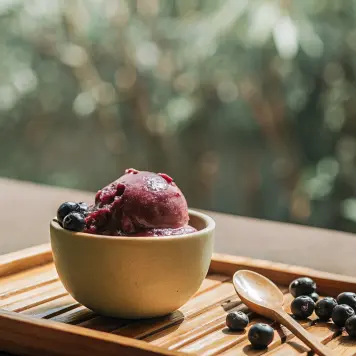
Helado de Calafate

Helado de Calafate

The calafate berry is a native Patagonian fruit with a deep purple color. Legend says that anyone who eats calafate berries will return to Patagonia one day.

Alfajor de Dulce de Leche

Alfajor de Dulce de Leche

Argentina is the world's largest consumer of alfajores, with Patagonia producing some of the finest versions. These cookies sandwich a generous layer of dulce de leche and are often dipped in chocolate.
Torta de Chocolate de Bariloche

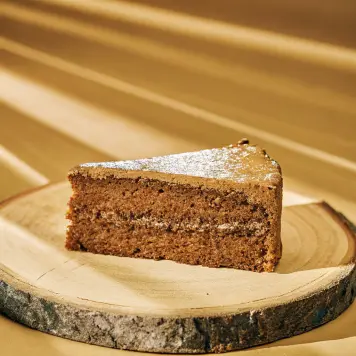
Torta de Chocolate de Bariloche

Bariloche, in the Patagonian Andes, is considered Argentina's chocolate capital. The region's alpine-style chocolate shops produce famously rich, dense chocolate cakes using local dairy and cacao.

伝統的な塩味料理
Cordero al Palenque

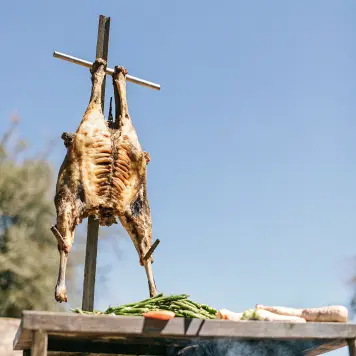
Cordero al Palenque

This iconic Patagonian dish features whole lamb slow-roasted on a metal cross or spit over an open fire for hours. The technique was adopted from the indigenous Tehuelche people and is central to Patagonian gaucho culture.
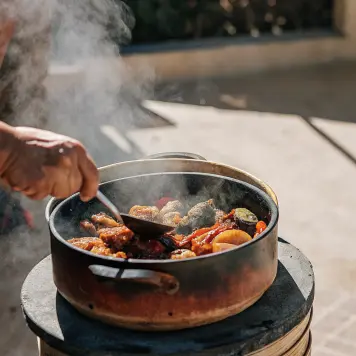
Curanto

Curanto

Curanto is a traditional Mapuche cooking method where seafood, meats, potatoes, and vegetables are layered in a pit lined with hot stones and covered with leaves. It means "stewed in a hole" in the Mapuche language.
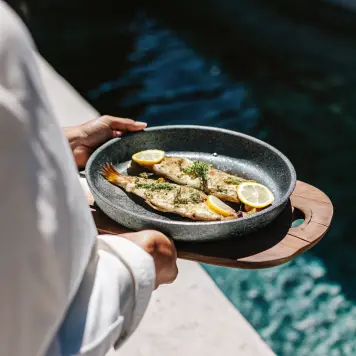
Trucha a la Patagónica

Trucha a la Patagónica

Patagonia's crystal-clear lakes and rivers are world famous for fly fishing. The region's rainbow and brown trout are typically grilled or pan-fried with lemon, garlic, and local herbs.

伝統的な飲み物
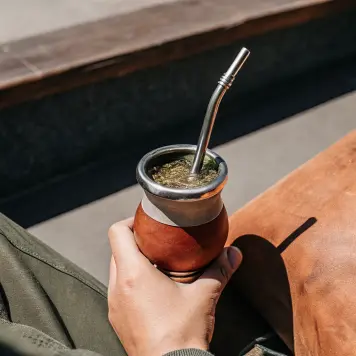
Mate

Mate

Mate is the national drink of Argentina and is especially cherished in Patagonia's cold climate. The herbal infusion is sipped from a gourd through a metal straw and is deeply woven into social bonding rituals.
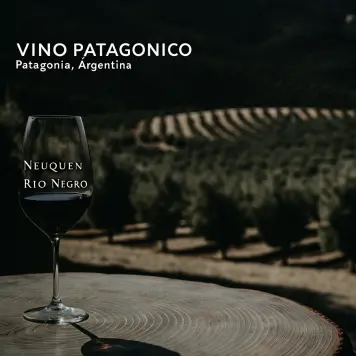
Vino Patagónico

Vino Patagónico

The Patagonian wine region, particularly the Neuquén and Río Negro valleys, produces exceptional Pinot Noir and Malbec. These are some of the southernmost vineyards in the world, giving the wines a unique fresh and elegant character.
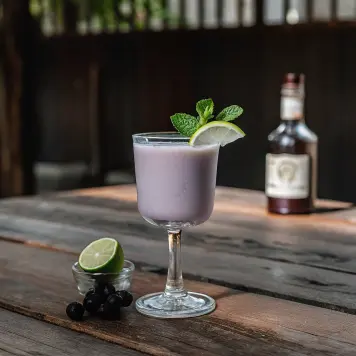
Licor de Calafate

Licor de Calafate

This vibrant purple liqueur is made from macerating calafate berries in alcohol and sugar. It is a beloved digestif across Patagonia and is often served after meals or poured over vanilla ice cream as a dessert.

Frequently Asked Questions about Patagonia, Argentina

Is Patagonia, Argentina safe for travelers?
Yes, Patagonia is one of the safest regions in South America. Violent crime is rare, with petty theft the main concern. The U.S. State Department rates Argentina at Level 1 (exercise normal precautions). Stick to well-lit areas in towns and secure your belongings on buses.
Best time to visit Patagonia, Argentina?
The best time is October through April (spring to fall). Peak season runs December through February with temperatures from 50 to 70 degrees Fahrenheit. March and April offer fewer crowds, lower prices, and stunning autumn colors in the forests and mountains.
How many days in Patagonia, Argentina are recommended?
Plan at least 10 to 14 days to visit both the Andes and the Atlantic coast. A shorter 5 to 7 day trip works for a single destination like El Chalten or Ushuaia. Most travelers spend 3 to 5 days hiking in each national park they visit.
Is Patagonia, Argentina expensive to visit?
Patagonia is more expensive than other parts of Argentina. Budget travelers spend around 50 to 70 USD per day on hostels and self-catered meals. Mid-range travelers spend 120 to 180 USD daily on hotels, guided excursions, and restaurant dinners. Park entry fees range from 10 to 30 USD.
How to get around Patagonia, Argentina?
Long-distance buses connect major towns like El Calafate, El Chalten, and Ushuaia. A rental car costs 60 to 100 USD per day and offers flexibility for exploring remote areas. Domestic flights via Aerolineas Argentinas link key hubs. Ridesharing apps like Cabify operate in larger cities.

人気の観光スポットをPDFでメールに送信

すべての観光スポット、評価、ヒントを含むPDFを入手。オフライン利用に最適です。

人気の日帰り旅行

Perito Moreno Glacier

80 km 1.5h by bus/car

Massive advancing glacier with breathtaking ice trekking and viewing walkways

El Chalten

220 km 2.5h by bus/car

Trekking capital of Argentina with stunning Cerro Torre and Fitz Roy peaks

Torres del Paine National Park

350 km 3h by bus to park entrance

Iconic Chilean Patagonia park with granite towers, glaciers, and guanacos

Rio Gallegos

300 km 3h by bus/car

Coastal city for penguin colonies and Atlantic coastline views

Punta Arenas

370 km 4h by bus via border crossing

Historic Chilean port city on the Strait of Magellan

Rent a car in Patagonia, Argentina

コメント (0)

まだコメントはありません。最初のコメントを!

アクセス

鉄道駅

El Calafate Bus Terminal

Long distance buses to Rio Gallegos, El Chalten, and Puerto Natales

Rio Gallegos Train Station

Limited freight and heritage rail service

Fly into El Calafate Airport (FTE) and take a shuttle bus to downtown for about 20 minutes. Renting a car is best for exploring remote Patagonia.

Patagonia, Argentina へのフライトを探す

Patagonia, Argentina のeSimを入手するにはクリック

旅行先で簡単かつ手頃にモバイルインターネットを利用する方法。

Patagonia, Argentina の役立つ情報

人気のショッピング場所Calle Mitre (Bariloche), Centro Civico (Bariloche), El Calafate Main Street, Ushuaia Main Street, Puerto Madryn Shopping
人気のナイトライフスポットCalle Mitre (Bariloche), El Calafate Downtown, Ushuaia Waterfront, Puerto Madryn Beaches
人気のカジュアルレストランParrillas (steakhouses), Empanada shops, Pizzerias, Choripan street stalls, Heladerias (ice cream shops)
人気の高級レストランKasual (Bariloche), Butterfly (Ushuaia), La Tablita (El Calafate), Kalma Resto (Ushuaia), Cassis (Bariloche)
人気のカフェRapanui (Bariloche), La Casa de los Pasteles (El Calafate), Cafe Barilan (Bariloche), Moustacchio Cafe (Ushuaia), Cafe del Glaciar (El Calafate)
水道水は飲用可能いいえ
デジタルノマドビザはい
おすすめタクシーアプリUber, Cabify, EasyTaxi
タクシー料金 / km$1.5
年間観光客数2000000
人口2000000
モバイルインターネット速度25 Mbps
失業率8 %
貧困率37 %
平均収入 / 月$550
平均生活費 / 月$700
ホテル料金 / 泊から$60
ビール価格から$2.5
コーヒー価格から$2
屋台料理価格から$4
レストラン食事価格から$10
現地通貨Argentine Peso
利用可能な電源プラグタイプType C, Type I
主要宗教Christianity (Catholic), Christianity (Protestant)
話されている言語Spanish, Mapudungun, Welsh
主要民族European descent, Mestizo, Indigenous peoples
政治的指向Center-left
人口密度2.5 /km²
地理的面積800000 km²
考えられる自然災害Earthquakes, Volcanic eruptions, Strong winds, Blizzards, Flooding
危険な動物Puma, Rattlesnake, Spider (Chilean recluse)
散歩に人気の場所Perito Moreno Glacier, Torres del Paine, Cerro Catedral, Laguna de los Tres, Cerro Fitz Roy, Valle de la Luna, Peninsula Valdes
人気の公共交通機関Buses (colectivos), Long distance buses, Taxis, Rental cars, Domestic flights
人気の航空会社Aerolineas Argentinas, LATAM, JetSmart, Flybondi
推奨される予防接種Hepatitis A, Hepatitis B, Typhoid, Tetanus, Diphtheria, Yellow fever
建築様式Swiss alpine style, Colonial Spanish, Modern, Mountain lodge style
年間一人当たりビール消費量(リットル)40 l
年間一人当たりワイン消費量(リットル)25 l
チップ文化10 percent tip is standard in restaurants. Small change for street food. No tipping required in taxis but rounding up is appreciated.
コワーキングスペース / 日$12
Airbnb / 月$900
1LDK賃料 / 月$450
ジム / 月$35
日予算(バックパッカー)$50
日予算(中級)$100

Patagonia, Argentina の概要

英語能力平均的
交通安全平均的
外国人に優しい良い
言論の自由良い
公共交通機関悪い
医療平均的
教育平均的
電力網の信頼性平均的
犯罪安全良い
歩きやすさ平均的
ナイトライフ平均的
食文化平均的
LGBTQ+フレンドリー良い
スタートアップ環境非常に悪い
騒音レベル良い
清潔さ平均的
自然へのアクセス非常に良い
Argentina 全体を探索

別の都市を探していますか?