 CityBuddy
 日本語
日本語
Nikkō, Japan でやるべきこと
W Luna による写真(Pexels.com)
訪問時期
Nikkō, Japan へいつ行きますか?
日程と旅行スタイルを選んで以下を取得:
特に重要なことはありますか?
該当するものをすべて選択
Getting around
How do you want to move between places?
Plan language: 日本語Nikkō, Japan の人気観光スポット
The best things to do in Nikkō, Japan begin at the Tōshō-gū Shrine complex, where 55 buildings decorated with gold and lacquer await behind its 400-year-old cedars. Just 20 minutes away by bus, Lake Chuzenji offers alpine calm and views of Mount Nantai. From there, Kegon Falls cascade 97 meters in an unforgettable spectacle.
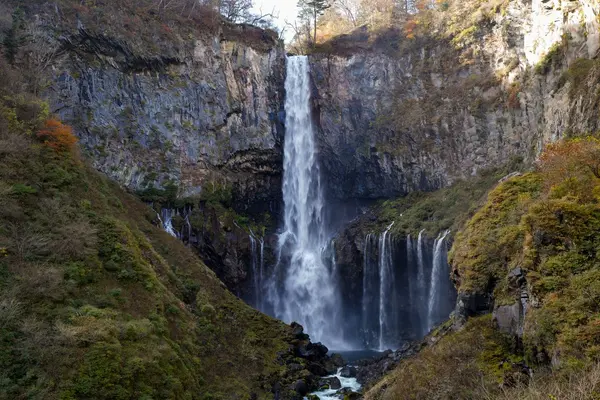
1. Kegon Falls
A 97-meter drop that will leave you speechless. Feel the cold mist on your face and hear the constant thunder of the water.
クイックファクト: It falls about 97 meters from Lake Chūzenji, and every second roughly 3,000 liters of water pass over the edge. The drop creates a constant mist that, in midday light, forms rainbows visible almost every day.
見どころ: What is truly surprising is that the water you see falling does not come directly from the lake, but rather filters through layers of volcanic rock from Mount Nantai before reappearing. That underground journey cools the water, so even in summer you will feel the icy air as you approach the viewpoint.
2. Lake Chuzenji
A huge volcanic crater filled with turquoise water awaits you at the foot of Mount Nantai. Stroll along trails lined with centuries-old beech trees and admire reflections of forests that change color with each season.
クイックファクト: This lake of volcanic origin was formed about 20,000 years ago when Mount Nantai erupted and blocked the river with lava. Its crystal-clear waters reach depths of up to 163 meters, making it one of the deepest lakes in Japan.
見どころ: In winter, the Ryuzu Falls, which flow into the lake, partially freeze, creating columns of blue ice that photographers wait weeks to capture. The lake's surface takes on intense turquoise tones during autumn thanks to melted snow mixing with the volcanic water and the golden hues of the surrounding maples.
3. Rinnō-ji Temple
A compound where three giant Buddhas keep watch over gardens that bloom in spring. You will walk among bronze lanterns, red pagodas, and forests of centuries-old cedar trees.
クイックファクト: The 35-building complex is part of the region's oldest heritage ensemble, declared by UNESCO. More than 15,000 visitors arrive each year just to admire the 16th-century bronze lantern located at the entrance.
見どころ: Inside the shrine there is a Japanese-style garden with more than 100 cherry trees planted by shoguns, and their flowers paint the entire courtyard during spring. The three golden Buddhas, 8 meters tall in the main hall, were carved from a single camphor tree, a detail few visitors notice upon entering.
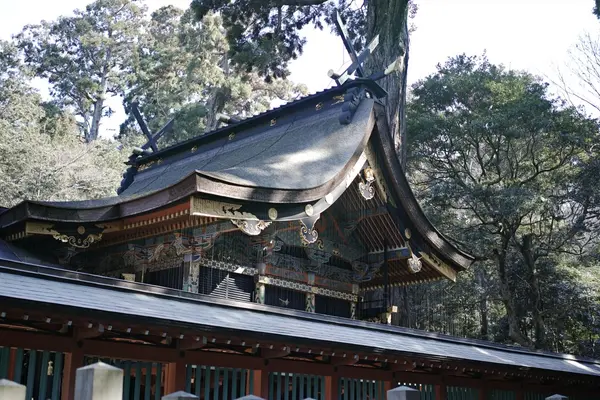
4. Futarasan Shrine
A millennial sanctuary nestled among mountains that brings together centuries of history and sacred nature. You will walk among bronze lanterns, forests of centuries-old cedar trees, and views of Lake Chuzenji.
クイックファクト: It has more than 1,200 years of history and houses over 300 objects declared national treasures or important cultural properties. The main shrine stands on the shores of Lake Chuzenji, while the iconic entrance sits next to Shinkyo Bridge, considered one of the three most beautiful bridges in Japan.
見どころ: The shrine protects a sacred bronze sword dating from the 8th century, a piece so venerated that it is only shown to the public once every 12 years during the great festival. It also guards a wooden statue of Bishamonten, one of the seven gods of fortune, carved so finely that the folds of his clothing look like real fabric moving in the wind.
5. Shinkyo Bridge
A vermilion red bridge suspended over turquoise waters that looks straight out of a fairy tale. You will walk across a sacred bridge where tradition says snakes turned into wood.
クイックファクト: The bridge measures 28 meters long and is painted a deep vermilion red that contrasts with the green of the surroundings. Only about 8.5 million pilgrims crossed annually the ancient road that passed through this point.
見どころ: Legend has it that a monk named Shōdō could not cross the Daiya River and two divine serpents transformed into the bridge to help him. At the spring opening ceremony, monks recreate this miracle by walking barefoot over holy water while bells resound throughout the valley.
6. Taiyū-in Mausoleum
The intimate, golden version of Tokugawa splendor, without the crowds of the main shrine. You will walk along a stone path flanked by bronze lanterns toward a pavilion full of lacquer and the finest details.
クイックファクト: This mausoleum houses the remains of Tokugawa Iemitsu, the third shōgun, and stands out for its decoration in golden lacquer and vibrant colors that contrast with the natural tones of the surrounding cedar forest. Its more than 200 stone and bronze lamps flank the access path, creating a solemn and mystical atmosphere.
見どころ: Unlike its more famous neighbor, this space preserves an almost secret atmosphere of seclusion; only about 300,000 visitors arrive each year compared to the millions who come to the main shrine. The dragon painted on the ceiling of the prayer hall, created by artist Kanō Yasunobu, is said to sing at dawn when light passes through the golden lattice.
7. Kirifuri Falls
A vertical torrent of 75 meters that unleashes its power in the heart of nature. Walk among viewpoints, feel the spray on your skin, and breathe in the fresh mountain forest.
クイックファクト: With a 75-meter free fall, the waterfall features a lookout trail that allows you to appreciate it from three different levels. Every autumn, the maples and beeches surrounding it dye the area in red and golden tones that contrast with the crystal-clear water.
見どころ: The best-kept secret is the upper viewpoint, reached by a stone path marked with ropes, where the waterfall's spray wets your face just a few meters from the falls. Unlike other spots in the area, here there are almost no tourists, so you can sit on the rocks and listen only to the roar of the water for hours.
8. Nikkō Tamozawa Imperial Villa
Stroll through the labyrinth where the Japanese imperial family escaped the summer heat. You will discover 106 rooms, meticulously tended gardens, and a silence found nowhere else in Nikko.
クイックファクト: It is the largest imperial residence remaining in Japan, with more than 100 rooms distributed through a labyrinth of corridors and courtyards. Its gardens were designed so the imperial family could stroll and contemplate the changing seasons without leaving home.
見どころ: It has 106 rooms connected by corridors that seem to multiply, and an original bathtub carved from a single stone over 5 meters long. Hirohito's parents used to spend their summers here, and the original tatami, over a century old, is still preserved.
9. Ryuokyo Canyon
A steel path suspended over emerald waters that will make you feel part of the volcanic landscape. You will walk among roaring rapids, maple forests, and hanging bridges that tremble with every step.
クイックファクト: The canyon was formed more than 22 million years ago by the eruption of Mount Nantai, and the Yu River carved its walls of molten rock over millennia. Its 4-kilometer walkways allow you to cross it via four suspension bridges, one of them with a transparent glass section over the turquoise water.
見どころ: In autumn, nearly a thousand maples dye the canyon walls in crimson red and intense orange, creating a brutal contrast against the emerald green of the water. If you cross the glass bridge at first light, the low sun illuminates the riverbed and you can see trout jumping among the rocks 100 meters below your feet.
Where to Stay in Nikkō, Japan
Selected by City Buddy based on guest reviews and proximity to top attractions
Search all hotels in Nikkō, JapanPowered by agoda
伝統的な甘い料理
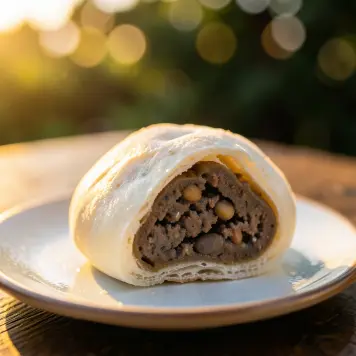
Yuba Manjū
This sweet bean paste filled bun uses yuba (tofu skin) in its dough, and it is one of Nikkō's most beloved souvenirs. The delicate tofu skin gives the manjū a uniquely soft and slightly nutty texture.
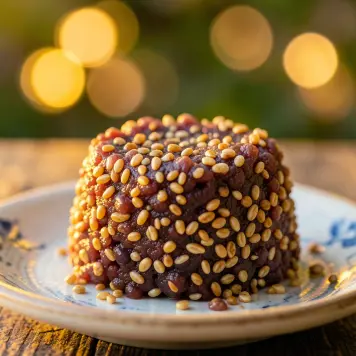
Nikkō Soba Yokan
A twist on the classic azuki bean jelly, this yokan incorporates buckwheat flour from the region's famous soba tradition. The nutty buckwheat flavor pairs surprisingly well with the sweet red bean paste.
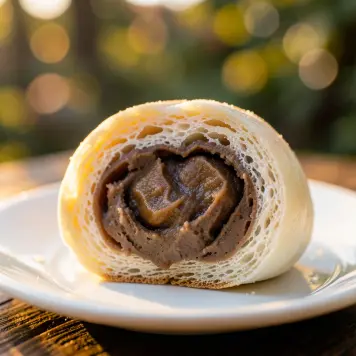
Kuri Manjū
These chestnut filled steamed buns celebrate Nikkō's abundant chestnut harvests from the surrounding mountains. The sweet chestnut paste is wrapped in a light, fluffy outer skin that melts in your mouth.
伝統的な塩味料理
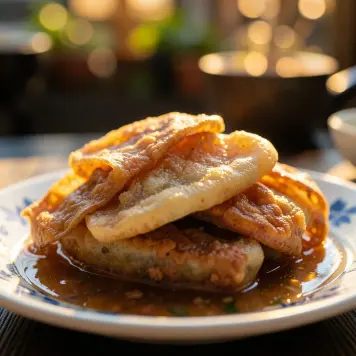
Yuba
Yuba, or tofu skin, is perhaps Nikkō's most famous food, thanks to the pure spring water and Buddhist temple traditions of the area. It can be served fresh, dried, fried, or simmered, and it has been prepared here for over 400 years.
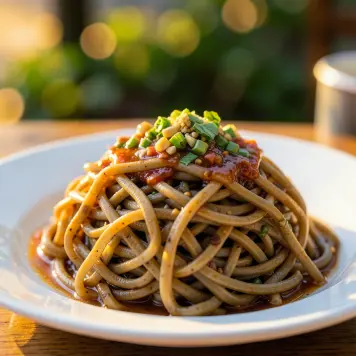
Nikkō Soba
Made with buckwheat grown in the cool highlands around Nikkō, this soba noodle has a pronounced earthy flavor and chewy texture. It is traditionally served chilled with a dipping sauce made from locally sourced ingredients.

Shimotsukare
This ancient fermented dish combines daikon radish, vegetables, and fish or miso, and it has been enjoyed by locals for centuries. Its strong, tangy aroma is an acquired taste and a true test of adventurous eating.
伝統的な飲み物
Nikkō Beer
Brewed with the pristine spring water from the mountains surrounding Nikkō, this local craft beer has a crisp, clean taste that reflects the region's pure water sources. The brewery is situated near the historic shrines and temples of the area.

Yuba Soy Milk
A fresh, creamy drink made from the same soy base used to produce Nikkō's famous yuba. It is sweet, smooth, and packed with protein, making it a popular refreshment for visitors exploring the mountain town.
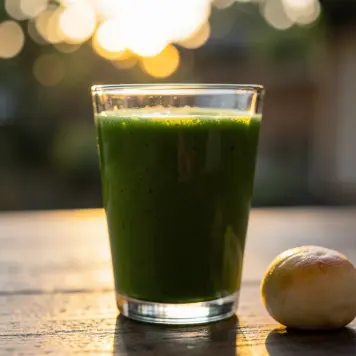
Kōyasan Matcha
Served in the temples and tea houses around Nikkō, this ceremonial green tea has been paired with local sweets for generations. The bitter, grassy notes of the matcha perfectly balance the sweetness of yokan and manjū.
Frequently Asked Questions about Nikkō, Japan
Is it safe to travel to Nikkō, Japan?
How many days are needed to visit Nikkō, Japan?
What is the best time of year to visit Nikkō, Japan?
Is it expensive to travel to Nikkō, Japan?
How do you get around Nikkō, Japan?
人気の観光スポットをPDFでメールに送信
すべての観光スポット、評価、ヒントを含むPDFを入手。オフライン利用に最適です。
人気の日帰り旅行
Lake Chuzenji
Highland lake offering scenic views, hiking trails, and Kegon Falls nearby.
Kegon Falls
Spectacular 97-meter waterfall, one of Japan's top three falls.
Kinugawa Onsen
Classic hot spring town with riverside ryokan and scenic gorges.
Edo Wonderland Nikko Edomura
Interactive theme park recreating Edo-period culture and entertainment.
Ryuzu Falls
Broad cascading waterfall framed by autumn foliage and alpine scenery.
アクセス
鉄道駅
Tobu Nikko Line from Tokyo, JR Nikko Line from Utsunomiya
Tobu Kinugawa Line from Shimo-Imaichi
From Tokyo, take the Tobu Limited Express from Asakusa to Nikko Station in about 2 hours. From Narita or Haneda, use the Narita Express or Keikyu line to reach Tokyo Station, then transfer to Tohoku Shinkansen to Utsunomiya and connect to the JR Nikko Line.
コメント (14)
Skip the restaurants right by the shrine entrance. Walk 10 minutes toward the station and find the little mom and pop places. Half the price and way more authentic. The spot with the curry next to the souvenir shop is legit.
Did Nikkō as a day trip from Tokyo and it felt rushed. If you can swing it, stay overnight. The town empties out after 5pm and the evening walk by the river is the best part honestly.
Kind of overwhelming with tour groups in the morning. If you show up at the shrine before 8am it's a completely different place. Afternoon was chill but by then I was tired of fighting the crowds.
The shrine walk up the hill is no joke, wear proper shoes not fashion sneakers. Saw multiple people slipping on the mossy steps. Also carry water, the drink machines are few and far between up there.
Honestly thought it would be more impressive. The shrines are nice but after seeing Kyoto everything felt like a smaller version. If you're short on time and have been to Japan before, maybe skip it.