 CityBuddy
 日本語
日本語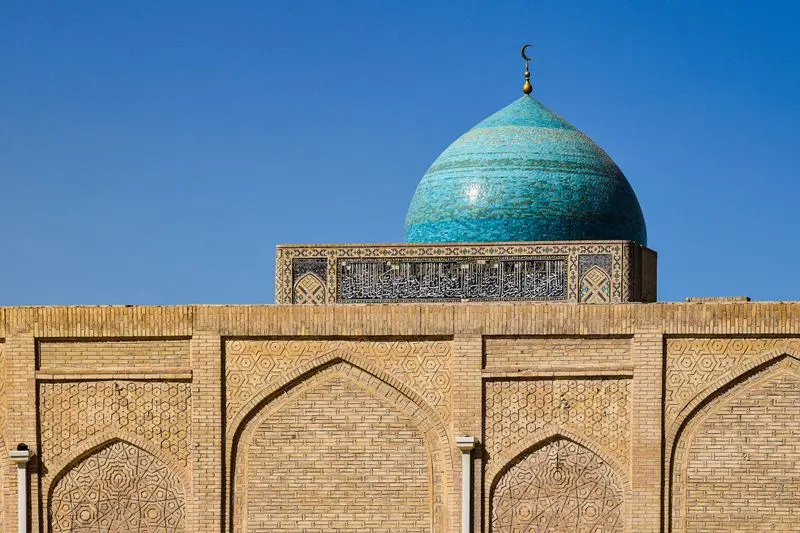
Bukhara, Uzbekistan でやるべきこと
AXP Photography による写真(Pexels.com)
訪問時期
Bukhara, Uzbekistan の人気観光スポット
「ウズベキスタンのブハラでやるべきこと」という言葉を耳にすると、多くの旅行者はポイ・カリヤン複合施設の高さ47メートルのミナレット、ブハラ城塞の広さ20ヘクタールの要塞、そして9世紀のサーマーン朝霊廟を思い浮かべる。795年に建てられたこの霊廟は、中央アジアで最も古いイスラム建築の記念碑である。この街には少なくとも2日間は滞在する価値がある。
1. Po-i-Kalyan Complex
ここでは、中央アジア最古級のミナレットを、原型のままの姿で見ることができます。コバルトブルーのタイルで飾られた中庭を歩きながら、周囲に漂う何世紀もの重みを感じてください。
クイックファクト: 46メートルのミナレットは、ジンギス・カンさえ破壊を免れさせたほど感銘を与えた。3つの建物からなる複合施設は、800年以上にわたってブハラの街並みを形作ってきた。
見どころ: ミナレットの頂上からは、ムアッジンの声が砂漠の静寂の中で10キロメートル先まで響き渡った。塔のレンガ模様は14種類の異なる幾何学装飾を施されており、それぞれ見る方向によって異なる表情を見せる。
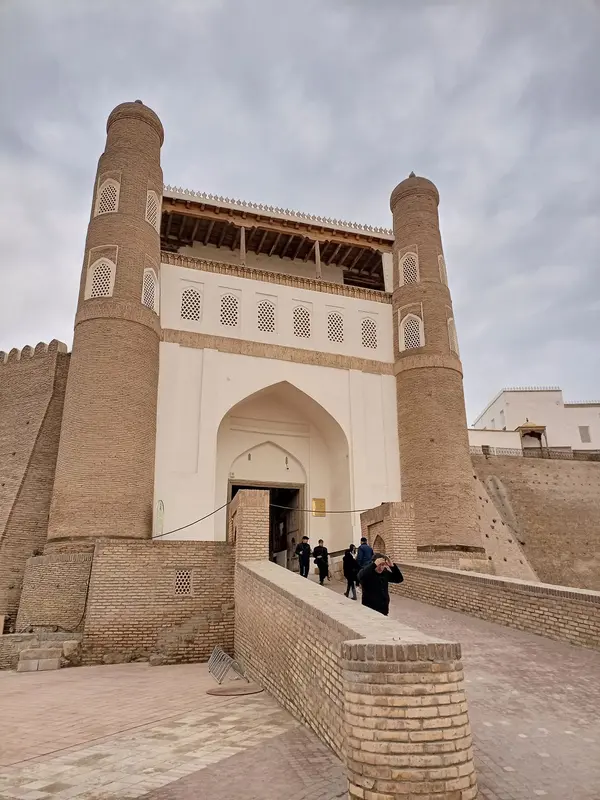
2. Ark of Bukhara
ここでは、中央アジアのアミールの宮廷で暮らすのがどんなものだったか、肌で感じられます。黄色いレンガの壁の間では、一歩ごとに過去がよみがえってきます。
クイックファクト: 3ヘクタールに広がる要塞の城壁は20メートルの高さに達する。支配者の住居は宝物庫から地下牢に至るまで、数百の部屋を内部に収めていた。
見どころ: 門へと続く巨大な傾斜路の下では、かつて囚人たちが鎖につながれ、頭上を行き交う馬の蹄の下に引きずられていた。玉座の間の天井は金の板で覆われ、絨毯は帝国のあらゆる地方からもたらされた。
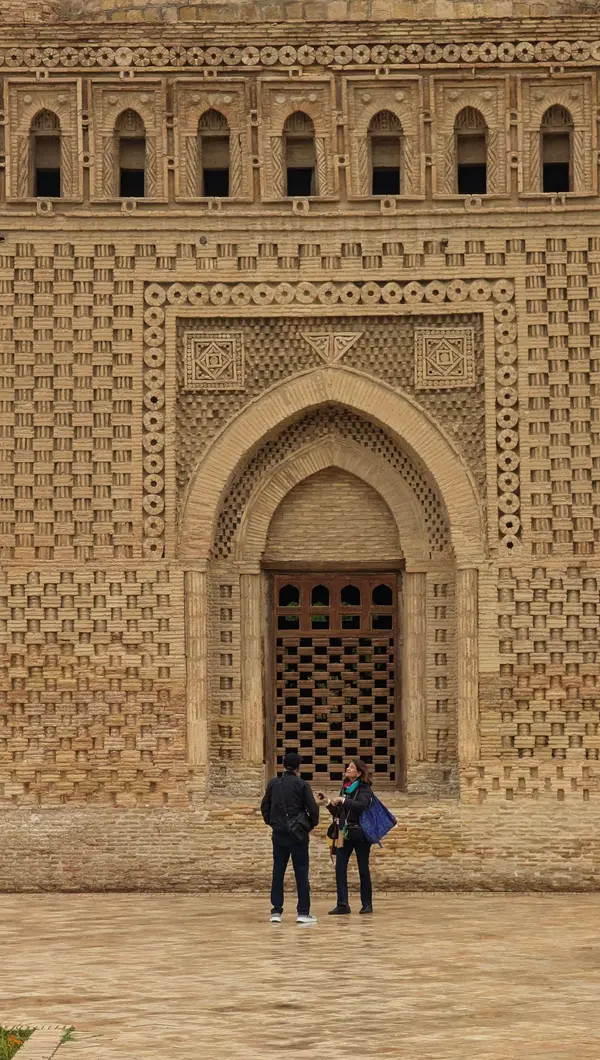
3. Samanid Mausoleum
One of the oldest gems of Islamic architecture, where the bricks are woven together almost like fabric. Step inside and let the forms and shadows captivate you.
クイックファクト: この星型模様のレンガ造りの建造物は、イスラム世界で現存する最古の墓碑の一つであり、中央アジアのレンガ芸術の最高傑作です。方形の平面に建つドーム型の建物の壁は、外側も内側も精巧に彫られたレンガでできており、光の変化に応じてまるで動いているかのように見えます。
見どころ: 建物の壁は全部で40種類以上の異なるレンガ模様で組まれており、中にははしごを使わなければ、すぐ近くまで近づかないと発見できないものもあります。ドームの内部に立つと、レンガの小さな隙間から差し込む太陽の光によって、空間が刻一刻と異なる表情を見せます。
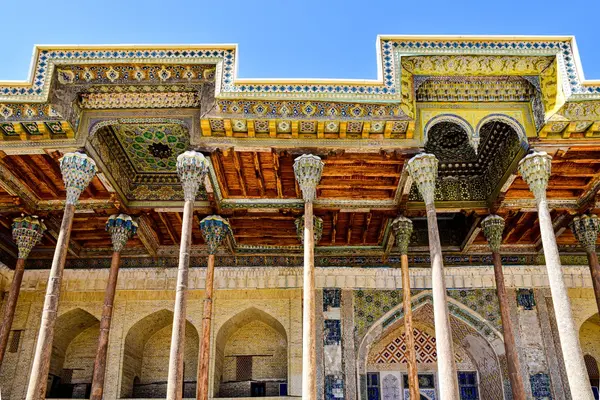
4. Bolo Haouz Mosque
彫られた柱が水面の鏡と出会う場所、ここでかつてブハラのアミールが祈りました。縁に腰を下ろし、金色に輝く柱が夕日のオレンジ色に染まるのを見守ってください。
クイックファクト: 20本の美しく彫刻された木製の柱がモスク前のベランダの屋根構造を支え、それぞれが独自のモチーフで装飾されている。前方に広がる池、ハウズは何世紀にもわたって空気を冷やし、モスクの見事なファサードを映し出している。
見どころ: ここは首長たちの金曜礼拝の場であり、巨大な木製の柱の間に支配者たちとその随行員たちが座った。ベランダの天井は、中央アジアの職人たちが幾世代にもわたって磨き上げてきた、入念に作り込まれた幾何学模様と鮮やかな色彩で覆われている。
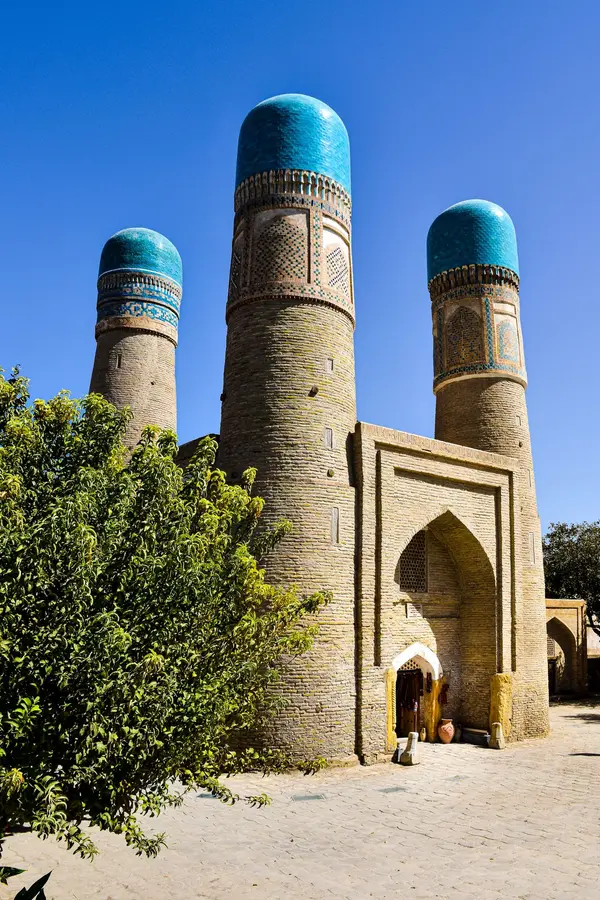
5. Chor Minor
四本の塔は、どれも形が違い、それぞれが別の物語を語っています。静かな中庭を歩き、職人の手による門を見て、隠された象徴を見つけてください。
クイックファクト: 4つの青いドームの塔はそれぞれ異なる装飾が施され、一つとして同じものはない。この建物は実際にはかつてのマドラサの門であり、学院の建物自体はとっくに消え去っている。
見どころ: 塔を間近で見れば、それぞれが異なる幾何学模様とタイル張りで造られていることに気づくだろう。まるで建設者が4人の異なる職人に別々に作業させたかのようだ。地元の人々の話によれば、各塔は世界の四隅それぞれの宗教を象徴しているというが、これを証拠づける文献は存在しない。
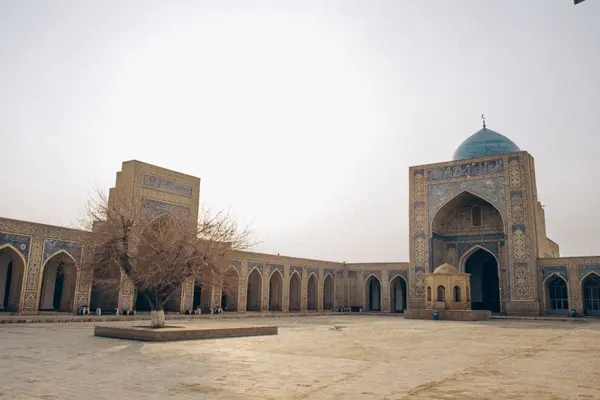
6. Magok-i-Attari Mosque
ここでは、ブハラの宗教的な重なり合いの、最も興味深い断面が見えてきます。深く沈んだレンガの壁が、足元にソグド、ゾロアスター、ユダヤ、イスラムの時代を同時に感じさせます。
クイックファクト: 12世紀のこの建物は、かつてゾロアスター教の神殿であり、次いでシナゴーグとなり、やがてモスクとなった。その名は「地下のモスク」を意味し、入口が現在の道路面より4メートル以上下にあるためである。
見どころ: モスク南西のファサードを飾るレンガ模様は非常に精巧に作られており、800年前の粘土煉瓦の間に目地の層が一つも見えない。入口の下の10メートルに及ぶ発掘では、異教の豊穣のシンボルと長さ4メートルの巨大な牛の骨格が発見され、この建物の数千年に及ぶ神聖な歴史を物語っている。
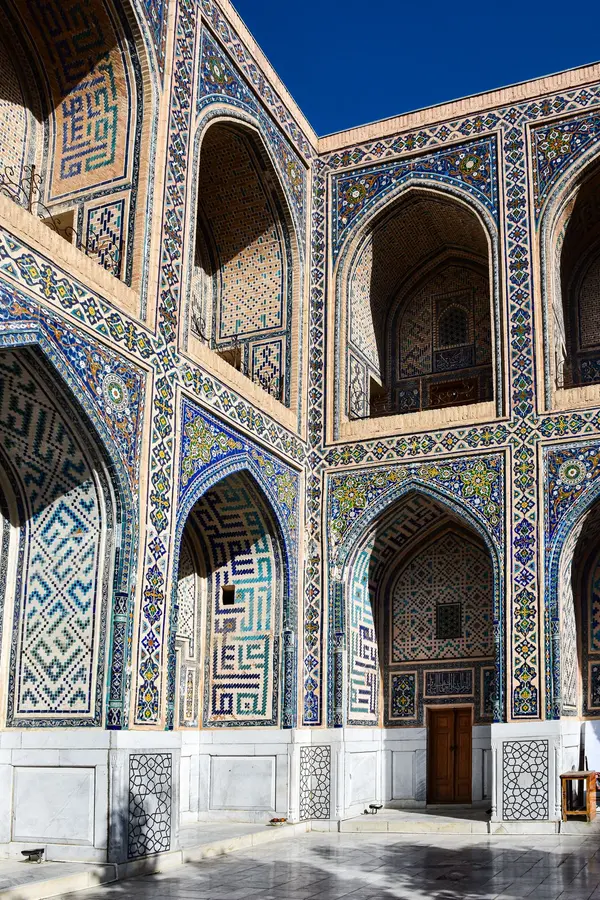
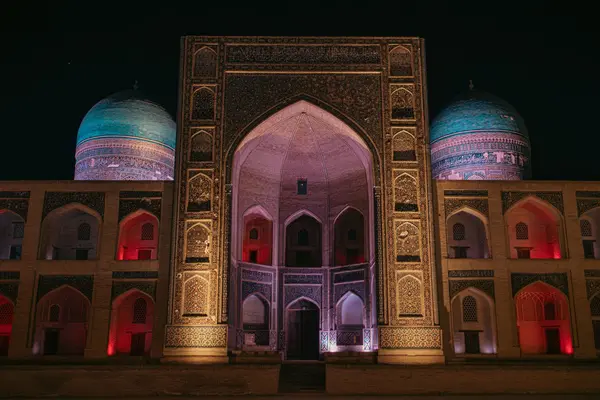
7. Ulugbek Madrasah
十五世紀、創建者である君主が天文学を教えたマドラサ。青いタイルの幾何学的な遊びと、静かに続く回廊が、中世の知識の世界へと誘います。
クイックファクト: ウルグベクは、著名な天文学者であり統治者でもあった人物で、1417年にこのマドラサを建立しました。この建造物は当時の中央アジアにおける最も卓越した学術拠点の一つでした。入り口のアーチを飾る星模様は、建設者の天文学への情熱を正確に反映しており、高さ12メートルの門のアーチの下に立つと、ティムール帝国の黄金時代へとタイムスリップしたかのような感覚を味わえます。
見どころ: マドラサの正面にはかつて、今では読めなくなった碑文がありました。「知識の探求はすべてのイスラム教徒の男性と女性の義務である」と記されていました。ウルグベクは自らここで天文学と数学を教えており、これは当時の統治者としてはほとんど前例のないことでした。
Where to Stay in Bukhara, Uzbekistan
Selected by City Buddy based on guest reviews and proximity to top attractions
Search all hotels in Bukhara, UzbekistanPowered by agoda
Bukhara, Uzbekistanの開館日
人気スポットのうち、どの曜日にどこが閉まるかをまとめました。旅行の定番の落とし穴を事前にチェック。
水曜日: 人気スポット6件中1件が休み。美術館は別の日に計画しましょう。
水曜日は休み · 1件休み, 5件開館
開館日情報はGoogle Maps (2026-06-27時点)。祝日、ストライキ、季節による営業時間の変更がある場合があります。出発前に公式サイトで確認してください。
伝統的な甘い料理
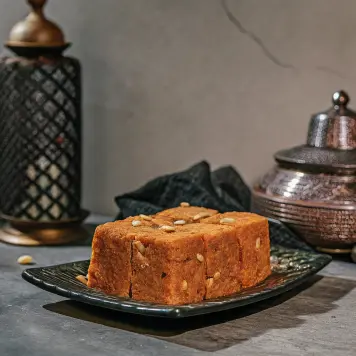
Bukhara Halva
Bukhara halva is a dense, crumbly confection made from sesame seeds, sugar syrup, and nuts. Artisans still prepare it using traditional copper cauldrons, stirring for hours to achieve its signature grainy texture.
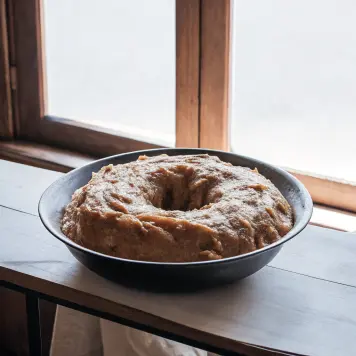
Sumalak
Sumalak is a sweet, thick wheat pudding made from germinated wheat that is cooked continuously for over 24 hours. It is traditionally prepared during the spring equinox (Nowruz) with women singing songs as they take turns stirring the large pot.
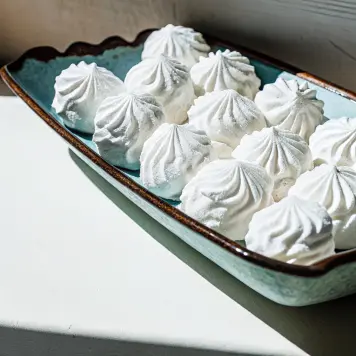
Nisholda
Nisholda is a fluffy, marshmallow-like sweet made from egg whites, sugar, and soaproot extract. It is a specialty of Bukhara and Samarkand, often served during winter months as it is believed to provide warmth and energy.
伝統的な塩味料理
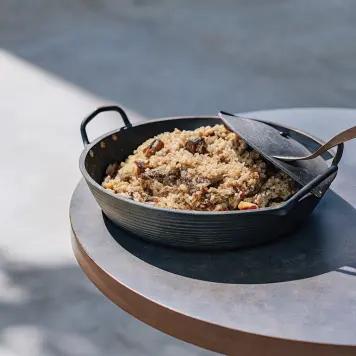
Bukhara Plov (Palov)
Bukhara-style plov differs from other Uzbek plovs by using chickpeas, raisins, and sometimes quince, giving it a subtly sweet and savory balance. It is traditionally cooked in a kazan (cast iron cauldron) over an open flame and served on large communal plates called lagan.
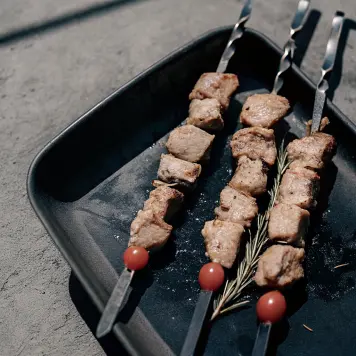
Shashlik
Bukhara's shashlik features skewered chunks of marinated lamb or beef grilled over hot coals. The meat is often marinated with onions, vinegar, and spices for hours, and the best versions are cooked on skewers made from vineyard branches which add a subtle smoky flavor.
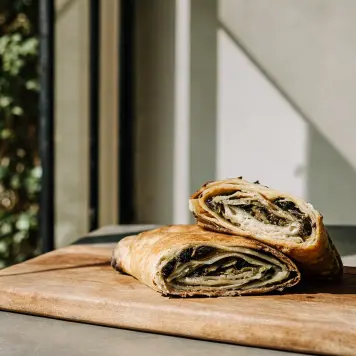
Samsa Bukharski
Bukhara-style samsa is a baked pastry filled with spiced lamb, fat-tail mutton, and onions, wrapped in flaky, layered dough. Unlike other versions, Bukharan samsa is traditionally baked in a tandoor oven (tanur), giving it a distinctive crispy crust and smoky aroma.
伝統的な飲み物
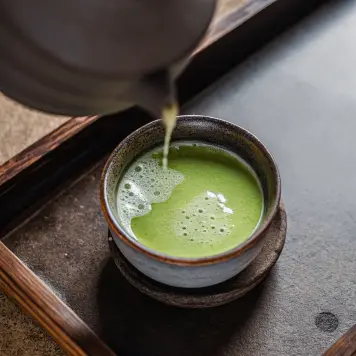
Ko'k Choy (Green Tea)
Green tea is the heart of Bukharan hospitality, served throughout the day in small bowls called piyola. Guests are always offered tea first, and the host pours a small amount back into the pot before serving to ensure the tea is perfectly mixed.
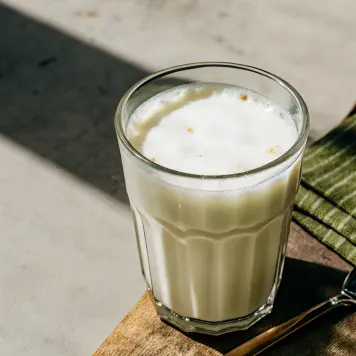
Ayran (Kefir)
Ayran is a refreshing, tangy yogurt-based drink made by diluting yogurt with cold water and a pinch of salt. In Bukhara's hot climate, it is a beloved thirst-quencher and is often served alongside plov to aid digestion.
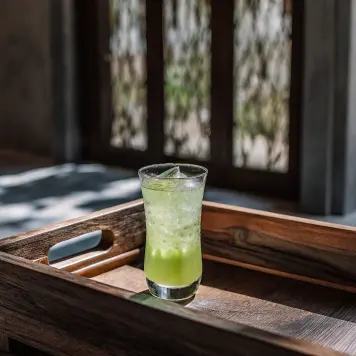
Sharbat (Fruit Syrup Drink)
Bukhara's sharbat is a sweet, concentrated fruit syrup made from local fruits like pomegranates, mulberries, or apricots, diluted with cold water. This centuries-old beverage was once served to travelers along the Silk Road as a revitalizing tonic in the desert heat.
渡航前に知っておきたいこと
Bukharaでの1日あたりの費用と、避けるべきぼったくり情報
避けるべき主なぼったくり
- 空港タクシーの運賃の吊り上げ. Yandex TaxiまたはUklonを正規の乗り場から利用しましょう。街中でタクシーを拾う場合は、乗る前に料金に合意してください。
- 不利なレートの両替. 銀行またはレートを掲示している認可両替所を利用しましょう。換金前に提示されたレートを公式レートと比較してください。
- 価格表示のないメニュー. 注文前に価格表を求めましょう。支払い前にサービス料が含まれているか確認してください。
空港からの正規タクシー: 30,000 UZS - 50,000 UZS (€2.5 - €4)
より安い選択肢: ターミナル外から旧市街エリアまでの相乗りタクシーまたはマルシュルートカ (5,000 UZS)
すべての詐欺、公正な価格、ルールBukhara, Uzbekistanに関するよくある質問
ウズベキスタンのブハラは安全ですか?
ブハラには何日滞在するのがおすすめですか?
ブハラを訪れるのに最適な時期はいつですか?
ウズベキスタンのブハラは高いですか?
ブハラではどのように移動できますか?
人気の観光スポットをPDFでメールに送信
すべての観光スポット、評価、ヒントを含むPDFを入手。オフライン利用に最適です。
人気の日帰り旅行
Samarkand
Ancient Silk Road city with Registan Square and stunning madrasas
Gijduvan
Crafts town known for pottery and ceramics workshops
アクセス
鉄道駅
High-speed Afrosiyob to Tashkent and Samarkand; regular trains to Urgench, Nukus, and beyond
Take the Afrosiyob high-speed train from Tashkent (3.5h) or Samarkand (1.5h). From the airport, use Yandex Taxi app for a cheap ride to the old town.
Bukhara, Uzbekistan の役立つ情報
Bukhara, Uzbekistan の概要
Bukhara, Uzbekistanの日別プランが欲しいですか?旅行プランナーを開く
Bukhara, Uzbekistan へいつ行きますか?
日程と旅行スタイルを選んで以下を取得:
特に重要なことはありますか?
該当するものをすべて選択
移動手段
場所の間をどのように移動しますか?
プラン言語: 日本語