 CityBuddy
 English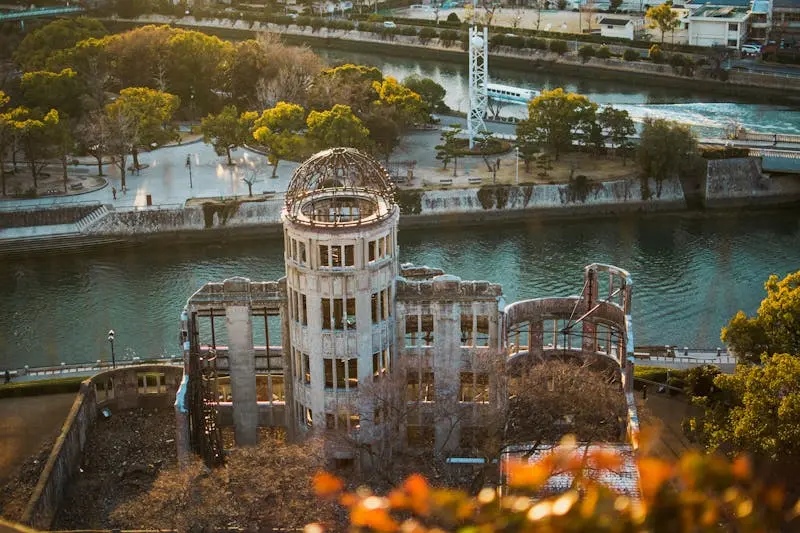
Things to Do in Hiroshima, Japan
Photo made by Hoi Wai on Pexels.com
When to visit
Plan your perfect trip to Hiroshima, Japan
Get a complete travel plan built just for you in under 30 seconds, with daily routes, local food tips, budget estimates and more.
Are any of these especially important to you?
Select all that apply
Plan language: EnglishMost popular attractions in Hiroshima, Japan
Things to do in Hiroshima, Japan, include visiting the Atomic Bomb Dome, a poignant reminder just 2 km from the city center. Explore the Hiroshima Peace Memorial Museum for a powerful history lesson. Stroll through Peace Memorial Park, a serene 120,000 square meter space honoring resilience and hope.
1. Atomic Bomb Dome
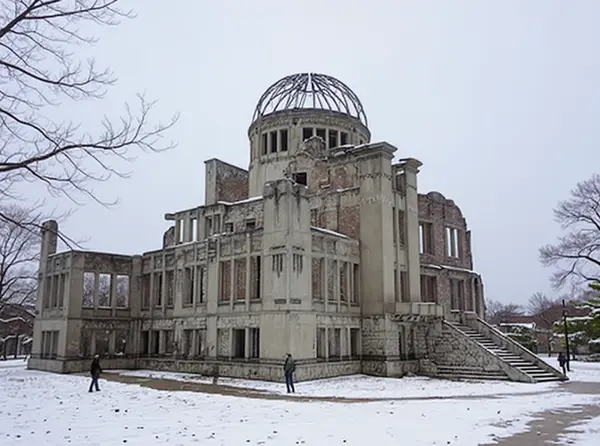
A powerful memorial of wartime devastation and human resilience. Walk among preserved ruins, read plaques, and feel the solemn atmosphere.
Quick facts: A skeletal ruin crowns the riverside park, exposed brick and twisted steel striking a strange, quiet silhouette against the sky. Visitors often pause in silence as sunlight filters through cracked windows and pigeons roost among the ironwork, offering a surprisingly peaceful contrast to the site's heavy past.
Highlights: Nearby, a tradition draws international schoolchildren who fold more than 50,000 paper cranes each year, many inscribed with names and short prayers that ripple in the wind. Warm orange light pours through shattered windows, turning cracked glass into tiny mirrors while the river's soft murmur and distant footsteps make the place feel oddly alive.
2. Hiroshima Peace Memorial Museum
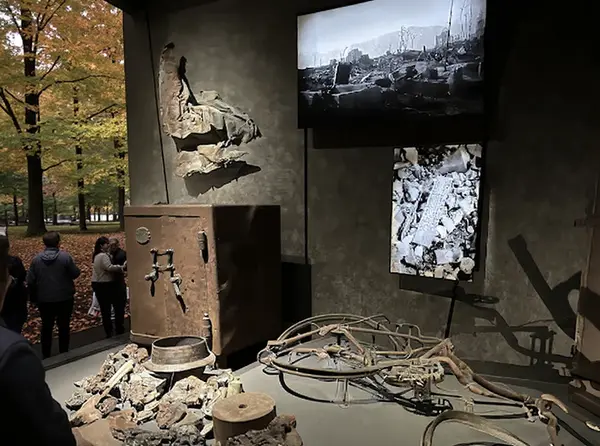
Powerful museum that documents the 1945 atomic bombing and promotes peace. See original artifacts, survivor testimonies and carefully curated exhibits.
Quick facts: Inside the exhibits, personal items like charred clothing, a warped bicycle wheel, and a melted wristwatch stopped at 8:15 bring the human scale of the blast into sharp focus. Guided audio and eyewitness testimonies are offered in several languages, and many visitors report a hush in the galleries that makes ordinary city sounds feel startlingly close afterward.
Highlights: A display honors Sadako Sasaki with a preserved string of 1,000 origami cranes, while school groups and visitors leave tens of thousands more outside, banded into colorful bundles that pile up like confetti. Smelling faint incense and seeing the glossy paper catch the light, you can read tiny handwritten names and dates on some cranes, a tactile, ongoing reply to the human stories behind the exhibits.
3. Peace Memorial Park
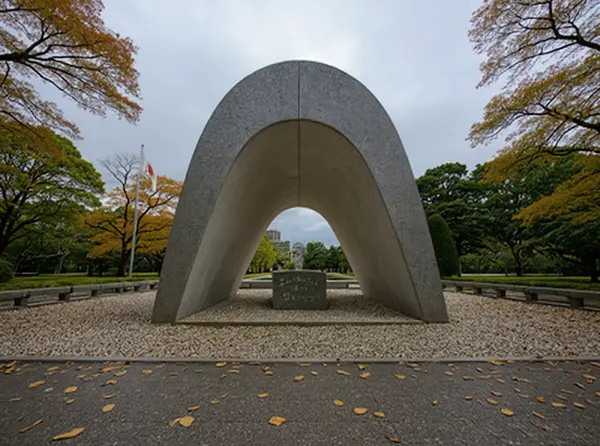
A powerful open-air memorial chronicling Hiroshima's history and resilience. Walk peaceful paths, see the A-Bomb Dome, cenotaph, and moving museum exhibits.
Quick facts: A skeletal domed ruin rises among ginkgo trees, preserved as a striking, silent silhouette from the blast. Visitors walk along tree-lined pathways past a curved stone cenotaph and a river, spotting dozens of statues and a flame kept as a symbolic pledge against nuclear arms.
Highlights: A bronze statue of a little girl is wrapped in colorful origami cranes, tied to the story of Sadako Sasaki who aimed to fold 1,000 paper cranes as a wish for recovery. Around the quiet flame you can hear a soft hiss and smell oil, sensory details that make the vow to eliminate nuclear weapons feel unexpectedly immediate while care packages of cranes still arrive from over 100 countries.
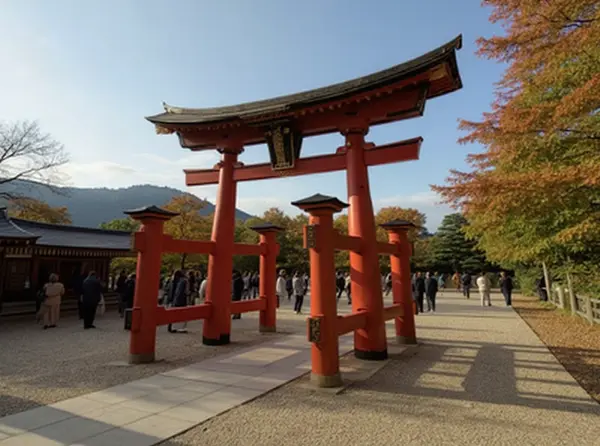
4. Itsukushima Shrine
A vermilion torii rising from the sea frames unforgettable coastal views. Stroll shrine boardwalks at changing tides and watch tame deer roam the island.
Quick facts: A vivid vermilion torii seems to float on the bay at high tide, offering a perfectly framed reflection that photographers chase at sunrise. Crowds swell during cherry blossom and autumn color, with people standing shoulder to shoulder along the shore to capture the gate's mirrored silhouette.
Highlights: A 16.6-meter torii seems to hover when the tide rises, then at low tide you can walk across wet sand and stand beneath its carved pillars while gulls wheel overhead. Locals still mark the Kangen-sai festival by launching dozens of lacquered boats, musicians in silk robes playing ancient court music by torchlight as the sound ripples across the water.
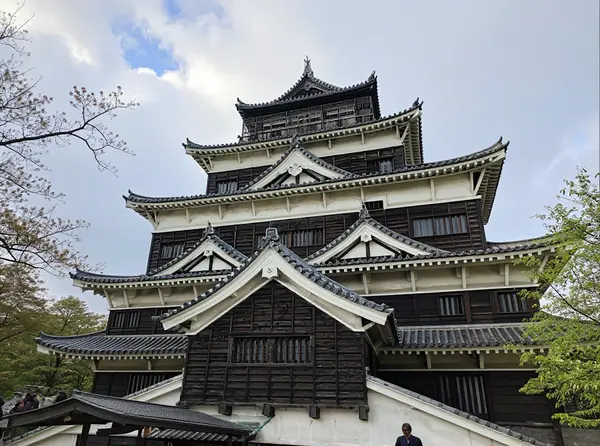
5. Hiroshima Castle
Step into samurai-era history at Hiroshima Castle. Climb the reconstructed keep for museum exhibits and wide city views.
Quick facts: Look up to see gold-plated shachihoko ornaments glinting along the roofline, tiny sculptures meant to ward off fire. A five-story main keep houses exhibits of samurai armor and historical maps, and the moat plus reconstructed turrets make for a surprisingly photogenic stroll.
Highlights: Climb to the fifth-floor observation deck for a 360-degree sweep of the city, and on exceptionally clear days pick out Miyajima's torii about 20 kilometers across the bay. A haunting 1945 photograph near the entrance captures only the stone base after the August 6 blast, the contrast giving the preserved samurai armor and paper maps in the museum an unexpectedly intimate, human scale.
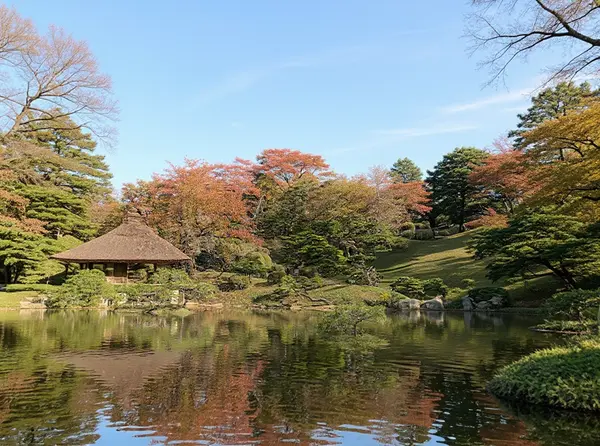
6. Shukkeien Garden
Tranquil classical Japanese garden in central Hiroshima, with miniature landscapes, tea houses and reflective ponds. Stroll winding paths, photograph cherry blossoms in spring and maples in autumn.
Quick facts: Quiet pathways wind through miniature landscapes, where stone lanterns peek from mossy banks and maples punctuate each vista. Seasonal displays sweep from pale cherry blossoms to fiery maples, while carp glide beneath wooden bridges that bend reflections into living ink washes.
Highlights: Push through a low gate and the garden collapses into a living diorama, where a single central pond frames miniature islands, tiny bridges, and pruning so precise each hill reads like a brushstroke. On early-morning mist the air tastes faintly of wet stone and green tea, and crouching close you can hear the soft slapping of carp tails as lanterns ripple in the water.
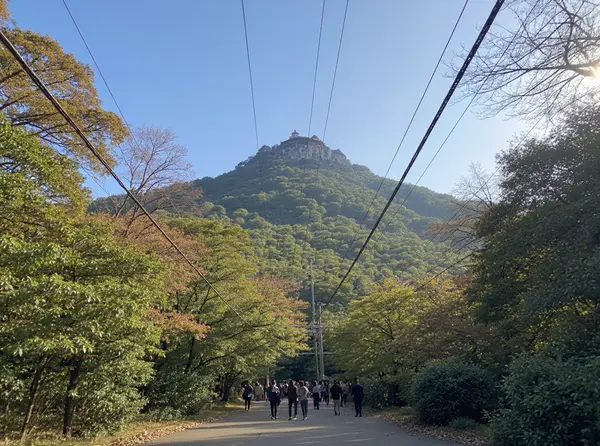
7. Mount Misen
Stunning coastal panoramas and ancient cedar forests atop Miyajima's sacred peak. Hike or ride the ropeway to temples, an eternal flame, and sweeping Seto Inland Sea views.
Quick facts: Tucked among ancient cedars, the summit rewards hikers with a 360-degree panorama of dozens of tiny islands and ribbon-like waterways. Steep trails climb about 535 meters, and curious wild macaques sometimes watch from shaded rocks while pine-scented breezes carry a faint salt tang.
Highlights: A tiny mountaintop hall keeps an 'eternal flame' that tradition credits to the monk Kūkai in 806, and a spark from that fire was used to light a peace memorial flame in 1964. Pressing close, you can feel the warm air and smell incense as bronze smoke curls around weathered wooden statues that pilgrims still touch for luck.
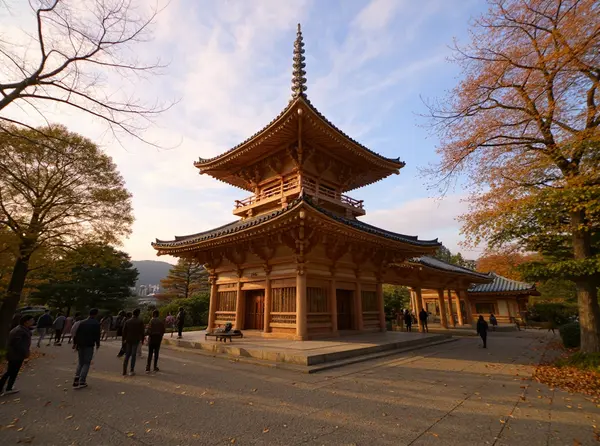
8. Hiroshima Orizuru Tower
Panoramic views over Hiroshima plus an interactive paper-crane experience. Fold your own Orizuru on-site, head to the rooftop deck, and view the Peace Memorial Park from above.
Quick facts: An observation deck perches high above the city, offering sweeping views where modern glass meets the somber silhouette of a domed ruin across the river. Visitors can fold a paper crane and add it to a communal display, a ritual that fills the walls with thousands of colorful origami pieces each year.
Highlights: Step onto the rooftop terrace and the wind brings the distant river's faint metallic scent, while every angle frames the ruined dome like a photograph suspended in time. Local staff collect visitors' folded cranes in bundles of about 1,000 for monthly displays or donations, a practice that turns individual paper pulses into long strings of color and handwritten wishes.
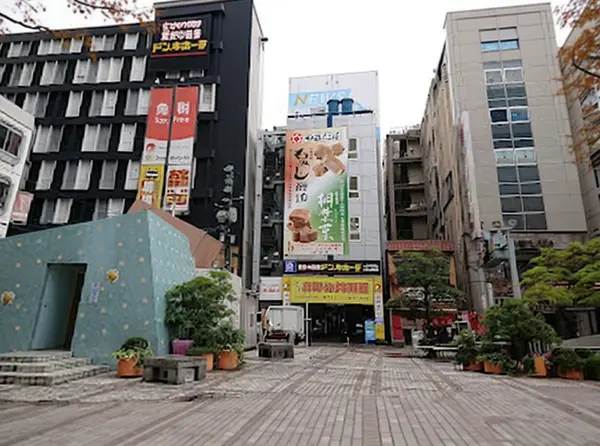
9. Okonomimura
Packed hub of authentic Hiroshima-style okonomiyaki and lively dining counters. Taste multiple stall variations while watching chefs grill on the teppan.
Quick facts: A compact building hides more than 25 tiny stall-run kitchens stacked across a few floors, each serving its own take on a layered savory pancake. Hot iron griddles clatter with cabbage, noodles, batter, and pork, while the air fills with sweet-salty sauce and mayo as chefs flip orders one after another.
Highlights: One counter routinely layers up to five pancakes in a single order, each flip spraying steam, sesame aroma, and a smoky char into the room. Regulars jot favorite combos on a communal chalkboard, listing double-sauce, mayo swirl, and extra noodles, and you can point to a scrawled name like 'Mom's Special' to get the chef's signature plate.
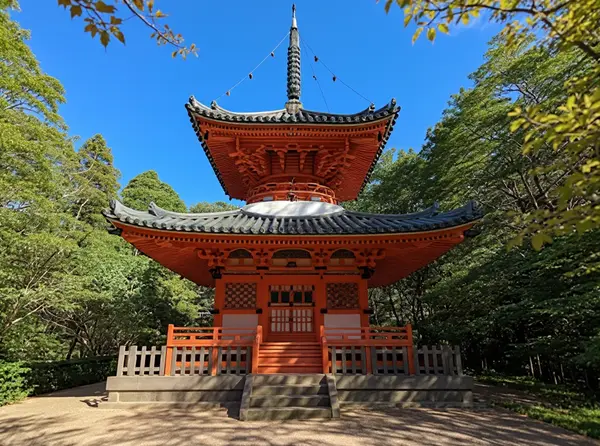
10. Mitaki-dera
A tranquil temple tucked into a mossy valley, perfect for autumn color and quiet reflection. Walk shaded paths, hear waterfall cascades, and photograph stone Jizo and a three-story pagoda.
Quick facts: Sheltered by old cedars and maples, the grounds are threaded by three sparkling waterfalls that soften the city's noise into gentle rushes. Visitors wander mossy lanes past weathered stone lanterns and seasonal blooms, finding vivid hydrangeas in summer and fiery maples in autumn.
Highlights: A moss-carpeted trail brings you within arm's reach of the main cascade, where cool mist, dripping stones, and the low chime of temple bells mingle into a startlingly intimate atmosphere. At twilight, small amber votives tucked into stone lanterns cast trembling light over carved Buddhas, and some elders quietly slide a single coin into the offering as candlelight pools on wet granite.
Where to Stay in Hiroshima, Japan
Selected by City Buddy based on guest reviews and proximity to top attractions
Search all hotels in Hiroshima, JapanPowered by agoda
Traditional Sweet Dishes
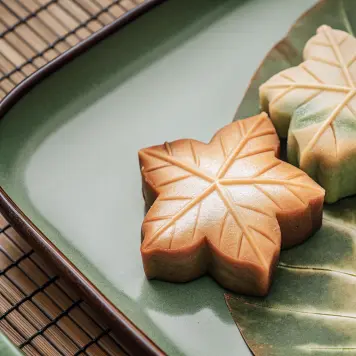
Momiji Manju
A maple-leaf-shaped cake filled with sweet red bean paste, Momiji Manju originated on Miyajima and became the region's most iconic souvenir sweet.
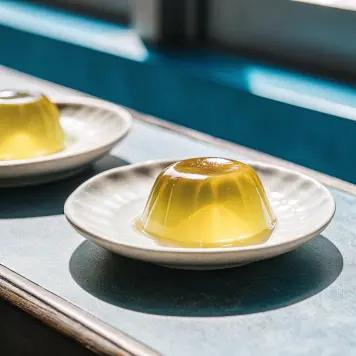
Hassaku Jelly
Made from hassaku, a tart citrus grown around Hiroshima, these jellies and candies capture the bright, tangy flavor local orchards are famous for.
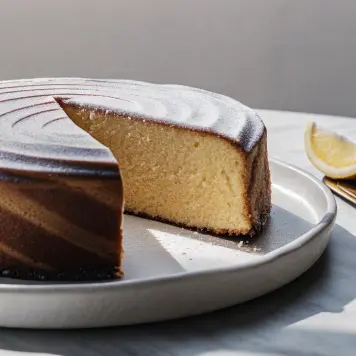
Setouchi Lemon Cake
Using lemons grown on islands in the Seto Inland Sea, these light lemon cakes showcase Hiroshima's reputation for citrus and pair beautifully with tea.
Traditional Savory Dishes
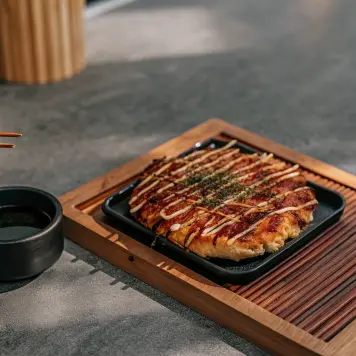
Hiroshima-style Okonomiyaki
The Hiroshima-style pancake is layered with batter, large amounts of cabbage, pork, and often soba or udon noodles, distinguishing it from the Osaka version and making it a beloved local comfort food.
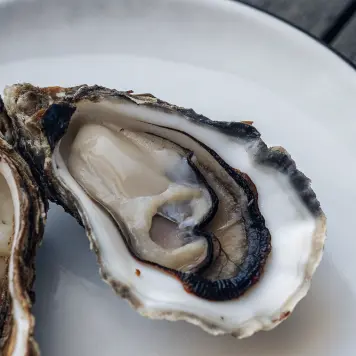
Kaki (Hiroshima Oysters)
Hiroshima produces around half of Japan's oysters, and locals enjoy them fresh, grilled, deep-fried, or simmered in nabe during the winter season.
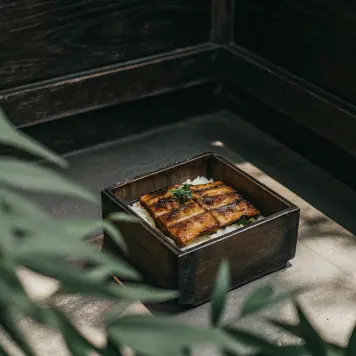
Anago Meshi
A specialty of Miyajima, anago meshi features grilled conger eel glazed with a sweet soy sauce over rice, commonly sold as a local bento and souvenir.
Traditional Beverages

Saijo Sake
The Saijo area in Higashihiroshima is famous for its century-old breweries and mellow, well-balanced sake, making it one of Japan's most respected sake regions.

Setouchi Lemon Chu-hai
A refreshing highball made with local Setouchi lemons and shochu, lemon chu-hai highlights Hiroshima's citrus produce and is popular in summer festivals and izakayas.
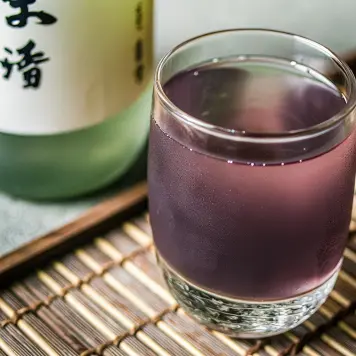
Umeshu (Plum Wine)
Homemade and locally produced umeshu are common in Hiroshima, offering a sweet, fruity liqueur traditionally served on the rocks or with soda.
Frequently Asked Questions about Hiroshima, Japan
What is the best time to visit Hiroshima, Japan?
Is Hiroshima, Japan safe for travelers?
How expensive is it to live or stay in Hiroshima, Japan?
How to get around Hiroshima, Japan?
Is the tap water safe to drink in Hiroshima?
Get a PDF with the most popular attractions sent to your email
Get a PDF with all attractions, ratings, and tips. Perfect for offline use.
Most popular day trips
Miyajima (Itsukushima)
Famous floating torii, shrine, island hikes and views.
Iwakuni (Kintaikyo Bridge)
Historic wooden bridge, castle, and riverside scenery.
Onomichi
Canal-side town, temple walks, gateway to Shimanami Kaido.
Kurashiki (Bikan Quarter)
Preserved merchant district, canals, art museums.
Himeji
Iconic UNESCO castle, well preserved feudal architecture.
Getting there
Airports
Train stations
Sanyo Shinkansen, JR Sanyo Line, local lines and trams
Sanyo Shinkansen, JR Sanyo Line
JR Sanyo Line, ferry access to Miyajima
From Hiroshima Airport take the airport limousine bus to Hiroshima Station, about 45 minutes.
Find flights to Hiroshima, Japan
Click to get eSim for Hiroshima, Japan
The easiest and most affordable way to get mobile internet wherever you travel.
Comments (9)
Peace Park and museums are heavy but beautifully presented, the city feels peaceful. Food is great, though touristy spots get expensive.
For okonomiyaki, sit at a counter in a family-run place and watch them cook, portions are better and prices beat tourist restaurants.
Trams make getting around stupidly easy, but winters are chilly and summers sticky. Expect crowds on weekends.
Expected more nightlife, bars close early and karaoke spots can be pricey. Great daytime vibes, disappointing after dark.
Carry cash, many corner shops and street vendors don't take cards. Use 7-Eleven or post office ATMs, they accept foreign cards.