 CityBuddy
 Lietuvių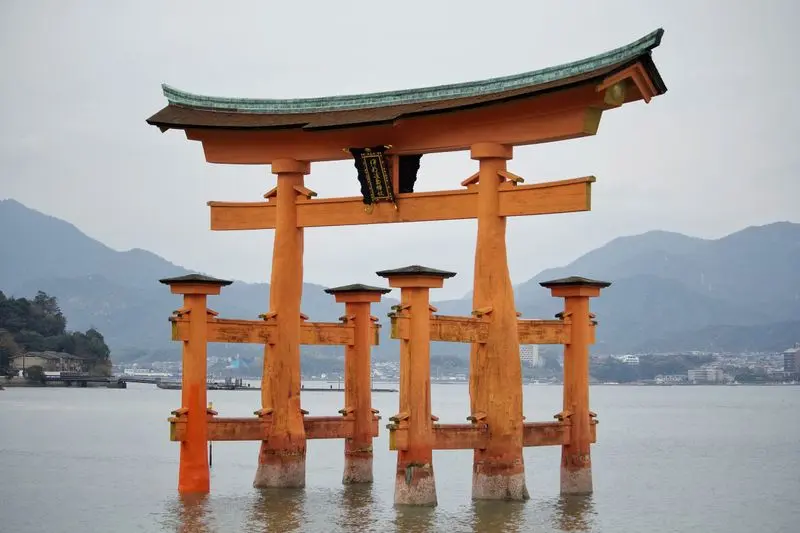
Ką veikti Itsukushima, Japan
Nuotrauką padarė Niccolò Chiamori Pexels.com
Kada lankytis
Kada keliaujate į Itsukushima, Japan?
Pasirinkite datas ir kelionės stilių, kad gautumėte:
Ar kas nors iš šių jums ypač svarbu?
Pažymėkite visus, kurie tinka
Getting around
How do you want to move between places?
Plan language: LietuviųPopuliariausios lankytinos vietos Itsukushima, Japan
When considering things to do in Itsukushima, Japan, the floating Itsukushima Shrine tops most itineraries, with its famous torii gate appearing to drift on the tide. Ride the ropeway to Mount Misen's 535-meter summit for panoramas of the Inland Sea, then wander Daisho-in Temple's lantern-lined halls and its 500 stone statues, each one unique.
1. Itsukushima Shrine
A sacred gate rising straight out of the sea at high tide, then standing on dry sand a few hours later. Watch the water transform the whole scene before your eyes.
Greiti faktai: The massive red torii gate appears to float on the water at high tide, with its base submerged up to 6 meters beneath the surface. When the tide goes out, visitors can actually walk right up to the gate and touch the massive pillars, which are over 16 meters tall.
Akcentai: The shrine is built entirely over the water on stilts, so at high tide the whole complex seems to hover above the bay with the buildings reflected perfectly in the still water. The nearby five-story pagoda catches the sunset light and turns a deep vermilion that makes every photo look surreal.
2. Daisho-in Temple
Climb past hundreds of red-capped stone deities into a mountainside temple complex. You'll weave through caves, spin prayer wheels, and end up at a cable car with sweeping views over the Seto Inland Sea.
Greiti faktai: The temple complex holds over 500 statues of the Buddhist deity Jizo, many donated by devotees over the centuries. Its grounds wind up Mount Misen, connecting to a cable car station that lets you hike down through a forest filled with centuries-old cedar trees.
Akcentai: One of the most memorable parts is the winding path lined with hundreds of small stone Jizo statues wearing red bibs and knit caps, each placed by a grieving family to honor a lost child or loved one. At the top of the climb, you can spin a giant wooden prayer wheel that's taller than you and follow a lantern-lit cave passage that reportedly once served as a meditation hall for monks.
3. Mount Misen
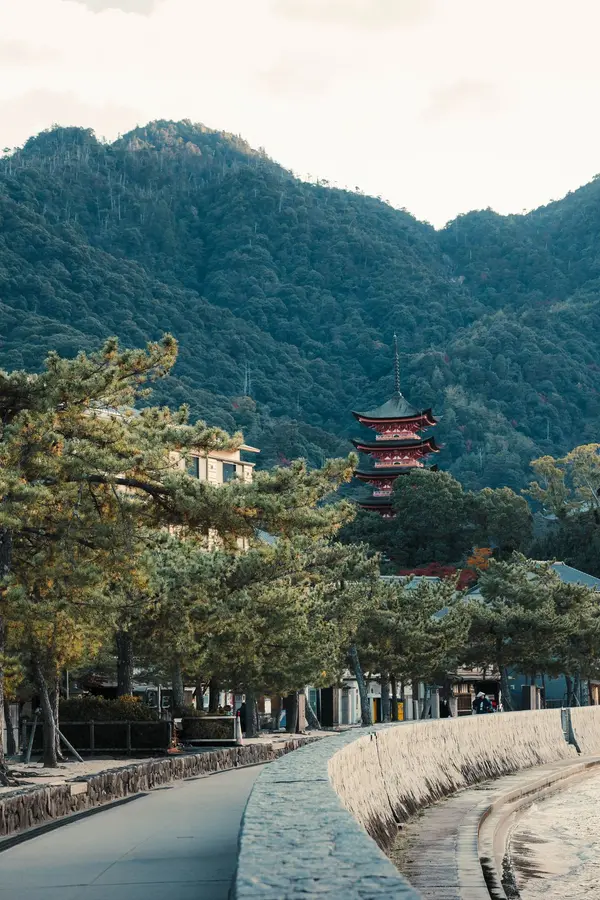
Climb past ancient shrines and wild deer to a summit with sweeping views of the Seto Inland Sea. Reach the top by ropeway or on foot and feel the island's sacred calm.
Greiti faktai: Around 535 meters tall, the climb takes most hikers two to three hours through mossy cedar forests. Over 1,000 wild deer roam the island, and you'll likely spot them along the mountain's lower trails.
Akcentai: At the summit, a small temple room holds a 500-year-old flame reportedly lit by the monk Kobo Daishi, and lanterns in the hall have been burning continuously using that same fire source. The stone steps near the top open to a rocky overlook where the sea spreads out below you on clear days, with the torii gate appearing almost miniature from this height.
4. Momijidani Park
Chasing peak autumn color by the calmest water on the island. Walk beneath a canopy of 700 crimson maples as a creek threads past red bridges and mossy stones.
Greiti faktai: The park sits on the northern edge of Itsukushima Island and sees its dense maple canopy transform into a blaze of crimson and gold each autumn. More than 700 maple trees crowd the valley floor, some over a century old and planted along a centuries-old pilgrimage path.
Akcentai: Every November, the park hosts a maple-leaf festival with taiko drum performances echoing through the valley, and evening lantern lighting turns the entire gorge into a warm, flickering glow. The stream that runs through the park crosses a series of small red wooden bridges, and if you pause mid-span during peak fall color, the canopy overhead creates a tunnel of orange so thick you can barely see the sky.
5. Senjokaku Hall
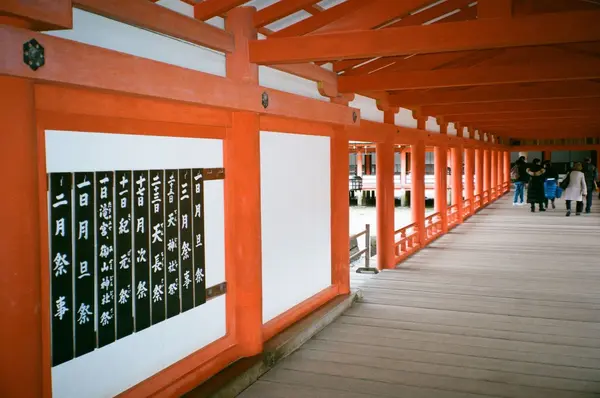
Step into this vast open-air hall where the sea breeze almost lifts you off your feet. Watch the floating torii gate appear and disappear with each tide while standing on creaking wooden planks above the water.
Greiti faktai: An enormous open-air hall covers over 460 tatami mats, yet holds no walls, letting the sea breeze sweep straight through. It was meant to serve as a base for reading sutras, but construction halted centuries ago and never resumed.
Akcentai: The floorboards creak and groan underfoot as you walk across this roofless pavilion, and the whole structure trembles slightly when the tide rolls in below. From the platform, you catch a completely unobstructed view of the famous floating torii gate rising out of the water, something you simply can't experience from anywhere else on the island.
6. Gojunoto (Five-Story Pagoda)
Five-Story Pagoda
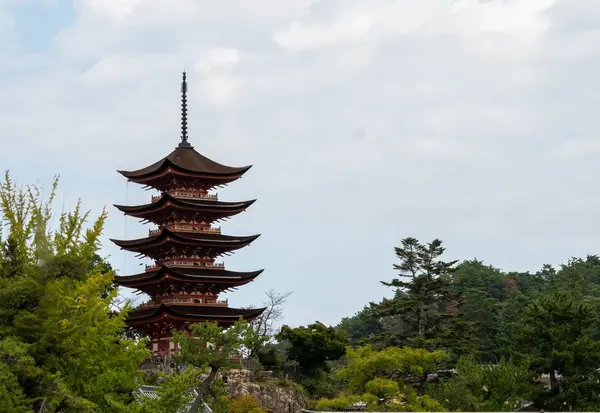
Climb the slopes above the shrine for a vantage point that rewards with sea views and five stacked roofs. Wooden staircases and forested paths deliver a perspective most day-trippers never see.
Greiti faktai: The pagoda rises five stories and around 27 meters, yet it appears to float above the treetops when viewed from the water at high tide. Its vermillion lacquer and intricately carved brackets have survived centuries without any structural repairs to the core frame.
Akcentai: The pagoda and the nearby great torii gate are arranged so perfectly along the axis of the Seto Inland Sea that at certain sunrises, the rising orb of the sun appears to roll down the pagoda's golden spire. Locals say the shadow of the pagoda falls across the shrine's inner sanctuary during the autumn equinox, a phenomenon that lasts only a few minutes each year.
7. Miyajima Omotesando Shopping Street
One stroll here delivers centuries of island culture through food, crafts, and souvenirs. Expect warm momiji pastries, freshly grilled oysters, and carved wooden goods made right before your eyes.
Greiti faktai: Over 300 shops line this arcaded street, feeding the more than 4 million travelers who visit the island annually. Sweet maple-leaf shaped pastries called momiji manju are baked fresh at dozens of stalls, filling the air with a warm, sugary aroma.
Akcentai: Around 4 pm, the crowd thins dramatically as day-trippers catch the last ferries, leaving the lamps and lanterns glowing over empty cobblestones for the final hour of daylight. That's when local shopkeepers step outside to chat, and you can taste the grilled oysters at half the rush hour price.
8. Miyajima Public Aquarium
Where else can you feed seals while wild deer wander past the entrance? Get up close with penguins, rays, and tropical fish in tanks that put you right beside the animals.
Greiti faktai: Over 350 marine species call this aquarium home, including the famous Miyajima deer which sometimes wander right up to the outdoor touch pools. Its massive 15-meter tanks let you watch seals and penguins swim right alongside their human visitors without glass barriers between you and the action.
Akcentai: The centerpiece is a 470-ton circular tank with a tunnel you can walk through while a 2.5-meter stingray glides right over your head. They also run twice-daily seal feeding sessions where the keepers share the animals' individual names and personalities, and the seals will happily steal your attention right from your hands.
9. Daiganji Temple
Watch a sacred gate appear to float on the sea as the tide rolls in. Climb the hillside path for views that shift with every hour of daylight.
Greiti faktai: The worship hall stands on stilts over the tidal flats, so at low tide you can walk right up to its base while at high tide it appears to float on the water. Itsukushima's famously strict conservation rules forbid cutting trees or burying anyone on the island, which keeps the shrine's natural setting pristine.
Akcentai: The tall wooden pillars beneath the hall have no engineered foundation at all; they simply rest on the seafloor, a structural choice that has survived centuries of typhoons and tidal surges. During the high tide of the full moon, the reflection of the vermilion facade stretches across the water in a mirror image that photographers time their whole trips around.
10. Miyajima Ropeway
Glide over ancient cedar forests to the summit of a sacred mountain. Panoramic views of the Seto Inland Sea unfold as you rise toward misty shrines and wild deer territory.
Greiti faktai: Two cable car sections carry riders over 1.5 kilometers of forested mountain slope, gaining roughly 500 meters in elevation toward Mount Misen's summit. Each gondola seats about 30 people, and the full ride takes around 15 minutes one way.
Akcentai: From the top station, on a clear day, you can see across the Seto Inland Sea to as many as 700 islands scattered like stepping stones. The final cable car section climbs at a 25-degree angle, giving you a near-vertical sensation as the treetops drop away beneath your feet.
Where to Stay in Itsukushima, Japan
Selected by City Buddy based on guest reviews and proximity to top attractions
Search all hotels in Itsukushima, JapanPowered by agoda
Tradiciniai saldūs patiekalai
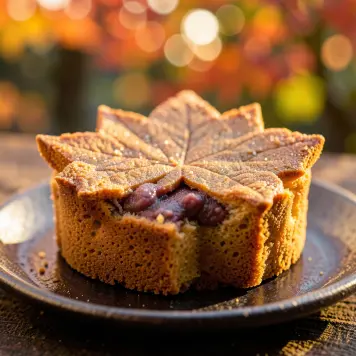
Momiji Manju
This maple leaf shaped cake is Itsukushima's most famous souvenir, traditionally filled with sweet red bean paste. The shape pays homage to the island's stunning maple trees, and it is baked on a special iron mold.
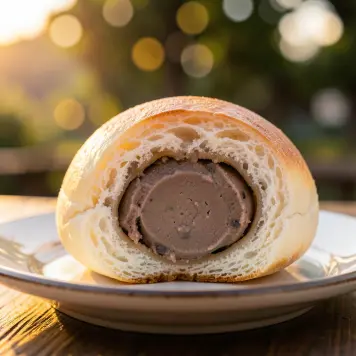
Anago Manju
A twist on the classic momiji manju, this version wraps sweet bean paste in a fluffy steamed bun rather than a grilled cake. It offers a softer, moister texture that contrasts with the crisp exterior of its baked cousin.
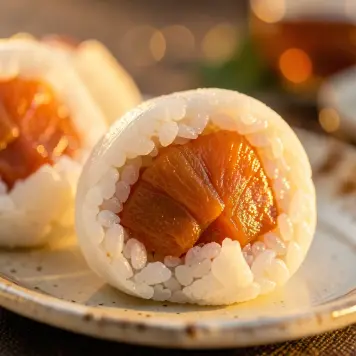
Kaki (Persimmon) Daifuku
These soft mochi rice cakes are filled with sweetened persimmon fruit, a seasonal treat on the island. The natural sweetness of the persimmon pairs beautifully with the chewy, pillowy rice exterior.
Tradiciniai sūrūs patiekalai
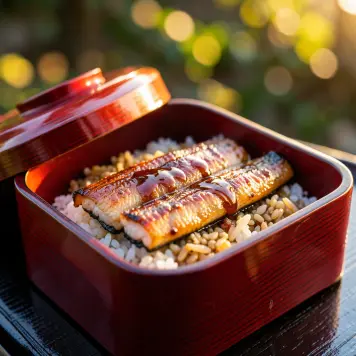
Anago Meshi
This iconic dish features broiled conger eel served over seasoned rice in a lidded lacquer box. The eel is glazed with a sweet soy based sauce and is considered the definitive gourmet meal of Itsukushima.
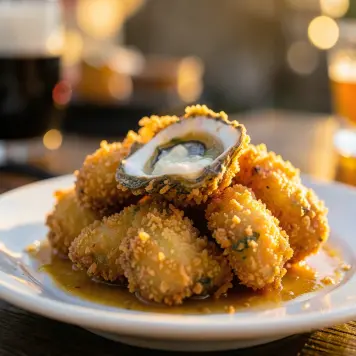
Kaki (Oyster) Fry
Itsukushima's famous Hiroshima oysters are breaded and deep fried until golden and crispy. The island's oysters are prized for their plump, creamy texture, and the frying method highlights their briny sweetness.
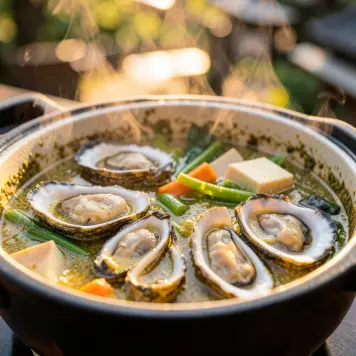
Kaki no Dotenabe
This hearty hot pot is lined with miso paste along the inside of the pot before being filled with oysters, tofu, and vegetables. As it simmers, the miso slowly melts into the broth, infusing the oysters with rich umami flavor.
Tradiciniai gėrimai
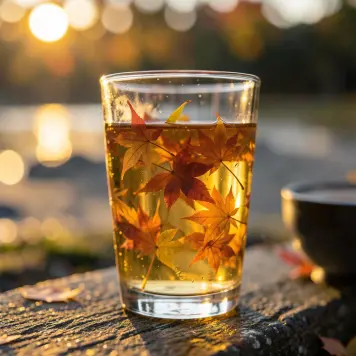
Momiji Sake
This local sake is infused with maple leaves from the island, giving it a subtle woodsy aroma and a gentle amber tint. It is a beloved souvenir that captures the essence of Itsukushima's autumn scenery in every sip.
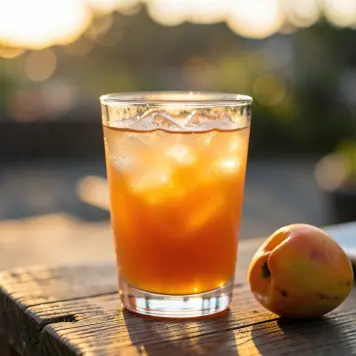
Kaki (Persimmon) Juice
Made from locally grown persimmons, this sweet and slightly tangy juice is a refreshing island specialty. It offers a taste of the region's seasonal fruit harvest and is often enjoyed chilled on warm days.
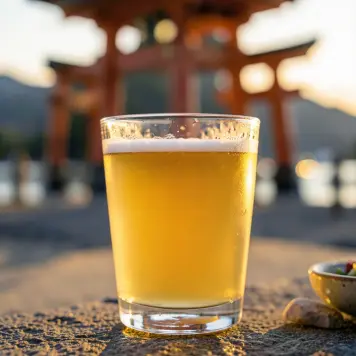
Ama no Sake (Sweet Sake)
This sweet, low alcohol sake is traditionally associated with Shinto rituals at Itsukushima Shrine's floating torii gate. It is a ceremonial beverage that visitors can enjoy while taking in the island's sacred atmosphere.
Frequently Asked Questions about Itsukushima, Japan
How many days should I spend in Itsukushima, Japan?
What is the best time to visit Itsukushima, Japan?
Is Itsukushima, Japan expensive?
How do I get around Itsukushima, Japan?
Is Itsukushima, Japan safe for tourists?
Gaukite PDF su populiariausiomis lankytinomis vietomis į savo el. paštą
Gaukite PDF su visomis lankytinomis vietomis, įvertinimais ir patarimais. Puikiai tinka naudoti neprisijungus.
Populiariausios dienos išvykos
Miyajima Ropeway and Mount Misen
Summit of Mount Misen with panoramic views of the Seto Inland Sea
Hiroshima City
Peace Memorial Park, Atomic Bomb Dome, and vibrant downtown dining
Hatsukaichi
Local town with traditional shops, temples, and the Itsukushima ferry port
Iwami Ginzan Silver Mine
UNESCO World Heritage silver mine with historic tunnels and walkways
Onomichi
Scenic temple walk city on the coast, gateway to Shimanami Kaido
Kaip nuvykti
Geležinkelio stotys
JR Sanyo Main Line, connected to Hiroshima and Osaka
Sanyo Shinkansen, JR Sanyo Main Line
From Miyajimaguchi Station, take the 10 minute JR ferry or Matsudai ferry across to Miyajima Pier. From Hiroshima Airport, take the airport limousine bus to Hiroshima Station then train to Miyajimaguchi.
Raskite skrydžius į Itsukushima, Japan
Spustelėkite, kad gautumėte eSIM Itsukushima, Japan
Lengviausias ir prieinamiausias būdas gauti mobilųjį internetą bet kur keliaujant.
Komentarai (5)
Checked the tide tables before going which is the smartest move. Arrived for high tide so the shrine looked like it was floating, then came back after dark for the light up. Two totally different vibes.
Spent one night on the island and honestly wish I'd done two. Morning was foggy and gorgeous, by noon the crowds got intense. The floating torii at sunset with the tide in though, absolute magic.
Food was solid but pricey near the pier. Walked maybe 10 minutes into the town and found a tiny okonomiyaki place half the price, old lady running it alone, best meal of my whole trip.
Rained the whole day we were there and honestly it kinda ruined it. The deer were still cute and the shrine was still impressive but everything felt damp and gray. If you can pick your dates, aim for a clear day.
Drove from Hiroshima on the JR and the ferry is included with the rail pass, so that's basically free. Buy the round trip, save yourself the line at the ticket machine, and go early, before 9am the place is nearly empty.