 CityBuddy
 Lietuvių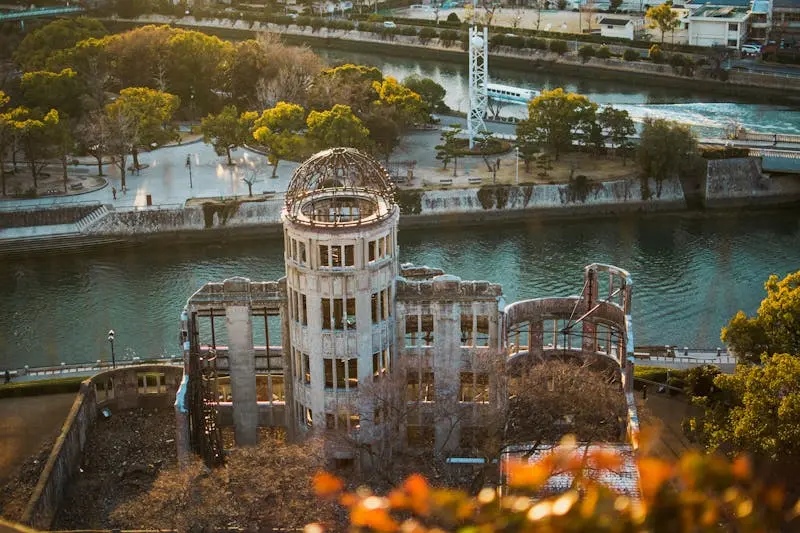
Ką veikti Hiroshima, Japan
Nuotrauką padarė Hoi Wai Pexels.com
Kada lankytis
Hiroshima yra #12 saugiausias miestas pasaulyje, remiantis mūsų duomenimis iš šimtų kelionės tikslų.
Populiariausios lankytinos vietos Hiroshima, Japan
Dalykai, kuriuos verta nuveikti Hirošimoje, Japonijoje, apima apsilankymą Atominės bombos kupole - jaudinančiame priminime, esančiame vos už 2 km nuo miesto centro. Aplankykite Hirošimos taikos memorialinį muziejų, kad gautumėte galingą istorijos pamoką. Pasivaikščiokite po Taikos memorialinį parką - ramią 120 000 kvadratinių metrų erdvę, pagerbiančią atsparumą ir viltį.
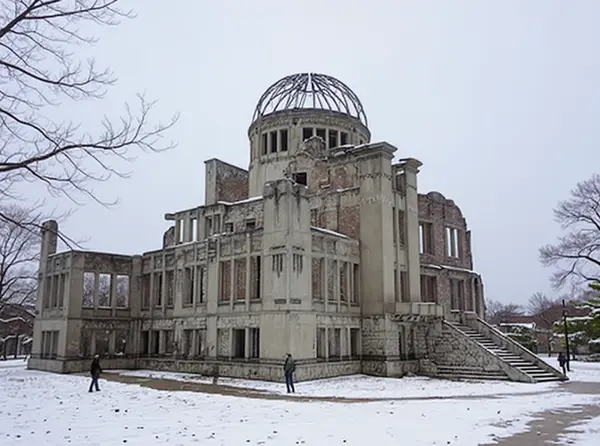
1. Atomic Bomb Dome
Galingas memorialas, menantis karo siaubą ir žmonių atsparumą. Pasivaikščiokite tarp išlikusių griuvėsių, skaitykite lenteles ir pajuskite iškilmingą atmosferą.
Greiti faktai: Skeleto pavidalo griuvėsiai vainikuoja upės pakrantės parką, atvira mūrinė siena ir susisukęs plienas danguje sukuria keistą, tylų siluetą. Lankytojai dažnai sustoja tylėdami, kai saulės šviesa skverbiasi pro suskilusius langus, o balandžiai tupi tarp geležinių konstrukcijų, siūlydami stebėtinai ramų kontrastą sunkiai vietos praeičiai.
Akcentai: Netoliese tradicija sutraukia tarptautinius moksleivius, kurie kasmet sulanksto daugiau nei 50 000 popierinių gervių, daugelis jų su užrašytais vardais ir trumpomis maldomis, kurios plazda vėjyje. Šilta oranžinė šviesa liejasi pro sudaužytus langus, paversdama suskilusį stiklą mažyčiais veidrodžiais, o tykus upės šniokštimas ir tolimesni žingsniai suteikia vietai keisto gyvumo.
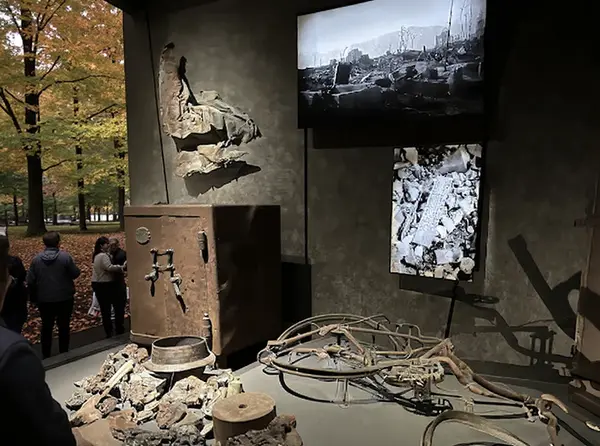
2. Hiroshima Peace Memorial Museum
Galingas muziejus, dokumentuojantis 1945-ųjų atominį bombardavimą ir skatinantis taiką. Pamatykite autentiškus eksponatus, išgyvenusiųjų liudijimus ir kruopščiai parengtas ekspozicijas.
Greiti faktai: Ekspozicijų viduje asmeniniai daiktai, tokie kaip apdegę drabužiai, iškreiptas dviračio ratas ir išsilydęs laikrodis, sustojęs 8:15, aštriai atskleidžia sprogimo žmogiškąjį mastą. Garsiniai gidai ir liudininkų pasakojimai siūlomi keliomis kalbomis, o daugelis lankytojų pastebi tylos pojūtį salėse, dėl kurio įprasti miesto garsai vėliau atrodo stebėtinai artimi.
Akcentai: Ekspozicijoje pagerbiama Sadako Sasaki su išsaugota 1000 origami gervių virvele, o mokyklų grupės ir lankytojai palieka dar dešimtis tūkstančių lauke, surištų į spalvingas ryšulėlius, kurie kaupiasi kaip konfeti. Užuodę lengvą smilkalų kvapą ir matydami, kaip blizgus popierius gaudo šviesą, galite ant kai kurių gervių įskaityti mažyčius ranka rašytus vardus ir datas - tai apčiuopiamas, nuolatinis atsakas į žmogiškas istorijas, slypinčias už eksponatų.
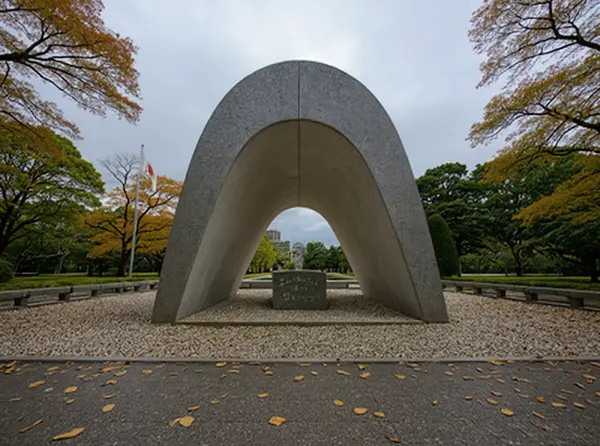
3. Peace Memorial Park
Galingas memorialas po atviru dangumi, pasakojantis Hirosimos istoriją ir atsparumą. Eikite ramiais takais, pamatykite Atominės bombos kupolą, kenotafą ir įtraukiančias muziejaus ekspozicijas.
Greiti faktai: Skeleto pavidalo kupoliniai griuvėsiai kyla tarp ginkmedžių, išlikę kaip ryškus, tylus sprogimo siluetas. Lankytojai vaikšto medžiais apsodintais takais pro lenktą akmeninį kenotafą ir upę, pastebėdami dešimtis statulų ir liepsną, kurią simboliškai palaiko kaip įsipareigojimą prieš branduolinį ginklą.
Akcentai: Bronzinė mergaitės statula apvyniota spalvingomis origami gervėmis, susijusiomis su Sadako Sasaki istorija - ji siekė sulankstyti 1000 popierinių gervių, tikėdamasi pasveikti. Aplink ramią liepsną girdisi lengvas šnypštimas ir jaučiamas alyvos kvapas - sensorinės detalės, dėl kurių pažadas panaikinti branduolinius ginklus atrodo netikėtai aktualus, o rūpestingai supakuotos gervės vis dar atkeliauja iš daugiau nei 100 šalių.
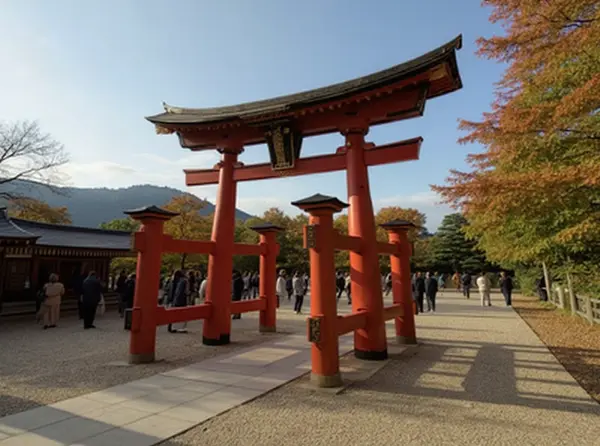
4. Itsukushima Shrine
Vermilioniška torii, kylanti iš jūros, įrėmina nepamirštamus pakrantės vaizdus. Pasivaikščiokite šventovės takais besikeičiančių potvynių metu ir stebėkite prisijaukintus elnius, klajojančius po salą.
Greiti faktai: Ryškus cinoberio torii tarsi plūduriuoja įlankoje potvynio metu, sukurdamas tobulai įrėmintą atspindį, kurį auštant medžioja fotografai. Minios išauga per vyšnių žiedų ir rudens spalvų sezonus, kai žmonės pečiais liesdami vienas kitą stovi palei krantą, kad užfiksuotų veidrodinį vartų siluetą.
Akcentai: 16,6 metro aukščio torii tarsi kybo pakilus potvyniui, o atoslūgio metu galite eiti per šlapią smėlį ir stovėti po jo išraižytais stulpais, kol virš galvos sukiojasi kirai. Vietiniai gyventojai vis dar mini Kangen-sai festivalį, paleisdami dešimtis lakuotų valčių, o muzikantai šilkiniais apdarais groja senovinę rūmų muziką fakelų šviesoje, garsui sklindant per vandenį.
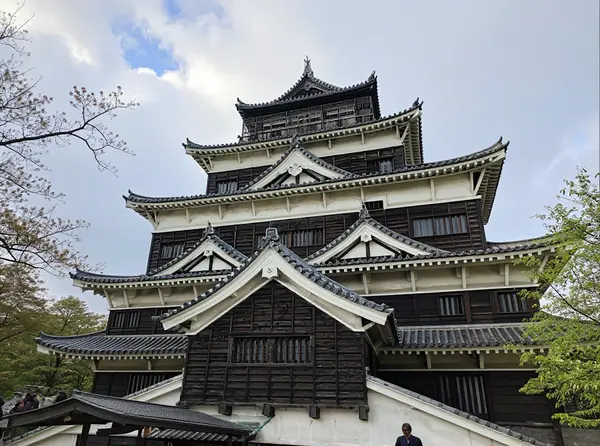
5. Hiroshima Castle
Ženkite į samurajų epochos istoriją Hirosimos pilyje. Užkopkite į atstatytą donžoną, kad pamatytumėte muziejaus eksponatus ir plačius miesto vaizdus.
Greiti faktai: Pažvelkite aukštyn ir pamatysite paauksuotus šachihoko ornamentus, žybsinčius palei stogo liniją - mažytes skulptūras, skirtas apsisaugoti nuo gaisro. Penkių aukštų pagrindinis bokštas talpina samurajų šarvų ir istorinių žemėlapių ekspozicijas, o griovys ir rekonstruoti bokšteliai sukuria stebėtinai fotogenišką pasivaikščiojimą.
Akcentai: Užkopkite į penktojo aukšto apžvalgos aikštelę, iš kurios atsiveria 360 laipsnių miesto panorama, o ypač giedromis dienomis galite įžiūrėti Miyajimos torii už maždaug 20 kilometrų įlankoje. Šalia įėjimo kabanti šiurpinanti 1945 metų nuotrauka fiksuoja tik akmeninį pagrindą po rugpjūčio 6-osios sprogimo, o šis kontrastas suteikia muziejuje saugomiems samurajų šarvams ir popieriniams žemėlapiams netikėtai intymų, žmogišką mastą.
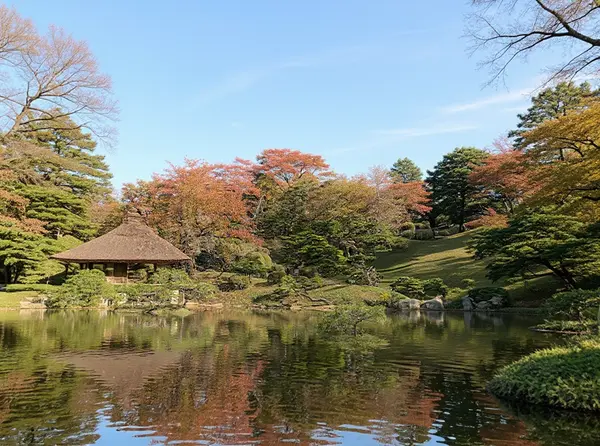
6. Shukkeien Garden
Ramus klasikinis japonų sodas Hirosimos centre su miniatiūriniais kraštovaizdžiais, arbatos nameliais ir atspindinčiais tvenkiniais. Pasivaikščiokite vingiuotais takais, fotografuokite vyšnių žiedus pavasarį ir klevus rudenį.
Greiti faktai: Tylūs takeliai vingiuoja per miniatiūrinius kraštovaizdžius, kur akmeniniai žibintai žvilgčioja iš samanotų krantų, o klevai paryškina kiekvieną vaizdą. Sezoniniai vaizdai svyruoja nuo blyškių vyšnių žiedų iki ugningų klevų, o karpiai slysta po mediniais tilteliais, kurie vandenyje sulenkia atspindžius į gyvus tušo potėpius.
Akcentai: Praskverbkite pro žemus vartelius, ir sodas susitraukia į gyvą dioramą, kur vienas centrinis tvenkinys įrėmina miniatiūrines salas, mažyčius tiltelius ir tokį tikslų genėjimą, kad kiekviena kalva atrodo kaip teptuko potėpis. Ankstyvą rytą rūkui kylant, ore jaučiamas šlapio akmens ir žaliosios arbatos kvapas, o pritūpę arti girdite švelnų karpio uodegų pliaukštelėjimą, žibintams raibuliuojant vandenyje.
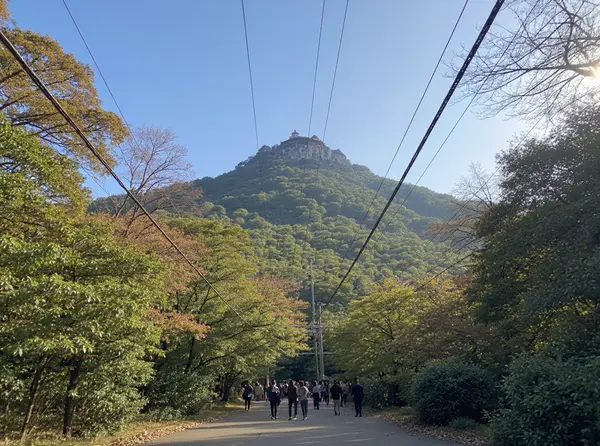
7. Mount Misen
Įspūdingi pakrantės vaizdai ir senoviniai kedrų miškai ant šventosios Mijadžimos viršūnės. Žygiuokite arba važiuokite keltuvu iki šventyklų, amžinosios liepsnos ir plačių Vidinės Japonijos jūros vaizdų.
Greiti faktai: Įsikūrusi tarp senų kedrų, viršūnė apdovanoja žygio dalyvius 360 laipsnių panorama su daugybe mažyčių salų ir juostelių primenančiais vandens keliais. Status takai vingiuoja maždaug 535 metrus, o smalsios laukinės makakos kartais stebi iš pavėsingų uolų, kol pušimis kvepiantis vėjelis neša lengvą sūrumo atspalvį.
Akcentai: Mažytė kalno viršūnės salė saugo „amžinąją liepsną“, kurią tradicija priskiria vienuoliui Kūkai 806 metais, o tos ugnies kibirkštis 1964 metais buvo panaudota uždegti taikos memorialo liepsną. Prigludę arti, galite pajusti šiltą orą ir smilkalų kvapą, kai bronziniai dūmai vinguriuoja aplink nudėvėtas medines statulas, kurių piligrimai vis dar paliečia laimei.
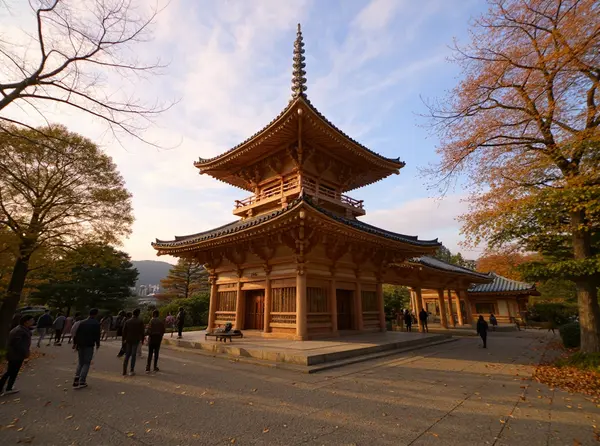
8. Hiroshima Orizuru Tower
Panoraminiai Hirosimos vaizdai ir interaktyvi popierinių gervių patirtis. Sulenkite savo Orizuru vietoje, eikite ant stogo terasos ir iš viršaus apžiūrėkite Taikos memorialinį parką.
Greiti faktai: Apžvalgos aikštelė įsikūrusi aukštai virš miesto, siūlydama plačias panoramas, kuriose šiuolaikinis stiklas susitinka su niūriu kupolinio griuvėsio siluetu kitoje upės pusėje. Lankytojai gali sulankstyti popierinę gervę ir pridėti ją prie bendros instaliacijos - tai ritualas, kasmet pripildantis sienas tūkstančių spalvingų origami kūrinių.
Akcentai: Ženkite ant stogo terasos, ir vėjas atneša tolimą metalo kvapą iš upės, o kiekvienas kampas įrėmina sugriuvusį kupolą tarsi laike sustingusią nuotrauką. Vietiniai darbuotojai renka lankytojų sulankstytas gerves į ryšulius maždaug po 1000 vienetų mėnesinėms ekspozicijoms arba aukoms - ši praktika pavienius popierinius impulsus paverčia ilgomis spalvų ir ranka rašytų linkėjimų virvelėmis.
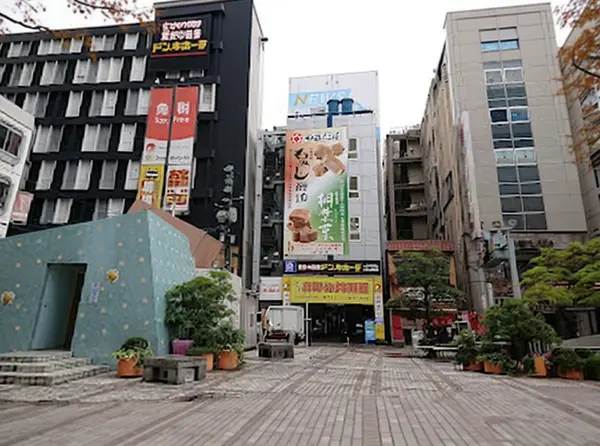
9. Okonomimura
Gyvas autentiško Hirosimos stiliaus okonomiyaki centras su gyvais valgymo stalais. Ragaukite įvairių stalelių variantus stebėdami, kaip šefai kepa ant teppano.
Greiti faktai: Kompaktiškame pastate keliuose aukštuose slūpso daugiau nei 25 mažyčiai prekystaliai su virtuvėlėmis, kiekvienas siūlydamas savą versiją sluoksniuoto pikantiško blyno. Karštos geležinės keptuvės barška su kopūstais, makaronais, tešla ir kiauliena, o orą užpildo saldžiai sūrus padažas ir majonezas, šefams vieną po kito apverčiant užsakymus.
Akcentai: Vienas prekystalis įprastai viename užsakyme sluoksniuoja iki penkių blynų, kiekvienas apvertimas į kambarį išleidžia garų, sezamų aromato ir dūminės anglies kvapą. Nuolatiniai lankytojai ant bendros lentos užrašo mėgstamiausius derinius, išvardindami dvigubą padažą, majonezo spiralę ir papildomus makaronus, o jūs galite parodyti į užrašytą pavadinimą, pavyzdžiui, „Mamos ypatingas“, ir gauti šefo firminį patiekalą.
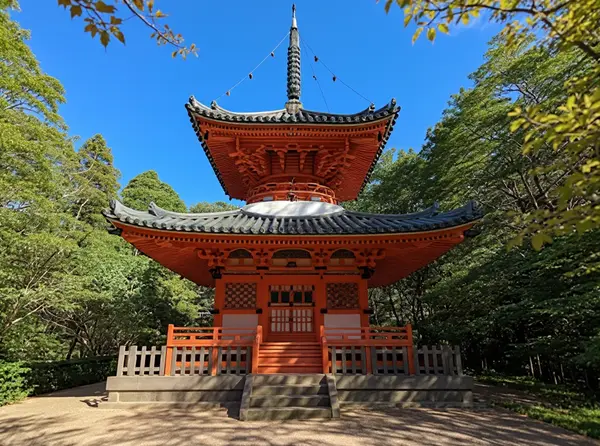
10. Mitaki-dera
Rami šventykla, įsikūrusi samanotame slėnyje, puikiai tinkanti rudens spalvoms ir tyliam apmąstymui. Eikite pavėsyje takais, klausykitės krioklių šniokštimo ir fotografuokite akmeninius Džizo bei trijų aukštų pagodą.
Greiti faktai: Saugomi senų kedrų ir klevų, teritoriją kerta trys putojantys kriokliai, kurie miesto triukšmą paverčia švelniu šniokštimu. Lankytojai klaidžioja samanotais takais pro apdūlėjusius akmeninius žibintus ir sezoninius žiedus, rasdami ryškius hortenzijas vasarą ir ugningus klevus rudenį.
Akcentai: Samanomis klotas takas nuveda jus per atstumą nuo pagrindinės kaskados, kur vėsus rūkas, lašantys akmenys ir žemas šventyklos varpų skambėjimas susilieja į stebėtinai intymią atmosferą. Sutemus, maži gintariniai žvakių indeliai, įstatyti į akmeninius žibintus, meta drebantį šviesą ant iškaltų Budų, o kai kurie vyresni žmonės tyliai įmeta vieną monetą į aukų dėžutę, žvakių šviesai telkšant ant šlapio granito.
Where to Stay in Hiroshima, Japan
Selected by City Buddy based on guest reviews and proximity to top attractions
Search all hotels in Hiroshima, JapanPowered by agoda
Darbo dienos mieste Hiroshima, Japan
Kurie iš pagrindinių lankytinų vietų uždaromos kurią savaitės dieną , klasikinis kelionės griovėjas, patikrintas už jus.
Geros žinios: visos 8 pagrindinės lankytinos vietos su žinomu darbo laiku atviros kiekvieną savaitės dieną.
Uždaryta pirmadienis · uždaryta: 0, atvira: 8
pirmadienis niekas neuždaroma , visos 8 lankytinos vietos su žinomu darbo laiku atviros.
Darbo dienos pagal Google Maps (tikrinta 2026-02-24). Valstybinių švenčių, streikų ir sezoninis darbo laikas gali skirtis , prieš vykdami patikrinkite oficialią svetainę.
Tradiciniai saldūs patiekalai
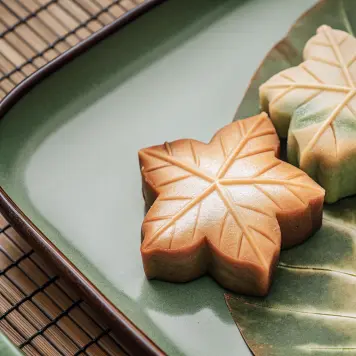
Momiji Manju
A maple-leaf-shaped cake filled with sweet red bean paste, Momiji Manju originated on Miyajima and became the region's most iconic souvenir sweet.
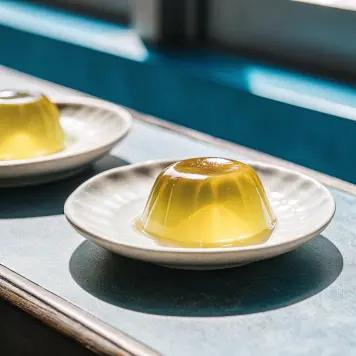
Hassaku Jelly
Made from hassaku, a tart citrus grown around Hiroshima, these jellies and candies capture the bright, tangy flavor local orchards are famous for.
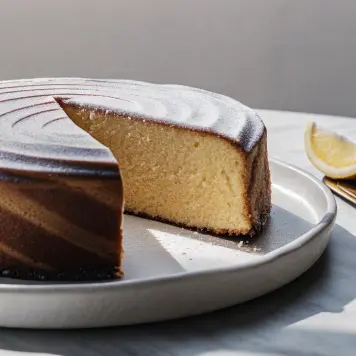
Setouchi Lemon Cake
Using lemons grown on islands in the Seto Inland Sea, these light lemon cakes showcase Hiroshima's reputation for citrus and pair beautifully with tea.
Tradiciniai sūrūs patiekalai
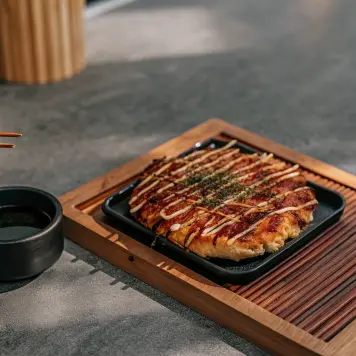
Hiroshima-style Okonomiyaki
The Hiroshima-style pancake is layered with batter, large amounts of cabbage, pork, and often soba or udon noodles, distinguishing it from the Osaka version and making it a beloved local comfort food.
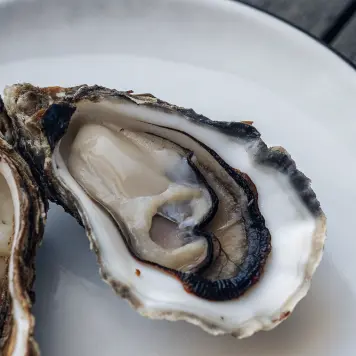
Kaki (Hiroshima Oysters)
Hiroshima produces around half of Japan's oysters, and locals enjoy them fresh, grilled, deep-fried, or simmered in nabe during the winter season.
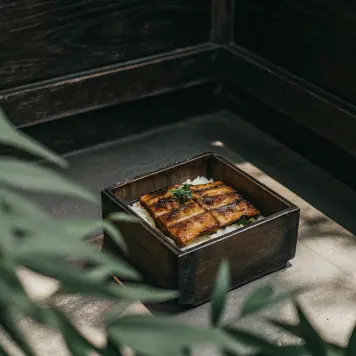
Anago Meshi
A specialty of Miyajima, anago meshi features grilled conger eel glazed with a sweet soy sauce over rice, commonly sold as a local bento and souvenir.
Tradiciniai gėrimai

Saijo Sake
The Saijo area in Higashihiroshima is famous for its century-old breweries and mellow, well-balanced sake, making it one of Japan's most respected sake regions.

Setouchi Lemon Chu-hai
A refreshing highball made with local Setouchi lemons and shochu, lemon chu-hai highlights Hiroshima's citrus produce and is popular in summer festivals and izakayas.
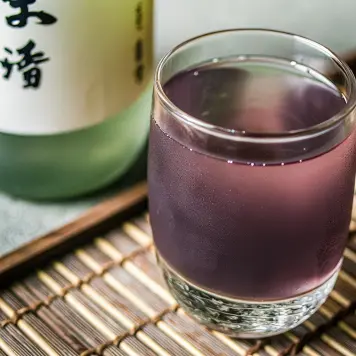
Umeshu (Plum Wine)
Homemade and locally produced umeshu are common in Hiroshima, offering a sweet, fruity liqueur traditionally served on the rocks or with soda.
Sužinok prieš išvykdamas
Kiek kainuoja diena Hiroshima ir kokių sukčių vengti
Išlaidos vienam asmeniui per dieną
Dažnai užduodami klausimai apie Hiroshima, Japan
Koks geriausias laikas aplankyti Hirošimą, Japonijoje?
Ar Hirošima, Japonija, yra saugi keliautojams?
Kiek brangu gyventi ar apsistoti Hirošimoje, Japonijoje?
Kaip judėti po Hirošimą, Japonijoje?
Ar čiaupo vandenį saugu gerti Hirošimoje?
Gaukite PDF su populiariausiomis lankytinomis vietomis į savo el. paštą
Gaukite PDF su visomis lankytinomis vietomis, įvertinimais ir patarimais. Puikiai tinka naudoti neprisijungus.
Populiariausios dienos išvykos
Miyajima (Itsukushima)
Famous floating torii, shrine, island hikes and views.
Iwakuni (Kintaikyo Bridge)
Historic wooden bridge, castle, and riverside scenery.
Onomichi
Canal-side town, temple walks, gateway to Shimanami Kaido.
Kurashiki (Bikan Quarter)
Preserved merchant district, canals, art museums.
Himeji
Iconic UNESCO castle, well preserved feudal architecture.
Kaip nuvykti
Oro uostai
Geležinkelio stotys
Sanyo Shinkansen, JR Sanyo Line, local lines and trams
Sanyo Shinkansen, JR Sanyo Line
JR Sanyo Line, ferry access to Miyajima
From Hiroshima Airport take the airport limousine bus to Hiroshima Station, about 45 minutes.
Naudinga informacija apie Hiroshima, Japan
Apžvalga apie Hiroshima, Japan
Norite dienos plano Hiroshima, Japan? Atidarykite kelionės planuoklį
Kada keliaujate į Hiroshima, Japan?
Pasirinkite datas ir kelionės stilių, kad gautumėte:
Ar kas nors iš šių jums ypač svarbu?
Pažymėkite visus, kurie tinka
Judėjimas mieste
Kaip norite keliauti tarp vietų?
Plano kalba: Lietuvių