 CityBuddy
 Norsk Bokmål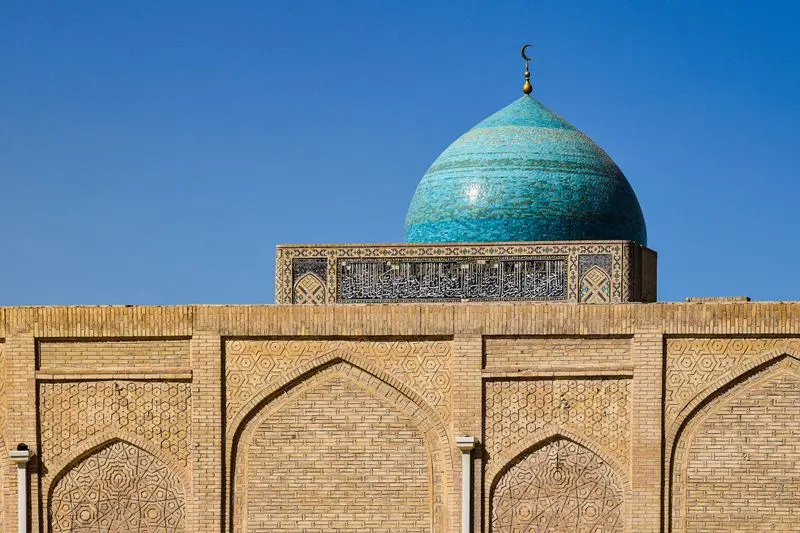
Ting å gjøre i Bukhara, Uzbekistan
Foto tatt av AXP Photography på Pexels.com
Når bør du besøke
Mest populære attraksjoner i Bukhara, Uzbekistan
Når de fleste reisende hører uttrykket «things to do in Bukhara, Uzbekistan», tenker de på Po-i-Kalyan-kompleksets 47 meter høye minaret, Ark of Bukharas 20 hektar store festning og det samanidiske mausoleet fra 800-tallet. Mausoleet, oppført i 795, er Sentral-Asias eldste islamske teglgrav. Det er verdt å tilbringe minst to dager i byen.
1. Po-i-Kalyan Complex
Her kan du se en av Sentral-Asias eldste minareter, bevart i sin opprinnelige form. Gå en tur i gårdsrommet dekket av koboltblå fliser, og kjenn århundrenes tyngde rundt deg.
Raske fakta: Djengis Khan fant den 46 meter høye minareten så imponerende at han sparte den fra ødeleggelse. Komplekset som består av tre bygninger har preget Bukharas bybilde i mer enn 800 år.
Høydepunkter: Fra toppen av minareten kunne muezzinens stemme høres opptil 10 kilometer unna i ørkenstillheten. Tårnets teglmønster viser frem 14 forskjellige geometriske dekorasjoner, som hver for seg åpenbarer seg fra forskjellige vinkler.
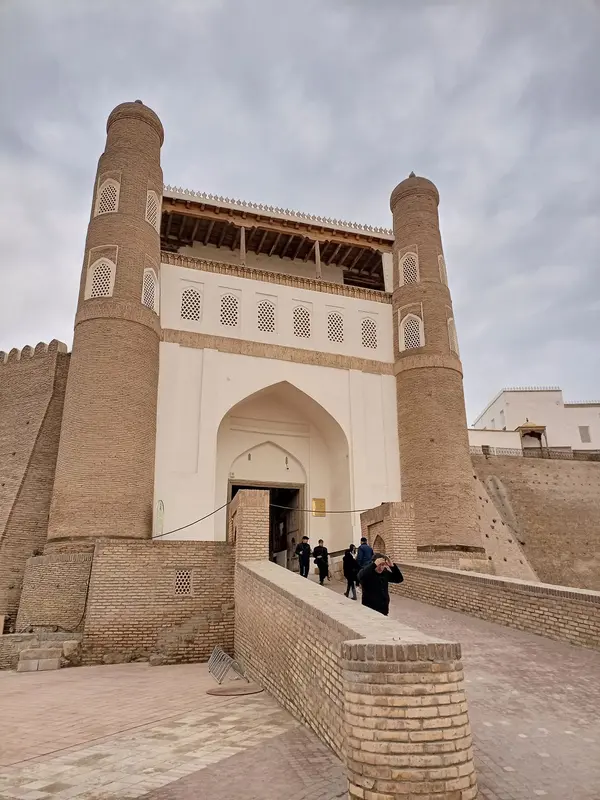
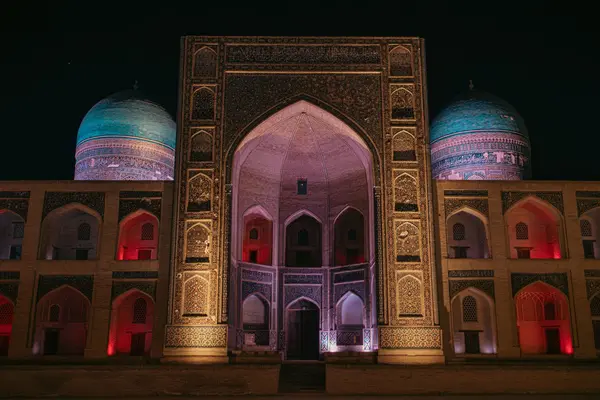
2. Ark of Bukhara
Her kan du oppleve hvordan det var å leve ved en sentralasiatisk emirs hoff. Mellom de gule teglsteinsveggene våkner fortiden til live ved hvert skritt.
Raske fakta: Den 3 hektar store festningens murer strekker seg 20 meter opp i høyden. Herskerboligen rommet flere hundre rom, fra skattkammeret til torturkammeret.
Høydepunkter: Under den enorme rampen som fører til inngangen, raslet en gang fangenes lenker, som ble kastet under hovene til hester som vandret over hodet på dem. Tron Salens tak var dekket med gullplater, og teppene kom fra alle rikets kanter.
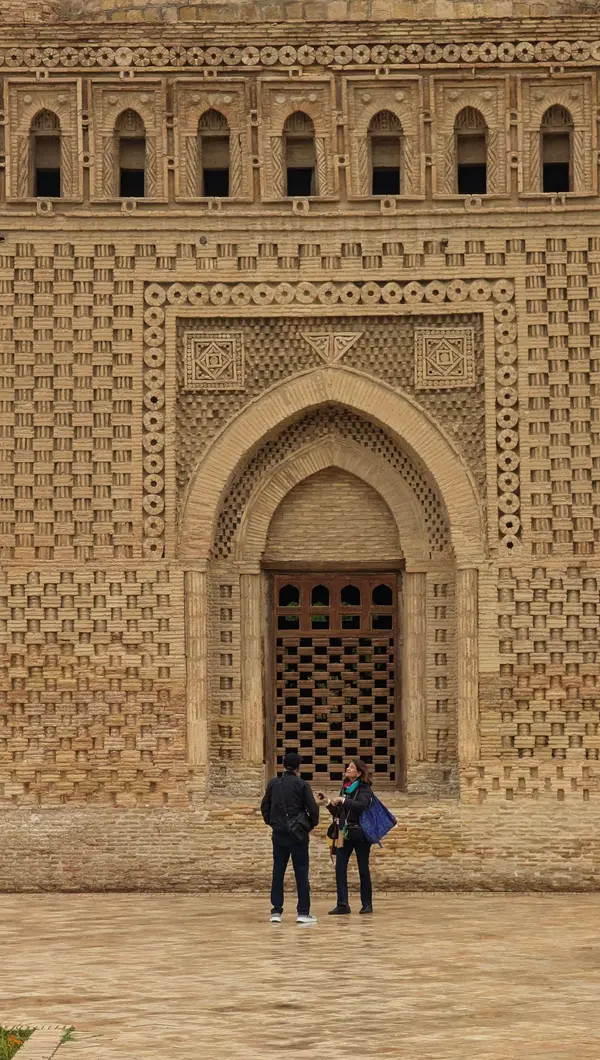
3. Samanid Mausoleum
En av de eldste juvelene i islamsk arkitektur, hvor teglsteinene nærmest er vevet sammen som stoff. Gå inn og la formene og skyggene fortrylle deg.
Raske fakta: Denne bygningen med stjernemønstret teglkledning er et av den islamske verdens eldste bevarte gravmonumenter, og et høydepunkt i sentralasiatisk teglkunst. Bygningen har rektangulær grunnplan og kuppel, og veggene er både utvendig og innvendig laget av fint utskårne teglstein som ser ut til å bevege seg etter hvert som lyset endrer seg.
Høydepunkter: Bygningens vegger er lagt med totalt mer enn 40 ulike teglmønstre, og blant dem finnes det noen som bare kan oppdages helt tett på med hjelp av en stige. Når man står inne i kuppelen, slipper de små sprekkene i teglsteinene inn sollyset slik at rommet viser et nytt ansikt hvert eneste øyeblikk.
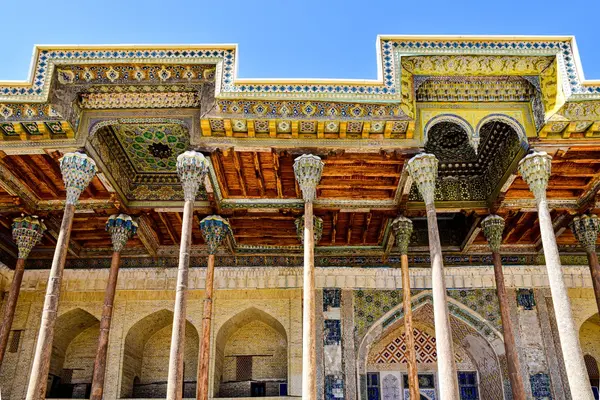
4. Bolo Haouz Mosque
Der skogen av trestolper møter det speilende vannet: her ba en gang emiren av Bukhara. Sett deg ved vannkanten, og se hvordan solnedgangen kler de utskårne søylene i gull.
Raske fakta: Tjue vakkert utskårne trestolper bærer takkonstruksjonen til verandaen foran moskeen, hver dekorert med unike motiver. Dammen foran, hauz, har i århundrer avkjølt luften og reflektert moskeens imponerende fasade.
Høydepunkter: Det var stedet for emirenes fredagsbønner, hvor herskerne og deres følge satt mellom de enorme trestolpene. Verandataket er dekket av omhyggelig utformede geometriske mønstre og livlige farger, som generasjoner av sentralasiatiske håndverkere har perfeksjonert.
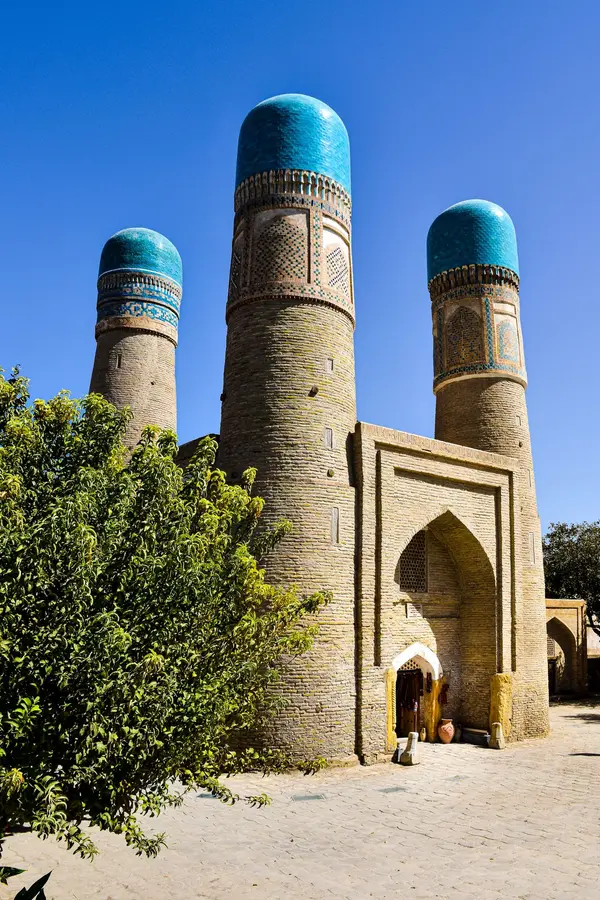
5. Chor Minor
Hemmeligheten bak de fire tårnene er at ingen av dem er like, og hver og en forteller sin egen historie. Gå rundt i det stille gårdsrommet, se på håndverksvarene, og oppdag de skjulte symbolene.
Raske fakta: De fire tårnene med blå kupler fikk hvert sitt dekor, ingen er like. Bygningen var faktisk inngangsporten til en tidligere madrasa, selve skolebygningen forsvant for lengst.
Høydepunkter: Hvis du ser på tårnene på nært hold, legger du merke til at hvert av dem er laget med forskjellige geometriske mønstre og flismaling, som om byggherren hadde brukt fire forskjellige håndverkere. Ifølge lokalbefolkningen symboliserer hvert tårn én religion fra verdens fire verdenshjørner, selv om det ikke finnes skriftlige bevis for dette.
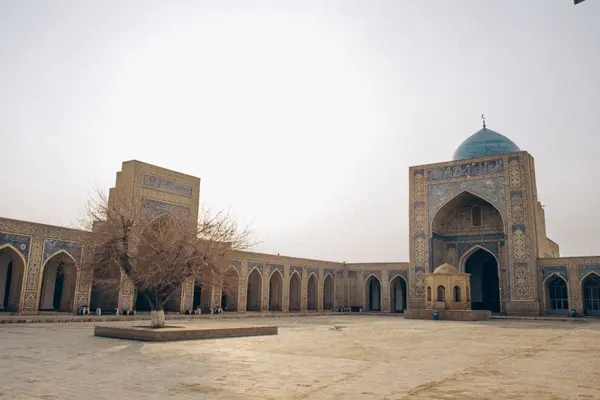
6. Magok-i-Attari Mosque
Her kan du oppleve det mest spennende tverrsnittet av Bukharas religiøse lagdeling. Når du stryker over teglsteinsveggene som har sunket ned i jorden, kjennes sogdiske, zoroastriske, jødiske og muslimske tider samtidig under håndflatene dine.
Raske fakta: Bygningen fra 1100-tallet var en gang et zoroastrisk tempel, deretter en synagoge, før den ble en moské. Navnet betyr «gropens moské», ettersom inngangen ligger mer enn 4 meter under dagens gatenivå.
Høydepunkter: Teglmønsteret som pryder moskéens sørvestlige fasade, er så omhyggelig utført at det ikke er et eneste mørtellag å se mellom de 800 år gamle leirsteinene. I den 10 meter dype utgravningen under inngangen er det funnet hedenske fruktbarhetssymboler og et enormt storfe-skjelett på 4 meter, noe som vitner om bygningens flere tusen år gamle hellige fortid.
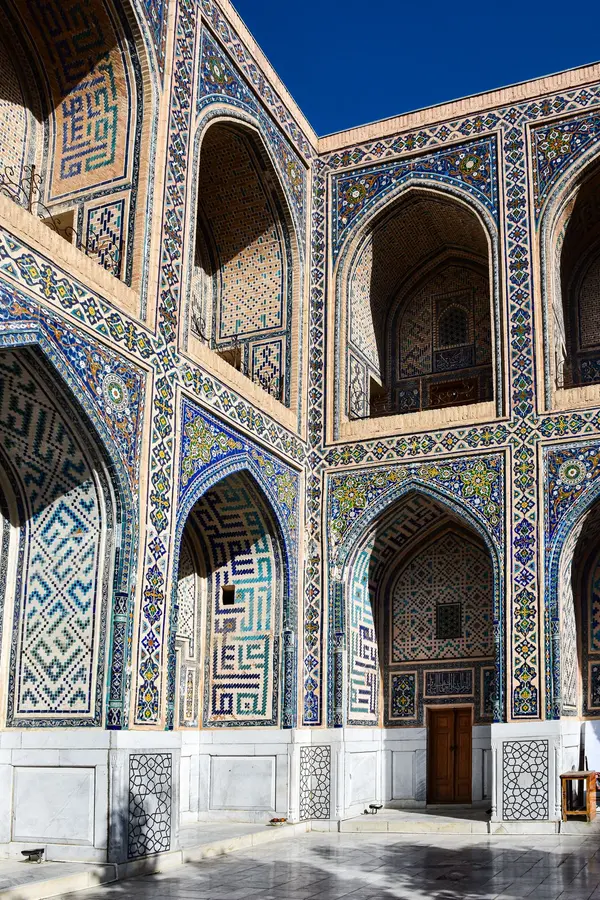
7. Ulugbek Madrasah
En medrese der byggherren, herskeren, underviste i astronomi på 1400-tallet. De blå flisenes geometriske spill og de stille slyngende stiene fører deg inn i middelalderens kunnskapsrike.
Raske fakta: Ulugbek, den berømte astronom-herskeren, lot oppføre denne madrasaen i 1417, som var et av datidens mest fremragende vitenskapelige sentre i Sentral-Asia. Stjernemønstrene som pryder inngangsbuen, gjenspeiler nøyaktig byggherrens lidenskap for astronomi, og står du under den 12 meter høye portbuen, føles det nesten som en tidsreise til Timuridrikets gullalder.
Høydepunkter: På madrasaens fasade kunngjorde en gang en innskrift som i dag er uleselig: «Det å søke kunnskap er enhver muslimsk manns og kvinnes plikt.» Ulugbek underviste personlig i astronomi og matematikk her, noe som var nesten uten sidestykke for en hersker i den tiden.
Where to Stay in Bukhara, Uzbekistan
Selected by City Buddy based on guest reviews and proximity to top attractions
Search all hotels in Bukhara, UzbekistanPowered by agoda
Åpningsdager i Bukhara, Uzbekistan
Hvilke av de beste severdighetene er stengt hvilken ukedag. Den klassiske reiseødeleggeren, sjekket for deg.
onsdag: 1 av 6 toppseverdigheter er stengt. Planlegg museumsbesøk en annen dag.
Stengt på onsdag · 1 stengt, 5 åpne
Åpningsdager fra Google Maps (sjekket 2026-06-27). Helligdager, streiker og sesongbaserte åpningstider kan variere. Sjekk den offisielle nettsiden før du drar.
Tradisjonelle søte retter
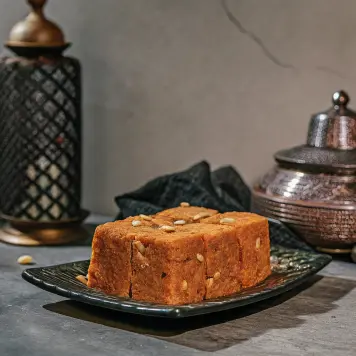
Bukhara Halva
Bukhara halva is a dense, crumbly confection made from sesame seeds, sugar syrup, and nuts. Artisans still prepare it using traditional copper cauldrons, stirring for hours to achieve its signature grainy texture.
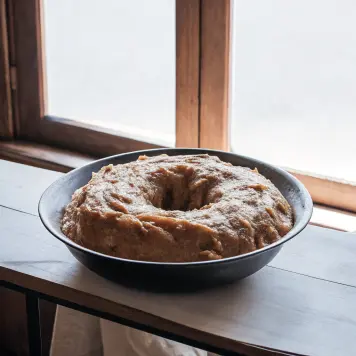
Sumalak
Sumalak is a sweet, thick wheat pudding made from germinated wheat that is cooked continuously for over 24 hours. It is traditionally prepared during the spring equinox (Nowruz) with women singing songs as they take turns stirring the large pot.

Nisholda
Nisholda is a fluffy, marshmallow-like sweet made from egg whites, sugar, and soaproot extract. It is a specialty of Bukhara and Samarkand, often served during winter months as it is believed to provide warmth and energy.
Tradisjonelle salte retter

Bukhara Plov (Palov)
Bukhara-style plov differs from other Uzbek plovs by using chickpeas, raisins, and sometimes quince, giving it a subtly sweet and savory balance. It is traditionally cooked in a kazan (cast iron cauldron) over an open flame and served on large communal plates called lagan.

Shashlik
Bukhara's shashlik features skewered chunks of marinated lamb or beef grilled over hot coals. The meat is often marinated with onions, vinegar, and spices for hours, and the best versions are cooked on skewers made from vineyard branches which add a subtle smoky flavor.
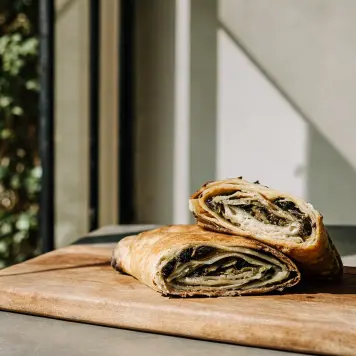
Samsa Bukharski
Bukhara-style samsa is a baked pastry filled with spiced lamb, fat-tail mutton, and onions, wrapped in flaky, layered dough. Unlike other versions, Bukharan samsa is traditionally baked in a tandoor oven (tanur), giving it a distinctive crispy crust and smoky aroma.
Tradisjonelle drikker

Ko'k Choy (Green Tea)
Green tea is the heart of Bukharan hospitality, served throughout the day in small bowls called piyola. Guests are always offered tea first, and the host pours a small amount back into the pot before serving to ensure the tea is perfectly mixed.

Ayran (Kefir)
Ayran is a refreshing, tangy yogurt-based drink made by diluting yogurt with cold water and a pinch of salt. In Bukhara's hot climate, it is a beloved thirst-quencher and is often served alongside plov to aid digestion.

Sharbat (Fruit Syrup Drink)
Bukhara's sharbat is a sweet, concentrated fruit syrup made from local fruits like pomegranates, mulberries, or apricots, diluted with cold water. This centuries-old beverage was once served to travelers along the Silk Road as a revitalizing tonic in the desert heat.
Visste du før du drar
Hva en dag koster i Bukhara, og svindlene du bør unngå
Kostnad per person per dag
Topp svindler du bør unngå
- Oppblåste drosjepriser fra flyplassen. Bruk Yandex Taxi eller Uklon fra den offisielle holdeplassen. Hvis du tar en vanlig drosje, avtal prisen før du går inn.
- Dårlig valutakurs ved veksling. Bruk banker eller lisensierte vekslingssteder med oppgitte kurser. Sammenlign den oppgitte kursen mot den offisielle kursen før du veksler.
- Meny uten priser. Be om prislisten før du bestiller. Bekreft om et servicegebyr er inkludert før du betaler.
Rettferdig taxi fra flyplassen: 30 000 UZS - 50 000 UZS (2,5 € - 4 €)
Billigere alternativ: Drosje med delt selskap eller marshrutka fra utenfor terminalen inn til det gamle byområdet (5 000 UZS)
Alle svindler, rettferdige priser og reglerOfte stilte spørsmål om Bukhara, Uzbekistan
Er det trygt i Bukhara, Usbekistan?
Hvor mange dager bør man tilbringe i Bukhara?
Når er den beste tiden å besøke Bukhara?
Er Bukhara, Usbekistan, dyrt?
Hvordan kan man komme seg rundt i Bukhara?
Få en PDF med de mest populære attraksjonene sendt til din e-post
Få en PDF med alle attraksjoner, vurderinger og tips. Perfekt for offline bruk.
Mest populære dagsturer
Samarkand
Ancient Silk Road city with Registan Square and stunning madrasas
Gijduvan
Crafts town known for pottery and ceramics workshops
Hvordan komme dit
Flyplasser
Togstasjoner
High-speed Afrosiyob to Tashkent and Samarkand; regular trains to Urgench, Nukus, and beyond
Take the Afrosiyob high-speed train from Tashkent (3.5h) or Samarkand (1.5h). From the airport, use Yandex Taxi app for a cheap ride to the old town.
Nyttig informasjon for Bukhara, Uzbekistan
Oversikt for Bukhara, Uzbekistan
Sammenlign Bukhara med andre reisemål
Priser, sikkerhet, vær og toppattraksjoner side om side, med en vurdering for enhver type reisende.
Vil du ha en dag-for-dag-plan for Bukhara, Uzbekistan? Åpne reiseplanleggeren
Når skal du til Bukhara, Uzbekistan?
Velg dine datoer og reise-stil for å få:
Er noen av disse spesielt viktige for deg?
Velg alle som gjelder
Komme seg rundt
Hvordan vil du bevege deg mellom stedene?
Planspråk: Norsk Bokmål