 CityBuddy
 Nederlands
Wat te doen in Nanjing, China
Foto gemaakt door Abderrahmane Habibi op Pexels.com
Wanneer te bezoeken
Meest populaire attracties in Nanjing, China
Op zoek naar de beste dingen om te doen in Nanjing, China? Begin bij het Mausoleum van Sun Yat-sen, hoog op de Paarse Berg met 392 granieten treden. Wandel over de Stadsmuur van Nanjing bij de Zhonghua Poort, een 600 jaar oud fort dat bijna 35 kilometer beslaat. Eindig bij de Confuciustempel (Fuzimiao), waar de Qinhuaigangers al eeuwenlang bezoekers trekken met lantaarnboten.
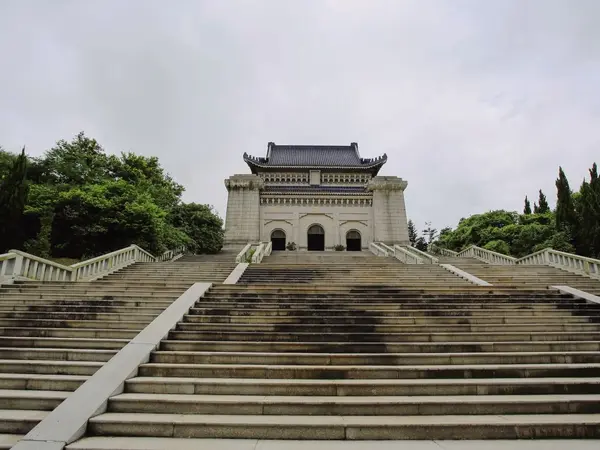
1. Sun Yat-sen Mausoleum
Een klim van 392 treden door torenhoge dennenbossen leidt naar een van de meest symbolische monumenten in de moderne Chinese geschiedenis. Boven wachten weidse uitzichten over de Purperberg en het klokvormige architectuurcomplex.
Korte feiten: Meer dan 3 miljoen bezoekers beklimmen elk jaar de 392 treden naar het mausoleum. Het hele complex is ontworpen in een enorme belvorm, die de oproep vertegenwoordigt om het Chinese volk te wekken.
Hoogtepunten: Het witte marmeren beeld van de man staat in een hal waar het plafond een prachtig 12-puntig blauw Kuomintang-luchtsymbool toont, perfect uitgelijnd met het vloerpatroon eronder. Kijk vanaf het bovenste platform terug door de boog en merk op hoe de hele trap uit het zicht verdwijnt, waardoor de illusie ontstaat dat je rechtstreeks de berg in loopt.
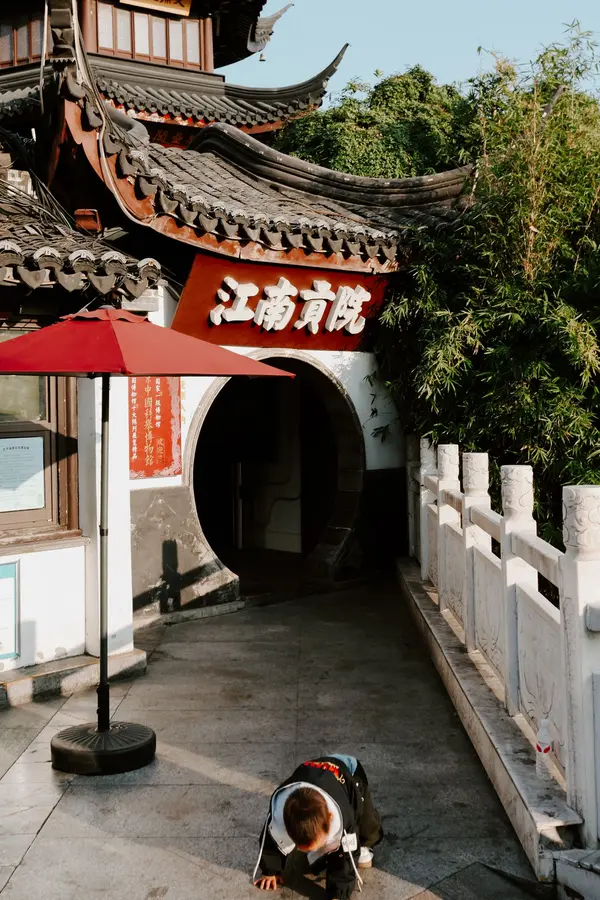
2. Confucius Temple (Fuzimiao)
Fuzimiao
Wandel door een duizend jaar oud tempelcomplex omringd door een levendige nachtmarkt en een grachtendistrict. Proef streetfood, snuffel rond in kalligrafiewinkels en kijk naar boten die onder maanbruggen over de Qinhuai-rivier glijden.
Korte feiten: Het Confuciustempelcomplex van Nanjing dateert uit 1034, hoewel de meeste gebouwen werden herbouwd nadat de Taipingopstand de stad in de jaren 1850 verwoestte. Het omliggende bazaargebied trekt jaarlijks meer dan 50 miljoen bezoekers, wat het een van de drukste voetgangerszones van China maakt.
Hoogtepunten: Stap de hoofdhal binnen en vind een van de grootste gebeeldhouwde stenen Confuciusbeelden van China, geflankeerd door oude muziekinstrumenten die nog steeds bespeeld worden tijdens traditionele ceremonies. 's Nachts creëert de weerspiegeling van duizenden rode lantaarns in de Qinhuai-rivier een spiegeleffect dat zo precies is dat je elke lantaarn zijn tweeling in het water kunt tellen.
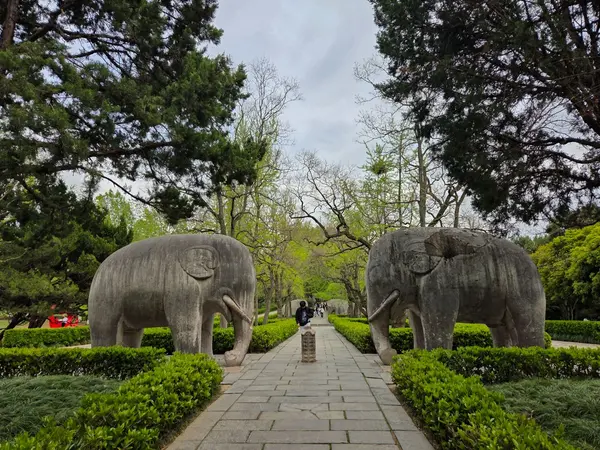
3. Ming Xiaoling Mausoleum
Verken de rustplaats van een stichtend keizer, waar eeuwenoude stenen bewakers al zes eeuwen de wacht houden. Wandel over een 1800 meter lange heilige weg met reusachtige beelden en beklim een toren met karmijnrode muren voor een weids uitzicht over het bos.
Korte feiten: Het mausoleumcomplex kostte meer dan 25 jaar en 100.000 arbeiders om te voltooien. De enorme stenen schildpad, die meer dan 80 ton weegt, is een van de grootste oude stenen sculpturen in China.
Hoogtepunten: Wandel over de Heilige Weg met 12 kolossale stenen dieren, elk uit een enkel granietblok gehouwen en al meer dan 600 jaar zwijgend opgesteld. De vierkante bakstenen "Zielentoren" rijst 33 meter hoog op, met zijn rode muren en gouden dak die scherp afsteken tegen het groene bladerdak van het bos.
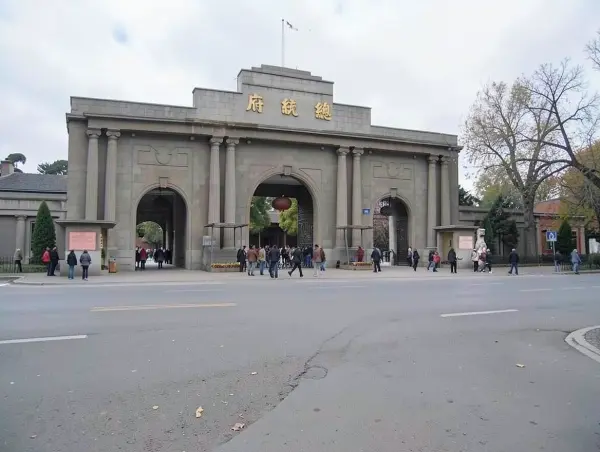
4. Presidential Palace of Nanjing
Wandel door de echte kantoren en binnenplaatsen waar de moderne geschiedenis van China werd geschreven door keizers, rebellen en presidenten. Sta in dezelfde ruimtes waar verdragen werden getekend en dynastieën ten val kwamen.
Korte feiten: Negen verschillende Chinese regeringen maakten dit uitgestrekte complex tot hun hoofdkwartier, van de Taiping-rebellen in de jaren 1850 tot aan de communistische overwinning in 1949. Het complex beslaat meer dan 120.000 vierkante meter en bevat meer dan 1.000 kamers verspreid over traditionele Chinese tuinen en Westerse administratieve gebouwen.
Hoogtepunten: Verscholen in het complex bevindt zich een rustige Westerse tuin en een vroege lift geïnstalleerd door de regering van Chiang Kai-shek, een van de eerste werkende liften in heel China in die tijd. Je kunt nog steeds in die originele lift stappen, met zijn koperen traliewerk en handmatige schuifdeur, een verrassend stukje technologie uit de jaren 1930 verborgen tussen oude paviljoens.
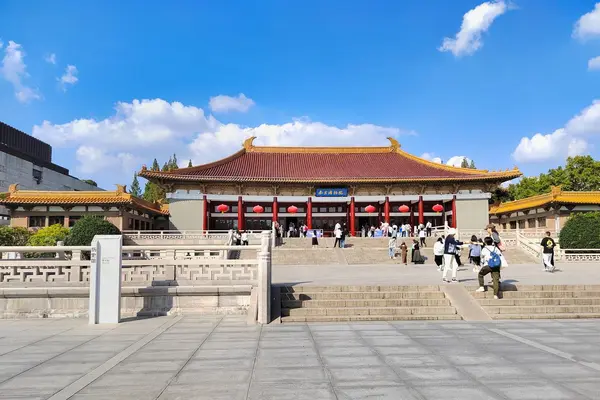
5. Nanjing Museum
Stap een museum binnen dat een van de grootste culturele schatkamers van China herbergt. Wandel door zalen met eeuwenoud jade, keizerlijk porselein en een opmerkelijk goed bewaard Ming-dynastie graf.
Korte feiten: Meer dan 400.000 artefacten noemen dit museum hun thuis, waarvan slechts een fractie tegelijkertijd wordt tentoongesteld. De collectie omvat de prehistorie tot en met de Ming- en Qing-dynastieën en biedt een duizelingwekkende reis door millennia van de Chinese beschaving.
Hoogtepunten: Zoek naar de "Gouden Cicade" uit de Han-dynastie, een klein begravingssieraad gesneden uit een enkel stuk jade met vleugels zo dun dat je er licht doorheen kunt zien. De ondergrondse schatkamer van het museum herbergt meer dan 2.000 van de fijnste stukken in een klimaatgecontroleerde duisternis en draait ze slechts eenmaal per decennium om hun conditie te behouden.
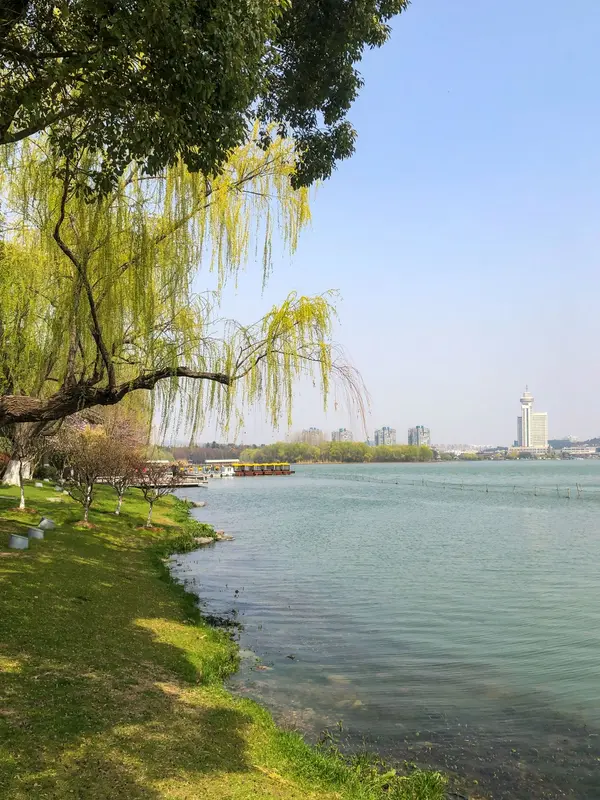
6. Xuanwu Lake Park
Ruil de neonachtige drukte van Nanjing in voor een ontsnapping naar vijf eilanden met 444 hectare water en wilgenbomen. Fiets langs lotusvijvers onder 600 jaar oude stadsmuurresten en sluit je aan bij ochtend tai chi-groepen aan de oever.
Korte feiten: Het park strekt zich uit over 444 hectare en omsluit een meer dat ongeveer driekwart van de totale oppervlakte beslaat, met vijf onderling verbonden eilandjes verbonden door boogbruggen en verhoogde wegen. Ochtendbezoekers kunnen de plaatselijke bewoners tai chi zien beoefenen langs het 9,5 kilometer lange oeverpad, een dagelijks ritueel dat door honderden wordt gedeeld.
Hoogtepunten: Op het grootste eiland staat nog een stadsmuurfragment uit de Ming-dynastie uit de 15e eeuw, en je kunt een gedeelte beklimmen dat meer dan 600 jaar oud is voor een panoramisch uitzicht waar oude vestingmuren de glazen torens van het moderne Nanjing ontmoeten. Het park bewaart ook een stille literaire geheimenis: de beroemde Qing-geleerde Yuan Mei componeerde hier ooit poëzie terwijl hij naar de lotusbloemen van het meer keek.
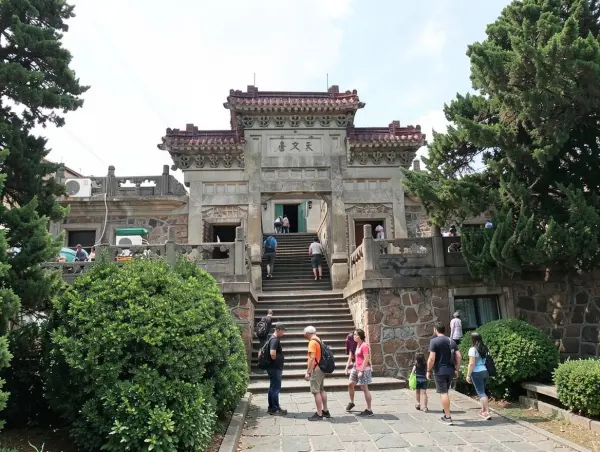
7. Purple Mountain Observatory
Sta waar de eerste moderne astronomen van China stonden, te midden van eeuwenoude bronzen instrumenten en telescooplenzen uit vervlogen tijden. Wandel door koepelvormige observatieruimtes, raak echte meteorietfragmenten aan en zie de Melkweg door een telescoop die sinds de jaren 1930 de sterren volgt.
Korte feiten: China's eerste moderne astronomische observatorium staat bovenop een berg op 267 meter hoogte en herbergt meer dan 30 telescopen, waaronder een prachtige 60 centimeter Zeiss-refractor uit 1934. Het terrein van het observatorium bevat oude Chinese astronomische instrumenten zoals de armillairsfeer en de gnomon, sommige daterend uit de 15e eeuw en hierheen verplaatst voor conservering.
Hoogtepunten: Tussen de dennenbomen verscholen staat de 1934 Zeiss twin astrograaf, gemonteerd op een massieve betonnen pijler die hem isoleert van de geringste grondtrilling. Op heldere nachten kan dit bijna honderd jaar oude instrument nog steeds sterren volgen met mechanische precisie, bediend door astronomen die met de hand een schuifdak openen om de hemel te onthullen.
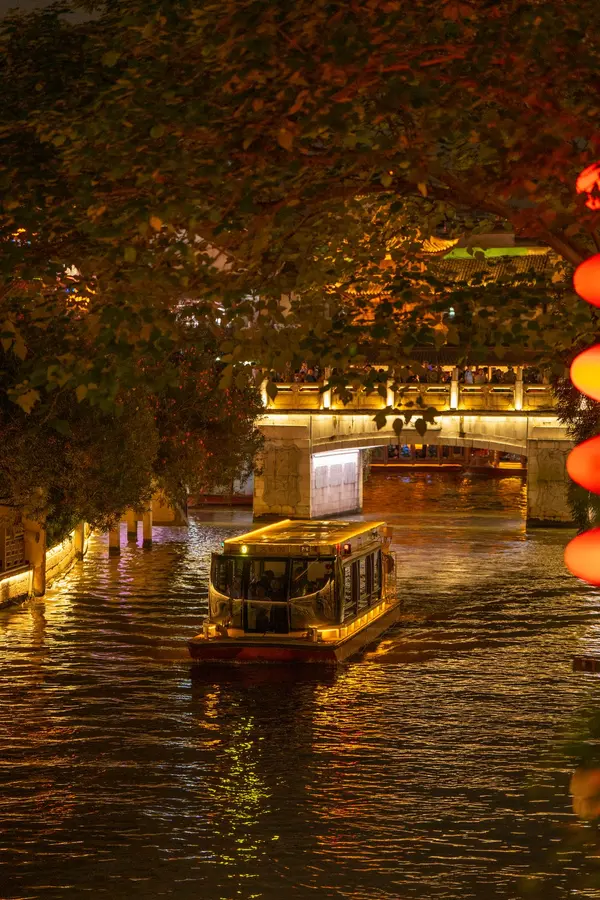
8. Qinhuai River Scenic Belt
Nergens anders op aarde kun je langs 1500 jaar geschiedenis glijden terwijl muzikanten je vanaf houten boten serenades brengen. Verwacht met lantaarns verlichte waterwegen, eeuwenoude tempels weerspiegeld in donker water en de geur van streetfood die over de bruggen drijft.
Korte feiten: Deze waterweg strekt zich ongeveer 110 kilometer uit van Jiangsu tot in Shanghai en diende ooit als de centrale slagader voor keizerlijke graantransporten. Met lantaarns verlichte plezierboten glijden al sinds de Tang-dynastie over deze wateren, een traditie die vanavond doorgaat.
Hoogtepunten: Elke avond rond de schemering gaan lokale muzikanten in traditionele kledij aan boord van houten boten en voeren ze pingtan op, een verhalende volkskunst, terwijl ze langs de 1.500 jaar oude Confuciustempel drijven. De combinatie van gezongen poëzie, pipa snaren en kabbelend water tegen stenen muren creëert een akoestische ervaring die al eeuwenlang onveranderd is gebleven.
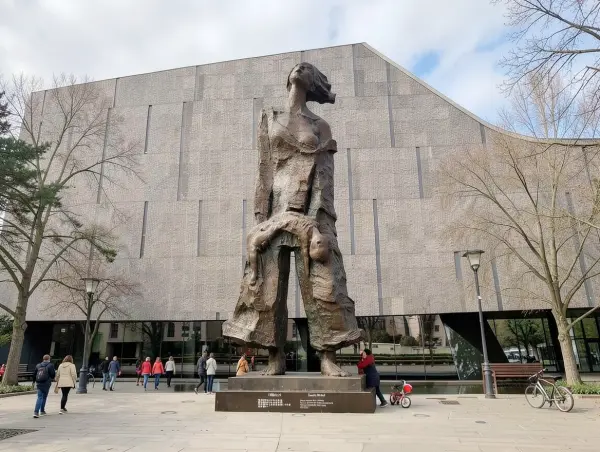
9. Memorial Hall of the Victims in Nanjing Massacre
Een van de meest plechtige en krachtige herdenkingsplekken ter wereld, die een tragedie documenteert die nooit vergeten mag worden. Je wandelt door galerijen met persoonlijke voorwerpen, overlevendengetuigenissen en een beeldentuin buiten die uitnodigt tot stille bezinning.
Korte feiten: Het herdenkingscomplex staat op de plek van een massabegraafplaats met de stoffelijke overschotten van meer dan 10.000 slachtoffers. Genocidewetenschappers beschouwen dit als een van de best gedocumenteerde massale wreedheden van de 20e eeuw, waarbij de zaal meer dan 5.000 fysieke tentoonstellingen toont, waaronder getuigenissen en zeldzame foto's.
Hoogtepunten: Bezoekers lopen door een grote hal met verspreide witte kiezelstenen, waarbij elke steen stil een slachtoffer vertegenwoordigt dat verloren is gegaan tijdens de zes weken durende bezetting. De namen van 10.642 geverifieerde slachtoffers zijn gegraveerd op de enorme "Muur van Verdriet", die 40 meter lang is, met de Chinese karakters zo diep uitgehouwen dat je ze met je vingertoppen kunt volgen.
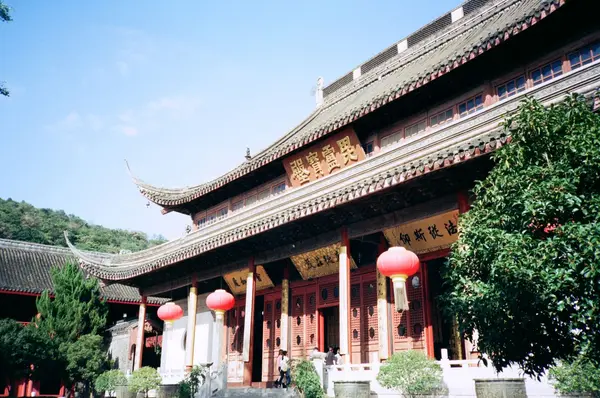
10. Qixia Mountain
Kom voor het herfstvuur: 50 soorten esdoorns kleuren in november hele hellingen karmozijnrood. Dwaal over bemoste trappen tussen 1.000 jaar oude tempels, rotsboeddha's en stille bossen.
Korte feiten: November doet deze helling in vuur en vlam staan, wanneer zo'n 50 esdoornvariëteiten rood, oranje en goud over de hellingen laten oplichten. Meer dan 500 gebeeldhouwde Boeddha's kijken uit vanaf de klifwand achter het 1.400 jaar oude tempelcomplex.
Hoogtepunten: Achter de hoofdhal staat een 18 meter hoge stenen pagode uit 601 na Christus, waarvan de 8 zijden zijn gegraveerd met dansende hemelse muzikanten, leeuwen en lotustafereelen. Op een frisse novembermiddag overspoelt schuin zonlicht de in de klif uitgehouwen Boeddha-gezichten met goud, de exacte warme gloed waar de steenhouwers waarschijnlijk op hoopten.
11. Lao Men Dong
Met lantaarns verlichte steegjes, live opera en kommen soep waar je jaren naar terugverlangt. Wandel één avond en je proeft, hoort en ruikt een complete avond in een levendige oude wijk.
Korte feiten: Meer dan 40 autovrije steegjes stralen vanuit één boogvormige stenen poort, en de geur van bakkend deeg en eendenbouillon vult de lucht vanaf de middag. Een 35 kilometer lange muur uit de Ming-dynastie torent boven de daken uit, met stenen wachttorens die na het donker in de schijnwerpers staan.
Hoogtepunten: Sla je een zijstraatje van de hoofdstraat in en je vindt eeuwenoude baksteenfiguren van vleermuizen en pioenen, nog steeds verwerkt boven deuropeningen, waar bewoners ooit om geluk en gezin baden. Na zonsondergang begint het lokale komedietheater aan zijn crosstalkshow, en het gelach rolt de door lantaarns verlichte steeg in als een avondritueel dat tot na tienen doorgaat.
Where to Stay in Nanjing, China
Selected by City Buddy based on guest reviews and proximity to top attractions
Search all hotels in Nanjing, ChinaPowered by agoda
Openingsdagen in Nanjing, China
Welke van de topbezienswaardigheden op welke dag van de week gesloten zijn, de klassieke reisverpester, voor u gecontroleerd.
maandag: 2 van de 4 topbezienswaardigheden gesloten, plan musea dus voor een andere dag.
Gesloten op maandag · 2 gesloten, 2 geopend
Openingsdagen van Google Maps (gecontroleerd op 2026-07-02). Feestdagen, stakingen en seizoensuren kunnen verschillen, check de officiële website voordat u gaat.
Traditionele zoete gerechten
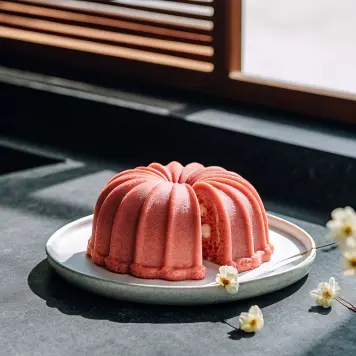
Sweet Osmanthus Cake (Gui Hua Gao)
This steamed sponge cake is infused with sweet osmanthus flowers that bloom across Nanjing in autumn. The cake's delicate floral aroma and fluffy texture have made it a beloved snack since the Ming Dynasty.
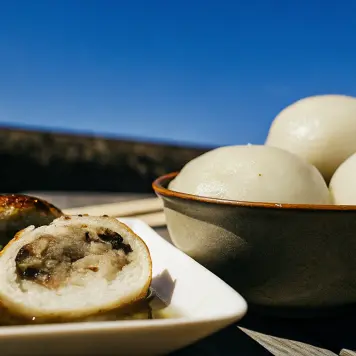
Nanjing Salted Duck and Glutinous Rice Balls (Tangyuan)
For a sweet twist on a savory city, Nanjing style tangyuan are often filled with black sesame or osmanthus and served in fermented rice soup. They are a must eat during the Lantern Festival celebrations in the city.
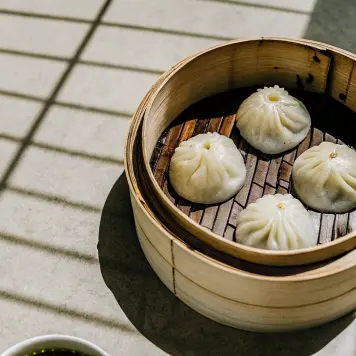
Plum Cake (Mei Hua Gao)
Named after Nanjing's city flower (the plum blossom), this diamond shaped cake is made from rice flour and red bean paste. Vendors have sold it from street stalls near the Ming City Wall for generations.
Traditionele hartige gerechten

Nanjing Salted Duck (Yan Shui Ya)
Nanjing's most famous dish uses a dry salt curing method that dates back over 1,000 years. The duck is slowly brined and then gently poached, resulting in incredibly tender meat and silky skin.

Nanjing Pan Fried Beef Dumplings (Niu Rou Guo Tie)
These crescent shaped dumplings have a crispy, lacy golden bottom from pan frying in a special iron skillet. They are typically served with a vinegary soy dipping sauce that locals insist must include freshly shredded ginger.

Duck Blood and Vermicelli Soup (Ya Xue Fen Si Tang)
This hearty soup features duck blood cubes, glass vermicelli, tofu puffs, and fresh duck parts in a rich broth. It is such a staple of Nanjing street food that countless small shops have spent generations perfecting their family recipes.
Traditionele dranken

Osmanthus Sake (Gui Hua Jiu)
Nanjing's sweet osmanthus flowers are steeped in rice wine to create this fragrant, lightly sweet liquor. It has been produced in the region since the Tang Dynasty and is traditionally drunk during the Mid Autumn Festival.

Yuxing Plum Juice (Suan Mei Tang)
This tangy and refreshing sour plum drink is made from smoked plums, rock sugar, osmanthus, and hawthorn berries. It is the classic thirst quencher of Nanjing, especially popular during the sweltering summer months along Confucius Temple street.

Nanjing Green Tea (Yu Hua Cha)
Named after the famous Rainflower Pebbles found in Nanjing, this green tea has a distinctive pine needle shape and a clean, chestnut like flavor. It was awarded the title of one of China's top ten famous teas.
Veelgestelde vragen over Nanjing, China
Is Nanjing, China veilig voor toeristen?
Hoeveel dagen in Nanjing, China moet ik plannen?
Wat is de beste tijd om Nanjing, China te bezoeken?
Is Nanjing, China duur om te bezoeken?
Hoe kan ik mij verplaatsen in Nanjing, China?
Ontvang een PDF met de populairste attracties in je e-mail
Ontvang een PDF met alle attracties, beoordelingen en tips. Perfect voor offline gebruik.
Meest populaire dagtochten
Suzhou
Classical gardens and water towns, a UNESCO World Heritage site
Hangzhou
Famous West Lake, tea plantations and historic temples
Er komen
Luchthavens
Treinstations
Beijing-Shanghai High-Speed Railway, Shanghai-Nanjing Intercity Railway
Beijing-Shanghai Railway, Ningxi Railway
From Lukou Airport, take Metro Line S1 to Nanjing South Station (about 50 minutes). Taxi to city center takes 40 minutes.
Nuttige informatie voor Nanjing, China
Overzicht voor Nanjing, China
Wil je een dag-voor-dag plan voor Nanjing, China? Open de reisplanner
Wanneer ga je naar Nanjing, China?
Kies je data en reisstijl om te krijgen:
Zijn er dingen die voor jou extra belangrijk zijn?
Selecteer alles wat van toepassing is
Vervoer
Hoe wil je je tussen plaatsen verplaatsen?
Plantaal: Nederlands