 CityBuddy
 Nederlands
Wat te doen in Trier, Germany
Foto gemaakt door Rodolfo Gaion op Pexels.com
Wanneer te bezoeken
Meest populaire attracties in Trier, Germany
Dingen om te doen in Trier, Duitsland, zijn het verkennen van de oude Porta Nigra, een enorme Romeinse stadspoort die teruggaat tot 180 na Christus. Bezoek de Dom van Trier, met zijn prachtige Romaanse architectuur en onschatbare kunst. Mis de nabijgelegen Onze-Lieve-Vrouwekerk niet, bekend om zijn gotische schoonheid en historische betekenis.
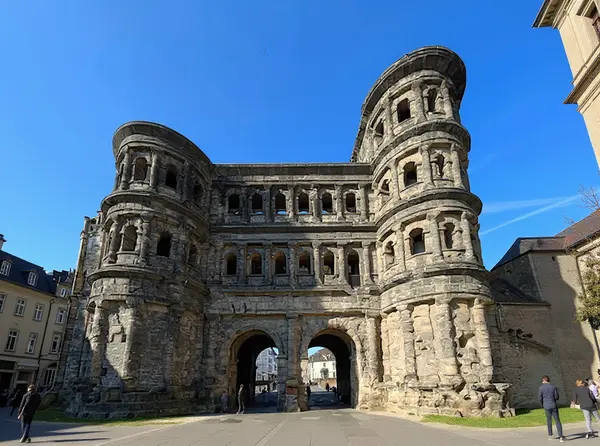
1. Porta Nigra
Spectaculaire Romeinse poort die Triers keizerlijke verleden toont. Loop onder torenhoge bogen door, beklim de hogere verdiepingen en bekijk de stad vanaf oude stenen vestingmuren.
Korte feiten: Je kunt enorme blokken grijze zandsteen zien die de grootste Romeinse stadspoort ten noorden van de Alpen vormen, de structuur rijst tot ongeveer 30 meter. In een van de torens woonde een kluizenaar genaamd Simeon, die later daar werd begraven, een begrafenis die de plek ongeveer 800 jaar lang veranderde in een pelgrimskerk.
Hoogtepunten: Beklim smalle stenen hellingen en voel de gegroefde zandsteen onder je voeten, het originele Romeinse metselwerk nog steeds vastgehouden door ijzeren klemmen die je met je vingers kunt volgen. In een verrassende middeleeuwse wending werd een kluizenaar genaamd Simeon begraven in een van de kamers en zijn graf hield de poort ongeveer 800 jaar lang een plaats van aanbidding, waardoor lagen graffiti en devotionele tekens achterbleven die bezoekers vandaag de dag nog kunnen zien.
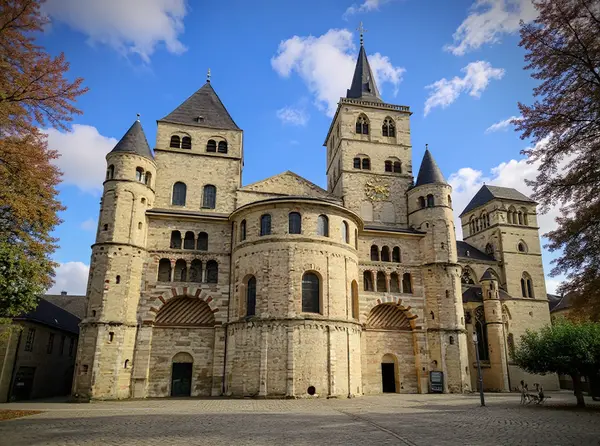
2. Trier Cathedral
De oudste kathedraal van Duitsland, gelaagd met Romeinse, middeleeuwse en barokke geschiedenis. Verken het hoge schip, de Keizerlijke Schatkamer en de relikwie van de Heilige Rok.
Korte feiten: Kijk omhoog en zie een wirwar van stijlen waar zware Romaanse zuilen luchtige gotische gewelven ontmoeten, een lappendeken die eeuwen van verandering weerspiegelt. Een beroemde relikwie, de Heilige Rok, trekt pelgrims en nieuwsgierige bezoekers naar de schatkamer en kapel.
Hoogtepunten: Glip de kleine noordelijke kapel binnen en je vindt de Heilige Rok in gedimd licht, de licht geribbelde stof zichtbaar achter beschermend glas. Een enkele lantaarn verlicht de rok tijdens zeldzame vertoningen, en veel bezoekers zeggen dat de stilte en koele lucht de steekdetails bijna lichtgevend laten lijken.
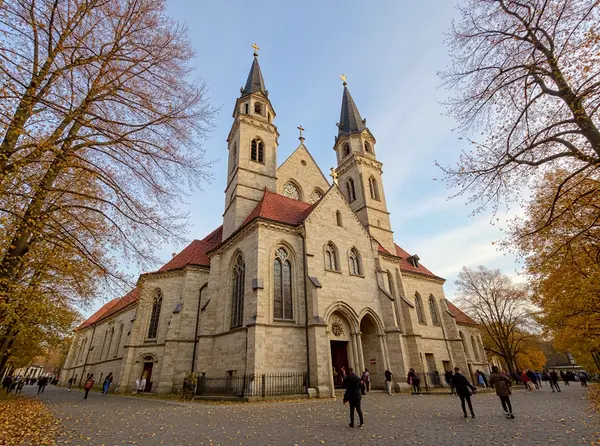
3. Church of Our Lady (Liebfrauenkirche)
Liebfrauenkirche
Een markante middeleeuwse kerk die Romaanse robuustheid combineert met gotische hoogte. Loop onder gewelfd steen, bestudeer eeuwenoude beeldhouwwerken en vind rustige kloostertuinen.
Korte feiten: Een van de vroegste gotische kerken ten noorden van de Alpen, het gebouw combineert Romaanse zwaarte met hoge gotische gewelven zodat zonlicht door tracering naar binnen stroomt en het interieur kleurt. Een integraal onderdeel van een UNESCO-werelderfgoedgeheel met nabijgelegen Romeinse monumenten, je kunt meer dan duizend jaar gelaagde geschiedenis voelen wanneer voetstappen echoën over gebeeldhouwde kapitelen en versleten vloerstenen.
Hoogtepunten: Stap naar binnen en de late middagzon rond 15 uur stroomt door de hoge getraceerde ramen en baadt gebeeldhouwde kapitelen en koele vloerstenen in warm goud en diepblauw. Lokale gidsen wijzen vaak op een ondiepe gleuf in een noordelijke zuil waar stadsbewoners de steen al meer dan 200 jaar hebben gladgestreken met offers, je kunt de gepolijste plek onder je vingertoppen voelen.
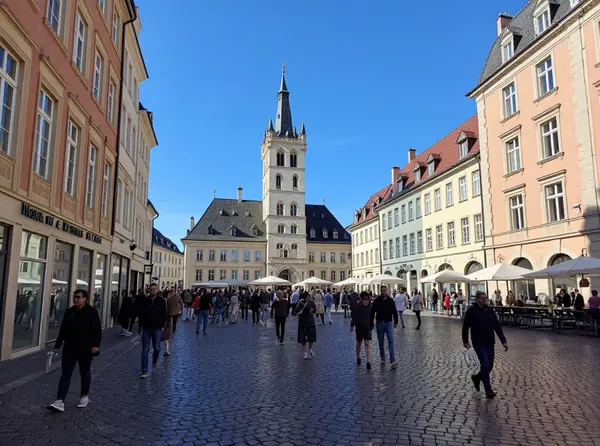
4. Hauptmarkt
Historisch markthart van Trier, bruisend van markten en middeleeuwse architectuur. Verwacht fonteinen, kleurrijke trapgevelhuizen, buitencafés en een levendige zaterdagse boerenmarkt.
Korte feiten: Kasseien klinken van het geratel van verkoperskarren en gesprekken, terwijl kleurrijke kraampjes bloemen, ambachten en glazen lokale Riesling in de open lucht laten zien. Een gepatineerde marktfontein verankert de ruimte en biedt een van de favoriete ontmoetingspunten voor bewoners en fotografen die van een krachtig silhouet bij het gouden uur houden.
Hoogtepunten: Gloeiende clusters van ongeveer 100 houten kraampjes vullen het plein elke winter voor de kerstmarkt, de lucht vult zich met glühwein, kaneel en geroosterde kastanjes onder slingers warme lampjes. Als je naar de basis van de fontein kijkt, kun je kleine metselaarstekens en gebeitelde initialen ontdekken, een stille registratie van de ambachtslieden die het plein vormgaven, die zonlicht vangen in onverwachte spleten.
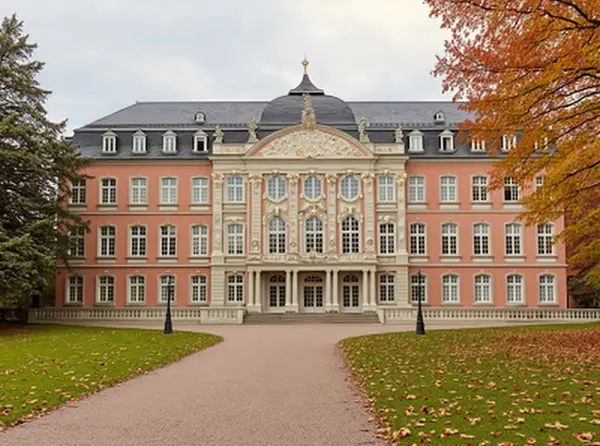
5. Electoral Palace (Kurfürstliches Palais)
Kurfürstliches Palais
Elegant barokpaleis met een nette formele tuin die Triers aristocratische verleden weerspiegelt. Wandel door grote zalen, fotografeer de gevel en ontspan daarna bij de reflectievijver.
Korte feiten: Je kunt door enorme gewelfde hallen met vergulde plafonds dwalen, waar ceremoniële voetstappen nog steeds door de steen lijken te echoën. Verrassende contrasten tussen middeleeuwse fundamenten en weelderige barokke versieringen verschijnen op elke hoek, en een afgelegen tuin biedt een rustige plek om te zitten en te kijken hoe licht over oude steen valt.
Hoogtepunten: Stap de grote balzaal binnen en je kunt bijna was en sinaasappelschil ruiken, een lokaal verhaal beweert dat keurvorst Clemens Wenceslaus er ooit ongeveer 400 gasten ontving voor een gemaskerd bal. Zoek naar de kleine verborgen gang met 12 versleten stenen treden, de lokale bevolking zegt dat studenten er op feestdagen altijd af renden, de afgesleten randen nog steeds glanzend onder je voeten.
Where to Stay in Trier, Germany
Selected by City Buddy based on guest reviews and proximity to top attractions
Search all hotels in Trier, GermanyPowered by agoda
Openingsdagen in Trier, Germany
Welke van de topbezienswaardigheden op welke dag van de week gesloten zijn, de klassieke reisverpester, voor u gecontroleerd.
zaterdag: 1 van de 4 topbezienswaardigheden gesloten, plan musea dus voor een andere dag.
Gesloten op zaterdag · 1 gesloten, 3 geopend
Openingsdagen van Google Maps (gecontroleerd op 2026-02-24). Feestdagen, stakingen en seizoensuren kunnen verschillen, check de officiële website voordat u gaat.
Traditionele zoete gerechten
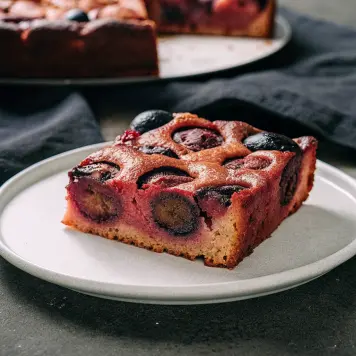
Quetschekuchen
A plum cake made with local damson plums, Quetschekuchen celebrates the Moselle harvest and is a seasonal favorite in Trier cafés and bakeries, especially in autumn.

Rheinischer Apfelkuchen
Rhenish apple cake, often spiced and served with whipped cream, is a homey, much-loved dessert found throughout Trier and the surrounding Rhineland-Palatinate region.

Dampfnudel with vanilla sauce
Steamed yeast dumplings served hot with vanilla sauce or fruit compote, Dampfnudeln are a comforting traditional dessert enjoyed at family meals and local festivals in the region.
Traditionele hartige gerechten
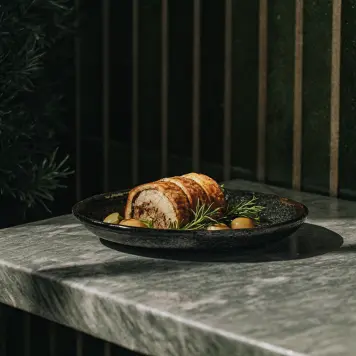
Saumagen
Originally from the Palatinate but widely eaten across Rhineland-Palatinate, Saumagen is a hearty stuffed pork-and-potato dish that became famous nationally and is still served in traditional Trier restaurants.

Himmel und Erde
Himmel und Erde, meaning Heaven and Earth, combines mashed potatoes and apple purée with blood sausage or fried bacon, offering a sweet and savory contrast typical of Rhineland cuisine and common in Trier.
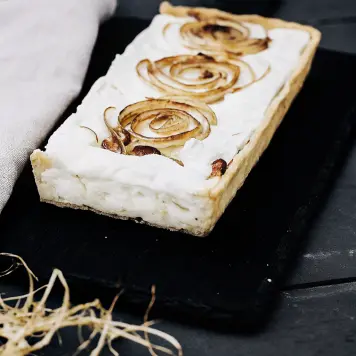
Zwiebelkuchen
Onion tart made with a yeasted or flaky crust topped with caramelized onions and bacon, Zwiebelkuchen is a staple at Moselle wine festivals and pairs perfectly with local new wine.
Traditionele dranken
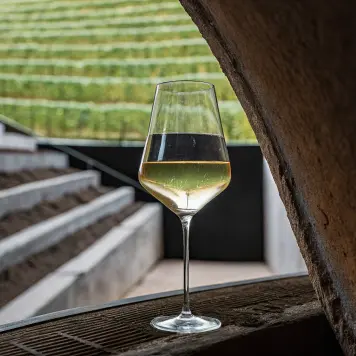
Mosel Riesling
Riesling from the Moselle is world-renowned, its crisp acidity and mineral notes come from steep slate terraces that define Trier's wine culture and seasonal festivals.

Federweißer
Federweißer is a young, partially fermented grape must available in autumn during the grape harvest, commonly enjoyed in Trier with savory pastries and at wine festivals.

Mosel Sekt
Locally produced sparkling wine, Mosel Sekt is the region's bubbly choice for celebrations and offers a fruit-driven, mineral character that reflects Trier's vineyards.
Weet voordat je gaat
Wat een dag kost in Trier, en de oplichting om te vermijden
Veelgestelde vragen over Trier, Germany
Is Trier, Duitsland veilig voor reizigers?
Hoeveel dagen moet ik doorbrengen in Trier, Duitsland?
Wat is de beste tijd om Trier, Duitsland te bezoeken?
Is Trier, Duitsland duur om te bezoeken?
Hoe kom ik rond in Trier, Duitsland?
Ontvang een PDF met de populairste attracties in je e-mail
Ontvang een PDF met alle attracties, beoordelingen en tips. Perfect voor offline gebruik.
Meest populaire dagtochten
Luxembourg City, Luxembourg
Grand Ducal Palace, Old Town, compact international capital.
Bernkastel-Kues (Mosel Valley), Germany
Picturesque wine village, half-timbered houses, river views.
Burg Eltz (Eltz Castle), Germany
Well-preserved medieval castle in a forested valley.
Koblenz and Deutsches Eck, Germany
Confluence of Mosel and Rhine, cable car to Ehrenbreitstein.
Saarbrücken, Germany
Regional capital with French influence, shops and museums.
Er komen
Luchthavens
Treinstations
Regional and Intercity services to Koblenz, Luxembourg, Saarbrücken and Cologne
From Luxembourg Airport take train or shuttle to Trier; from Hahn use airport bus; Trier Hbf is walkable from center.
Nuttige informatie voor Trier, Germany
Overzicht voor Trier, Germany
Vergelijk Trier met andere bestemmingen
Prijzen, veiligheid, weer en topattracties naast elkaar, met een oordeel voor elke reiziger.
Wil je een dag-voor-dag plan voor Trier, Germany? Open de reisplanner
Wanneer ga je naar Trier, Germany?
Kies je data en reisstijl om te krijgen:
Zijn er dingen die voor jou extra belangrijk zijn?
Selecteer alles wat van toepassing is
Vervoer
Hoe wil je je tussen plaatsen verplaatsen?
Plantaal: Nederlands