 CityBuddy
 Nederlands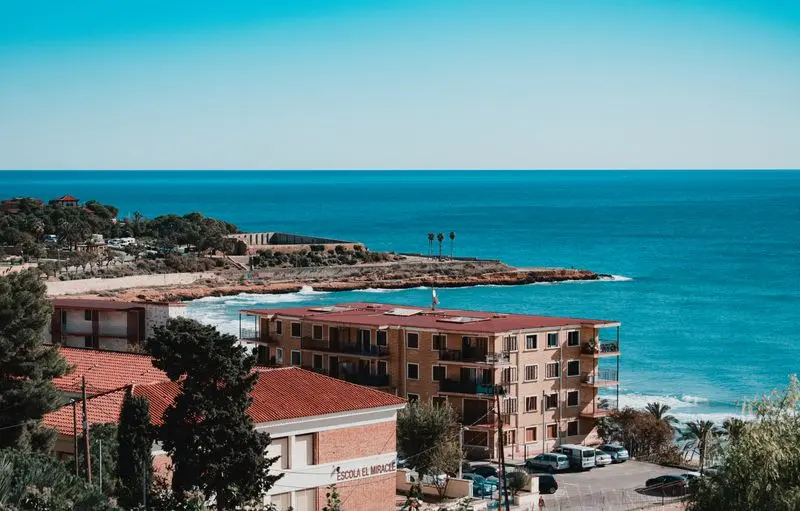
Wat te doen in Tarragona, Spain
Foto gemaakt door Santiago Boada op Pexels.com
Wanneer te bezoeken
Meest populaire attracties in Tarragona, Spain
Als u op zoek bent naar bezienswaardigheden in Tarragona, Spanje, begin dan met het Tarragona-amfitheater uit de 2e eeuw, dat uitkijkt over de Middellandse Zee met plaats voor 15.000 toeschouwers. Loop vervolgens de 3,5 kilometer lange route van de Romeinse Muren, waarvan sommige delen dateren van 200 v.Chr. Sluit af bij Balcó del Mediterrani voor een weids kustpanorama vanaf 40 meter boven zeeniveau.
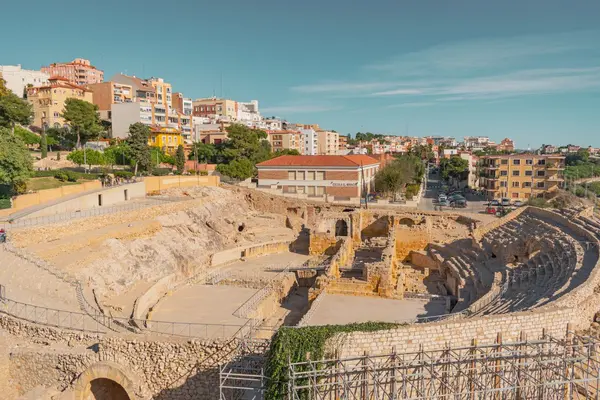
1. Tarragona Amphitheatre
Stap een 2.000 jaar oude Romeinse arena binnen waar gladiatoren ooit vochten met de zee als decor. Je loopt door dezelfde stenen bogen en staat op het zand waar de meest dramatische momenten uit de geschiedenis zich afspeelden.
Korte feiten: Romeinen bouwden deze arena rond 200 na Christus voor gladiatorengevechten en jacht op wilde dieren. Gladiatoren vochten en bloedden hier terwijl tot wel 14.000 toeschouwers vanaf stenen zitplaatsen met uitzicht op de Middellandse Zee juichten.
Hoogtepunten: Nadat het gladiatorentijdperk eindigde, werden hier christenen geëxecuteerd en later werd er een middeleeuwse kerk recht in de stenen muren van de arena gebouwd. Je kunt nog steeds de vage contouren van de kerkfunderingen tegen het Romeinse metselwerk zien, een zeldzame gelaagde geschiedenis in één beeld.
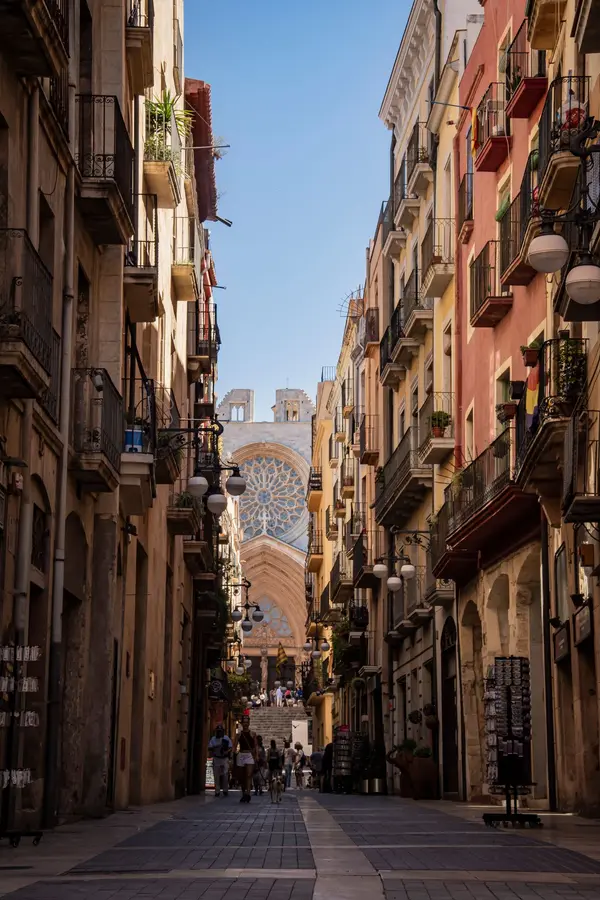
2. Tarragona Cathedral
Eeuwen geschiedenis gekerfd in elke steen, van Romeinse fundamenten tot gotische torenspitsen. Stap naar binnen en vind een stille kloostergang waar het verleden bijna tastbaar aanvoelt.
Korte feiten: Twee totaal verschillende bouwstijlen komen samen onder één dak. Het gotische schip verheft zich boven een 12e-eeuwse romaanse kloostergang waar al eeuwenlang katten wonen.
Hoogtepunten: Een steen in de muur van de kloostergang toont een afdruk van een kattenpoot die meer dan 800 jaar geleden in het mortel is gedrukt. De lokale bevolking zegt dat de katten van de kathedraal directe afstammelingen zijn van de muizenvangers die het middeleeuwse klooster vrij van knaagdieren hielden.
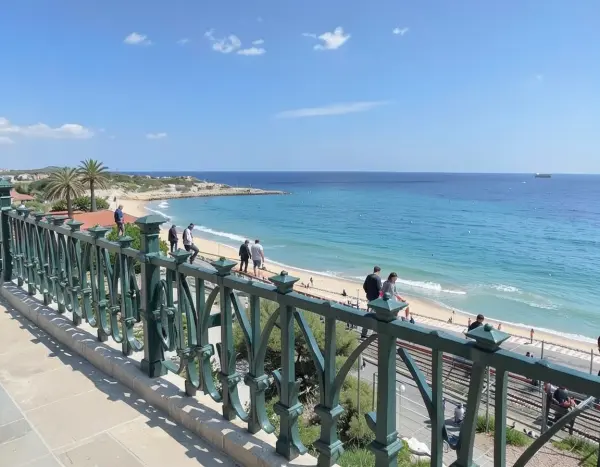
3. Balcó del Mediterrani
Een van de beste gratis uitkijkpunten langs de hele Catalaanse kust. Sta 60 meter boven zeeniveau en kijk naar zeilboten die over een glinsterende Middellandse Zeelucht glijden.
Korte feiten: 60 meter boven de Middellandse Zee gelegen biedt dit balkon een weids uitzicht dat zich uitstrekt van de haven van Tarragona tot de verre kustlijn van de Costa Daurada. Het uitkijkpunt bevindt zich bovenop de oude Romeinse Cyclopische Muur, gebouwd met enorme stenen blokken die elk tot 5 ton wegen.
Hoogtepunten: Kom bij zonsondergang en zie de stenen balustrades van het balkon een warme gouden gloed vangen terwijl de zee eronder diep saffierkleurig wordt. Op heldere dagen kun je de silhouet van de Ebro-delta zien, 30 kilometer verderop, die in de horizon steekt.
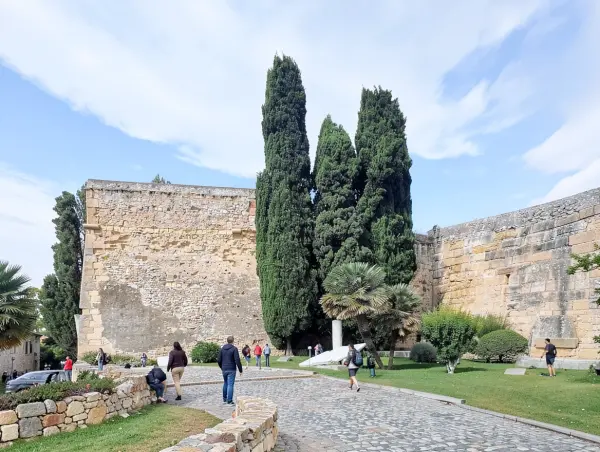
4. Roman Walls of Tarragona
Loop langs 2.200 jaar oude Romeinse versterkingen die ooit de hoofdstad van een rijk beschermden. Voel het ruwe, verweerde steen onder je vingertoppen terwijl je dezelfde omtrek volgt die Romeinse soldaten patrouilleerden.
Korte feiten: Deze Romeinse muren strekken zich uit over bijna 3,5 kilometer en reiken op sommige plaatsen tot 12 meter hoog, waardoor ze een van de best bewaarde Romeinse versterkingen van Spanje zijn. Oorspronkelijk gebouwd tussen de 3e en 2e eeuw voor Christus, beschermden ze de oude stad Tarraco, hoofdstad van de Romeinse provincie Hispania Citerior.
Hoogtepunten: Kijk goed naar de voet van de muren bij de Portal del Roser en je zult massieve originele steenblokken zien, sommige met een gewicht van meer dan 6 ton, gestapeld zonder mortel door pure precisie en zwaartekracht. Het cyclopische metselwerk van de muur creëert een indringend contrast met de middeleeuwse structuren die eeuwen later bovenop zijn gebouwd, een gelaagde geschiedenis die je letterlijk kunt aanraken.
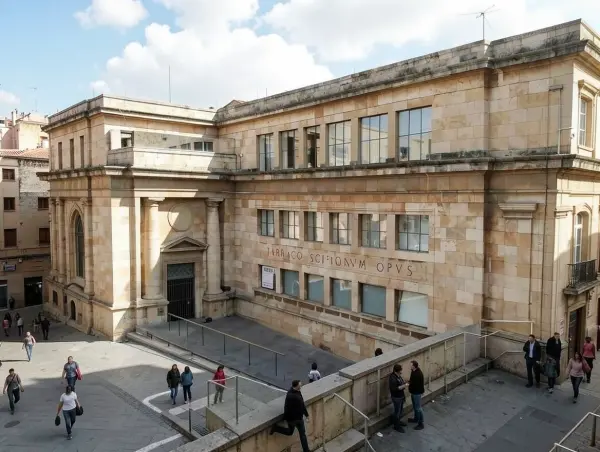
5. National Archaeological Museum of Tarragona
Dwaal door een van de rijkste collecties Romeinse artefacten van Spanje, van kolossale beelden tot delicate alledaagse voorwerpen. Je loopt over glazen vloeren boven oude Romeinse straten en komt oog in oog te staan met het legendarische Medusa-mozaïek.
Korte feiten: De collectie omvat meer dan 25.000 objecten uit de Romeinse geschiedenis, met sculpturen, mozaïeken en alledaagse artefacten die het verhaal van het oude Tarraco vertellen. Een van de meest indrukwekkende stukken is een enorm mozaïek van Medusa uit de derde eeuw, dat een volledige galerievloer bedekt met ingewikkelde details die na 1.700 jaar nog steeds levendig aanvoelen.
Hoogtepunten: Loop de grote hal binnen en u staat recht boven een bewaard stuk van de oorspronkelijke Romeinse circus waar ooit strijdwagens voorbij donderden. Dankzij de glazen vloer van het museum kunt u naar beneden kijken naar de oude kinderhoofdjes en afwateringskanalen, waardoor u zich een archeoloog voelt die de stad laag voor laag ontdekt.
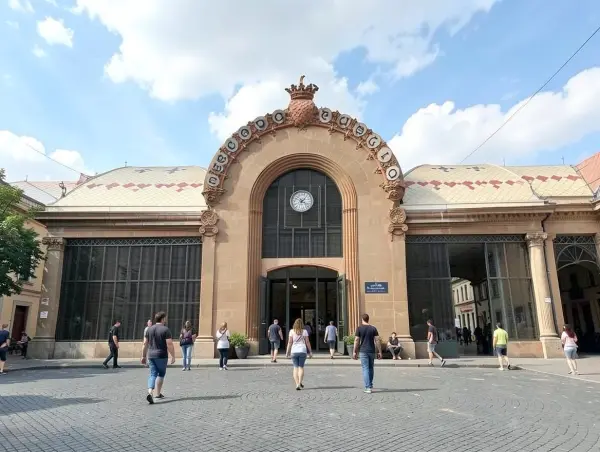
6. Mercat Central de Tarragona
Duik in een eeuw Catalaanse eetcultuur onder een dak van ijzer en glas. Slenter langs 50 kramen met olijven, kaas en pas gevangen vis terwijl verkopers hun prijzen roepen.
Korte feiten: Gietijzeren zuilen en een glazen overkapping vullen het schip met licht, terwijl zo'n 50 verkopers dagvangsten en lokale producten aanprijzen. Restauranthouders, thuiskoks en dagjesmensen onderhandelen zij aan zij over olijfolie, vermout en kaas tegen 10:00 uur op de meeste ochtenden.
Hoogtepunten: Beklim de bovenste galerij om onder je het choreografie van kratten, weegschalen en messen te zien ontvouwen. In het midden giet een achthoekig daklantaarn zonlicht over hangende jamón, waardoor het drukste pad van de markt verandert in gouden theater.
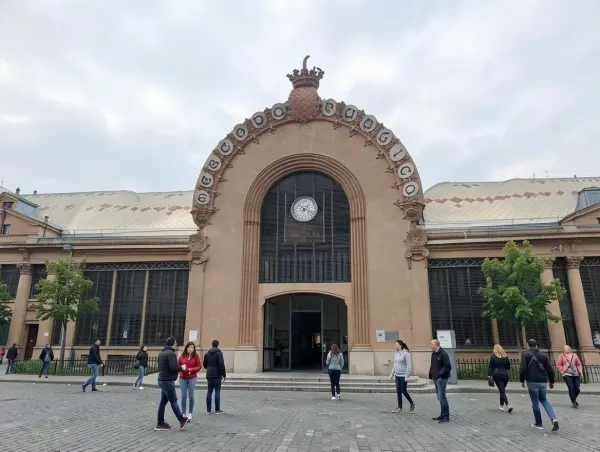
7. Mercat Central
Een overdekte markt boven een Romeinse wagenbaan die nog steeds onder je voeten glinstert. Volg de geur van verse garnalen en saffraan de torenhoge gangen van ijzer en baksteen in.
Korte feiten: Josep Maria Jujol, de architect die nauw samenwerkte met Gaudí, schetste deze markthal en liet hem binnen één jaar verrijzen, geopend in 1915. Romeinse wagenmenners raceten met vierspannen over ditzelfde stuk grond, twee millennia voordat de eerste fruitkraam openging.
Hoogtepunten: Als je afdaalt naar de kelder, kom je terecht in de hoge gewelfde gang van de Romeinse circus, de lange galerij waar toeschouwers in de 1e eeuw na Christus omhoog klommen naar hun zitplaatsen. Boven je hoofd buigen Jujols dunne Catalaanse baksteengewelven en geglazuurde keramische rozetten het licht, zodat het plafond lijkt te bollen als een zeil.
8. El Serrallo
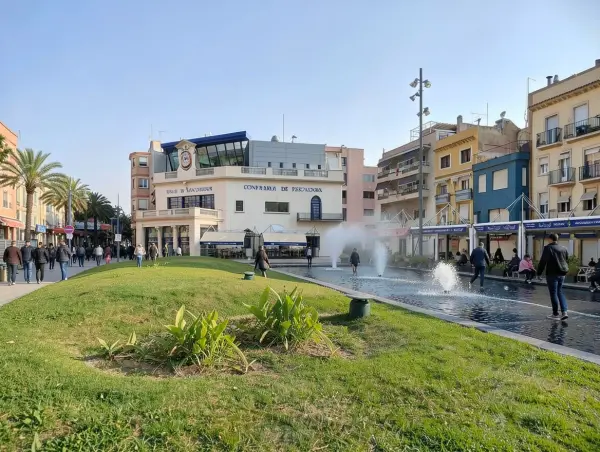
Hier wordt de oude haven heerlijk, helemaal neonvrij en zilt. Ruik de sardines die bij de haven geroosterd worden in de schemering en kijk hoe de vangst van de nacht boot voor boot met de hand wordt gelost.
Korte feiten: Een kloppend vishart zit in dit bescheiden hoekje van de oude haven, waar elke ochtend de veiling van de nachtelijke vangst door een witte hal weerklinkt. Vissers hangen nog steeds netten te drogen langs de kade, en rook van hun houtskool-sardinegrills stijgt recht op naar het Romeinse steenwerk erboven.
Hoogtepunten: Aan het uiteinde van de kade dragen kleine familieboten nog steeds met de hand geschilderde ogen op hun boeg, een oud bezweringsmiddel dat de boten moet helpen om vissen onder het wateroppervlak te zien. Kom voor het einde-juni feest van Sant Pere, wanneer de hele wijk tafels op de stoep sleept en tot middernacht sardines bakt.
Where to Stay in Tarragona, Spain
Selected by City Buddy based on guest reviews and proximity to top attractions
Search all hotels in Tarragona, SpainPowered by agoda
Openingsdagen in Tarragona, Spain
Welke van de topbezienswaardigheden op welke dag van de week gesloten zijn, de klassieke reisverpester, voor u gecontroleerd.
maandag: 2 van de 6 topbezienswaardigheden gesloten, plan musea dus voor een andere dag.
Gesloten op maandag · 2 gesloten, 4 geopend
Openingsdagen van Google Maps (gecontroleerd op 2026-09-05). Feestdagen, stakingen en seizoensuren kunnen verschillen, check de officiële website voordat u gaat.
Traditionele zoete gerechten
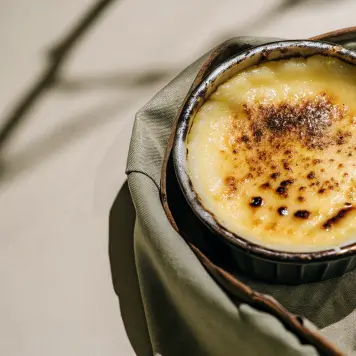
Crema Catalana
Crema Catalana is the Spanish sibling of crème brûlée, but with a distinct Catalan identity. It is traditionally served on Saint Joseph's Day (March 19) and flavored with cinnamon and lemon zest instead of vanilla.
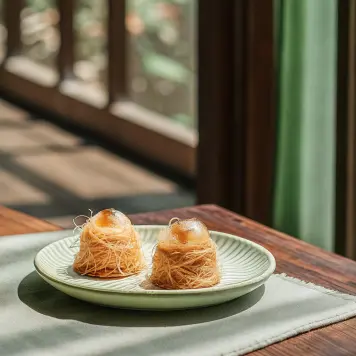
Pastissets de Cabell d'Àngel
These delicate pastries are filled with cabell d'àngel or angel's hair, a sweet jam made from pumpkin threads. The name literally means angel hair, referencing the translucent, stringy texture of the pumpkin preserve inside.

Carquinyolis
Carquinyolis are crunchy Catalan almond cookies similar to Italian biscotti, perfect for dunking in dessert wine. They are twice-baked for extra crunch and are a staple at festive gatherings across the Tarragona region.
Traditionele hartige gerechten

Calçots with Romesco Sauce
Calçots are a type of sweet green onion grilled over open flames until charred, a signature of Tarragona's province. Locals gather for massive calçotades (feasts) where these onions are eaten by peeling the burnt layers and dipping them in rich romesco sauce made from almonds and roasted peppers.
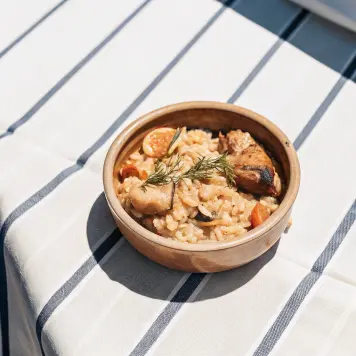
Arròs a la Cassola de Tarragona
This rustic casserole rice dish is Tarragona's take on paella, slow-cooked in a clay pot with local seafood, rabbit, and vegetables. The city's proximity to the Ebro Delta rice fields means the rice used is exceptionally fresh and flavorful.
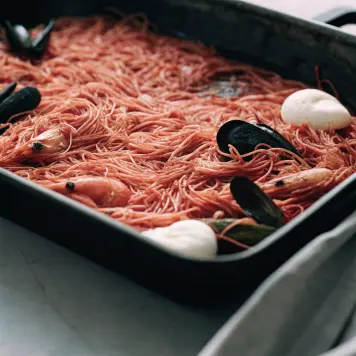
Fideuà
Fideuà is a beloved noodle-based dish similar to paella but made with short, thin vermicelli noodles instead of rice. It originated among fishermen on the Catalan coast who wanted a faster-cooking alternative to rice, and it is traditionally served with a dollop of garlicky allioli.
Traditionele dranken
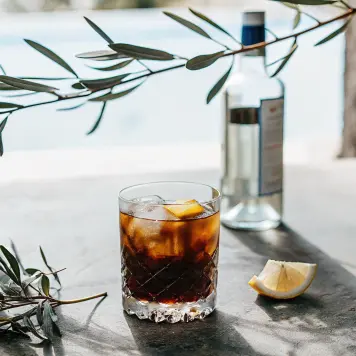
Vermut de Tarragona
Tarragona has a deep-rooted vermouth tradition dating back to the 19th century, and local vermuterías are a cherished social ritual. The region's vermouth is made with macabeo or xarel·lo wine bases and a secret blend of local herbs, giving it a distinctive Mediterranean character.

Cava
While Cava is most famous in Penedès, much of this sparkling wine is actually produced from grapes grown in the vineyards around Tarragona. It is made using the traditional method (same as Champagne) but at a fraction of the cost, making it the go-to celebratory drink in Catalonia.

Ratafia
Ratafia is a traditional Catalan liqueur made by macerating green walnuts, herbs, and spices in brandy or aguardiente for months. It is often homemade in Tarragona's rural homes and is sipped as a digestif, believed to aid digestion after heavy meals.
Weet voordat je gaat
Wat een dag kost in Tarragona, en de oplichting om te vermijden
Belangrijkste oplichting om te vermijden
- Pickpocketing in crowds. Keep bags closed and in front, leave valuables in the hotel, and avoid loose back pockets in crowded spaces.
- Unofficial offers near the station. Walk to the official taxi rank and require the meter, or book through an app for a clear price.
- Menu without prices. Confirm prices before ordering, ask if a cover or service charge applies, and check the bill line by line.
Eerlijke taxi vanaf het vliegveld: €110 - €140
Alle oplichting, eerlijke prijzen en regelsVeelgestelde vragen over Tarragona, Spain
Is Tarragona, Spanje veilig?
Hoeveel dagen in Tarragona, Spanje zijn genoeg?
Wat is de beste tijd om Tarragona, Spanje te bezoeken?
Is Tarragona, Spanje duur?
Hoe reis je door Tarragona, Spanje?
Ontvang een PDF met de populairste attracties in je e-mail
Ontvang een PDF met alle attracties, beoordelingen en tips. Perfect voor offline gebruik.
Meest populaire dagtochten
Barcelona
Vibrant capital of Catalonia with Gaudi architecture and world-class museums.
Salou
Popular coastal resort with beaches and PortAventura theme park.
Sitges
Charming seaside town with beaches, art galleries, and nightlife.
Reus
Modernist architecture hub and birthplace of architect Antoni Gaudi.
Delta de l'Ebre
Stunning natural park with rice fields, wetlands, and birdwatching.
Er komen
Treinstations
AVE high-speed rail from Barcelona, Madrid, and Valencia
Regional trains along the Costa Daurada coastline
From Barcelona Airport take the direct bus or train to Tarragona. Reus Airport is smaller with seasonal flights and bus connections to Tarragona.
Nuttige informatie voor Tarragona, Spain
Overzicht voor Tarragona, Spain
Vergelijk Tarragona met andere bestemmingen
Prijzen, veiligheid, weer en topattracties naast elkaar, met een oordeel voor elke reiziger.
Wil je een dag-voor-dag plan voor Tarragona, Spain? Open de reisplanner
Wanneer ga je naar Tarragona, Spain?
Kies je data en reisstijl om te krijgen:
Zijn er dingen die voor jou extra belangrijk zijn?
Selecteer alles wat van toepassing is
Vervoer
Hoe wil je je tussen plaatsen verplaatsen?
Plantaal: Nederlands