 CityBuddy
 Português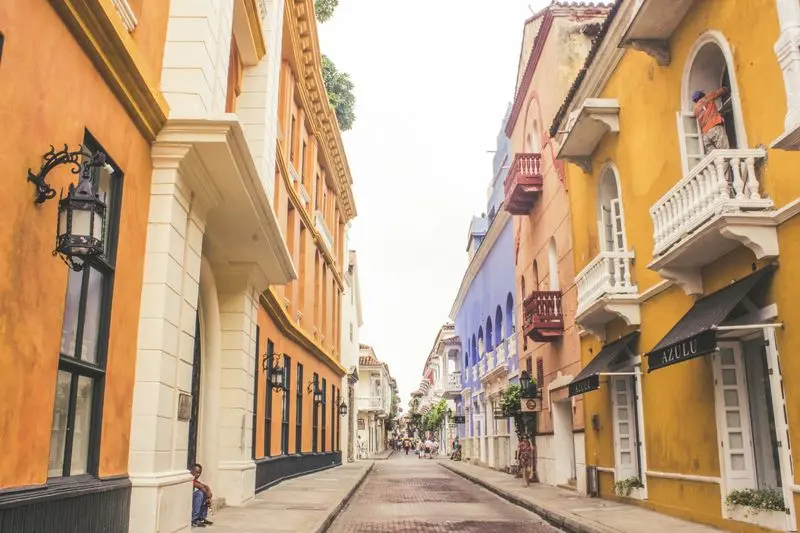
O que fazer em Cartagena, Colombia
Foto feita por Maria Paula Medina no Pexels.com
Quando visitar
Quando você vai para Cartagena, Colombia?
Escolha suas datas e estilo de viagem para receber:
Algum destes é especialmente importante para você?
Selecione todos que se aplicam
Plan language: PortuguêsAtrações mais populares em Cartagena, Colombia
Ao considerar o que fazer em Cartagena, Colômbia, três atrações se destacam. Suba o Castillo San Felipe de Barajas, de 300 anos, com 23 canhões e 3 quilômetros de túneis. Visite a Torre del Reloj, a entrada do século XVII para a cidade antiga com sua torre do relógio. Termine na Plaza Santo Domingo, onde a escultura de Botero está sob sacadas coloniais.
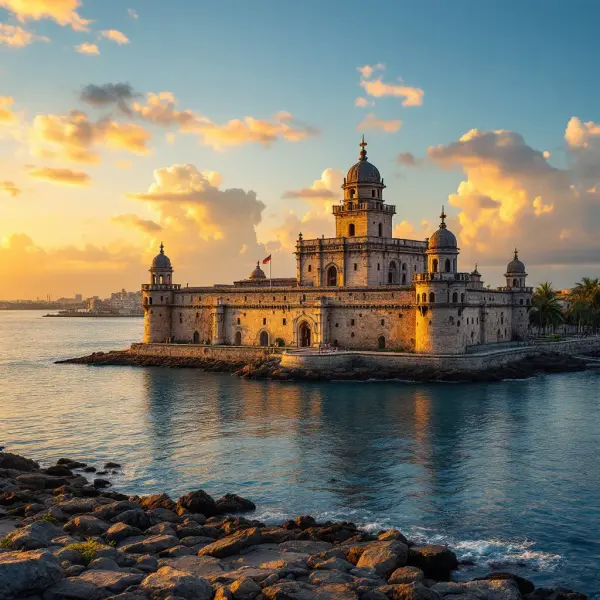
1. Castillo San Felipe de Barajas
Caminhe por túneis de 450 anos onde sussurros ecoam ao longo de paredes acústicas perfeitamente projetadas. Dos parapeitos mais altos, veja o pôr do sol pintar o céu sobre o Caribe.
Fatos rápidos: Mais de 20 milhões de tijolos e 130 anos de construção moldaram esta fortaleza em um vasto complexo defensivo. Os guardas se comunicavam por uma rede de túneis de 2 quilômetros onde o som se propaga de forma distinta ao longo das paredes curvas de pedra.
Destaques: Engenheiros projetaram três níveis de túneis interligados com postos de escuta angulados, permitindo que um único guarda detectasse intrusos de múltiplas direções simultaneamente. No parapeito mais alto da fortaleza, é possível traçar as exatas linhas de visão defensivas que permitiam aos soldados avistar navios se aproximando horas antes de chegarem à baía.
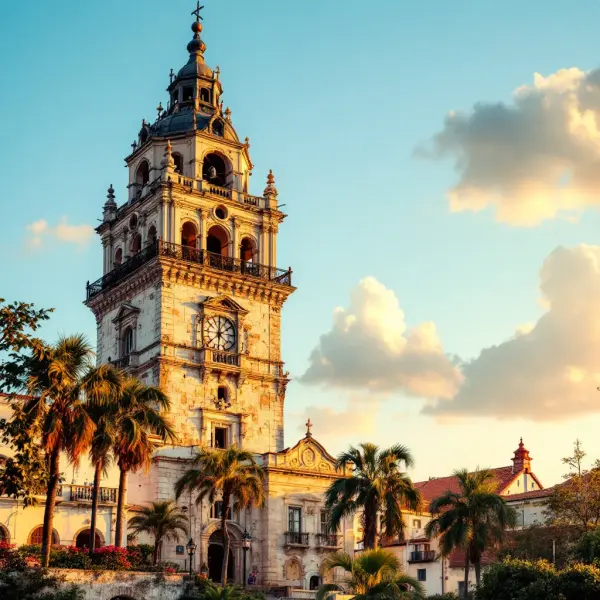
2. Torre del Reloj
Este portal arqueado tem sido a porta de entrada da cidade por mais de 400 anos, recebendo comerciantes, viajantes e piratas. Atravesse-o e você chega direto a uma praça emoldurada por varandas coloridas, carruagens de cavalo e o som rítmico dos sapatos nas pedras.
Fatos rápidos: Mais de 2 milhões de pessoas passam por este portal de pedra coralina a cada ano, conectando o vibrante bairro de Getsemaní com a Cidade Velha colonial. O mecanismo do relógio no topo foi importado da Suíça no início do século XX e ainda marca as horas com corda manual duas vezes por semana.
Destaques: Olhe atentamente para a base do arco e você verá uma pequena estátua da Virgem Maria escondida em um nicho, colocada ali há séculos para abençoar todos que entravam na cidade. No lado da praça, os afrescos coloniais desbotados nos edifícios adjacentes mudam de cor conforme o sol da tarde se move pela fachada de pedra esculpida.
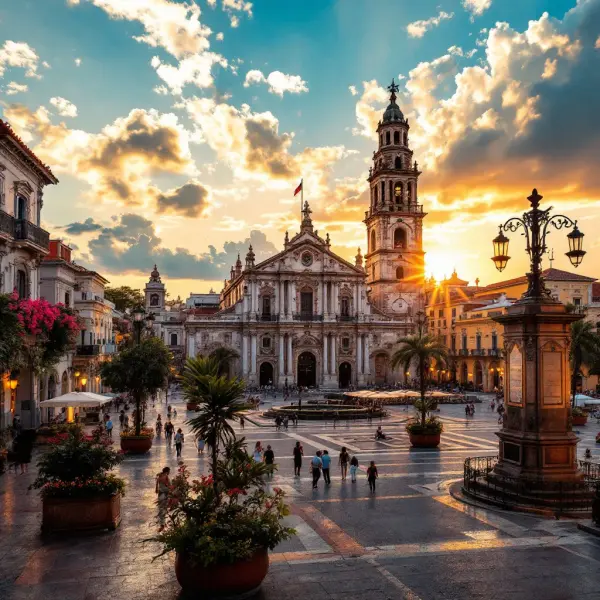
3. Plaza Santo Domingo
O centro social mais magnético de Cartagena onde a famosa deusa de bronze de Botero descansa sob o sol do Caribe. Beba uma limonada de coco enquanto observa dançarinos de salsa, engraxates e papagaios empoleirados em varandas coloniais.
Fatos rápidos: Uma escultura de bronze de uma mulher voluptuosa reclinada chamada "La Gorda Gertrudis", de Fernando Botero, ancora esta praça de paralelepípedos. Vendedores ambulantes, música salsa e o cheiro de arepas fritas preenchem o ar desde a manhã até a noite.
Destaques: Os moradores locais esfregam a barriga e os dedos dos pés de bronze de Gertrudis, de Botero, para dar sorte, deixando essas áreas polidas em um brilho dourado reluzente contra sua pátina mais escura. Depois que um vândalo a danificou em 2006, a cidade a reparou tão completamente que a cicatriz se tornou parte de sua história, um testemunho da feroz proteção de Cartagena por ela.
Você já ouviu falar de tours a pé gratuitos?
Após viajar para mais de 30 países, há uma coisa que gostaria que alguém tivesse me dito desde o primeiro dia, e isso mudou completamente como eu experimento novas cidades.
Tours a pé gratuitos. Sim, realmente gratuitos. Sem necessidade de cartão de crédito. Sem pegadinhas.
Guia local, 2-3 horas
Principais pontos turísticos, joias escondidas, histórias locais
100% baseado em gorjetas
Guias ganham apenas gorjetas, então dão o seu melhor
Você dá a gorjeta que achar justa
No final, apenas dê a gorjeta que achar justa
Fiz esses tours em dezenas de cidades e eles foram o destaque de quase todas as viagens. Se você estiver visitando Cartagena, Colombia, faça isso no seu primeiro dia. Você vai me agradecer depois.
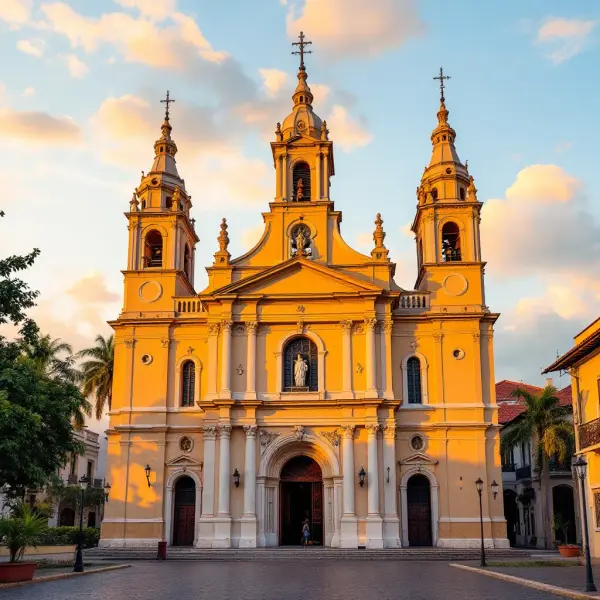
4. Iglesia de San Pedro Claver
Fique diante de um altar de 400 anos onde um santo real rezava diariamente. Passeie pelos claustros iluminados pelo sol, veja seus restos preservados e sinta a história em camadas da Colômbia ganhar vida.
Fatos rápidos: São Pedro Claver passou 40 anos nesta igreja batizando mais de 300 mil africanos escravizados que chegavam pelo porto de Cartagena. Seu corpo notavelmente preservado está em um sarcófago de vidro perto do altar principal, ainda vestindo a batina que usava em sua morte em 1654.
Destaques: Suba até o telhado e você encontrará exatamente a torre do sino onde Claver observava o porto em busca de navios negreiros que se aproximavam, preparando-se para oferecer conforto. O claustro adjacente guarda as acomodações originais do santo, onde sua cama simples de madeira e seu crucifixo pessoal permanecem exatamente como ele os deixou.
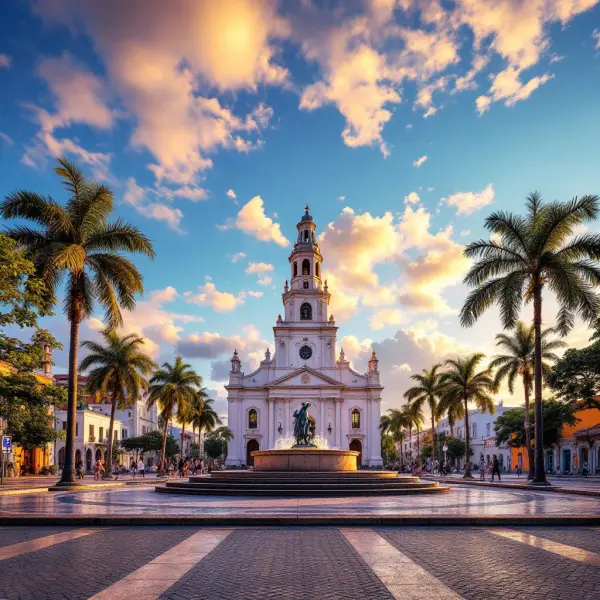
5. Plaza de los Coches
Entre no coração colonial de Cartagena onde carruagens de cavalo já dominaram as pedras. Beba um café sob as arcadas enquanto vendedores de rua e músicos trazem a praça à vida ao seu redor.
Fatos rápidos: Carruagens puxadas por cavalos um dia alinharam esta praça, dando-lhe o nome de "Praça dos Carruagens". Em seu centro, ergue-se uma estátua de Pedro de Heredia, o conquistador espanhol que fundou Cartagena em 1533.
Destaques: Olhe para os edifícios ao redor da praça e você verá varandas de madeira pintadas em amarelos e azuis vibrantes, cada uma com um entalhe diferente. Essas varandas contam a história da classe mercantil colonial de Cartagena, que construiu suas casas e lojas aqui para ficar perto da movimentação do porto.
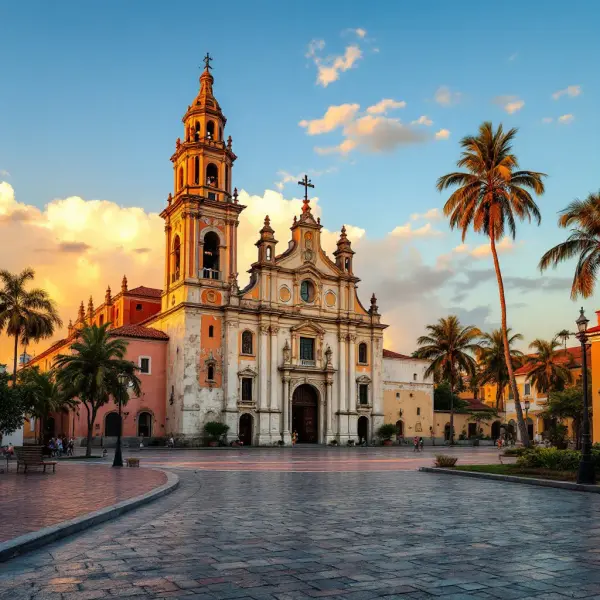
6. Convento de la Popa
O ponto mais alto de Cartagena oferece as melhores vistas da cidade, baía e ilhas de uma só vez. Suba ao terraço do convento e veja navios de cruzeiro deslizarem pelas antigas muralhas da cidade 150 metros abaixo.
Fatos rápidos: Empoleirado a 150 metros acima do nível do mar, este convento do século XVII oferece um panorama de 360 graus do horizonte de Cartagena, da baía e do Mar do Caribe. A colina recebeu o nome "Popa" porque os marinheiros espanhóis achavam que se assemelhava à popa de um navio.
Destaques: Dentro da capela do convento há uma pequena estátua de madeira da Virgem de La Candelaria, padroeira de Cartagena, que os moradores acreditam ter salvado a cidade de uma praga no século XVIII. Todo dia 2 de fevereiro, centenas de peregrinos sobem a colina para a Fiesta de la Candelaria, carregando velas pelo caminho de paralelepípedos ao amanhecer.
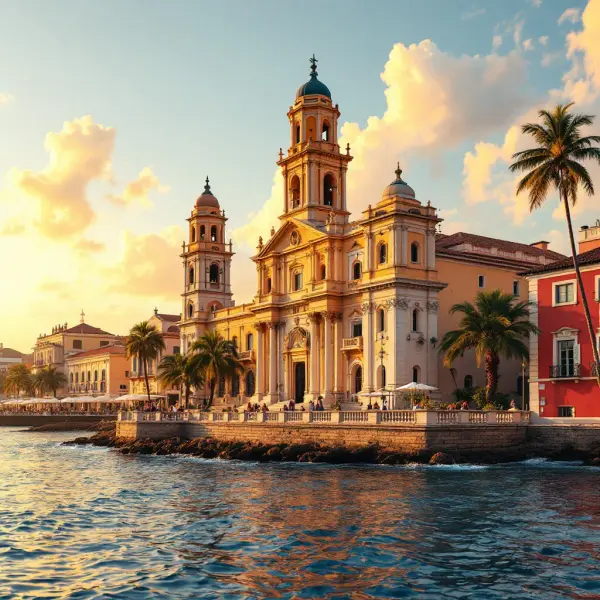
7. Las Bóvedas
Compre lembranças colombianas autênticas dentro de antigos cofres militares escavados nas muralhas da cidade. Passeie por 23 arcos repletos de barracas de artesãos, com a brisa do mar e a música local ecoando nas pedras.
Fatos rápidos: Vinte e três nichos arqueados se estendem pelas antigas muralhas da cidade, servindo outrora como depósito militar para as tropas espanholas. Estas grossas abóbadas de pedra mais tarde abrigaram prisioneiros antes de se transformarem em um colorido mercado de artesanato e arte locais.
Destaques: Durante a época colonial, estas abóbadas armazenavam pólvora e armas enquanto o mar batia diretamente contra as paredes externas, tornando-as impenetráveis a ataques. Hoje, os mesmos arcos estão repletos do barulho de artesãos esculpindo figuras de tagua e tecendo bolsas mochila enquanto o reggaeton ecoa pelos corredores de pedra.
8. Museo del Oro Zenu
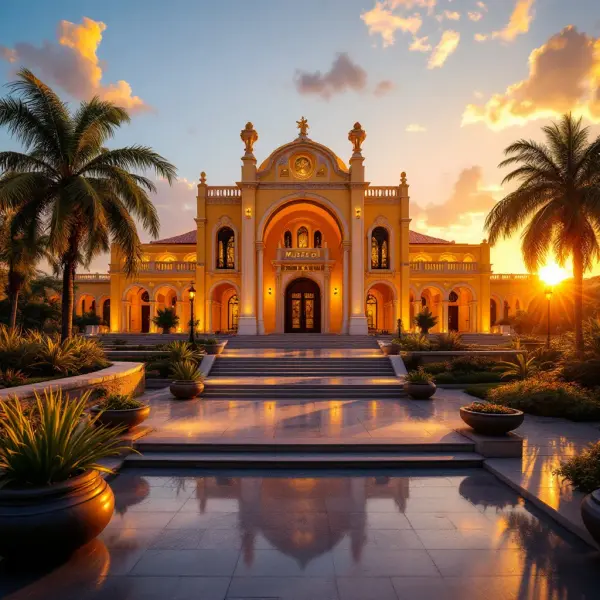
Entre em um tesouro de ourivesaria indígena que rivaliza com qualquer coleção da América do Sul. Você ficará cara a cara com brincos de filigrana intrincados, máscaras cerimoniais e ferramentas que revelam como os Zenú moldavam o ouro há 2.000 anos.
Fatos rápidos: O povo Zenú que criou estas peças de ouro projetou um elaborado sistema de canais para controlar inundações em 500 mil hectares de terras baixas. Alguns dos brincos de filigrana e argolas nasais expostos são tão delicadamente tecidos que pesam menos que um clipe de papel.
Destaques: Observe através do vidro o poporo, um recipiente de cal para folhas de coca, cuja superfície conta a história da vida espiritual Zenú através de milhares de minúsculos pontos martelados. Diferente dos objetos de ouro incas ou astecas guardados em depósitos, mais de 1.200 peças aqui estão dispostas em expositores abertos que permitem ver a frente e o verso de cada artefato, revelando como os artesãos trabalhavam ambos os lados do metal.
9. Catedral de Cartagena
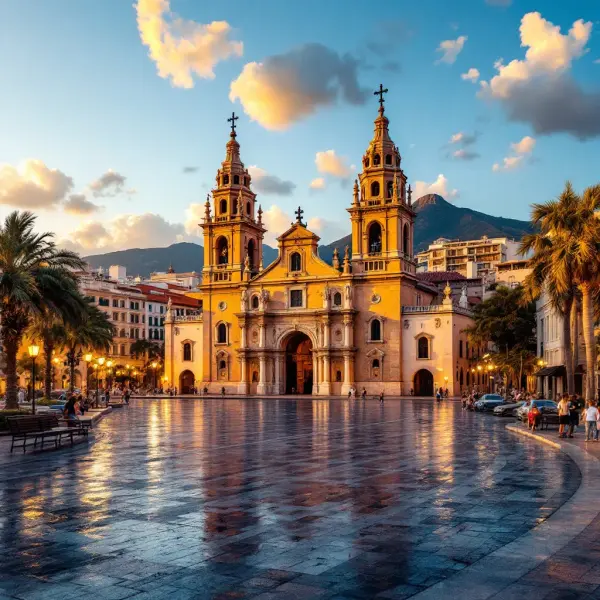
Uma das catedrais mais antigas das Américas, onde a história colonial encontra as lendas piratas. Fique dentro de paredes que sobreviveram a terremotos, ataques e 400 anos de tempestades caribenhas.
Fatos rápidos: Três séculos de construção deram a esta catedral uma fascinante mistura arquitetônica. O ataque de Sir Francis Drake à cidade em 1586 interrompeu os primeiros esforços de construção, deixando a estrutura inacabada na praça principal por décadas.
Destaques: Olhe atentamente para o altar principal e você verá uma pequena bala de canhão incrustada na parede, uma cicatriz de um ataque pirata do século XVII. A torre do sino desigual da catedral conta outra história: um terremoto em 1830 derrubou a original, e sua substituta foi construída levemente torta de propósito para evitar colapsos futuros.
Where to Stay in Cartagena, Colombia
Selected by City Buddy based on guest reviews and proximity to top attractions
Search all hotels in Cartagena, ColombiaPowered by agoda
Pratos doces tradicionais
Cocadas
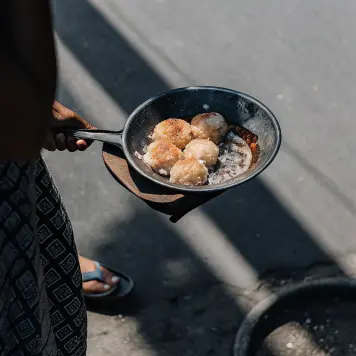
Cocadas are sweet coconut confections that trace their origins to the African diaspora in Cartagena. They are famously sold by palenqueras, Afro-Colombian women in colorful dresses who balance bowls of them on their heads as they walk through the city.
Dulce de Leche (Arequipe)
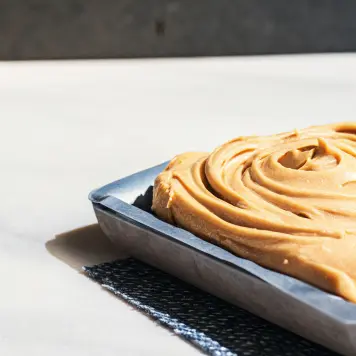
In Cartagena, dulce de leche is often blended with coconut or fruits like guava to create rich, creamy desserts. It is a staple sweet spread that locals enjoy with cheese or on bread.

Ensalada de Frutas (Fruit Salad)
Cartagena's fruit salad is no ordinary dish; it is a vibrant mix of tropical fruits like mango, papaya, and lulo, often topped with a splash of lime and a sprinkle of salt. Street vendors sell it chilled on hot Caribbean days for a refreshing treat.
Pratos salgados tradicionais

Arroz con Coco (Coconut Rice)
Arroz con coco is a quintessential Cartagena side dish made by cooking rice in coconut milk and often sweetened with a hint of sugar. It is typically served alongside fried fish and patacones, creating the classic Caribbean coastal plate.

Mote de Queso
Mote de queso is a hearty, creamy soup made with yam, salted costeño cheese, and herbs. It originated in Cartagena's countryside and is a comforting dish that showcases the region's love for combining cheese with savory stews.
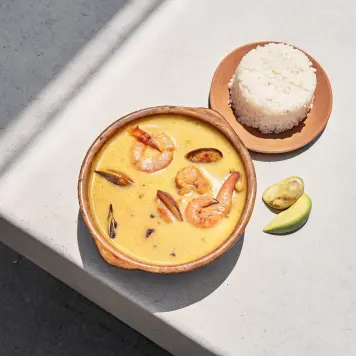
Cazuela de Mariscos (Seafood Stew)
This rich seafood stew is packed with shrimp, fish, crab, and clams simmered in a coconut milk and tomato broth. It reflects Cartagena's coastal location and is often served in a clay pot with rice and avocado on the side.
Bebidas tradicionais
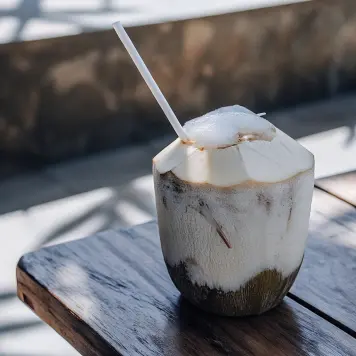
Limonada de Coco (Coconut Lemonade)
Limonada de coco is a creamy, tropical blend of fresh lime juice, coconut milk, and ice that is uniquely popular in Cartagena. Unlike a standard lemonade, it is frothy and rich, making it the ultimate thirst-quencher on a Caribbean afternoon.

Jugo de Lulo
Lulo is a tangy, citrus-like fruit native to Colombia, and its juice is a beloved drink throughout Cartagena. It is often sweetened with sugar and served over ice, offering a bright, zesty flavor that locals swear by for beating the heat.

Aguardiente Antioqueno
Aguardiente is Colombia's signature anise-flavored sugarcane spirit and a favorite at Cartagena's lively street festivals and nightclubs. It is commonly called "guaro" and is typically sipped straight or mixed into cocktails like the popular "Saoco."
Frequently Asked Questions about Cartagena, Colombia
"Cartagena, Colômbia é segura?"
"Quantos dias ficar em Cartagena, Colômbia?"
"Melhor época para visitar Cartagena, Colômbia?"
"Cartagena, Colômbia é cara?"
"Como se locomover em Cartagena, Colômbia?"
Receba um PDF com as atrações mais populares no seu e-mail
Receba um PDF com todas as atrações, avaliações e dicas. Perfeito para uso offline.
Passeios de um dia mais populares
Islas del Rosario
Stunning coral islands with white sand beaches and clear turquoise water
Playa Blanca (Barú)
Pristine white sand beach with crystal clear Caribbean waters
Volcán de Lodo El Totumo
Famous mud volcano where you bathe in therapeutic warm mud
San Basilio de Palenque
UNESCO heritage village founded by escaped African slaves
Como chegar
Aeroportos
Estações de trem
None. Buses, taxis, and private cars are the main transport options.
From CTG airport, take a taxi or Uber to the Old Town (15 to 20 minutes, around USD 10 to 15). Always agree on price beforehand.
Encontre voos para Cartagena, Colombia
Clique para obter eSim para Cartagena, Colombia
A forma mais fácil e acessível de ter internet móvel onde quer que você viaje.
Comentários (10)
Eat at La Cevicheria for lunch not dinner. Same amazing food but half the price. And skip the restaurants on the main wall, walk one block inland.
Best 4 days ever. The colors, the music, the people. Took a boat to Islas del Rosario and it felt like paradise. Would go back tomorrow.
Always carry small bills. So many places claim to not have change for larger notes. Taxis too, insist on the meter or agree on price before getting in.
Mixed feelings. City is stunning but everything felt overpriced for Colombia. Drinks in Plaza Santo Domingo were twice what I paid in Medellin.
Rainy season caught me off guard. Showers every afternoon but they pass fast. Still managed to see everything and had a great time overall.