 CityBuddy
 Português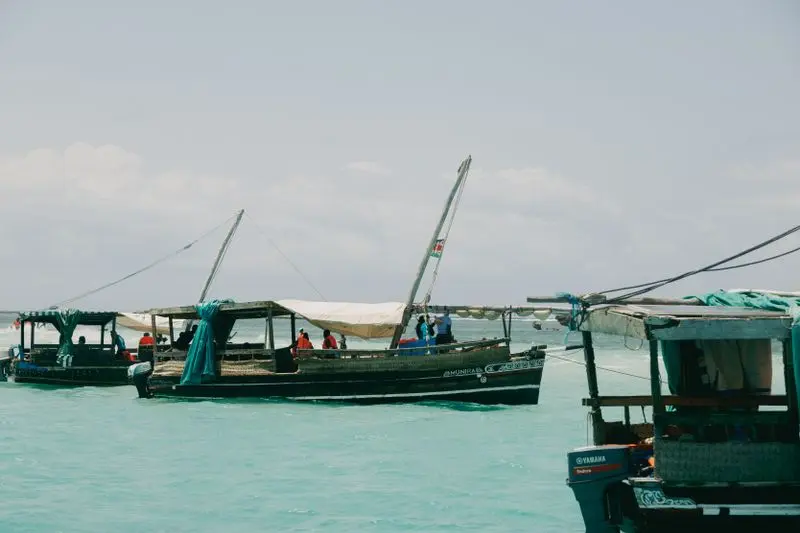
O que fazer em Mombasa, Kenya
Foto feita por Ben Iwara no Pexels.com
Quando visitar
Quando você vai para Mombasa, Kenya?
Escolha suas datas e estilo de viagem para receber:
Algum destes é especialmente importante para você?
Selecione todos que se aplicam
Getting around
How do you want to move between places?
Plan language: PortuguêsAtrações mais populares em Mombasa, Kenya
Things to do in Mombasa, Kenya center on four centuries of history. Fort Jesus, built in 1593, overlooks the Indian Ocean, while the nearby Old Town charms with its coral houses and carved doors. Then, stroll beneath the Mombasa Tusks, the four elephant tusks erected in 1952.
1. Fort Jesus
A single building concentrates five centuries of maritime and colonial conflicts. In two hours, explore its tunnels and the view over the harbor.
Fatos rápidos: A estrutura de coral e argamassa de cal foi erguida pelos portugueses em 1593, antes de ser tomada de assalto nove vezes por omanis e britânicos. A UNESCO a inscreveu no patrimônio mundial em 2011, e o traçado em forma de homem de suas muralhas ainda guarda canhões do século XVIII.
Destaques: Um túnel subterrâneo escavado no coral ligava antigamente o forte à praia, passagem discreta para abastecer ou evacuar a guarnição. Perto da muralha oeste, ainda se percebem impactos de balas de canhão deixados pelo cerco otomano de 1696.
2. Old Town Mombasa
Walk through a neighborhood that tells a thousand years of trade and cultural blending. Carved doors, cool alleys and spices on every corner await your senses.
Fatos rápidos: This maze of shaded alleys hides more than 40 carved wooden doors, some 300 years old, and has served as a port for over 1,000 years. Vasco da Gama anchored there in 1498, while nearly 50 different communities have left their mark on the coral facades.
Destaques: On Ndia Kuu Street, history can be read in the mangrove wood doors, some of which bear Quranic inscriptions carved in the time of the Omani sultans. Around 5 p.m., the Indian Ocean breeze carries the smell of fried samosas and spiced tea, while the shops unpack their beads and kanga fabrics on the jetty.
3. Mombasa Tusks
Two 20-meter aluminum arches welcome you at the threshold of the city center. Stand beneath them at dusk to experience the atmosphere of a square that never sleeps.
Fatos rápidos: Few drivers know they are driving under hollow aluminum tusks each weighing nearly half a ton, a metal chosen to withstand the salt of the Indian Ocean. The main pair was raised in 1952 to salute the visit of a queen, and the two arches cross above the avenue without ever touching.
Destaques: The setting sun slips between the two arches and lights up the aluminum with an orange glow that sweeps across the full width of the road. Mombasans simply make a date "under the tusks": it is the only landmark in the city where everyone, from the matatu driver to the harbor fisherman, knows exactly where to stand.
4. Bamburi Beach
Guaranteed idleness on ten kilometers of warm coral sand, under an eternal sun. Dive into 27-degree water, share the dusk with fishermen and camels.
Fatos rápidos: The white sand stretches for almost 12 kilometers, washed by water that stays at 27 degrees all year round. Local fishermen launch their traditional dhow every morning, just a few meters from the sunbathers' umbrellas.
Destaques: In the late afternoon, the beach keepers release their dromedaries onto the sand, their long shadows gliding between the dhows returning from fishing. The sand, ground down by corals, stays surprisingly cool under the sun, a particularity you feel from the very first step.
5. Nyali Beach
Swim in a turquoise lagoon guarded by a living reef, white sand as far as the eye can see. Share the bay with fishermen on dhows and schools of multicolored fish.
Fatos rápidos: Guarded by the coral reef of its lagoon, the beach stretches over more than two kilometers of white sand fringed with coconut palms. Local fishermen, the dau lausi, haul their dhows loaded with fresh fish every morning in front of amazed bathers.
Destaques: At low tide, shallow channels form in the coral reef, creating natural pools where schools of golden-striped butterflyfish dart about. Baby blacktip reef sharks sometimes hunt in these sandy hollows just a few meters from the swimmers, a spectacle few visitors know about.
6. Haller Park
Hippos, giraffes and giant tortoises thrive in a quarry transformed into a lush forest. Follow the shaded trails and watch the spectacular feeding of the crocodiles.
Fatos rápidos: René Haller, a Swiss ecologist, brought this barren limestone quarry back to life as a forest populated by hundreds of giraffes, hippos, antelopes, and birds. Along the way you will meet Mzee, a giant Seychelles tortoise over 130 years old, famous for its unlikely friendship with Owen, an orphaned hippo.
Destaques: The star of the park remains Owen, the little orphaned hippo taken in after the 2004 tsunami, who chose as his best friend Mzee, a giant tortoise weighing 220 kilos. The two companions swim, eat, and sleep side by side, a tender and surreal scene to observe from the trails.
7. Mombasa Marine National Park
Float above coral gardens teeming with turtles and multicolored fish. A glass-bottom boat reveals this natural aquarium two meters below the surface.
Fatos rápidos: A short distance from the beaches, the lagoon is home to more than 150 species of fish, green turtles, and long-beaked dolphins. The coral gardens sometimes rise to less than a meter below the surface, offering an underwater spectacle accessible even without being a diver.
Destaques: The reef of Sii Island suddenly drops from a coral platform a few meters deep into the big blue, a cliff where gorgonians and parrotfish stack up in colorful layers. Glass-bottom boats let green turtles glide within arm's reach, a slow rhythm that turns every outing into a silent ballet.
8. Mamba Village Centre
Come see 10,000 Nile crocodiles in a farm open to the public. Watch the feeding, hold a baby croc and taste the grilled meat.
Fatos rápidos: Mais de 10 000 crocodilos do Nilo vivem em tanques de lama ao ar livre, incluindo vários exemplares com mais de 4 metros de comprimento. Sessões diárias de alimentação transformam esses répteis sonolentos em projéteis que saltam da água a poucos metros dos espectadores.
Destaques: Durante a refeição, os tratadores suspendem um grande pedaço de carne acima do tanque: as mandíbulas se fecham a quase 5 metros de altura e o som do impacto ecoa por todo o criatório. Também é possível ver avestruzes que se aproximam das grades para bicar, e os mais curiosos podem degustar um bife de crocodilo grelhado e provar uma omelete de ovo de avestruz.
9. Bombolulu Workshops and Cultural Centre
A place where buying a jewel changes an entire life. Pearls, wood and traditional dances mingle in a visit that astonishes the senses.
Fatos rápidos: One hundred and thirty artisans with disabilities craft beaded jewelry, wooden sculptures, and dyed fabrics, a skill passed down within the same workshop. Every piece sold funds medical care, prosthetics, and schooling for these workers, an entire economic model built around their independence.
Destaques: Behind the shop, an open courtyard lets you watch the artisans at work: fingers run over the beads with the regularity of a metronome and the workshop echoes with the ticking of small hammers. The guide then takes you to the reconstructed village of the coastal ethnic groups, where dancers pull you by the hand onto the stage at the end of the show, a custom that will stay with you.
10. Jumba la Mtwana
Forgotten Swahili ruins facing the ocean, far from the crowd. Walk among mosques, tombs and centennial baobabs while listening to the tide.
Fatos rápidos: The name translates as "house of the slave" in Swahili, a curious nickname for this village of sailors and merchants from the 14th century. Ruins of coral houses and mosques spread out under old baobabs, facing a cove where the tide rises and falls twice a day.
Destaques: Inside the great mosque, the prayer niche carved in coral has remained almost intact after seven centuries of sea winds. Baobab roots grip the walls like giant fingers, and fishermen still say the tomb-pillar served as a landmark for the dugout canoes.
Where to Stay in Mombasa, Kenya
Selected by City Buddy based on guest reviews and proximity to top attractions
Search all hotels in Mombasa, KenyaPowered by agoda
Pratos doces tradicionais
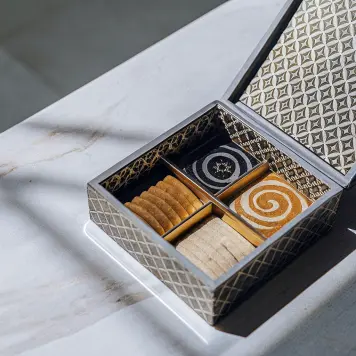
Halwa
Mombasa halwa is a dense, jelly-like dessert made from cornflour, ghee, sugar, and aromatic spices, slowly simmered until glossy and set. It is a prized treat often served at weddings, Eid celebrations, and given as gifts in decorative boxes.
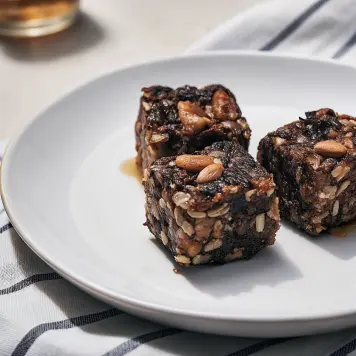
Kashata
Kashata is a coconut and peanut brittle candy, featuring toasted coconut and roasted peanuts bound together with caramelized sugar. The name comes from a Gujarati word, showing the influence of Indian traders who settled in Mombasa.
Mahamri
Mahamri are fluffy, triangle shaped doughnuts made from coconut milk and cardamom, then deep fried until golden. They are a beloved coastal breakfast food, often dipped in tea or served with savory pigeon peas.
Pratos salgados tradicionais
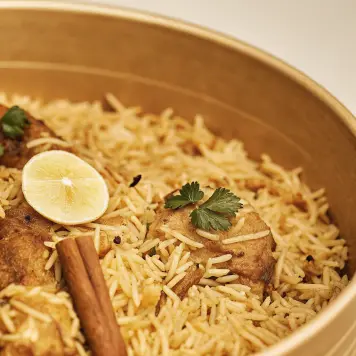
Swahili Biryani
Mombasa's biryani is a fragrant one-pot dish of spiced rice and meat, slow cooked with warm spices like cardamom, cinnamon, and cloves. It is a centerpiece at weddings and festivals, reflecting the port city's centuries of trade with Arabia, Persia, and India.
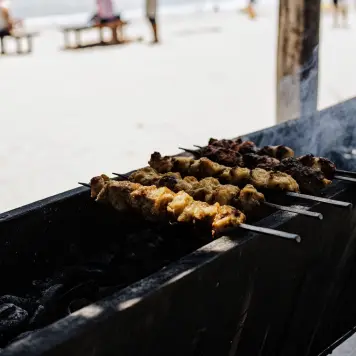
Mshikaki
Mshikaki is marinated beef, often mixed with fat for tenderness, skewered and grilled over open coals until charred and smoky. It is a favorite Swahili street food sold by vendors along Mombasa's busy streets and beaches.
Viazi Karai
Viazi karai are potato wedges dipped in a spiced gram flour batter and deep fried until golden and crispy. They are often served as a snack with a tangy chili sauce near the old town and Fort Jesus.
Bebidas tradicionais
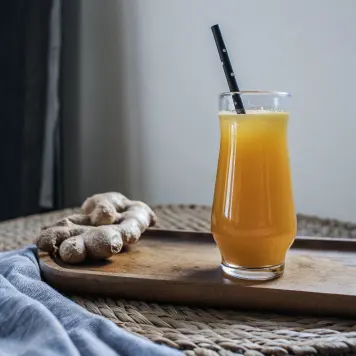
Tangawizi
Tangawizi is a fiery, refreshing ginger drink made from freshly grated ginger, lemon, and a touch of sugar. The name itself means ginger, and locals believe a glass of it helps soothe stomachs and ward off colds.
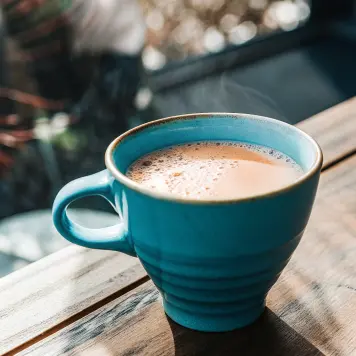
Chai ya Tangawizi
Chai ya tangawizi is Mombasa's spiced ginger tea, brewed strong with milk, ginger, and cardamom. Street vendors serve it in the morning and evening, and it is a daily ritual that brings neighbors and families together.
Madafu
Madafu is the cool, sweet water of young green coconuts, usually sipped straight from a freshly machete cut husk by roadside sellers. It is treasured along the coast for its light taste and is seen as nature's perfect thirst quencher in the tropical heat.
Frequently Asked Questions about Mombasa, Kenya
Is Mombasa, Kenya, a safe city for tourists?
How many days should you plan for visiting Mombasa, Kenya?
What is the best time to visit Mombasa, Kenya?
Is Mombasa, Kenya, an expensive destination?
How can you get around Mombasa, Kenya?
Receba um PDF com as atrações mais populares no seu e-mail
Receba um PDF com todas as atrações, avaliações e dicas. Perfeito para uso offline.
Passeios de um dia mais populares
Diani Beach
White sand beaches, coral reefs, water sports and beach resorts
Shimba Hills National Reserve
Coastal rainforest, sable antelope, Sheldrick Falls and panoramic viewpoints
Wasini Island and Kisite Marine Park
Snorkeling, dhow cruises and dolphin watching in a marine reserve
Gede Ruins
Ancient Swahili ruins in a forest sanctuary with golden-rumped elephant shrews
Tsavo East National Park
Vast savanna safari park famous for red elephants and the Galana River
Como chegar
Estações de trem
Standard Gauge Railway to Nairobi
Former Uganda Railway line, heritage route
From MBA take a taxi or matatu about 30 minutes to town. From Nairobi, the SGR train takes about 5 hours and is smoother than the highway.
Encontre voos para Mombasa, Kenya
Clique para obter eSim para Mombasa, Kenya
A forma mais fácil e acessível de ter internet móvel onde quer que você viaje.
Comentários (9)
Skip the restaurants right on Diani beach road. Walk 10 minutes inland to the local joints, same seafood for half the price. Ask locals where they eat dinner
Honestly expected more. Fort Jesus was cool but the city itself felt a bit run down and pushy vendors everywhere. Maybe 2 nights is enough for most people
October weather was muggy as hell but the coast made it worth it. Beach days were perfect, inland in the city less so. Pack light and airy clothes
Came for a weekend, wished I stayed a week. The mix of Indian, Arab and African culture in the food alone is worth the flight
Plan around the tides for the old town ferry and dhow trips. Google the tide table first, you'll save yourself a lot of wasted waiting around at the jetty