 CityBuddy
 Русский
Чем заняться в Nanjing, China
Фото сделано Abderrahmane Habibi на Pexels.com
Когда ехать
Самые популярные достопримечательности в Nanjing, China
Ищете самые интересные достопримечательности Нанкина, Китай? Начните с мавзолея Сунь Ятсена, расположенного высоко на горе Пурпурная и ведущего к 392 гранитным ступеням. Прогуляйтесь по Нанкинской городской стене у ворот Чжунхуа, крепости возрастом 600 лет, протяженностью почти 22 мили. Завершите у храма Конфуция (Фузимяо), где лодки с фонарями на реке Циньхуай веками привлекают посетителей.
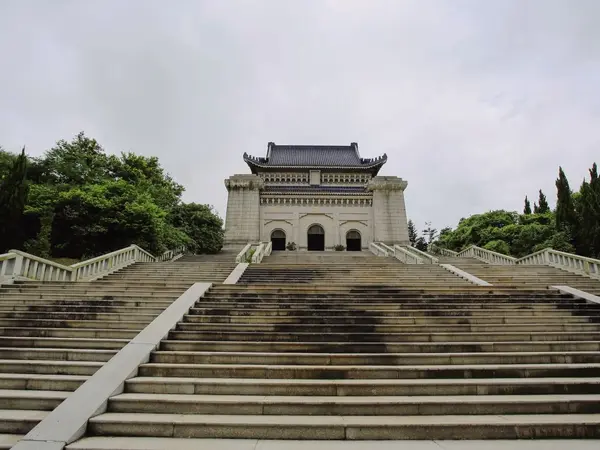
1. Sun Yat-sen Mausoleum
A 392-step climb through towering pine forests leads to one of the most symbolic monuments in modern Chinese history. At the top, sweeping views of the Purple Mountain and the bell-shaped architectural complex unfold before you.
Краткие факты: Более 3 миллионов посетителей ежегодно поднимаются по 392 ступеням к мавзолею. Весь комплекс был спроектирован в форме огромного колокола, символизирующего призыв к пробуждению китайского народа.
Основные моменты: Белая мраморная статуя этого человека находится в зале, потолок которого украшает потрясающий синий символ неба с двенадцатью лучами, принадлежащий Гоминьдану, идеально совпадающий с рисунком пола внизу. С верхней платформы оглянитесь назад через арку и обратите внимание, как вся лестница исчезает из виду, создавая иллюзию, что вы идёте прямо в склон горы.
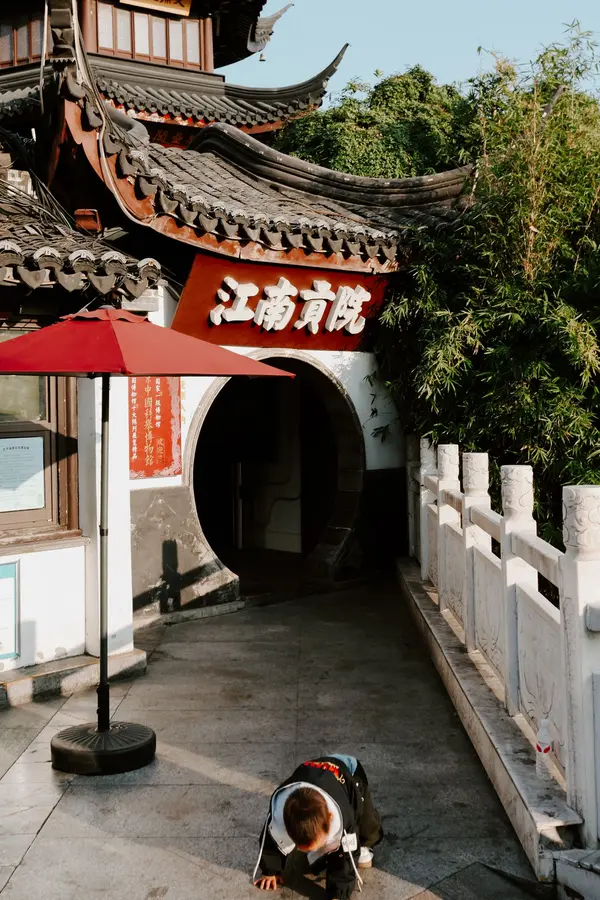
2. Confucius Temple (Fuzimiao)
Fuzimiao
Wander through a 1,000-year-old temple complex surrounded by a lively night market and canal district. Sample street food, browse calligraphy shops, and watch boats glide under moon bridges on the Qinhuai River.
Краткие факты: Комплекс храма Конфуция в Нанкине был основан в 1034 году, хотя большинство построек восстановили после того, как в 1850-х годах город опустошило восстание тайпинов. Окружающий базарный район ежегодно привлекает более 50 миллионов посетителей, что делает его одной из самых посещаемых пешеходных зон Китая.
Основные моменты: Зайдите в главный зал, чтобы увидеть одну из крупнейших в Китае вырезанных из камня статуй Конфуция, окруженную древними музыкальными инструментами, на которых до сих пор играют во время традиционных церемоний. Ночью отражение тысяч красных фонарей в реке Циньхуай создает зеркальный эффект, столь точный, что можно сосчитать каждую пару фонаря в воде внизу.
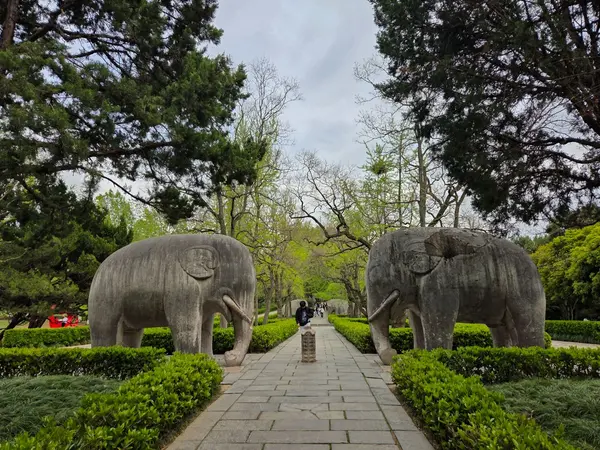
3. Ming Xiaoling Mausoleum
Explore the resting place of a founding emperor, where ancient stone guardians have stood watch for six centuries. Stroll a 1,800-meter sacred pathway lined with giant beasts and climb to a crimson-walled tower with sweeping forest views.
Краткие факты: The mausoleum complex took over 25 years and 100,000 laborers to complete. Its massive stone tortoise, weighing over 80 tons, is one of the largest ancient stone sculptures in China.
Основные моменты: Walk the Sacred Way lined with 12 colossal stone animals, each carved from a single block of granite standing silently for over 600 years. The square brick "Soul Tower" rises 33 meters high, its red walls and golden roof glowing sharply against the green forest canopy.
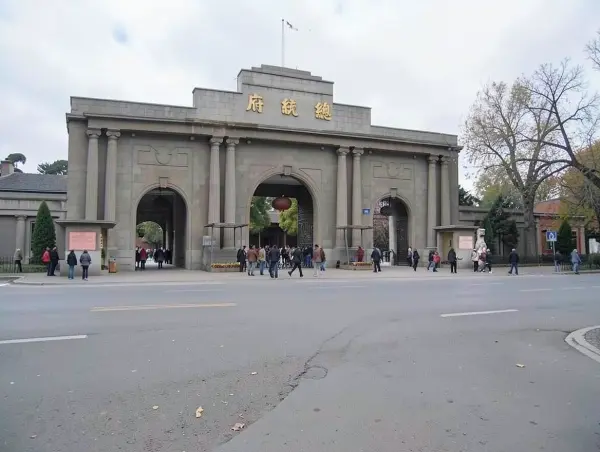
4. Presidential Palace of Nanjing
Walk through the actual offices and courtyards where China's modern history was written by emperors, rebels, and presidents. Stand in the same rooms where treaties were signed and dynasties fell.
Краткие факты: Девять различных китайских правительств размещали свои штаб-квартиры в этом огромном комплексе, начиная с восстания тайпинов в 1850-х годах и заканчивая победой коммунистов в 1949 году. Комплекс занимает площадь более 120 000 квадратных метров и насчитывает более 1000 комнат, расположенных среди традиционных китайских садов и административных зданий в западном стиле.
Основные моменты: Внутри комплекса находится тихий сад в западном стиле и один из первых работающих лифтов во всем Китае того времени, установленный правительством Чан Кайши. Вы до сих пор можете войти в ту самую кабину лифта с латунной решеткой и ручными раздвижными дверцами , удивительный образец технологий 1930-х годов, скрытый среди древних павильонов.
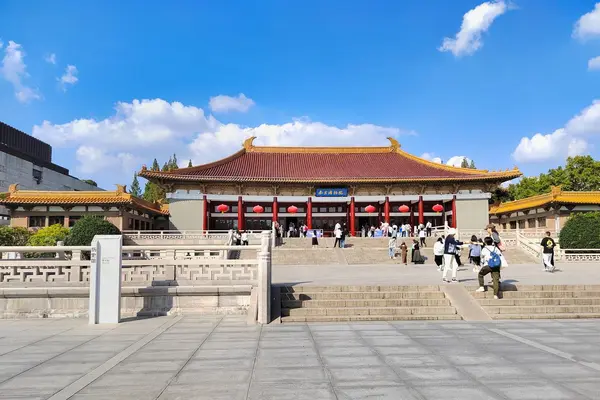
5. Nanjing Museum
Step into a museum that holds one of China's greatest cultural treasure troves. Wander halls filled with ancient jade, imperial porcelain, and a remarkably preserved Ming dynasty tomb.
Краткие факты: Over 400,000 artifacts call this museum home, with only a fraction on display at any time. The collection spans from prehistoric times through the Ming and Qing dynasties, offering a dizzying journey through millennia of Chinese civilization.
Основные моменты: Look for the "Golden Cicada" from the Han dynasty, a tiny burial ornament carved from a single piece of jade with wings so thin you can see light through them. The museum's underground treasure room stores over 2,000 of the finest pieces in climate-controlled darkness, rotating them out only once a decade to preserve their condition.
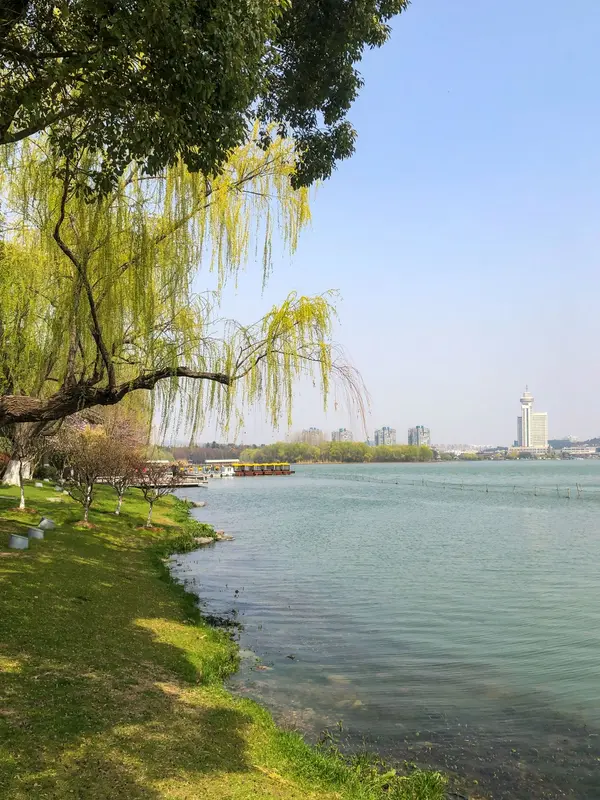
6. Xuanwu Lake Park
Swap Nanjing's neon bustle for a five-island escape where 444 hectares of water and willow trees await. Cycle past lotus ponds under 600-year-old city wall ruins, then join morning tai chi groups by the shore.
Краткие факты: Spreading across 444 hectares, the park wraps around a lake that covers about three-quarters of its total area, with five interconnected islets linked by arched bridges and causeways. Morning visitors can catch locals practicing tai chi along the 9.5-kilometer shoreline path, a daily ritual shared by hundreds.
Основные моменты: On the largest islet, a 15th-century Ming dynasty city wall segment still stands, and you can climb a section that dates back over 600 years for a panoramic view where ancient ramparts meet the glass towers of modern Nanjing. The park also holds a quiet literary secret: the famed Qing dynasty scholar Yuan Mei once composed poetry here while gazing at the lake's lotus blooms.
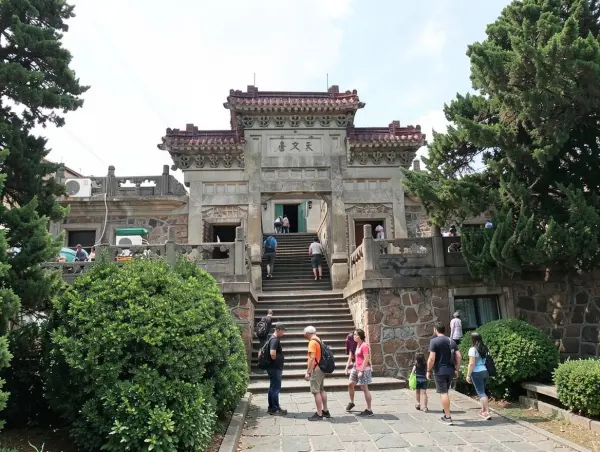
7. Purple Mountain Observatory
Stand where China's first modern astronomers did, among ancient bronze instruments and century-old telescopes. Walk through domed observation rooms, touch real meteorite fragments, and see the Milky Way through a telescope that has tracked stars since the 1930s.
Краткие факты: Первая современная астрономическая обсерватория Китая расположена на вершине горы на высоте 267 метров и вмещает более 30 телескопов, включая потрясающий 60-сантиметровый рефрактор Цейсса 1934 года. На территории обсерватории находятся древние китайские астрономические инструменты, такие как армиллярная сфера и гномон, некоторые из них датируются XV веком и были перенесены сюда для сохранения.
Основные моменты: Среди сосен скрывается двойной астрограф Цейсса 1934 года, установленный на массивной бетонной колонне, которая изолирует его от малейших колебаний почвы. В ясные ночи этот почти вековой инструмент всё ещё способен отслеживать звёзды с механической точностью, управляемый астрономами, которые вручную открывают раздвижную крышу, чтобы открыть небо.
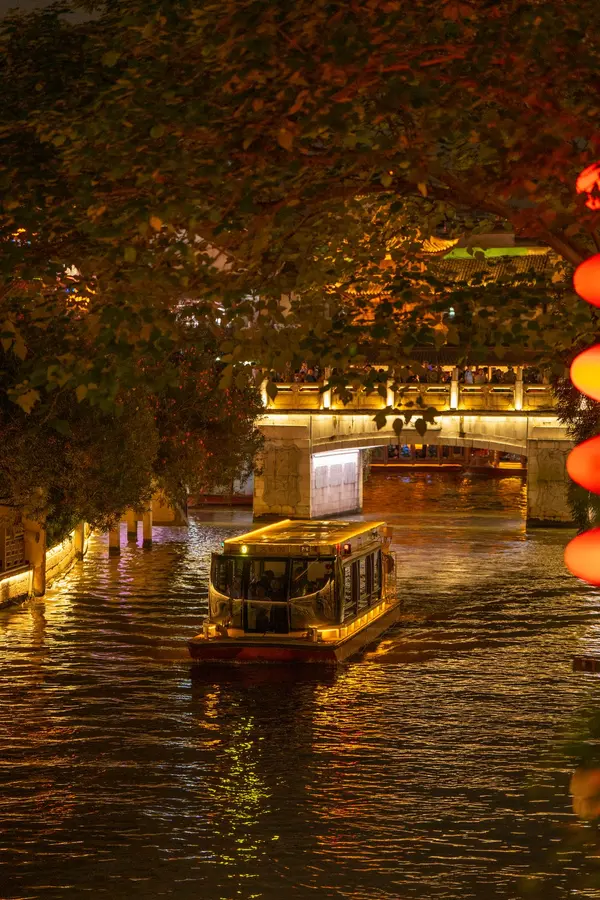
8. Qinhuai River Scenic Belt
Nowhere else on earth can you glide past 1,500 years of history while listening to musicians serenade you from wooden boats. Expect lantern-lit waterways, ancient temples reflected in dark water, and the scent of street food drifting across the bridges.
Краткие факты: Stretching roughly 110 kilometers from Jiangsu into Shanghai, this waterway once served as the central artery for imperial grain shipments. Lantern-lit pleasure boats have glided along these waters since the Tang Dynasty, a tradition that continues tonight.
Основные моменты: Every evening around dusk, local musicians in traditional dress board wooden boats and perform pingtan, a storytelling folk art, while drifting past the 1,500-year-old Confucius Temple. The combination of sung poetry, pipa strings, and lapping water against stone walls creates an acoustic experience that has remained unchanged for centuries.
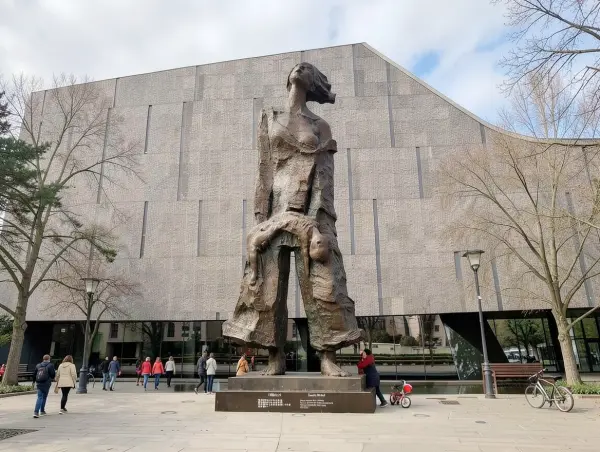
9. Memorial Hall of the Victims in Nanjing Massacre
One of the most solemn and powerful memorials in the world, documenting a tragedy that must never be forgotten. You will walk through galleries of personal artifacts, survivor testimonies, and an outdoor sculpture garden designed to stir quiet reflection.
Краткие факты: Мемориальный комплекс расположен на месте массового захоронения, где покоятся останки более 10 000 жертв. Специалисты по геноциду считают это одним из наиболее документированных массовых злодеяний XX века. В зале представлено более 5 000 материальных свидетельств, включая показания очевидцев и редкие фотографии.
Основные моменты: Посетители проходят через огромный зал, усыпанный белой галькой. Каждый камень молчаливо символизирует жертву, погибшую за шесть недель оккупации. Имена 10 642 подтвержденных жертв высечены на огромной «Стене скорби» длиной 40 метров. Китайские иероглифы вырезаны так глубоко, что их можно обвести пальцами.
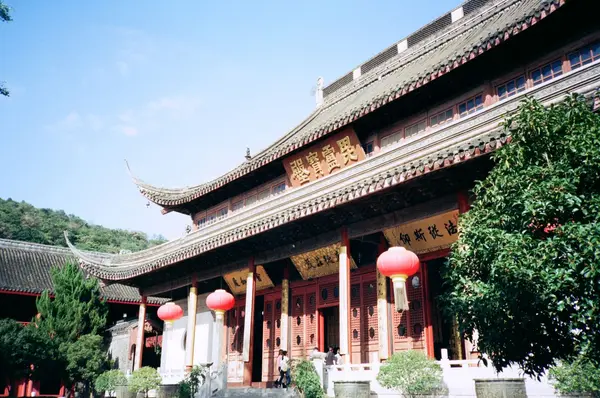
10. Qixia Mountain
Приезжайте за осенним огнём: 50 видов клёнов в ноябре окрашивают целые склоны в багрянец. Бродите по мшистым лестницам среди тысячелетних храмов, скальных Будд и тихих лесов.
Краткие факты: В ноябре этот склон вспыхивает: около 50 сортов клёна загораются красным, оранжевым и золотым по всему склону. Более 500 высеченных Будд смотрят с отвесной скалы за храмовым комплексом, которому 1400 лет.
Основные моменты: За главным залом стоит 18-метровая каменная пагода 601 года, на её 8 гранях вырезаны танцующие небесные музыканты, львы и мотивы лотоса. Погожим ноябрьским днём косые лучи солнца заливают высеченные лица Будд на скале золотом, тем самым тёплым светом, на который, вероятно, и рассчитывали каменотёсы.
11. Lao Men Dong
Переулки в свете фонарей, живая опера и тарелки супа, о которых вы будете вспоминать годами. Пройдитесь однажды вечером, и вы попробуете, услышите и почувствуете целый вечер в живом старом квартале.
Краткие факты: Более 40 пешеходных переулков расходятся от единственных арочных каменных ворот, и с полудня воздух наполняется запахом жареного теста и утиного бульона. Стена династии Мин протяжённостью 35 километров возвышается над крышами, а после наступления темноты её каменные сторожевые башни подсвечиваются прожекторами.
Основные моменты: Сверните с главной улицы, и вы найдёте многовековую кирпичную резьбу с изображениями летучих мышей и пионов, до сих пор спрятанную над дверными проёмами, где жители когда-то загадывали желания о богатстве и семье. После наступления темноты местный театр комедии начинает представление в жанре сяншэн, и смех разносится по освещённому фонарями переулку как ночной ритуал, который длится за десять вечера.
Where to Stay in Nanjing, China
Selected by City Buddy based on guest reviews and proximity to top attractions
Search all hotels in Nanjing, ChinaPowered by agoda
Дни работы в Nanjing, China
Какие из главных достопримечательностей закрыты в какой день недели: классическая причина испорченной поездки, проверено за вас.
понедельник: закрыто 2 из 4 главных достопримечательностей. Планируйте музеи на другой день.
Закрыто в понедельник · закрыто: 2, открыто: 2
Дни работы по данным Google Maps (проверено 2026-07-02). Праздники, забастовки и сезонный график могут отличаться. Проверяйте официальный сайт перед поездкой.
Традиционные сладкие блюда
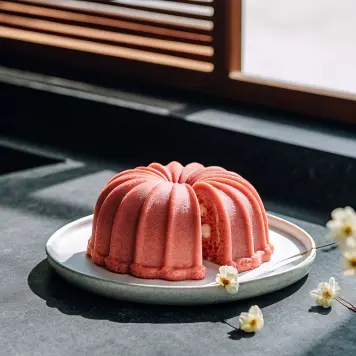
Sweet Osmanthus Cake (Gui Hua Gao)
This steamed sponge cake is infused with sweet osmanthus flowers that bloom across Nanjing in autumn. The cake's delicate floral aroma and fluffy texture have made it a beloved snack since the Ming Dynasty.
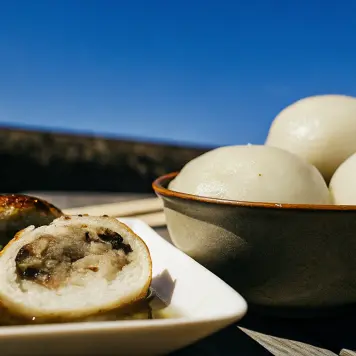
Nanjing Salted Duck and Glutinous Rice Balls (Tangyuan)
For a sweet twist on a savory city, Nanjing style tangyuan are often filled with black sesame or osmanthus and served in fermented rice soup. They are a must eat during the Lantern Festival celebrations in the city.
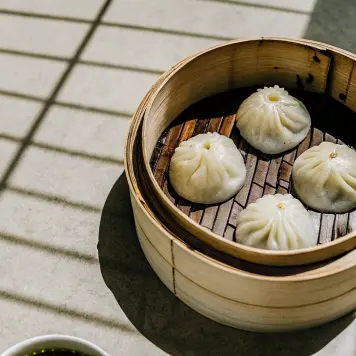
Plum Cake (Mei Hua Gao)
Named after Nanjing's city flower (the plum blossom), this diamond shaped cake is made from rice flour and red bean paste. Vendors have sold it from street stalls near the Ming City Wall for generations.
Традиционные соленые блюда

Nanjing Salted Duck (Yan Shui Ya)
Nanjing's most famous dish uses a dry salt curing method that dates back over 1,000 years. The duck is slowly brined and then gently poached, resulting in incredibly tender meat and silky skin.

Nanjing Pan Fried Beef Dumplings (Niu Rou Guo Tie)
These crescent shaped dumplings have a crispy, lacy golden bottom from pan frying in a special iron skillet. They are typically served with a vinegary soy dipping sauce that locals insist must include freshly shredded ginger.

Duck Blood and Vermicelli Soup (Ya Xue Fen Si Tang)
This hearty soup features duck blood cubes, glass vermicelli, tofu puffs, and fresh duck parts in a rich broth. It is such a staple of Nanjing street food that countless small shops have spent generations perfecting their family recipes.
Традиционные напитки

Osmanthus Sake (Gui Hua Jiu)
Nanjing's sweet osmanthus flowers are steeped in rice wine to create this fragrant, lightly sweet liquor. It has been produced in the region since the Tang Dynasty and is traditionally drunk during the Mid Autumn Festival.

Yuxing Plum Juice (Suan Mei Tang)
This tangy and refreshing sour plum drink is made from smoked plums, rock sugar, osmanthus, and hawthorn berries. It is the classic thirst quencher of Nanjing, especially popular during the sweltering summer months along Confucius Temple street.

Nanjing Green Tea (Yu Hua Cha)
Named after the famous Rainflower Pebbles found in Nanjing, this green tea has a distinctive pine needle shape and a clean, chestnut like flavor. It was awarded the title of one of China's top ten famous teas.
Часто задаваемые вопросы о Nanjing, China
"Безопасен ли Нанкин, Китай для туристов?"
"Сколько дней планировать на поездку в Нанкин, Китай?"
"Когда лучше всего посещать Нанкин, Китай?"
"Дорого ли посещать Нанкин, Китай?"
"Как передвигаться по Нанкину, Китай?"
Получите PDF с самыми популярными достопримечательностями на вашу почту
Получите PDF со всеми достопримечательностями, рейтингами и советами. Идеально для использования офлайн.
Самые популярные однодневные поездки
Suzhou
Classical gardens and water towns, a UNESCO World Heritage site
Hangzhou
Famous West Lake, tea plantations and historic temples
Как добраться
Аэропорты
Железнодорожные вокзалы
Beijing-Shanghai High-Speed Railway, Shanghai-Nanjing Intercity Railway
Beijing-Shanghai Railway, Ningxi Railway
From Lukou Airport, take Metro Line S1 to Nanjing South Station (about 50 minutes). Taxi to city center takes 40 minutes.
Полезная информация для Nanjing, China
Обзор для Nanjing, China
Хотите план по дням для Nanjing, China? Откройте планировщик путешествий
Когда вы едете в Nanjing, China?
Выберите даты и стиль путешествия, чтобы получить:
Что для вас особенно важно?
Выберите все подходящее
Передвижение по городу
Как вы хотите передвигаться между местами?
Язык плана: Русский