 CityBuddy
 Русский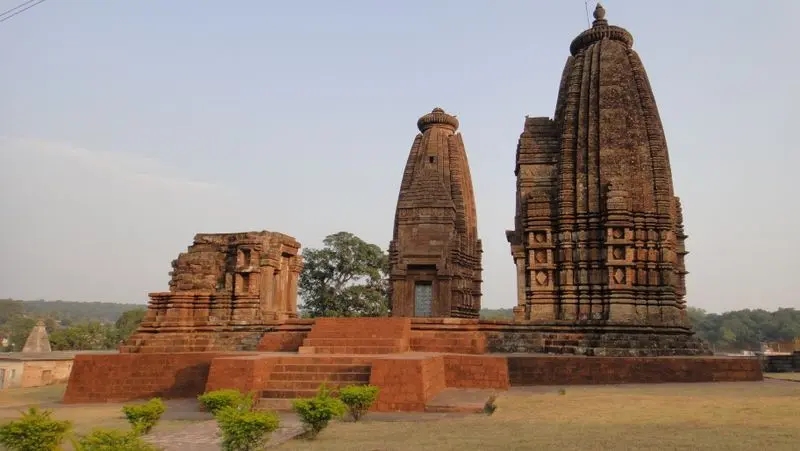
Чем заняться в Damoh, India
Фото сделано INDU BIKASH SARKER на Pexels.com
Когда ехать
Когда вы едете в Damoh, India?
Выберите даты и стиль путешествия, чтобы получить:
Что для вас особенно важно?
Выберите все подходящее
Getting around
How do you want to move between places?
Plan language: РусскийСамые популярные достопримечательности в Damoh, India
For the best things to do in Damoh, India, prioritize the extraordinary Singorgarh Fort, sprawling across a 10-kilometer hilltop with medieval battlements and panoramic valley views. Nearby, the Hindola Mahal's seamless sloping walls display 15th-century Malwa craftsmanship, while the Kundalpur Jain Temple, a serene pilgrimage site with 58 marble shrines, offers a peaceful retreat worth the winding 30-kilometer drive.
1. Singorgarh Fort
Climb a centuries-old stronghold for sweeping views you won't find anywhere else in the region. You'll walk crumbling ramparts, duck through ancient gateways, and watch the sun drop over a sea of distant hilltops.
Краткие факты: The fort's ramparts crown a rocky hilltop that drops over 100 meters to the plains below, making approach from any side a steep climb. Local lore ties its construction to the Gond dynasty, whose rulers used the position to watch over the surrounding trade routes for centuries.
Основные моменты: From the highest watchtower, you can count at least seven other hill forts dotting the horizon on a clear day, a visibility that made this spot a vital signal relay point across the region. Stand near the eastern bastion at dusk and you'll hear the wind funneling through the carved stone archways in a way that sounds almost like a low drum.
2. Hindola Mahal
Nowhere else will you feel a monumental palace lean in around you like a stone tent. You'll wander echoing halls where the tilted walls trick your sense of balance.
Краткие факты: Slender sloping walls lean inward as they climb, giving the hall its tilted, rocking-horse appearance. Stone brackets once supported vanished wooden galleries, leaving ghostly sockets in the masonry that hint at a lost upper level.
Основные моменты: The walls are not vertical, they tilt inward by roughly 7 degrees as they rise, a daring engineering gambit that was meant to prevent collapse but instead became a signature silhouette. Walk into the great hall and you'll feel the space pull you upward, like standing inside a stone wave frozen mid-crash.
3. Nohleshwara Temple
A centuries-old stone temple with walls of intricate carvings and a rare natural spring at its heart. Expect cool shadows, echoing chants, and a peaceful inner courtyard where time slows down.
Краткие факты: Most visitors come for the annual Maha Shivratri fair, which draws crowds from over 40 surrounding villages. The temple's stone carvings include figures of dancers and musicians that number over 200 individual panels across its exterior walls.
Основные моменты: The main shikhara tower leans slightly to the west, a quirk that has stood for centuries and that locals say was caused by an earthquake in the 1800s. Climb the steep stone steps to the inner sanctum and you'll find a naturally occurring spring that feeds a small pond right beside the shrine, something almost no other temple in the region has.
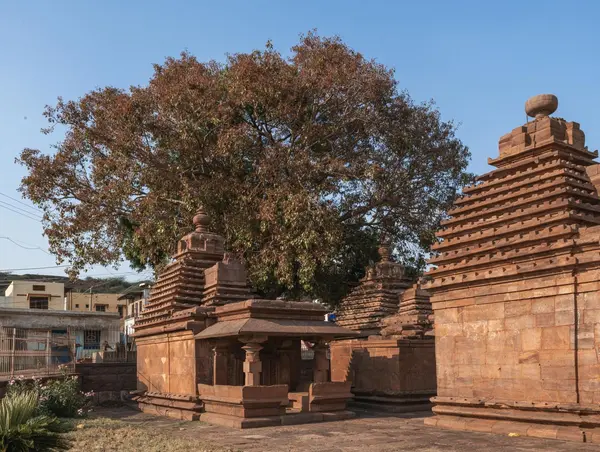
4. Bateshwar Temple Complex
Nearly 200 ancient temples packed onto one quiet hilltop, with zero crowds and free roaming. Climb the stone steps and wander between weathered shikharas that feel like a lost medieval city just for you.
Краткие факты: Roughly 80 stone temples crowd a single hilltop along the Betwa River, with some estimates placing the total count near 200 when all are accounted for. Each shrine follows a distinct plan, from single-celled structures to multi-tiered shikharas reaching about 20 meters high.
Основные моменты: An inscription found on site credits a Gurjar Pratihara king named Yuvaraja II with commissioning the complex around the 10th century, making it a snapshot of a single dynasty's ambition. Walk to the northern edge and you'll spot carvings of musicians, dancers, and mythical creatures that look freshly chiseled despite a thousand years of monsoon rains.
5. Kundalpur Jain Temple
A hillside filled with thousands of ancient Jain idols awaits discovery. Wander winding stone paths past carved shrines where pilgrims quietly chant and the air smells of sandalwood.
Краткие факты: Over 2,600 carved idols line the hillside here, with 68 of them standing in a single shrine complex. One of the 52 ancient Jain tirthas, this site draws thousands of pilgrims each year during the annual Mahamastakabhishek ceremony.
Основные моменты: The main idol of Lord Adinath stands 24 feet tall and is carved entirely from a single block of black granite, polished so brilliantly you can see your reflection in it. Locals say the idol was discovered intact underground by a farmer's plow in the 1970s, and the surrounding forest still feels untouched by time.
6. Bada Jain Mandir
Thousands of hand-carved marble figures hide in plain sight here. Walk the shaded corridors and watch the light shift across stone that has stood for centuries.
Краткие факты: Three tiers of carved marble hold over 1,000 intricate Jain figures, each one cut by hand into the pale stone. The site connects to the ancient Digambara tradition and draws pilgrims and curious travelers alike to this quiet corner of Madhya Pradesh.
Основные моменты: The main gateway is wrapped in carved elephant heads, each trunk curling with enough detail that you can count the individual rings on the tusks. On clear winter mornings, sunlight slants through the lattice screens and paints moving floral patterns across the marble floor, a show that lasts barely twenty minutes.
7. Dhangaon Shiv Mandir
A working temple where ancient stonework meets living faith every single day. Expect cool carved corridors, the scent of marigolds and camphor, and a quieter, rawer experience than the big tourist circuits.
Краткие факты: This centuries-old temple is one of only a handful of surviving structures from its era still in continuous worship, drawing devotees year-round. The stone carvings across its exterior number over a thousand distinct motifs, each one carved by hand.
Основные моменты: During the monsoon, rainwater collects in the carved grooves of the sanctum floor and is believed by locals to have healing properties, so they bottle it to take home. The temple's original stone bell, which still rings with a deep resonance across the courtyard, was reportedly cast using a metal-alloy recipe that craftsmen today haven't been able to replicate.
8. Sahastradhara Waterfall
Palm-sized carp swim right up to your feet in the warm waters here. Wade in, climb the natural terraces, and feel the falls from behind the curtain.
Краткие факты: The cascade pours over limestone ledges that form natural terraces, earning it the name meaning "thousand streams." Mineral-rich waters from hot springs feed the falls, giving the pools a distinctive warm touch year-round.
Основные моменты: At the base of the falls, the water holds a slight warmth from underground thermal vents, around 24 degrees Celsius even in winter, which makes swimming feel like stepping into a giant natural bathtub. Local families have picnicked on these same flat rock slabs for generations, and on weekends you'll see kids jumping from the lower ledges into the deeper turquoise pools below.
9. Hanuman Mandir
Watch a centuries-old Tuesday ritual where priests cover the black stone idol in layers of fresh vermilion. The air fills with temple bells, chanting, and the sweet smoke of burning camphor as hundreds gather in the courtyard.
Краткие факты: The temple draws thousands of devotees every Tuesday, the traditional day for Hanuman worship in central India. A 21-foot standing idol carved from a single block of black stone anchors the inner sanctum, its face glowing under oil lamps that have burned continuously for decades.
Основные моменты: Every Tuesday morning, priests smother the idol's entire body in fresh vermilion paste, transforming the black stone into a brilliant orange figure that glows under the morning light. Devotees press close to touch the offering cloth after the ritual, believing it carries the deity's protective energy for the coming week.
Where to Stay in Damoh, India
Selected by City Buddy based on guest reviews and proximity to top attractions
Search all hotels in Damoh, IndiaPowered by agoda
Традиционные сладкие блюда
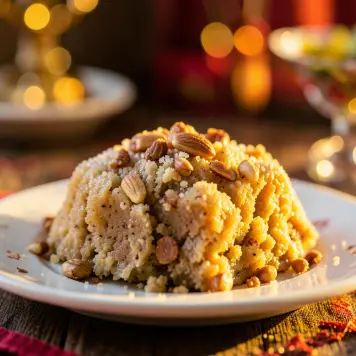
Mawa Bati
Mawa Bati is a rich, dense sweet made from khoya (reduced milk) and sugar, often flavored with cardamom and garnished with nuts. It is a beloved festive treat throughout the Bundelkhand region where Damoh is located.

Gulab Jamun
Gulab Jamun is a deeply cherished sweet in Damoh, made from khoya and deep fried until golden, then soaked in rose-scented sugar syrup. Local halwais take pride in their family recipes that have been passed down for generations.
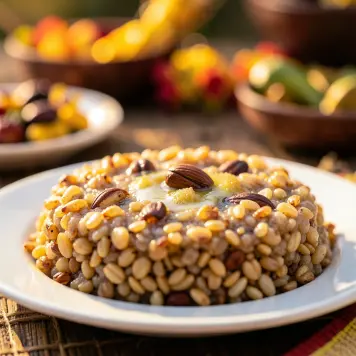
Lapsi
Lapsi is a traditional sweet porridge made from roasted wheat or semolina, cooked with ghee, sugar, and cardamom. It is commonly prepared during religious ceremonies and festivals in Damoh and is especially offered during harvest celebrations.
Традиционные соленые блюда

Dal Bafla
Dal Bafla is the signature savory dish of the Malwa and Bundelkhand regions, consisting of wheat dough balls baked or roasted and then dipped in ghee, served alongside spicy lentil dal. It is hearty, rustic comfort food that locals swear by.

Bhutte ki Kees
Bhutte ki Kees is a savory dish made from grated corn cooked with spices, milk, and mustard seeds, creating a creamy and mildly spicy texture. It is a seasonal favorite in Damoh during the corn harvest and is a unique regional specialty of Madhya Pradesh.

Poha Jalebi
Poha Jalebi is a classic breakfast pairing across Madhya Pradesh, featuring flattened rice tempered with turmeric, peanuts, and curry leaves, served alongside crispy, syrupy jalebis. In Damoh, this combination is a beloved street food tradition that locals enjoy every morning.
Традиционные напитки

Lassi
Lassi, a creamy yogurt-based drink, is a staple refreshment in Damoh, often served sweet with a touch of cardamom or flavored with mango during summer. It is a cooling favorite that perfectly balances the region's spicy meals.

Kesar Sharbat
Kesar Sharbat is a fragrant saffron-infused cold drink popular in Damoh, made with sugar, lemon, and crushed ice. It is especially enjoyed during hot summer months and at festive gatherings to keep guests refreshed.

Jaljeera
Jaljeera is a tangy, spiced cumin drink widely enjoyed in Damoh as an appetizer and digestive aid. Made with roasted cumin, mint, black salt, and lemon, it is a quintessential Indian cooler that locals sip on warm afternoons.
Frequently Asked Questions about Damoh, India
Is Damoh, India safe for tourists?
How many days should I spend in Damoh, India?
What is the best time to visit Damoh, India?
Is Damoh, India expensive to visit?
How do I get around Damoh, India?
Получите PDF с самыми популярными достопримечательностями на вашу почту
Получите PDF со всеми достопримечательностями, рейтингами и советами. Идеально для использования офлайн.
Самые популярные однодневные поездки
Khajuraho
Famous UNESCO World Heritage temples with intricate erotic carvings
Panna National Park
Tiger reserve with rich wildlife and dense forest landscape
Bundelkhand Ranges
Scenic hill ranges offering panoramic views and hiking trails
Как добраться
Железнодорожные вокзалы
Main line connecting Jabalpur and Bina, part of West Central Railway
Connections to major cities including Delhi, Mumbai, and Jabalpur
Taxis and auto rickshaws are available outside the railway station and major hotels for short trips within the city.
Найдите рейсы в Damoh, India
Нажмите, чтобы получить eSim для Damoh, India
Самый простой и доступный способ получить мобильный интернет в любой точке мира.
Комментарии (7)
Meh, it's fine for a day. Not much going on after sunset and the summer heat is brutal. Had fun at the local bazaar though, bought some nice handloom stuff.
The fort area is barely maintained and honestly a letdown after the photos online. Skip it if you only have one day, spend that time at the lake instead, way more peaceful.
Damoh surprised me honestly. Expected a quick stop but the old town vibe grew on me by day 2. Food stalls near the temple are legit, try the kachori there.
The bus from the railway station to the city center is like 10 rupees and runs every 20 minutes. Ignore the auto drivers who quote 200, they prey on people who just got off the train.
If you plan a visit during festival season, book your room at least a month ahead. Hotels fill up fast and prices triple. Also carry small notes, most shops wont break a 500 rupee bill.