 CityBuddy
 Русский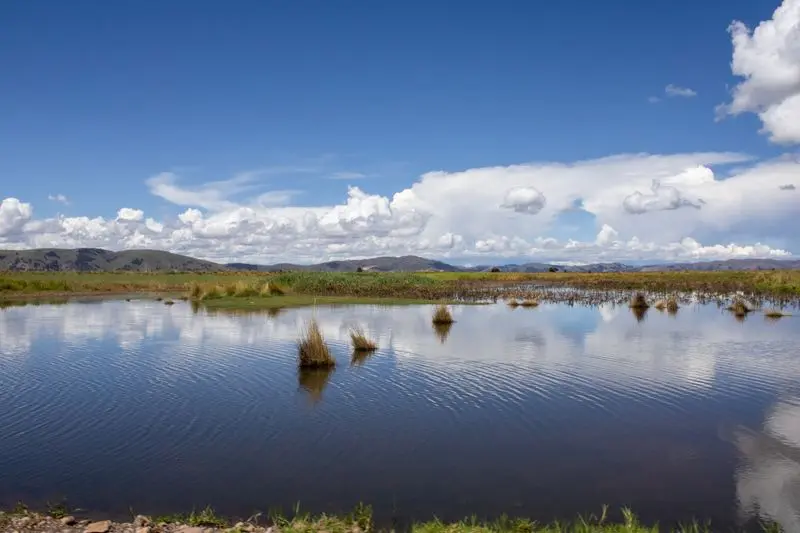
Чем заняться в Puno, Peru
Фото сделано Jesse Benjamin Lara Serna на Pexels.com
Когда ехать
Самые популярные достопримечательности в Puno, Peru
Лучшие развлечения в Пуно, Перу, связаны с озером Титикака , самым высоким судоходным озером в мире, расположенным на высоте 3 812 метров. Отправляйтесь на лодке к плавучим островам Урос, где 1 200 жителей живут на слоях тростника тотора. Затем посетите остров Такиле, до которого 45 минут пути, известный своими искусными ткаными изделиями ручной работы и древними террасами инков.
1. Lake Titicaca
Nowhere else on earth can you sleep on an island made of reeds that floats on the world's highest navigable lake. Feel the spongy totora reeds beneath your feet as Uros families invite you into their centuries-old floating way of life.
Краткие факты: Расположенное на границе Перу и Боливии на высоте 3 812 метров над уровнем моря, это самое высокое судоходное озеро в мире. В озере насчитывается 41 остров, многие из которых являются плавучими островами, сплетенными вручную из тростника тотора народом урос.
Основные моменты: Народ урос строит целые острова из тростника тотора, который растет в озере, и они живут так уже много веков, спасаясь от конфликтов на берегу. Вы можете прогуляться по этим пружинящим островам и почувствовать, как они покачиваются под ногами, пока женщины плетут тростниковых кукол, а мужчины каждые несколько недель ремонтируют свои дома свежим тростником.
2. Uros Floating Islands
Step onto a man-made island handwoven from lake reeds that floats on the highest navigable lake in the world. You'll meet local families, ride a traditional reed boat, and feel the spongy ground shift beneath your feet.
Краткие факты: Эти 70 с лишним островов сотканы вручную из переплетающихся слоев тростника тотора, который растет на дне озера, и требуют постоянного ухода, так как тростник гниет снизу вверх. На каждом острове есть своя школа, а на некоторых даже установлены солнечные панели и футбольные поля, которые плавают прямо на воде.
Основные моменты: Острова впитывают воду как губка под ногами, так что вы буквально чувствуете, как земля хлюпает и смещается, когда идете по 6-8 футам плотно утрамбованного тростника. Каждые несколько лет семьи перестраивают дома, потому что тростник снизу разлагается, поэтому каждый дом в итоге отстраивается заново с нуля на свежих слоях.
3. Taquile Island
A lake island where textiles tell stories and men knit by the shoreline. Watch handwoven masterpieces come to life while soaking in cobalt-blue waters 3,812 meters above sea level.
Краткие факты: Около 2000 жителей острова управляют своим сообществом через уникальную ротационную систему, где каждый по очереди берет на себя руководящие роли , от рыболовства до контроля качества ткачества. Тканые вручную текстильные изделия с Такиле признаны ЮНЕСКО шедевром устного и нематериального культурного наследия человечества; их узоры кодируют столетия андского символизма и истории сообщества.
Основные моменты: Мужчины на Такиле учатся вязать с детства, часто работая на традиционных ткацких станках во время ходьбы или беседы. Это изменение гендерных ролей, редкое в Андах. Узор каждого текстиля раскрывает семейное положение носителя, его роль в сообществе и даже то, одинок ли он или ищет пару. Это носимая социальная анкета, выполненная из овечьей шерсти и натуральных красителей.
4. Plaza de Armas
The beating heart of Puno where lake culture meets high-altitude colonial history. Watch Andean dancers spin across ancient stones while vendors sell giant choclo corn fresh from the steamer.
Краткие факты: Перуанская главная площадь находится на высоте 3 860 метров над уровнем моря, из-за чего даже обычная прогулка ощущается как тренировка. На этой площади происходило всё: от восстаний коренных народов до провозглашений независимости, и всё это в обрамлении колониальных арок и величественного собора Пуно.
Основные моменты: От центрального фонтана площади открывается прямой вид на замысловатый фасад собора в стиле метисо-барокко, вырезанный из местного вулканического камня руками коренных мастеров. Каждое воскресное утро площадь превращается в бунт красок: десятки групп народного танца в блестках и перьях соревнуются за пространство, их колокольчики и музыка разносятся эхом под колониальными арками.
5. Puno Cathedral
A masterpiece of Andean baroque architecture where indigenous symbols hide in plain sight on the stone facade. Step inside to witness 17 colonial-era paintings and a radiant silver altar beneath soaring domes.
Краткие факты: Фасад собора кажется вырезанным из цельного каменного блока благодаря потрясающему сочетанию ренессансного и барочного стилей из вулканической породы. Внутри собора находятся 17 картин маслом Кусканской школы живописи и посеребренный алтарь, который сияет в естественном свете, проникающем через купол.
Основные моменты: Присмотритесь к замысловатой резьбе фасада, и вы заметите андские символы, такие как чакана (крест инков) и головы пумы, вплетенные в католические образы, что является тонким актом сопротивления коренных народов. Строители собора использовали местный розовый вулканический камень, который меняет цвет в течение дня, становясь темно-розовым на закате и серебристо-серым под полуденным солнцем.
6. Sillustani
Watch the sunset paint 12-meter stone towers in gold at a sacred burial site overlooking a high-altitude lake. You'll wander among ancient tombs that predate the Incas, with condors circling overhead and the Andes stretching endlessly behind them.
Краткие факты: Расположенный на полуострове, вдающемся в озеро Умайо, этот доколумбов погребальный комплекс содержит башни-гробницы, называемые чульпас, высотой до 12 метров. Народ колла возвел эти башни между XII и XV веками, помещая своих мумифицированных знатных покойников лицом на восток, к восходящему солнцу.
Основные моменты: В отличие от инков, которые позже завоевали их, народ колла строил свои чульпас из камней, подогнанных так точно, что между ними нельзя просунуть лист бумаги, но при этом они не использовали никакого раствора. Встаньте внутри одной из самых высоких башен на закате, и ветер будет завывать через узкий вход, издавая низкий гул, именно так, как и задумывали строители для бесед с мертвыми.
7. Museo Carlos Dreyer
Unearth 10,000 years of Peruvian highland culture under one colonial roof. Gaze at eerie mummies, golden Qulla crowns, and the personal treasures of a German explorer who made Puno his home.
Краткие факты: Музей расположен в колониальном особняке XVII века, который когда-то принадлежал испанской знати. Его коллекция охватывает 10 000 лет региональной истории, от доколумбовых каменных резных изделий до жуткого религиозного искусства колониальной эпохи.
Основные моменты: В тихом углу находится единственный зал, где хранится личная коллекция золотых и серебряных артефактов, которые сам Карлос Дрейер раскопал в близлежащих погребальных башнях Сильюстани. Свет ловит полированный металл особым образом, открывая замысловатые геометрические узоры, которые народ колья выбивал на нагрудниках и коронах более 800 лет назад.
8. Arco Deustua
Stand beneath 11-meter granite arches that mark a turning point in Peru's independence. Watch the walls glow orange at golden hour while locals sell anticuchos from carts at the base.
Краткие факты: Четыре массивные каменные арки высотой 11 метров, вырезанные из розового гранита, доставленного с расстояния 40 километров. Монумент посвящен битве при Хунине 1824 года, одному из последних сражений в войне Перу за независимость от Испании.
Основные моменты: В отличие от более броских монументов в других андских городах, этот сделан из огромных блоков розового гранита, которые светятся оранжевым на закате. Местные жители собираются здесь каждый вечер у импровизированных уличных лотков с едой и играют в домино, что делает это место живым общественным пространством, а не статичным памятником.
Where to Stay in Puno, Peru
Selected by City Buddy based on guest reviews and proximity to top attractions
Search all hotels in Puno, PeruPowered by agoda
Дни работы в Puno, Peru
Какие из главных достопримечательностей закрыты в какой день недели: классическая причина испорченной поездки, проверено за вас.
суббота: закрыто 1 из 4 главных достопримечательностей. Планируйте музеи на другой день.
Закрыто в суббота · закрыто: 1, открыто: 3
Дни работы по данным Google Maps (проверено 2026-06-29). Праздники, забастовки и сезонный график могут отличаться. Проверяйте официальный сайт перед поездкой.
Традиционные сладкие блюда
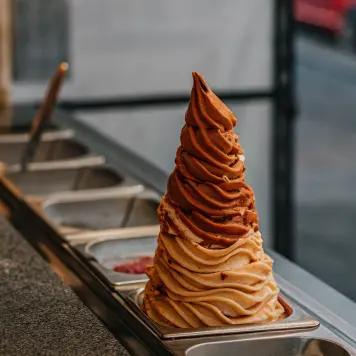
Queso Helado
Despite its name meaning "frozen cheese," Queso Helado contains no cheese at all. It is a creamy cinnamon-vanilla frozen dessert made from milk, coconut, and sugar, traditionally shaved into layers and sold by street vendors in Puno.
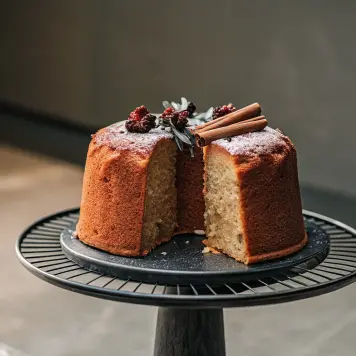
Torta de Quinua
This dense, sweet cake is made from quinua, a sacred Andean grain that has been cultivated on the altiplano around Lake Titicaca for thousands of years. It is often flavored with cinnamon, cloves, and dried fruits.
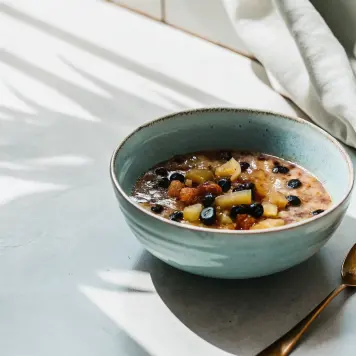
Mazamorra de Frutas
This thick, warm fruit pudding is made with local Andean fruits like aguaymanto and tuna (cactus fruit). It is sweetened with chancaca, a traditional unrefined cane sugar, and thickened with cornstarch or chuño flour.
Традиционные соленые блюда
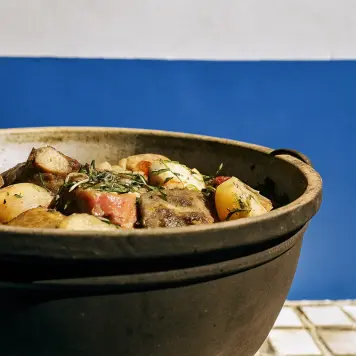
Pachamanca
Pachamanca means "earth pot" in Quechua, as the dish is cooked by burying marinated meats, potatoes, and herbs in a pit with hot stones. It is a ceremonial feast that honors Pachamama, the Earth Mother goddess revered by Andean communities around Lake Titicaca.
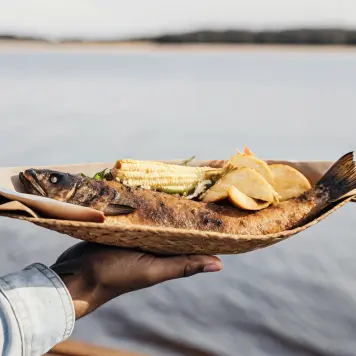
Trucha Frita
Lake Titicaca, the highest navigable lake in the world, is the source of the rainbow trout used in this dish. The trout is typically seasoned with local herbs like muña (Andean mint) and served with giant corn and fried potatoes.
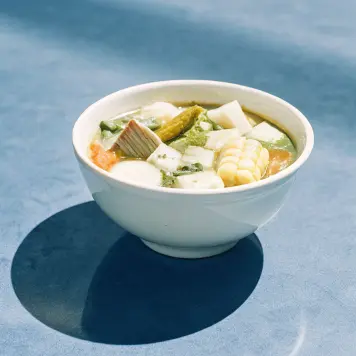
Chairo
Chairo is a hearty soup containing freeze-dried chuño potatoes, llama or sheep meat, and vegetables like corn and lima beans. It dates back to pre-Columbian times and was a staple for the Quechua and Aymara people of the highlands.
Традиционные напитки
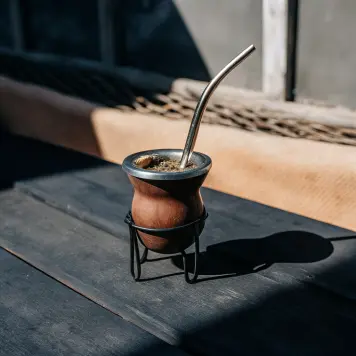
Mate de Coca
This herbal tea made from coca leaves is a traditional remedy for altitude sickness, which is essential in Puno at 3,830 meters above sea level. Locals have chewed and brewed coca leaves for thousands of years for energy and to aid digestion.

Chicha de Quinua
Unlike the corn-based chicha found elsewhere in Peru, this Puno version is fermented from quinua and has a slightly thicker, creamier texture. It is often consumed during festivals and is believed to have been a sacred drink in Inca rituals.
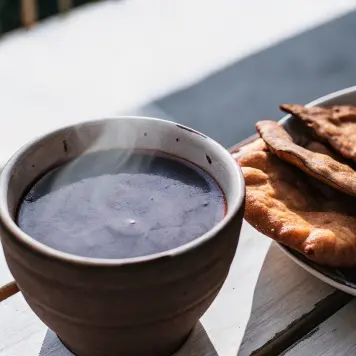
Api con Sopaipillas
Api is a thick, warm purple corn drink flavored with cinnamon, cloves, and fruit peel, commonly sold by street vendors at dawn in Puno's markets. It pairs perfectly with crispy fried sopaipillas (sweet pumpkin pastries) for a classic highland breakfast.
Часто задаваемые вопросы о Puno, Peru
Безопасна ли Пуно, Перу для туристов?
Сколько дней достаточно провести в Пуно, Перу?
Когда лучше всего посещать Пуно, Перу?
Дорого ли посещать Пуно, Перу?
Как передвигаться по Пуно, Перу?
Получите PDF с самыми популярными достопримечательностями на вашу почту
Получите PDF со всеми достопримечательностями, рейтингами и советами. Идеально для использования офлайн.
Самые популярные однодневные поездки
Lake Titicaca (Uros Floating Islands)
Iconic floating islands made of totora reeds on Lake Titicaca.
Sillustani Burial Towers
Pre-Inca chullpa burial towers on a peninsula overlooking Lake Umayo.
Amantani Island
Peaceful island with homestays and stunning lake views.
Chucuito
Small town with the Temple of Fertility and Inca stone structures.
Как добраться
Аэропорты
Железнодорожные вокзалы
Cusco to Puno (PeruRail / Andean Explorer service)
Fly into Juliaca Airport (JUL) 50 km away. Buses and taxis connect to Puno in about 1 hour. Or arrive by train from Cusco for a scenic route.
Полезная информация для Puno, Peru
Обзор для Puno, Peru
Хотите план по дням для Puno, Peru? Откройте планировщик путешествий
Когда вы едете в Puno, Peru?
Выберите даты и стиль путешествия, чтобы получить:
Что для вас особенно важно?
Выберите все подходящее
Передвижение по городу
Как вы хотите передвигаться между местами?
Язык плана: Русский