 CityBuddy
 Slovenščina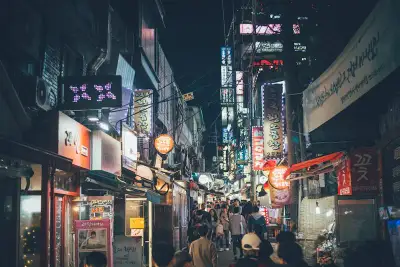
Kaj početi v Shinjuku, Japan
Fotografijo je naredil Tan Danh na Pexels.com
Kdaj obiskati
Shinjuku je #2 mesto za nočno življenje na svetu, glede na naše podatke iz več sto destinacij.
Najbolj priljubljene znamenitosti v Shinjuku, Japan
Najboljše stvari, ki jih lahko počnete v Shinjuku na Japonskem, segajo od mirnih pobegov do pustolovščin v neonski svetlobi. Sprehodite se po 58 hektarov velikem nacionalnem vrtu Shinjuku Gyoen, ki združuje francoski in japonski krajinski slog. Z brezplačnim dvigalom se povzpnite 202 metra visoko na stavbo tokijske metropolitanske vlade za panoramski pogled na mesto. Nato se odpravite v Omoide Yokocho, ozko uličico s 60 majhnimi grili, kjer strežejo yakitori že od druge svetovne vojne.
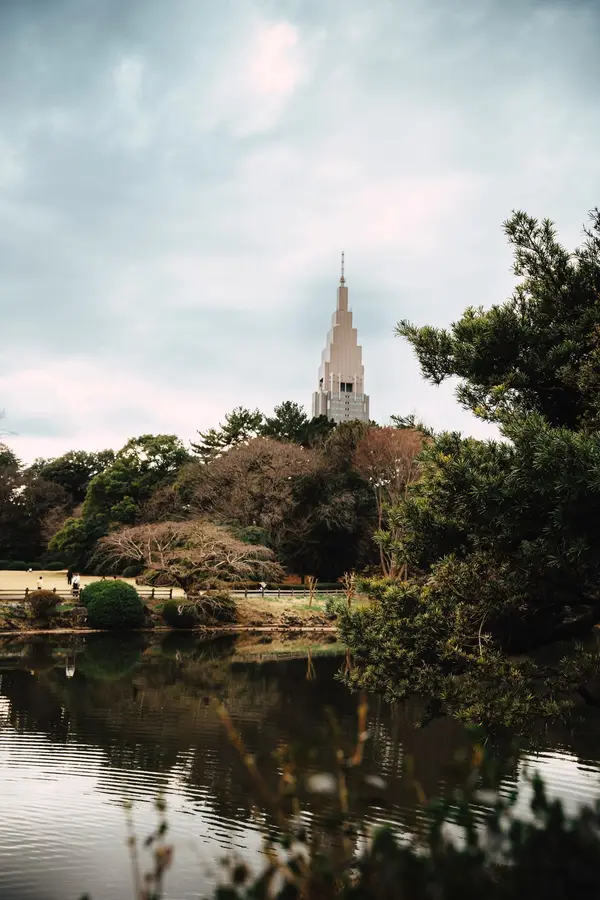
1. Shinjuku Gyoen National Garden
Pobegnite iz tokijske neonske norosti v 58 hektarjev mirnih vrtov, kjer češnjevi cvetovi in starodavni borovci uokvirjajo tri popolno urejene krajine. Sprehodite se med francoskim formalnim vrtom, japonsko čajnico in angleškim travnikom v enem samem popoldnevu.
Hitre informacije: Na svojih 58 razprostranjenih hektarjih sobivajo trije različni slogovni vrtovi: formalni francoski vrt, angleški krajinski vrt in tradicionalni japonski vrt z velikim ribnikom. Več kot 20.000 dreves z vsega sveta uspeva tukaj, vključno s približno 1.500 češnjami, ki vsako pomlad zacvetijo.
Poudarki: Redko ohranjen primer velikega krajinskega vrta iz zgodnjega 20. stoletja v Tokiu, nekoč je bil zasebna rezidenca fevdalnega gospoda, preden je bil podarjen cesarski družini. Odsek tradicionalnega japonskega vrta vključuje lesen paviljon, kjer lahko sedite in opazujete koi ribe, ki plavajo pod vami, medtem ko srkate matcha čaj, ki ga postrežejo obiskovalci v kimonih.
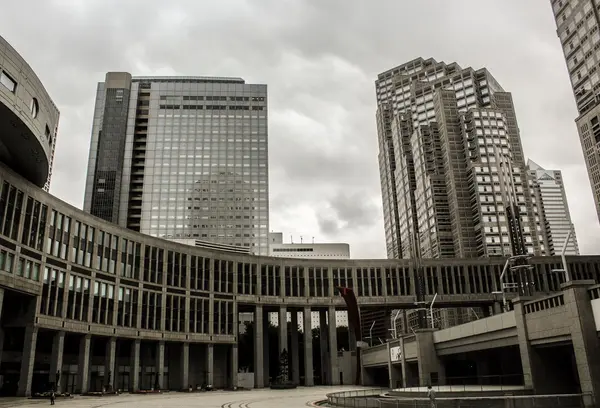
2. Tokyo Metropolitan Government Building
Dve brezplačni razgledni ploščadi z najboljšim razgledom na Tokyo. Z dvigalom se povzpnite 45 nadstropij in opazujte goro Fuji na obzorju, medtem ko se mesto razprostira pod vami.
Hitre informacije: Brezplačne razgledne ploščadi na 45. nadstropju obeh stolpov ponujajo panoramske razglede, ki ob jasnih dneh segajo vse do gore Fuji. Stavba je zasnovana tako, da spominja na gotsko katedralo, s stolpoma, ki se dvigata 243 metrov, in fasado, prekrito z 12.000 zrcalnimi okni.
Poudarki: Pojdite gor tik pred sončnim zahodom in opazujte, kako se Tokio spreminja s 45. nadstropja, ko spodaj utripajo mestne luči, nebo pa je še vedno obarvano. Južna razgledna ploščad ostane odprta do 23. ure in ponoči ponuja popolnoma drugačno vzdušje, z veliko manj ljudmi in mestno pokrajino, ki se lesketa kot vezje.
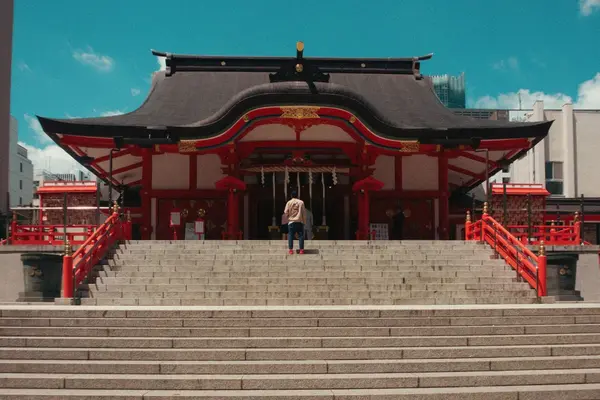
3. Hanazono Shrine
Poiščite košček miru sredi neonskega kaosa Shinjuku v svetišču, ki je utrdilo to sosesko že od 1600. let. Sprehodite se mimo mogočnega betona in odkrijte domačine, ki mečejo kovance, ploskajo z rokami in šepetajo želje bogovom.
Hitre informacije: Svetišče Hanazono gosti več kot 300 prodajalcev med letnimi bolšjimi sejmi, ki vsak konec tedna privabijo na tisoče lovcev na ugodnosti. Posvečeno bogovom poslovne blaginje in sreče, to svetišče stoji sredi sodobnih nebotičnikov in zabaviščne četrti Shinjuku.
Poudarki: Na silvestrski večer prostovoljci 108-krat pozvonijo z ogromnim 500-kilogramskim zvonom v svetišču, pri čemer vsak udarec simbolizira očiščenje človeške želje v skladu z budistično tradicijo. Zvok odmeva skozi betonske kanjone Shinjuku in ustvarja nadrealistično zvočno trčenje med starodavnim ritualom in modernostjo, obsijano z neonskimi lučmi.
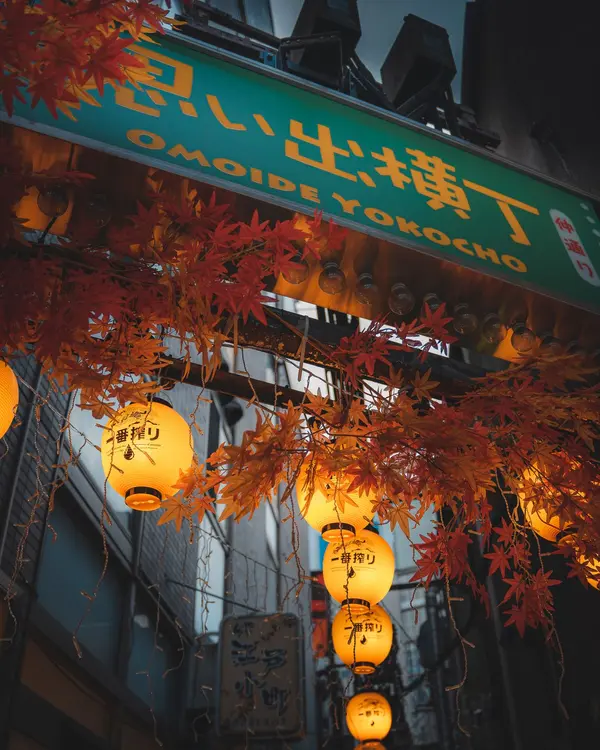
4. Omoide Yokocho
Stopite v zadimljeno, s laternami obsijano časovno kapsulo, kjer Tokio peče najboljši yakitori vašega življenja. Stisnite se na majhen šank, naročite nabodala in hladno pivo ter opazujte kuharje, kako mahajo z žarečim ogljem centimetre od vašega obraza.
Hitre informacije: Približno 60 majhnih, zadimljenih yakitori barov in restavracij je stlačenih v to ozko mrežo uličic blizu postaje Shinjuku. Domačini se že od povojnih dni črnega trga v 1940. letih, ko je to območje nastalo, stiskajo na tabureje.
Poudarki: Eden zadnjih ohranjenih koščkov starega Tokia, ta uličica je nekako ušla prenovi, ki je okoliško sosesko spremenila v gozd steklenih nebotičnikov. Zrak še vedno diši po na žaru pečenem piščancu in sojini omaki, tako kot pred 70 leti, in nekatere trgovine še vedno dobavljajo svoje nabodala od istih družinskih dobaviteljev.
5. Golden Gai
Več kot 200 majhnih barov v šestih latern obsijanih uličicah, kjer vsak prostor sprejme komaj peščico ljudi. Sprehodite se po ozkih prehodih, zavihtite se v whiskey bar s štirimi sedeži in si do zgodnjih ur izmenjujte zgodbe z domačini.
Hitre informacije: Skrit med nebotičniki Shinjuku, ta labirint 200 majhnih barov zaseda šest ozkih uličic, ki so preživele povojno obnovo. Večina barov sprejme le 4-6 ljudi, kar neznance sili v tesen pogovor ob viskiju ali sakeju.
Poudarki: Številne bare še vedno vodijo starajoči se lastniki, ki skrbijo za isti pult že več kot 50 let, nekateri pa nočejo postreči nikomur, ki izgleda mlajši od 30 let. V enem baru imajo hišno mačko, ki odloča, kdaj bo zadnji klic, tako da skoči v naročje stranke, kar pomeni, da je čas za odhod.
6. Samurai Museum
Približajte se pravi samurajski opremi bolj kot kjerkoli drugje v Tokiu. Prijeli boste 700 let stare meče, pomerili oklep in si dnevno ogledali žive demonstracije mečevanja.
Hitre informacije: Več kot 13.000 artefaktov zajema 700 let zgodovine samurajev, od obdobja Kamakura do obdobja Edo. Obiskovalci lahko pod nadzorom osebja prijmejo prave samurajske meče in pomerijo avtentične oklepe.
Poudarki: Upokojeni restavrator samurajskih oklepov osebno skrbi za zbirko in občasno prikaže 45-minutni postopek oblačenja v celoten oklep. Muzejska lesena kendo tla še vedno nosijo praske in vdolbine zaradi desetletij treninga tokijskih univerzitetnih kendo klubov.
7. Shinjuku Ni-chome
Nobeno drugo mesto nima toliko queer energije na nekaj neonsko obsijanih blokih. Skakajte med majhnimi bari, kjer domačini delijo krožnike edamame in vam natočijo naslednjo pijačo, preden končate prvo.
Hitre informacije: Z več kot 300 bari, klubi in majhnimi restavracijami, stisnjenimi v le nekaj blokov, ima ta drobna četrt eno najvišjih koncentracij LGBTQ+ prizorišč na svetu. Več kot 30 odstotkov barov je majhnih obratov, ki sprejmejo manj kot 10 ljudi, zaradi česar je vsak večer videti kot zasebna zabava.
Poudarki: Številne bare vodijo upokojene drag queens, ki točijo pijače za istim pultom z desetimi sedeži že od 1980. let in se spomnijo vsakega stalnega gosta po imenu. Ob polnoči lahko vstopite v kletni bar s štirimi sedeži in najdete 70-letno nekdanjo kabaretno zvezdo, ki poje Edith Piaf, medtem ko vam meša viski.
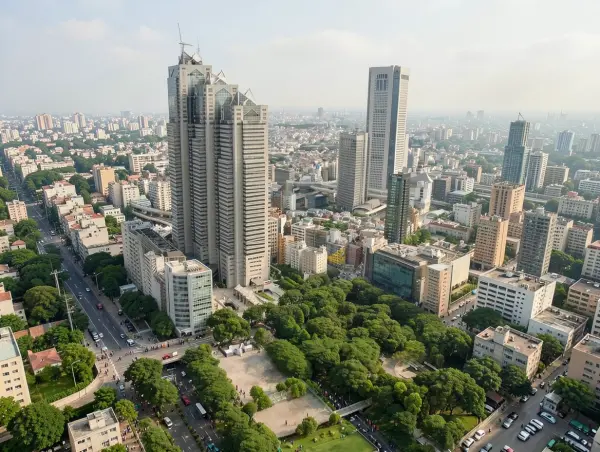
8. Shinjuku Central Park
Bujen zelen pobeg stisnjen med nebotičnike, ki ponuja sedeže v prvi vrsti za tokijski urbani balet. Vzemite kavo, poiščite klopco in opazujte, kako salarymani dremajo, vrane snujejo zarote in češnjevi cvetovi plavajo mimo betona in stekla.
Hitre informacije: Najbolj prometno vozlišče Shinjuku leži na eni strani tega zelenega koridorja, vendar je park presenetljivo tih, z več kot 700 češnjami, ki obdajajo njegove poti. Nekdanje prazno zemljišče, ki je čakalo na nikoli zgrajen športni stadion, se je spremenilo v ta 2,25 hektarja velik zelen pas, ki povezuje dve glavni soseski nebotičnikov v mestu.
Poudarki: Okoli kosila med tednom boste videli pisarniške delavce, ki v svojih oblekah dremajo na travi, tih tokijski ritual, ki se zdi skoraj koreografiran. Park služi tudi kot galerija na prostem z občasnimi instalacijami iz bližnje galerije Tokyo Opera City, zato se skulpture zamenjajo vsakih nekaj mesecev.
Where to Stay in Shinjuku, Japan
Selected by City Buddy based on guest reviews and proximity to top attractions
Search all hotels in Shinjuku, JapanPowered by agoda
Odpiralni dnevi v Shinjuku, Japan
Katere glavne znamenitosti so zaprte kateri dan v tednu, klasični pokvarilec potovanja, preverjeno namesto vas.
ponedeljek: 1 od 8 glavnih znamenitosti je zaprtih, muzeje načrtujte za drug dan.
Zaprto ponedeljek · 1 zaprtih, 7 odprtih
Odpiralni dnevi iz Google Maps (preverjeno 2026-07-03). Prazniki, stavke in sezonski odpiralni časi se lahko razlikujejo, pred obiskom preverite uradno spletno stran.
Tradicionalne sladke jedi
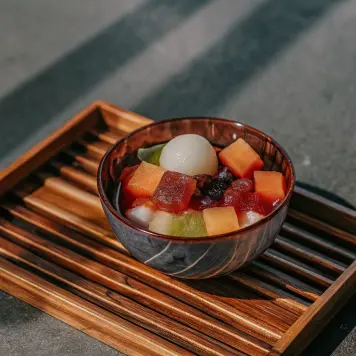
Anmitsu
Anmitsu features small cubes of agar jelly, sweet red bean paste, mochi, and fresh fruit all served with a drizzle of kuromitsu, a dark sugar syrup that originated as a medicine in the Edo period.
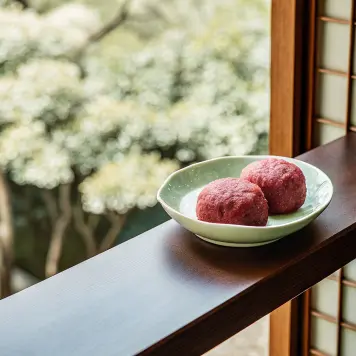
Ohagi (Botamochi)
Ohagi is a traditional sweet made from glutinous rice coated in sweet azuki bean paste, and its name changes to botamochi in spring depending on the seasonal flower in bloom.
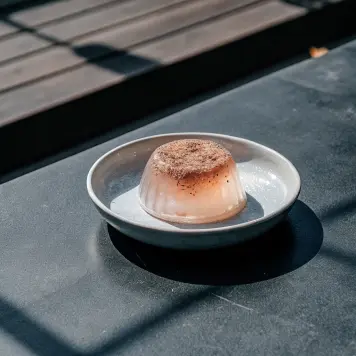
Kuzumochi
Unlike regular mochi made from rice, kuzumochi is made from kuzu (arrowroot) starch giving it a uniquely translucent, jelly-like texture, and it is often served with kinako (roasted soybean flour) and kuromitsu.
Tradicionalne slane jedi
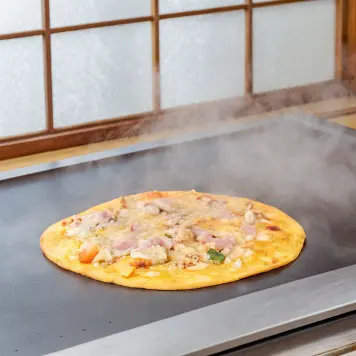
Monjayaki
Monjayaki is a thin, runny savory pancake cooked on a hot griddle that is famously associated with Tokyo's shitamachi (old town) culture, and Shinjuku has some of the best monjayaki specialty restaurants in the city.
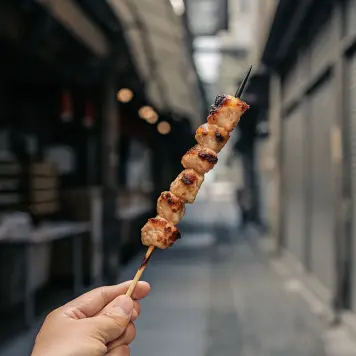
Yakitori
Shinjuku's Omoide Yokocho (Memory Lane) is legendary for its tiny yakitori stalls where skewers of chicken are grilled over charcoal, and the smoky alleyway has been a beloved dining destination since the post-war era.
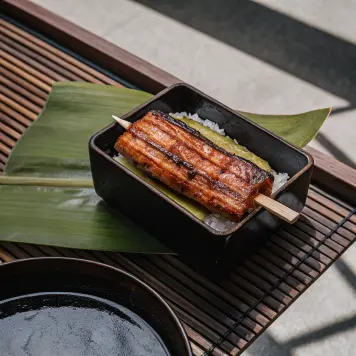
Unagi no Kabayaki
This dish features grilled eel glazed with a sweet soy-based sauce, and Shinjuku is home to some of Tokyo's most historic unagi restaurants that have been serving it continuously since the 1800s.
Tradicionalne pijače
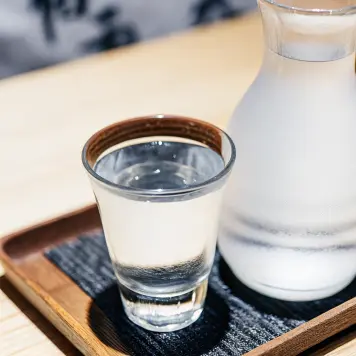
Sake
Sake is Japan's iconic rice wine, and Shinjuku's many izakaya (Japanese pubs) offer extensive sake selections where you can enjoy everything from fruity ginjo to rich, aged koshu varieties.
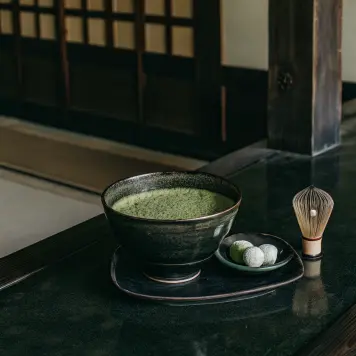
Matcha (Ceremonial Green Tea)
Matcha is a finely ground powder of specially grown green tea leaves, and Shinjuku's traditional tea houses offer this vibrant drink alongside the district's famous wagashi (Japanese sweets) for a perfect pairing.

Shochu
Shochu is a distilled spirit typically made from barley, sweet potato, or rice, and it is a staple at Shinjuku's drinking establishments where it is enjoyed on the rocks, with water, or mixed with hot water.
Pogosta vprašanja o Shinjuku, Japan
Ali je Šindžuku na Japonskem varen?
Koliko dni preživeti v Šindžukuju na Japonskem?
Kdaj je najboljši čas za obisk Šindžukuja na Japonskem?
Ali je Šindžuku na Japonskem drag?
Kako se premikati po Šindžukuju na Japonskem?
Prejmite PDF z najbolj priljubljenimi znamenitostmi na vaš e-poštni naslov
Prejmite PDF z vsemi znamenitostmi, ocenami in nasveti. Popolno za uporabo brez povezave.
Najbolj priljubljeni dnevni izleti
Kamakura
Historic coastal town with Great Buddha statue and serene temples
Hakone
Hot spring resort with views of Mount Fuji and Lake Ashi
Yokohama
Port city with Chinatown, Minato Mirai waterfront and gardens
Kako priti tja
Železniške postaje
JR Yamanote Line, JR Chuo Line, Odakyu Line, Keio Line, Tokyo Metro Marunouchi Line
Highway bus connections to airports and other cities
From Haneda Airport take the Limousine Bus (45 min) or train via Yamanote Line. From Narita take the Narita Express (80 min) directly to Shinjuku Station.
Uporabne informacije za Shinjuku, Japan
Pregled za Shinjuku, Japan
Želite načrt po dnevih za Shinjuku, Japan? Odprite načrtovalnik potovanja
Kdaj boste šli v Shinjuku, Japan?
Izberite datume in stil potovanja, da dobite:
Kaj vam je še posebej pomembno?
Izberite vse, kar velja
Premikanje po mestu
Kako se želite premikati med kraji?
Jezik načrta: Slovenščina