 CityBuddy
 Slovenščina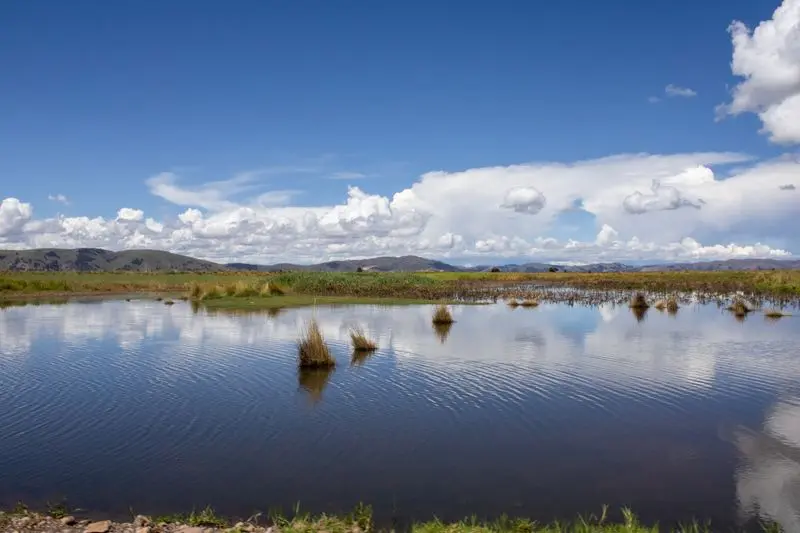
Kaj početi v Puno, Peru
Fotografijo je naredil Jesse Benjamin Lara Serna na Pexels.com
Kdaj obiskati
Najbolj priljubljene znamenitosti v Puno, Peru
Najboljše stvari v perujskem mestu Puno se osredotočajo na jezero Titicaca, najvišje plovno jezero na svetu na 3.812 metrih nadmorske višine. Odpravite se s čolnom na plavajoče otoke Uros, kjer 1.200 prebivalcev živi na plasteh trsja totora. Nato obiščite otok Taquile, ki je oddaljen 45 minut vožnje in je znan po zapletenih ročno tkanih tekstilijah in starodavnih inkovskih terasah.
1. Lake Titicaca
Nikjer drugje na svetu ne moreš spati na otoku iz trsja, ki plava na najvišjem plovnem jezeru na svetu. Pod nogami čutiš gobaste totora trsje, ko te družine Uros povabijo v svoj večstoletni plavajoči način življenja.
Hitre informacije: Na meji med Perujem in Bolivijo na 3.812 metrih nad morsko gladino leži najvišje plovno jezero na svetu. Jezero vsebuje 41 otokov, od katerih so mnogi plavajoči otoki, ki jih ljudstvo Uros ročno spleta iz trstičja totora.
Poudarki: Ljudstvo Uros gradi cele otoke iz trstičja totora, ki raste v jezeru, in tako živijo že stoletja, da bi se izognili sporom na kopnem. Po teh vzmetnih otokih se lahko sprehajate in občutite, kako se premikajo pod vašimi nogami, medtem ko ženske pletejo lutke iz trstičja, moški pa vsakih nekaj tednov popravljajo svoje domove s svežim trstičjem.
2. Uros Floating Islands
Stopi na umetni otok, ročno spleten iz jezerskega trsja, ki plava na najvišjem plovnem jezeru na svetu. Spoznal boš domače družine, se odpeljal s tradicionalnim trsčevim čolnom in pod nogami občutil gobasto premikanje tal.
Hitre informacije: Teh 70 in več otokov je ročno spletenih iz prepletajočih se plasti trstike tortora, ki raste na jezerskem dnu, kar zahteva stalno vzdrževanje, saj trstika gnije od spodaj navzgor. Vsak otok ima svojo šolo, nekateri pa imajo celo sončne celice in nogometna igrišča, ki plavajo neposredno na vodi.
Poudarki: Otoki pod nogami vpijajo vodo kot goba, zato dobesedno čutite, kako se tla mehčajo in premikajo, ko hodite po 6 do 8 čevljih gosto stisnjene trstike. Družine vsakih nekaj let prestavijo svoje hiše, ker trstika pod njimi razpada, kar pomeni, da je vsak dom sčasoma ponovno zgrajen iz nič na svežih plasteh.
3. Taquile Island
Jezerski otok, kjer tekstilije pripovedujejo zgodbe in moški pletejo ob obali. Opazuj mojstrovine ročnega tkanja, ki nastajajo pred tvojimi očmi, medtem ko uživaš v kobaltno modrih vodah 3.812 metrov nad morjem.
Hitre informacije: Dve tisoč prebivalcev otoka vodi celotno skupnost po edinstvenem rotacijskem sistemu, kjer vsi izmenično prevzemajo vodilne vloge, od ribolova do nadzora kakovosti tkanja. Ročno tkane tekstilije s Taquileja je UNESCO priznal kot mojstrovino ustne in nesnovne dediščine človeštva, vzorci pa kodirajo stoletja andskega simbolizma in zgodovine skupnosti.
Poudarki: Moški na Taquileju se pletenja učijo že od otroštva, pogosto delajo na tradicionalnih statvah med hojo ali pogovarjanjem, kar je redka zamenjava spolnih vlog v Andih. Vsak vzorec tekstila razkriva zakonski status nosilca, vlogo v skupnosti in celo to, ali so samski ali iščejo partnerja, nosljiv družbeni profil, stkan iz ovčje volne z naravnimi barvili.
4. Plaza de Armas
Utripajoče srce Puna, kjer se jezerska kultura sreča z visokogorsko kolonialno zgodovino. Opazuj andske plesalce, ki se vrtijo po starodavnem kamnju, medtem ko prodajalci ponujajo velikansko koruzo choclo, svežo iz parnega lonca.
Hitre informacije: Perujski najvišji glavni trg leži na 3.860 metrih nad morsko gladino, zaradi česar se že kratek sprehod zdi kot prava vadba. Trg je bil priča vsemu, od domorodnih uporov do razglasitev neodvisnosti, vse v okviru kolonialnih lokov in mogočne stolnice v Punu.
Poudarki: S trškega osrednjega vodnjaka imate neposreden pogled na zapleteno meščansko-barokno pročelje stolnice, ki so ga iz lokalnega vulkanskega kamna izklesale domorodne roke. Vsako nedeljsko jutro se trg spremeni v pravo morje barv, ko se na desetine ljudskih plesnih skupin v bleščicah in perju bori za prostor, njihovi zvončki in glasba pa odmevajo med kolonialnimi loki.
5. Puno Cathedral
Mojstrovina andske baročne arhitekture, kjer se domorodni simboli skrivajo na očeh na kamniti fasadi. Stopi noter in si oglej 17 kolonialnih slik ter srebrn oltar, ki se blešči pod vzpenjajočimi se kupolami.
Hitre informacije: Zunanjost je videti, kot da je izklesana iz enega samega kamnitega bloka, kar gre zaslugam osupljive renesančne in baročne fasade iz vulkanske kamnine. Notranjost katedrale hrani 17 oljnih slik iz slikarske šole Cusco ter srebrno oltarno ploščo, ki se blešči pod naravno svetlobo kupole.
Poudarki: Če si podrobneje ogledate zapletene rezbarije na fasadi, boste opazili andske simbole, kot sta čakana (inka križ) in glave pume, vtkane v katoliško ikonografijo, kar je subtilno dejanje avtohtonega upora. Graditelji katedrale so uporabili lokalni rožnati vulkanski kamen, ki skozi dan spreminja barvo, ob sončnem zahodu postane globoko rožnat, opoldne pa srebrno siv.
6. Sillustani
Opazuj, kako sončni zahod pozlati 12-metrske kamnite stolpe na svetem pokopališču, ki gleda na visokogorsko jezero. Sprehajal se boš med starodavnimi grobnicami, ki so starejše od Inkov, z orli nad glavo in neskončnimi Andi za njimi.
Hitre informacije: Na polotoku, ki se zajeda v jezero Umayo, stoji ta predinkovski grobni kompleks s pogrebnimi stolpi, imenovanimi chullpa, ki segajo do 12 metrov v višino. Ljudstvo Colla je te stolpe zgradilo med 12. in 15. stoletjem, vanje pa je polagalo svoje mumificirane pripadnike elite, obrnjene proti vzhodu, k vzhajajočemu soncu.
Poudarki: Za razliko od Inkov, ki so jih kasneje osvojili, so ljudje Colla svoje chulpe gradili s tako natančno povezanimi kamni, da mednje ne morete vstaviti niti lista papirja, kljub temu pa niso uporabljali malte. Stopite v enega najvišjih stolpov ob sončnem zahodu in veter bo zašel skozi ozek vhod ter ustvaril nizek šum, natanko tako, kot so si to zamislili graditelji za pogovore z mrtvimi.
7. Museo Carlos Dreyer
Odkrij 10.000 let perujske visokogorske kulture pod eno kolonialno streho. Oglej si srhljive mumije, zlate krone Qulla in osebne zaklade nemškega raziskovalca, ki je Puno postavil za svoj dom.
Hitre informacije: Muzej se nahaja v kolonijski graščini iz 17. stoletja, ki je nekoč pripadala španskemu plemstvu. Njegova zbirka zajema 10.000 let regionalne zgodovine, od predinkovskih kamnitih rezbarij do srhljive kolonijske verske umetnosti.
Poudarki: V mirnem kotičku ena sama soba hrani zasebno zbirko zlatih in srebrnih artefaktov, ki jih je Carlos Dreyer sam izkopal v bližnjih pogrebnih stolpih Sillustani. Svetloba na pravi način ujame polirano kovino in razkrije zapletene geometrijske vzorce, ki jih je ljudstvo Qulla pred več kot 800 leti vkovalo v naprsne oklepe in krone.
8. Arco Deustua
Stoj pod 11-metrskimi granitnimi oboki, ki zaznamujejo prelomnico v perujski neodvisnosti. Opazuj, kako zidovi ob zlati uri žarijo oranžno, medtem ko domačini na vozičkih ob vznožju prodajajo anticuchos.
Hitre informacije: Štirje masivni kamniti loki se dvigajo 11 metrov visoko, izklesani iz rožnatega granita, ki so ga pripeljali s 40 kilometrov oddaljenega območja. Spomenik obeležuje bitko pri Junínu leta 1824, enega zadnjih spopadov perujske vojne za neodvisnost od Španije.
Poudarki: Za razliko od bleščečih spomenikov v drugih andskih mestih je ta narejen iz ogromnih rožnatih granitnih blokov, ki ob sončnem zahodu žarijo opečnato oranžno. Lokalni prebivalci se tukaj zberejo vsak večer ob improviziranih stojnicah s hrano in igranju domin, kar ustvarja živahen skupnostni prostor, ne pa zgolj statičen spomenik.
Where to Stay in Puno, Peru
Selected by City Buddy based on guest reviews and proximity to top attractions
Search all hotels in Puno, PeruPowered by agoda
Odpiralni dnevi v Puno, Peru
Katere glavne znamenitosti so zaprte kateri dan v tednu, klasični pokvarilec potovanja, preverjeno namesto vas.
sobota: 1 od 4 glavnih znamenitosti je zaprtih, muzeje načrtujte za drug dan.
Zaprto sobota · 1 zaprtih, 3 odprtih
Odpiralni dnevi iz Google Maps (preverjeno 2026-06-29). Prazniki, stavke in sezonski odpiralni časi se lahko razlikujejo, pred obiskom preverite uradno spletno stran.
Tradicionalne sladke jedi
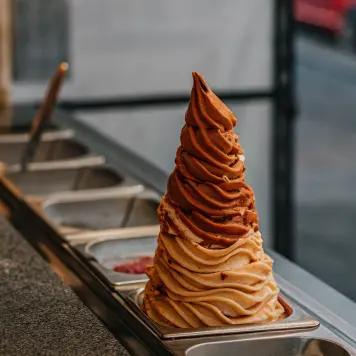
Queso Helado
Despite its name meaning "frozen cheese," Queso Helado contains no cheese at all. It is a creamy cinnamon-vanilla frozen dessert made from milk, coconut, and sugar, traditionally shaved into layers and sold by street vendors in Puno.
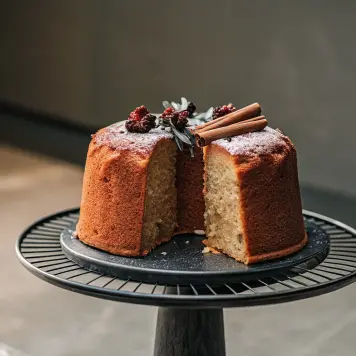
Torta de Quinua
This dense, sweet cake is made from quinua, a sacred Andean grain that has been cultivated on the altiplano around Lake Titicaca for thousands of years. It is often flavored with cinnamon, cloves, and dried fruits.
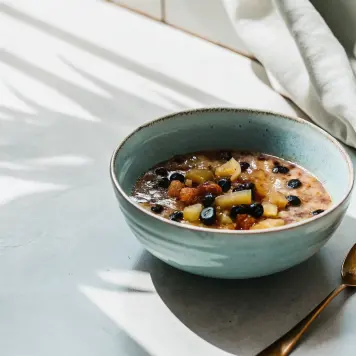
Mazamorra de Frutas
This thick, warm fruit pudding is made with local Andean fruits like aguaymanto and tuna (cactus fruit). It is sweetened with chancaca, a traditional unrefined cane sugar, and thickened with cornstarch or chuño flour.
Tradicionalne slane jedi
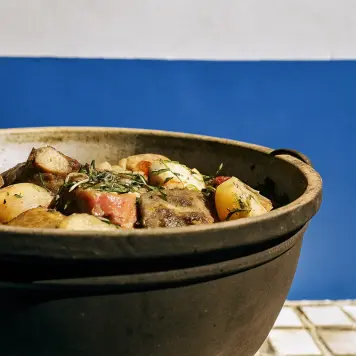
Pachamanca
Pachamanca means "earth pot" in Quechua, as the dish is cooked by burying marinated meats, potatoes, and herbs in a pit with hot stones. It is a ceremonial feast that honors Pachamama, the Earth Mother goddess revered by Andean communities around Lake Titicaca.
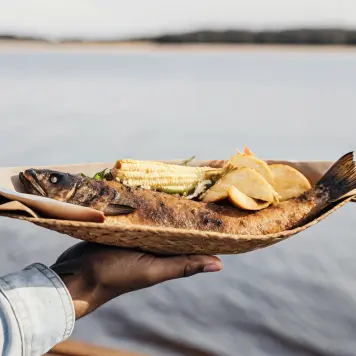
Trucha Frita
Lake Titicaca, the highest navigable lake in the world, is the source of the rainbow trout used in this dish. The trout is typically seasoned with local herbs like muña (Andean mint) and served with giant corn and fried potatoes.
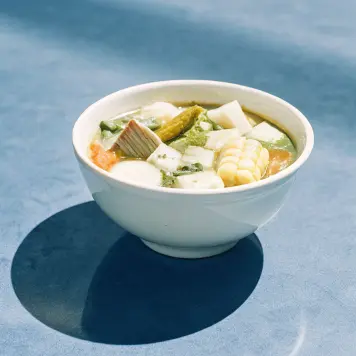
Chairo
Chairo is a hearty soup containing freeze-dried chuño potatoes, llama or sheep meat, and vegetables like corn and lima beans. It dates back to pre-Columbian times and was a staple for the Quechua and Aymara people of the highlands.
Tradicionalne pijače
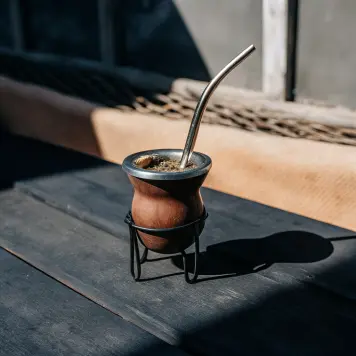
Mate de Coca
This herbal tea made from coca leaves is a traditional remedy for altitude sickness, which is essential in Puno at 3,830 meters above sea level. Locals have chewed and brewed coca leaves for thousands of years for energy and to aid digestion.
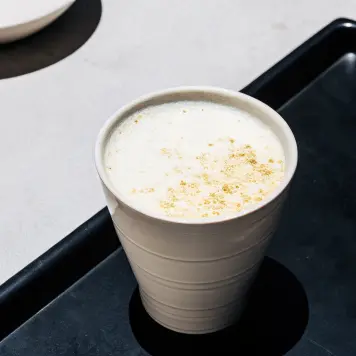
Chicha de Quinua
Unlike the corn-based chicha found elsewhere in Peru, this Puno version is fermented from quinua and has a slightly thicker, creamier texture. It is often consumed during festivals and is believed to have been a sacred drink in Inca rituals.
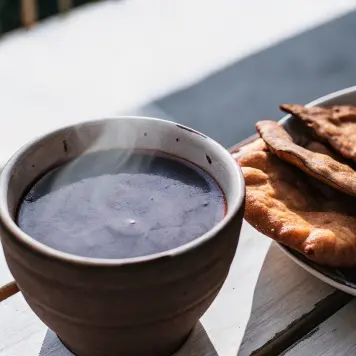
Api con Sopaipillas
Api is a thick, warm purple corn drink flavored with cinnamon, cloves, and fruit peel, commonly sold by street vendors at dawn in Puno's markets. It pairs perfectly with crispy fried sopaipillas (sweet pumpkin pastries) for a classic highland breakfast.
Pogosta vprašanja o Puno, Peru
"Ali je Puno v Peruju varen za turiste?"
"Koliko dni v Punu v Peruju je dovolj?"
"Kdaj je najboljši čas za obisk Puna v Peruju?"
"Ali je Puno v Peruju drag za obisk?"
"Kako se premikati po Punu v Peruju?"
Prejmite PDF z najbolj priljubljenimi znamenitostmi na vaš e-poštni naslov
Prejmite PDF z vsemi znamenitostmi, ocenami in nasveti. Popolno za uporabo brez povezave.
Najbolj priljubljeni dnevni izleti
Lake Titicaca (Uros Floating Islands)
Iconic floating islands made of totora reeds on Lake Titicaca.
Sillustani Burial Towers
Pre-Inca chullpa burial towers on a peninsula overlooking Lake Umayo.
Amantani Island
Peaceful island with homestays and stunning lake views.
Chucuito
Small town with the Temple of Fertility and Inca stone structures.
Kako priti tja
Letališča
Železniške postaje
Cusco to Puno (PeruRail / Andean Explorer service)
Fly into Juliaca Airport (JUL) 50 km away. Buses and taxis connect to Puno in about 1 hour. Or arrive by train from Cusco for a scenic route.
Uporabne informacije za Puno, Peru
Pregled za Puno, Peru
Želite načrt po dnevih za Puno, Peru? Odprite načrtovalnik potovanja
Kdaj boste šli v Puno, Peru?
Izberite datume in stil potovanja, da dobite:
Kaj vam je še posebej pomembno?
Izberite vse, kar velja
Premikanje po mestu
Kako se želite premikati med kraji?
Jezik načrta: Slovenščina