 CityBuddy
 Svenska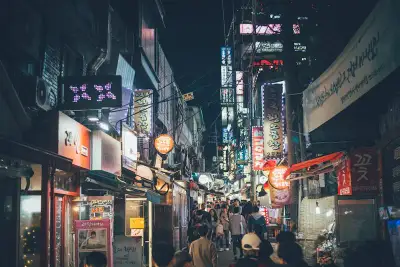
Saker att göra i Shinjuku, Japan
Foto taget av Tan Danh på Pexels.com
När ska man besöka
Shinjuku är världens #2 stad för nattliv, baserat på vår data över hundratals destinationer.
Mest populära attraktioner i Shinjuku, Japan
The best things to do in Shinjuku, Japan range from tranquil escapes to neon-lit adventures. Walk the 58-acre Shinjuku Gyoen National Garden, blending French and Japanese landscape styles. Ride the free elevator 202 meters up the Tokyo Metropolitan Government Building for panoramic city views. Then duck into Omoide Yokocho, a narrow alley of 60 tiny grills serving yakitori since World War II.
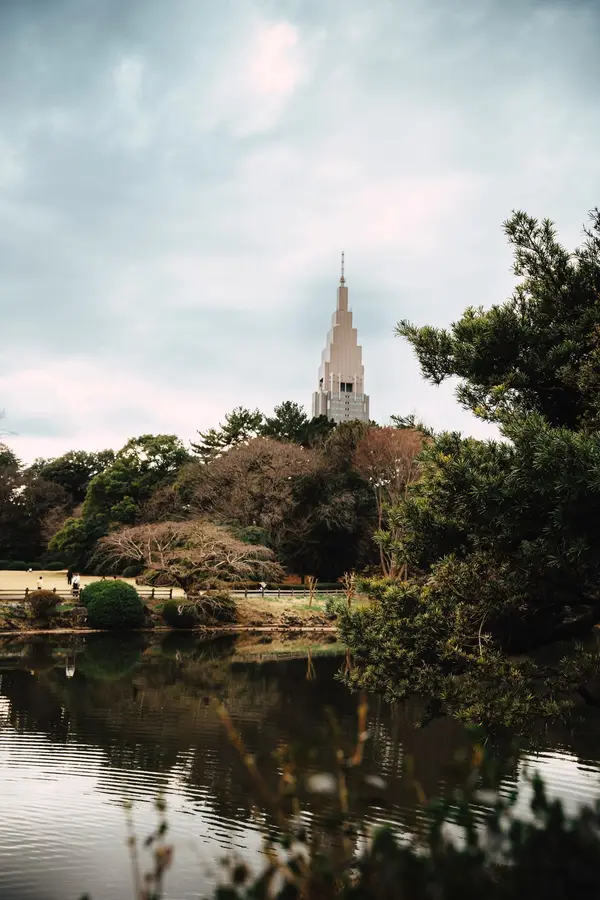
1. Shinjuku Gyoen National Garden
Fly från Tokyos neonkaos till 58 hektar fridfulla trädgårdar där körsbärsblommor och urgamla tallar ramar in tre perfekt kuraterade landskap. Vandra mellan en fransk barockträdgård, ett japanskt tehus och en engelsk äng på en enda eftermiddag.
Snabba fakta: Across its 58 sprawling hectares, three distinct garden styles coexist: a formal French garden, an English landscape garden, and a traditional Japanese garden with a large pond. Over 20,000 trees from around the world thrive here, including some 1,500 cherry trees that burst into bloom each spring.
Höjdpunkter: A rare surviving example of an early 20th century large-scale landscape garden in Tokyo, it was once the private residence of a feudal lord before being given to the imperial family. The traditional Japanese garden section features a wooden pavilion where you can sit and watch koi fish swirl beneath you while sipping matcha tea served by kimono-clad attendants.
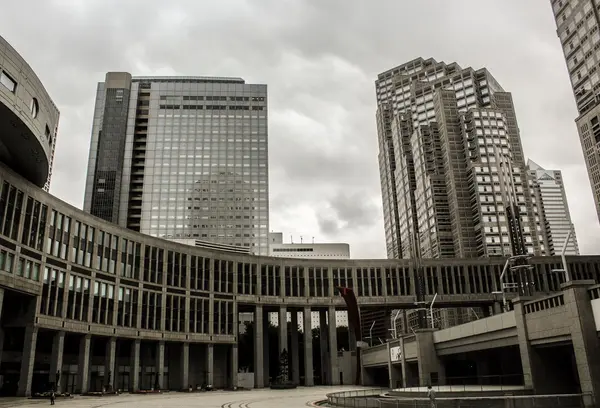
2. Tokyo Metropolitan Government Building
Två gratis observationsdäck med Tokyos bästa skylineutsikt. Åk hissen upp 45 våningar och se Fuji synas vid horisonten medan staden breder ut sig under dig.
Snabba fakta: Free observation decks on the 45th floor of both towers offer panoramic views stretching all the way to Mount Fuji on clear days. The building was designed to resemble a Gothic cathedral, with its twin towers rising 243 meters and its facade covered in 12,000 mirrored windows.
Höjdpunkter: Head up just before sunset and watch Tokyo transform from the 45th floor as the city lights flicker on below while the sky still holds color. The south observation deck stays open until 11 PM and offers a completely different mood at night, with far fewer crowds and the cityscape glittering like a circuit board.
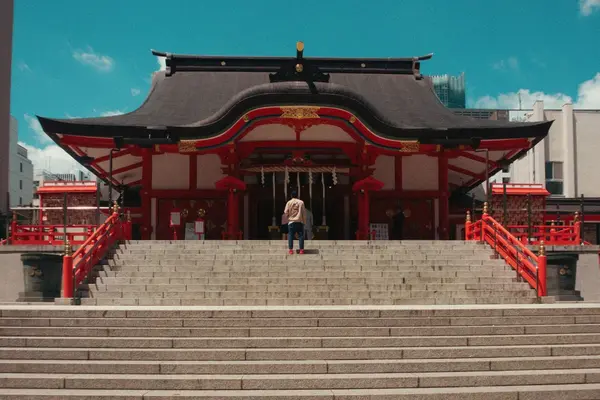
3. Hanazono Shrine
Hitta en lugn oas mitt i Shinjuku neonkaos vid en helgedom som förankrat stadsdelen sedan 1600-talet. Passera höga betongbyggnader och upptäck lokalbefolkning som kastar mynt, klappar händer och viskar önskningar till gudarna.
Snabba fakta: Hanazono Shrine hosts over 300 vendors during its annual flea markets, drawing thousands of bargain hunters each weekend. Dedicated to the gods of business prosperity and good fortune, this shrine sits in the middle of Shinjuku's modern high-rises and entertainment district.
Höjdpunkter: On New Year's Eve, the shrine's massive 500-kilogram bell is rung 108 times by volunteers, each strike symbolizing the cleansing of a human desire according to Buddhist tradition. The sound reverberates through the concrete canyons of Shinjuku, creating an surreal acoustic collision between ancient ritual and neon-lit modernity.
4. Omoide Yokocho
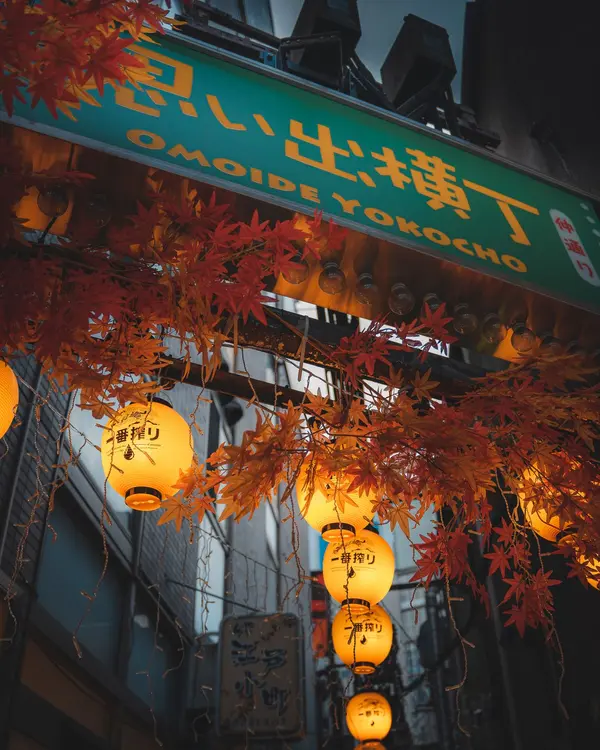
Kliva in i en rökig, lykttänd tidskapsel där Tokyo grillar den bästa yakitorin i ditt liv. Pressa dig ner på en liten bardiskpall, beställ spett och kall öl och se kockarna fläkta glödande kol precis framför dig.
Snabba fakta: Roughly 60 tiny, smoky yakitori bars and restaurants are crammed into this narrow alley network near Shinjuku Station. Locals have been squeezing onto stools here since the postwar black market days of the 1940s, when the area first sprang up.
Höjdpunkter: One of the last surviving pockets of old Tokyo, this alley somehow escaped the redevelopment that turned the surrounding neighborhood into a forest of glass skyscrapers. The air still smells of charcoal-grilled chicken and soy sauce, just as it did 70 years ago, and some shops still source their skewers from the same family-run suppliers.
5. Golden Gai
Över 200 små barer packade i sex lykttända gränder där varje ställe rymmer knappt en handfull personer. Vandra genom smala passager, smyg in i en whiskeybar med fyra sittplatser och utbyt historier med lokalbefolkningen till långt in på småtimmarna.
Snabba fakta: Tucked between Shinjuku's skyscrapers, this maze of 200 tiny bars occupies six narrow alleys that survived postwar reconstruction. Most bars seat only 4-6 people, forcing strangers into close conversation over whiskey or sake.
Höjdpunkter: Many bars here are still run by aging owners who've tended the same counter for 50+ years, with some refusing to serve anyone who looks under 30. One bar has a house cat that decides when last call happens by jumping onto the customer's lap to signal it's time to leave.
6. Samurai Museum
Kom närmare riktig samurajutrustning än någon annanstans i Tokyo. Du får hålla i 700 år gamla svärd, prova rustningar och se levande svärdsdemonstrationer varje dag.
Snabba fakta: Över 13 000 artefakter täcker 700 år av samurajhistoria, från Kamakuraperioden genom Edo-eran. Besökare kan hantera äkta samurajsvärd och prova på autentisk rustning under personalens övervakning.
Höjdpunkter: En pensionerad samurajrustningsrestauratör underhåller personligen samlingen och demonstrerar ibland den 45 minuter långa processen att ikläda sig en fullständig rustning. Museets trägolv för kendo bär fortfarande spår av märken och bucklor från årtionden av träning av Tokyos universitets kendoklubbar.
7. Shinjuku Ni-chome
Ingen annanstans ryms så mycket queer energi inom några få neonupplysta kvarter. Hoppa mellan små barer där lokalbefolkningen delar tallrikar med edamame och häller upp din nästa drink innan du hunnit avsluta den första.
Snabba fakta: Med över 300 barer, klubbar och små restauranger inrymda på bara några kvarter har detta lilla område en av de högsta koncentrationerna av HBTQ+-ställen i hela världen. Mer än 30 procent av barerna här är små verksamheter med plats för färre än 10 personer, vilket gör att varje kväll känns som en privat fest.
Höjdpunkter: Många av barerna drivs av pensionerade dragqueens som har hällt upp drinkar i samma disk med tio sittplatser sedan 1980-talet, och de minns varje stamgäst vid namn. Du kan kliva in i en underjordisk bar med fyra sittplatser vid midnatt och hitta en 70-årig före detta kabarédiva som sjunger Edith Piaf medan hon blandar din highball.
8. Shinjuku Central Park
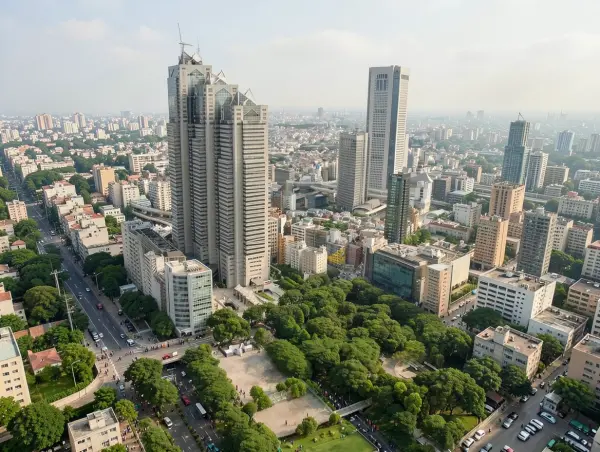
En frodig grön flykt inklämd mellan skyskrapor som erbjuder platser på främsta raden till Tokyos urbana balett. Ta en kaffe, hitta en bänk och se kontorsarbetare sova, kråkor planera och körsbärsblommor sväva förbi betong och glas.
Snabba fakta: Shinjuku's mest trafikerade pendlarknut ligger på ena sidan av denna gröna korridor, ändå förblir parken förvånansvärt lugn med över 700 körsbärsträd som kantrar dess gångvägar. Det som en gång var en tom tomt i väntan på en sportstadion som aldrig byggdes förvandlades till denna 2,25 hektar stora grönsträcka som förbinder två av stadens stora skyskrapedistrikt.
Höjdpunkter: På vardagar runt lunch ser du kontorsarbetare som tupplurar på gräset i sina kostymer, en stilla Tokyo-ritual som nästan känns koreograferad. Parken fungerar också som ett friluftskonstgalleri med roterande installationer från närbelägna Tokyo Opera City Gallery, så skulpturerna byts ut med några månaders mellanrum.
Where to Stay in Shinjuku, Japan
Selected by City Buddy based on guest reviews and proximity to top attractions
Search all hotels in Shinjuku, JapanPowered by agoda
Öppettider i Shinjuku, Japan
Vilka av de främsta sevärdheterna stänger vilken veckodag. Den klassiska resanförstöraren, kollad åt dig.
måndag: 1 av 8 främsta sevärdheter stängda. Planera museerna en annan dag.
Stängt på måndag · 1 stängda, 7 öppna
Öppettider från Google Maps (kontrollerat 2026-07-03). Helgdagar, strejker och säsongsöppettider kan skilja sig. Kontrollera den officiella webbplatsen innan du åker.
Traditionella söta rätter
Anmitsu
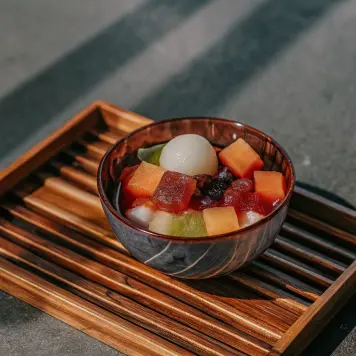
Anmitsu features small cubes of agar jelly, sweet red bean paste, mochi, and fresh fruit all served with a drizzle of kuromitsu, a dark sugar syrup that originated as a medicine in the Edo period.
Ohagi (Botamochi)
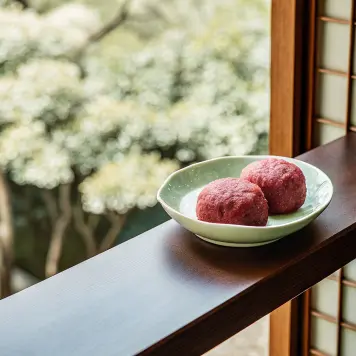
Ohagi is a traditional sweet made from glutinous rice coated in sweet azuki bean paste, and its name changes to botamochi in spring depending on the seasonal flower in bloom.
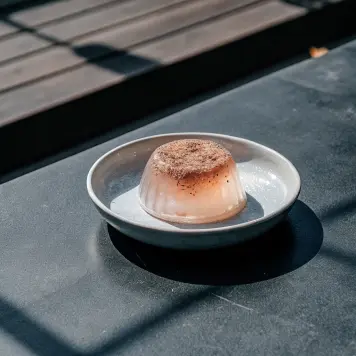
Kuzumochi
Unlike regular mochi made from rice, kuzumochi is made from kuzu (arrowroot) starch giving it a uniquely translucent, jelly-like texture, and it is often served with kinako (roasted soybean flour) and kuromitsu.
Traditionella salta rätter
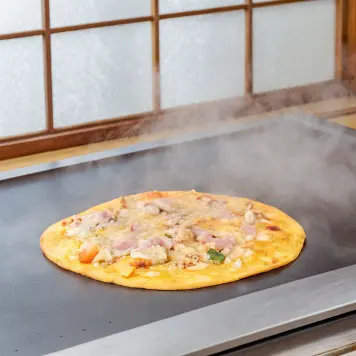
Monjayaki
Monjayaki is a thin, runny savory pancake cooked on a hot griddle that is famously associated with Tokyo's shitamachi (old town) culture, and Shinjuku has some of the best monjayaki specialty restaurants in the city.
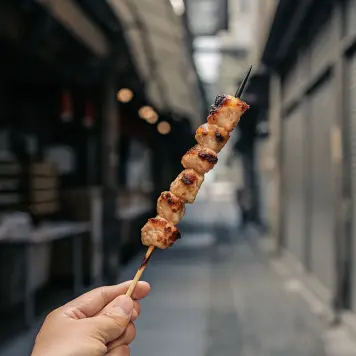
Yakitori
Shinjuku's Omoide Yokocho (Memory Lane) is legendary for its tiny yakitori stalls where skewers of chicken are grilled over charcoal, and the smoky alleyway has been a beloved dining destination since the post-war era.
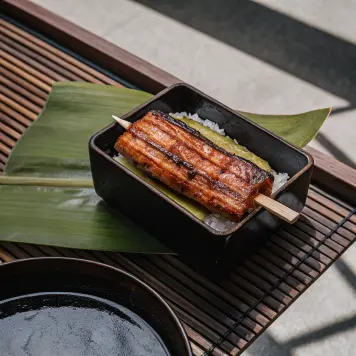
Unagi no Kabayaki
This dish features grilled eel glazed with a sweet soy-based sauce, and Shinjuku is home to some of Tokyo's most historic unagi restaurants that have been serving it continuously since the 1800s.
Traditionella drycker
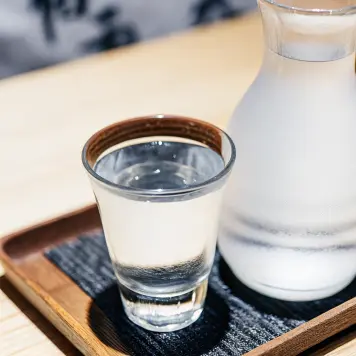
Sake
Sake is Japan's iconic rice wine, and Shinjuku's many izakaya (Japanese pubs) offer extensive sake selections where you can enjoy everything from fruity ginjo to rich, aged koshu varieties.
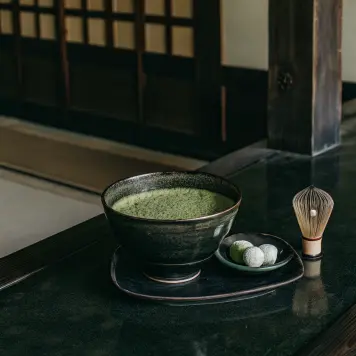
Matcha (Ceremonial Green Tea)
Matcha is a finely ground powder of specially grown green tea leaves, and Shinjuku's traditional tea houses offer this vibrant drink alongside the district's famous wagashi (Japanese sweets) for a perfect pairing.

Shochu
Shochu is a distilled spirit typically made from barley, sweet potato, or rice, and it is a staple at Shinjuku's drinking establishments where it is enjoyed on the rocks, with water, or mixed with hot water.
Vanliga frågor om Shinjuku, Japan
Är Shinjuku, Japan säkert?
Hur många dagar i Shinjuku, Japan?
Bästa tiden att besöka Shinjuku, Japan?
Är Shinjuku, Japan dyrt?
Hur tar man sig runt i Shinjuku, Japan?
Få en PDF med de mest populära attraktionerna skickad till din e-post
Få en PDF med alla attraktioner, betyg och tips. Perfekt för offline-användning.
Mest populära dagsutflykter
Kamakura
Historic coastal town with Great Buddha statue and serene temples
Hakone
Hot spring resort with views of Mount Fuji and Lake Ashi
Yokohama
Port city with Chinatown, Minato Mirai waterfront and gardens
Att ta sig dit
Tågstationer
JR Yamanote Line, JR Chuo Line, Odakyu Line, Keio Line, Tokyo Metro Marunouchi Line
Highway bus connections to airports and other cities
From Haneda Airport take the Limousine Bus (45 min) or train via Yamanote Line. From Narita take the Narita Express (80 min) directly to Shinjuku Station.
Användbar information för Shinjuku, Japan
Översikt för Shinjuku, Japan
Vill du ha en dag-för-dag-plan för Shinjuku, Japan? Öppna reseplaneraren
När ska du åka till Shinjuku, Japan?
Välj dina datum och resetyp för att få:
Är något av detta särskilt viktigt för dig?
Välj alla som gäller
Ta dig runt
Hur vill du ta dig mellan platserna?
Planspråk: Svenska