 CityBuddy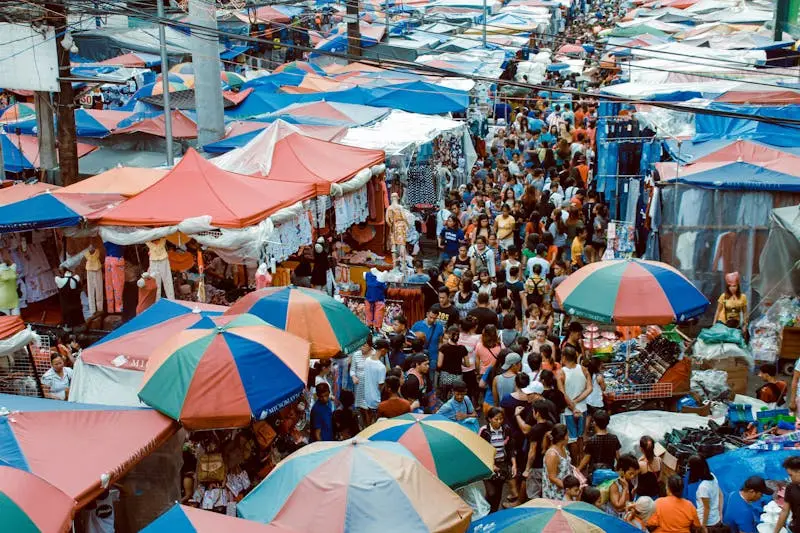
Manila, Philippines 必做之事
照片由 NIC LAW 在Pexels.com拍摄
最佳旅游时间
根据我们对数百个目的地的数据,Manila 是全球第 14 名的对外国人最友好的城市。
Manila, Philippines 最受欢迎的景点
菲律宾马尼拉的主要景点包括探索印特拉穆罗斯,这座历史悠久的城墙城市可追溯到西班牙殖民时期。参观圣地亚哥堡,这是一座距离海岸仅600米、拥有丰富历史的城堡。不要错过圣奥古斯丁教堂和博物馆,这是该国最古老的石头教堂,展示了引人入胜的文物和建筑。
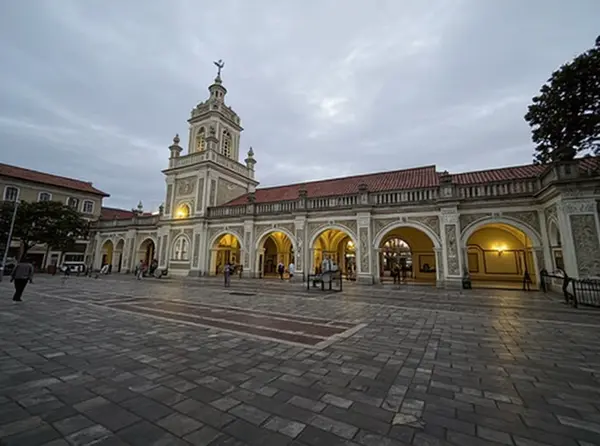
1. Intramuros (Historic Walled City)
Historic Walled City
踏入菲律賓歷史的石牆之後,感受數百年的歲月。漫步於鵝卵石街道、殖民教堂、博物館,以及堡壘上的夕陽美景。
快速信息: 阳光斜射在长满苔藓的石墙上,马车在鹅卵石路面上喀哒作响,咖啡馆的声乐透出狭窄的广场。十多个修复的防御工事和殖民建筑如今承载着博物馆、艺术画廊和屋顶花园,徜徉其中仿佛步入一个活生生的时间胶囊。
亮点: 漫步在被阳光温暖的鹅卵石街道,经过建于1607年的圣奥古斯丁教堂,穿过圣地亚哥堡的拱形门洞,那里的生锈的17世纪西班牙大炮依然朝向海湾,黎刹纪念馆标示着何塞·黎刹在1896年被处决之前关押的牢房。白天,马拉车在鹅卵石路上敲击前行,工坊踩出数十辆竹制旅游自行车,空气中混合着炸油香、茉莉花香和微弱的江水金属味,仿佛可以同时感受到三个世纪的层叠气味和故事。
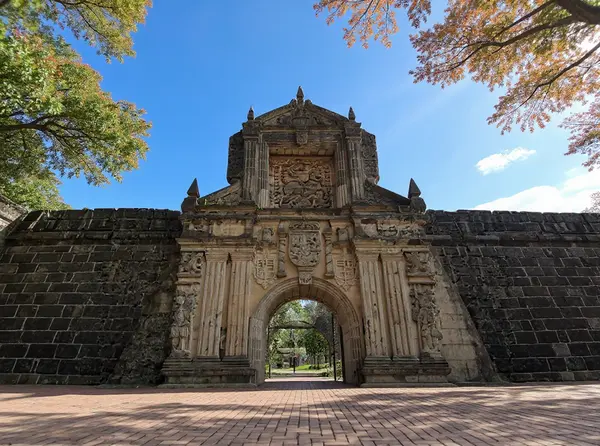
2. Fort Santiago
石牆環繞的聖地牙哥堡揭示了馬尼拉的西班牙殖民與戰時歷史。漫步於綠蔭庭院,参觀黎刹紀念館,並從古老的城垛眺望巴西格河。
快速信息: 厚重的火山岩石墙和静谧的护城河营造出电影般的静谧氛围,殖民建筑和战争的痕迹依然可以从脚下感受到。游客们常常在小型博物馆和何塞·黎刹写下最后诗篇的狭窄牢房前驻足,想象着他最后行军前的肃静。
亮点: 走进昏暗的牢房,何塞·黎刹在1896年12月30日处决前的最后几夜就在这里度过,粗糙的砖墙上仍刻有名字,散发着旧大炮的淡淡金属味。每年12月30日,数百名学生和自由石匠团体成员聚集在这里献花圈和点蜡烛,只有孤独的军号声打破寂静,奏响国殇曲。
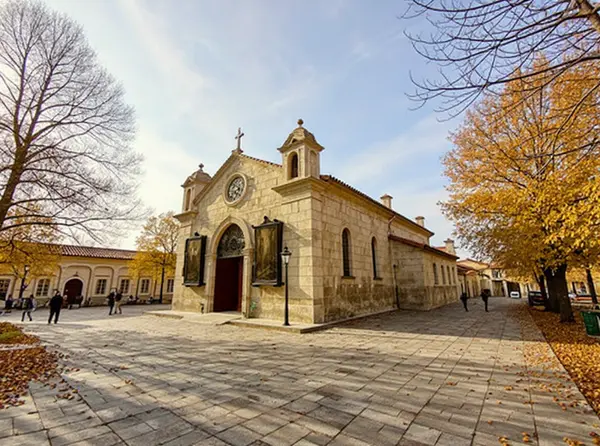
3. San Agustin Church and Museum
走入西班牙時代的馬尼拉,在聖奧古斯丁教堂感受聯合國教科文組織認定的巴洛克建築。欣賞鎏金祭壇、錯視天花板及殖民時期文物的小型博物館。
快速信息: 走进内部,你会被温暖的蜂蜜色石材和华丽的巴洛克装饰所震撼,而视觉错觉的天花板仿佛绘有呼吸的云朵。楼上一个小巧的博物馆收藏了数百年的教会珍宝,从刺绣祭服到闪耀的圣骨箱,整栋建筑奇迹般地在轰炸中幸存下来,当时周围邻近地区多被夷为平地。
亮点: 这座用石头建造的大教堂建于1607年,已矗立了400多年。在大殿下方安葬着征服者米格尔·洛佩斯·德·雷加斯皮,你仍可以用手指触摸他刻着的墓志铭。博物馆昏暗的房间里弥漫着蜂蜡和古纸的淡淡气息,展示柜中陈列着17至18世纪的祭服、银制礼拜器皿,以及裂纹斑驳的彩绘木质游行圣像,它们在唯一一盏灯光下散发着光芒。
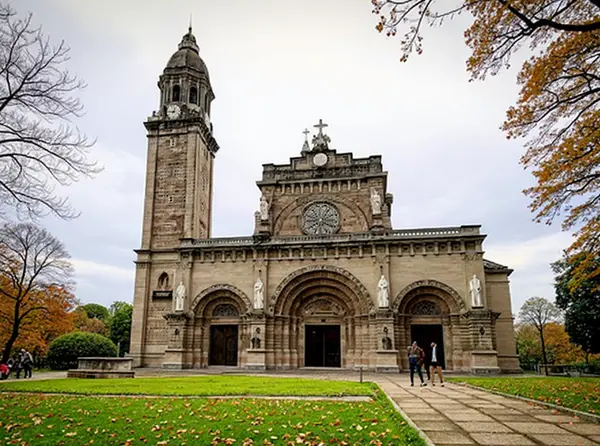
4. Manila Cathedral
在內城中心宏偉的殖民大教堂體驗數百年的馬尼拉歷史。欣賞修復的巴洛克與羅馬式建築細節、彩繪玻璃及寧靜的內部空間。
快速信息: 阳光透过高耸的彩色玻璃窗洒下斑斓的色彩,抛光大理石地面映出光影,拱形的声学结构让管风琴和合唱演出特别回响。无声的纪念牌和修复的石材讲述着多次地震与战争破坏中幸存的戏剧情节,一幅受人敬仰的数世纪悠久画作吸引着朝圣者和好奇的游客。
亮点: 走进教堂,你将站在一个自16世纪以来重建过八次的地方,大理石地板、新古典主义柱子和巴洛克雕刻构成一条用眼睛可读的时间线。许多午后,一群年长的合唱团成员练习格里高利圣歌,阳光透过彩色玻璃把过道染成红宝石和金色的条纹,教友们经常将小折条纸条塞进祭坛旁的铁栏,纸边因数年熏香而变得柔软。
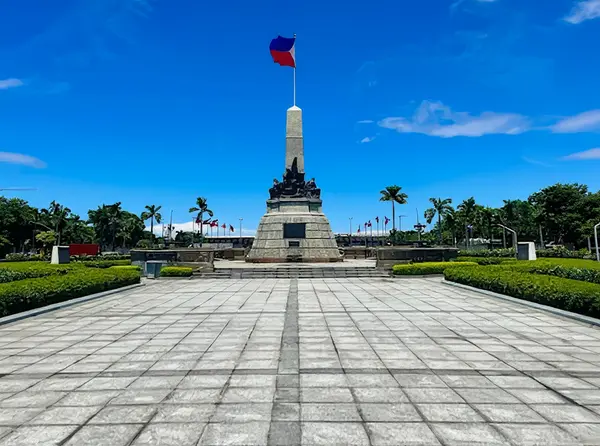
5. Rizal Park (Luneta)
Luneta
馬尼拉市中心的歷史公園,是國家記憶與日常生活的交匯處。漫步於黎刹紀念碑、悠閒花園及熱鬧廣場,拍照與觀察人群。
快速信息: 晨光映照下,广阔的绿草坪点缀着装饰性的喷泉和荫凉的林荫道,街坊们在那里练习太极,家庭在盛开的相思树间野餐。一个宏伟的国家纪念碑矗立于中心,吸引人群进行仪式和安静的沉思,鸽群为热闹的城市背景增添生气。
亮点: 中心矗立着一座12.8米高的何塞·黎刹铜像,落日后,当地人默默地留下小蜡烛和手串茉莉花环,蜡烛味和花香融入晚风。每年12月30日,数百至数千人在黎明前聚集,举行献花圈和升旗仪式,学校合唱团高唱国歌,街头小贩售卖售价约10到20比索的小纸旗和米糕。
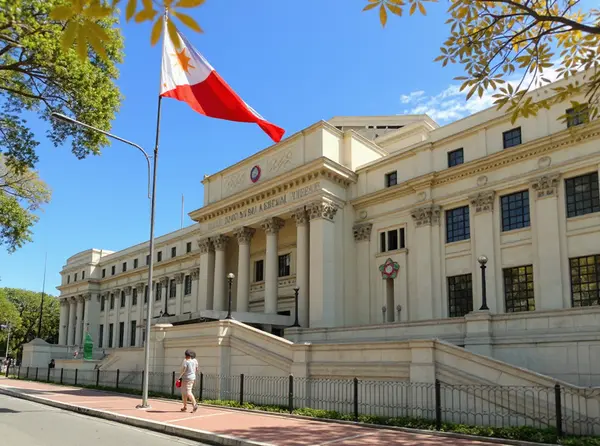
6. National Museum of the Philippines (National Museum Complex)
National Museum Complex
在一個中央綜合體中探索菲律賓的藝術、歷史和生物多樣性。欣賞胡安·盧納的《掠奪》、《自然歷史生命樹》及豐富的文化文物。
快速信息: 一进门你会被宽阔的新古典主义大厅所震撼,这里陈列着胡安·卢纳的《伦奧利亚姆》画作,旁边还有令人眼花缭乱的前殖民时期黄金工艺品和丰富的织物。幽静的角落邀请你细细品味化石标本、仪式用品和大幅绘画,使得参观像是一次浓缩的文化历程。
亮点: 站在苍白的新古典主义圆顶下,胡安·卢纳的《伦奧利亚姆》绝对吸引你的目光,这幅约4米乘7米的大画布,其深暗的棕褐与红色高光在修复人员轻柔地处理清漆时愈发深邃,伴随着一丝松节油的气味。该画作于1884年在马德里获得金牌,导游仍讲述其作为菲律宾民族自豪感的火花,听着这个背景故事,画廊的静谧让场景显得出乎意料地如电影般。

7. Manila Ocean Park
在大型互動水族館近距離觀察菲律賓海洋生物。穿行長玻璃隧道,觀賞餵食表演,並與企鵝親密接觸。
快速信息: 蓝色灯光闪耀,弧形玻璃隧道让你看见鲨鱼和魟鱼近乎贴头而过,漫步仿佛置身水下明信片。三千多种海洋生物栖息在主题水族箱中,每日喂食让课堂知识变成交互心跳体验。
亮点: 每晚水族馆灯光变暗成海洋蓝,举办“喂食小夜曲”,约200条闪亮沙丁鱼整齐游过玻璃隧道,水声如远雨般细语,家庭们将手掌贴在丙烯酸玻璃上。资深潜水员库亚·丹尼用他乡音菲律宾语解说节目,勇敢的小朋友能触摸光滑的海参,学习鱼类本土名称,笑声立刻变成骄傲且睁大眼睛的交谈。
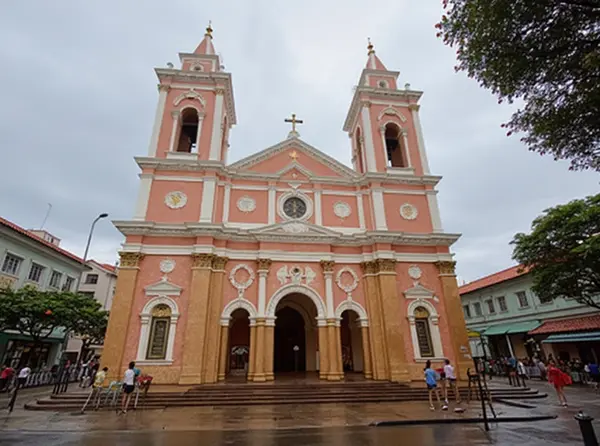
8. Binondo Church (Minor Basilica of San Lorenzo Ruiz)
Minor Basilica of San Lorenzo Ruiz
在賓多多教堂體驗數世紀的華裔菲律賓天主教歷史。欣賞華麗的巴洛克室內裝飾,親眼見證當地的虔誠信仰。
快速信息: 一片温暖的香雾和彩灯迎接访客,展示巴洛克祭坛与中国装饰图案的奇妙混合。许多人前来朝拜菲律宾第一位被封圣者,热闹的婚礼和社区仪式让走道充满虔诚的欢鸣。
亮点: 教堂建立于1596年,为华裔菲律宾商人服务,是国内最古老的教区之一。每年9月28日盛大节日时,教堂内依然充满浓烈香烟和木质念珠的拍击声。一个当地奇特习俗是游客将小折叠祈愿和红色祷告带塞进侧教堂的铁栅栏,几十张手写纸条和褪色的丝带尾巴在风中轻舞。
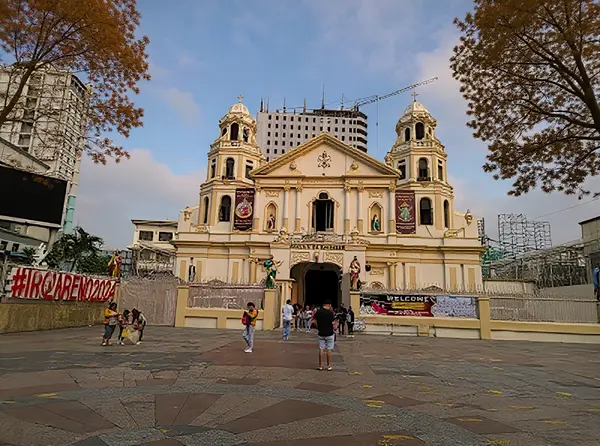
9. Quiapo Church (Minor Basilica of the Black Nazarene)
Minor Basilica of the Black Nazarene
見證深厚的民眾信仰和馬尼拉的活歷史,在黑拿撒勒小聖殿。感受熱鬧的彌撒、燭光奉獻,近距離觀賞黑拿撒勒聖像。
快速信息: 人潮拥挤着穿过香烛点缀的走道去触摸一尊深色木制雕像,祈祷和低语回响满满教堂。传说信徒将无数祈愿归功于这尊雕像,每年游行吸引数十万信徒齐聚街头,为了能短暂触摸这尊神圣雕像而互相推搡。
亮点: 在蜡烛烟雾和念珠金属碰击声中,信徒们将褪色的围巾和小毛巾贴在据说起源于17世纪的真人大小深色木雕基督像上,期盼布料能沾上祝福。每年一月约有一百万人参与激烈的“Traslacion”游行,人群肩并肩挤满长达12小时,人们喊祷告,努力触摸雕像或其绳索,以求奇迹。
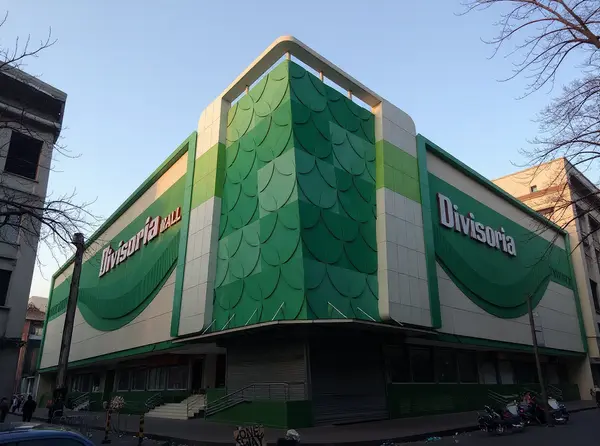
10. Divisoria Market (shopping district)
shopping district
在馬尼拉最繁忙的市場尋找無與倫比的衣服、布料和配飾特價。穿梭於擁擠多彩的小巷,品嘗街頭小吃並討價還價。
快速信息: 狭窄的巷道里挤满了层层叠叠的摊位,售卖从布料到特价电子产品的各种商品,使讨价还价变成了一项竞技活动。经验丰富的掏宝者喜欢在批发箱和街头小吃摊中仔细寻找,一边听着摊贩们不断的吆喝声,一边以批量购买和奇特发现为乐。
亮点: 一排排摊位挤得密密麻麻,你甚至能闻到一位卖烤鱼丸摊贩的蒜香味,附近有卖同款LED灯的商贩,售价低至₱10,布匹堆得有十英尺高,在嗡嗡作响的荧光灯下显得格外醒目。老顾客们有一个俏皮的习惯:他们会在柜台上轻敲三次,发出“最后一价”的倒计时,当卖家挥动绿色签字笔时,交易即刻完成,这让讨价还价变成了一场街头表演。
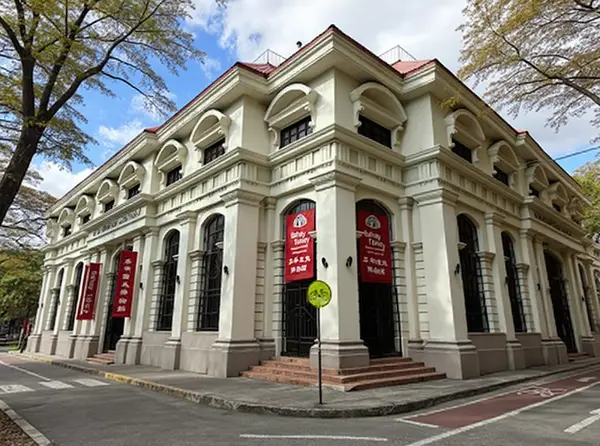
11. Visit Bahay Tsinoy Museum
通過稀有文物和生動故事,發現華裔菲律賓人的豐富傳承。通過聲音與影像走進歷史,讓過去栩栩如生。
快速信息: 该地展示了超过120万华裔菲律宾人的故事及其对菲律宾文化和历史的影响。展览包括复杂的祖籍记录和超过300年前的文物。
亮点: 访客可以体验独特的声音展览,传统中国乐器与旧马尼拉街头声音交织,带来沉浸式时光穿越体验。亮点是一幅展示1900年代初滨都区景象的详细微缩模型,拥有500多个人物小雕像。
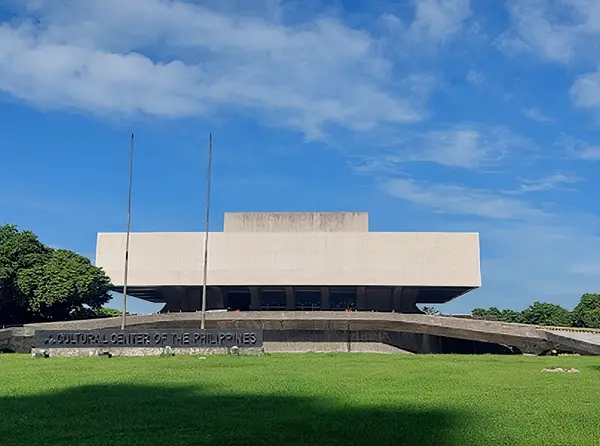
12. Cultural Center of the Philippines
感受菲律賓表演藝術的脈動。在獨特建築中欣賞充滿活力的戲劇、音樂會和展覽,讚揚本地文化。
快速信息: 这个地方的一个显著特色是唐哈朗·尼卡诺尔·阿贝拉多剧院,这是一座以其声学设计闻名的剧院,使得每一个词句和音符都能清晰传达到最后一排座位。这里每月举办超过50场表演和艺术展览,吸引了全国各地的艺术家和观众。
亮点: 在每个重大活动开始前,观看表演者传递一支仪式火炬,以此来纪念菲律宾的艺术传统,这一传统由最初的文化主管发起。主剧院可容纳1800人,内设由卡皮兹贝壳制成的吊灯,在灯光下展示当地的工艺美术。
Where to Stay in Manila, Philippines
Selected by City Buddy based on guest reviews and proximity to top attractions
Search all hotels in Manila, PhilippinesPowered by agoda
Manila, Philippines 的开放日期
哪些热门景点在星期几关门,经典旅行扫兴事,已为你查好。
星期一:19 个热门景点中有 9 个关闭,博物馆请另选一天。
星期一 关闭 · 9 个关闭, 10 个开放
开放日期来自 Google Maps(2026-03-14 核验)。公共假期、罢工和季节性营业时间可能有所不同,出行前请查看官方网站。
传统甜点
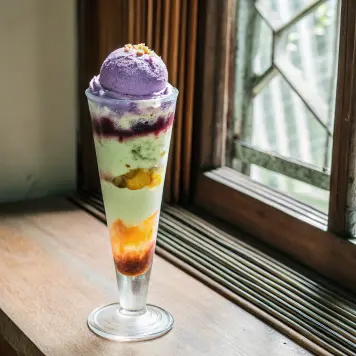
halo-halo
Halo-halo literally means 'mix', it evolved from Japanese shaved ice and Filipino sweet preserves, and today its rainbow layers topped with leche flan or ube ice cream are a summer symbol across Manila.
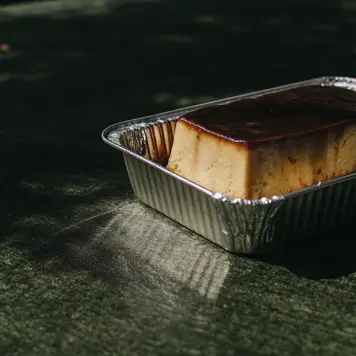
leche flan
Leche flan in the Philippines is denser and richer than its Spanish cousin because cooks use many egg yolks and condensed milk, and it is traditionally steamed in a tin mold called a llanera for a silky, custardy texture.
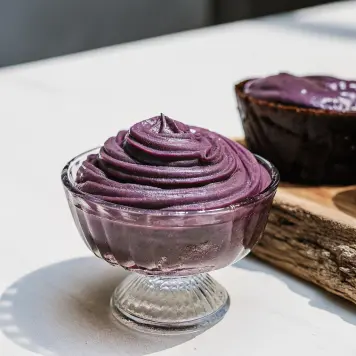
ube halaya
Ube halaya is a vivid purple jam made from purple yam, its color and nutty-sweet flavor turned it into a signature ingredient that elevates everything from halo-halo to pastries and ice cream.
传统咸味菜肴
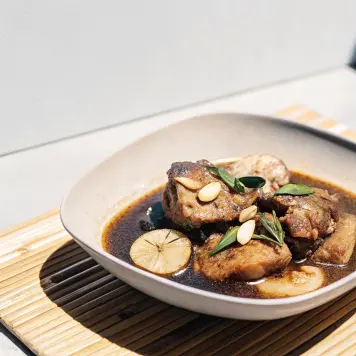
adobo
Adobo is more a method than a single recipe, vinegar and soy sauce preserve and flavor meat, and nearly every Filipino family in Manila guards a version they call their own.
sisig
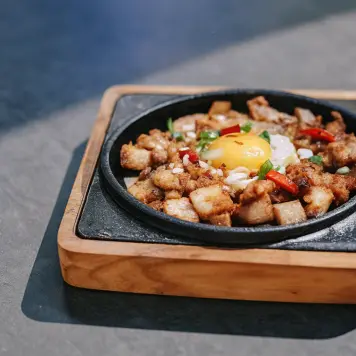
Sisig began as a resourceful Kapampangan dish made from pig's head and ears, it was revived as a sizzling, tangy bar favorite in Manila and is often finished with a raw egg on the hot plate.
lechon
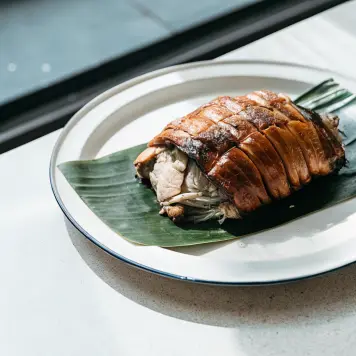
Lechon, a whole roasted pig with crackling skin and juicy meat, is the unmistakable centerpiece of Filipino fiestas and its carving announces celebration across Manila.
传统饮品

sago't gulaman
Sago't gulaman pairs chewy tapioca pearls with jiggly agar jelly in a sweet brown sugar syrup, it became a beloved street drink because it is both refreshing and texturally playful.
buko juice
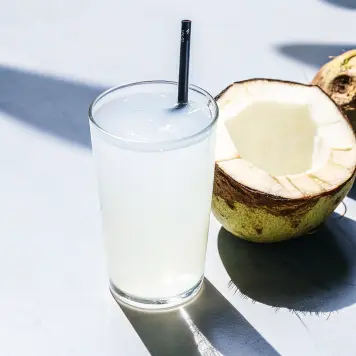
Buko juice is the clear, slightly sweet water from young coconuts, sold straight from halved shells by vendors and prized as a natural electrolyte on hot Manila days.
tuba
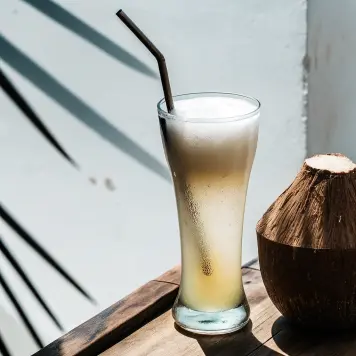
Tuba is freshly tapped coconut sap that ferments into a mildly alcoholic palm wine, it has long been woven into Filipino rituals and fiestas and can be distilled into the stronger spirit lambanog.
出行前须知
Manila每日花费及需避开的坑
最需避开的宰客陷阱
- 未经许可的机场司机. 使用航站楼内的官方优惠券出租车柜台,或在离开到达区前通过应用预订Grab。
- 计价器作弊. 上车时检查计价器是否已归零,费率是否与张贴的日间起步价一致。优先选择Grab获得固定价格。
- 汇率差的兑换柜台. 使用银行网点或有公布汇率的信誉良好的货币兑换商。离开柜台前当面数清您的比索。
机场正规出租车: ₱700 - ₱1,000 (€10 - €14)
更省钱的选择: 机场吉普尼或官方机场穿梭车/UV Express前往Baclaran或Taft MRT站等中心区域 (₱50)
所有骗局、公平价格和规则关于 Manila, Philippines 的常见问题
访问菲律宾马尼拉的最佳时间?
菲律宾马尼拉的生活费用贵吗?
如何在菲律宾马尼拉出行?
菲律宾马尼拉安全吗?
每年有多少游客访问马尼拉?
将最受欢迎的景点PDF发送到您的邮箱
获取包含所有景点、评分和提示的PDF。非常适合离线使用。
最受欢迎的一日游
Tagaytay (Taal view)
Cool ridge with panoramic views of Taal Volcano.
Taal Volcano (via Talisay)
Boat trip to the volcanic island on Taal Lake.
Pagsanjan Falls (Laguna)
Scenic gorge and classic canoe (shooting the rapids) trip.
Anilao (Mabini, Batangas)
Popular snorkeling/diving spot with clear waters.
如何抵达
火车站
PNR South Main Line (to Laguna, Lucena, Bicol)
MRT-3 / LRT-2 (major Metro Manila interchange)
LRT-1 / connecting buses to airport/Metro
From NAIA take a metered taxi or Grab; expect heavy traffic—allow 1–2 hours.
Manila, Philippines 有用信息
Manila, Philippines 概览
想要 Manila, Philippines 的逐日计划?打开行程规划器
您何时前往 Manila, Philippines?
选择您的日期和旅行风格,获得:
以下哪些对您尤其重要?
请选择所有适用项
出行方式
您希望如何在不同地点之间移动?
 行程语言: 中文
Most popular itineraries for Manila, Philippines
Browse trip plans created by other travelers
14-Day Authentic Philippines Adventure for Budget Backpackers
Discover the Philippines off the beaten path from Manila's local streets to Balabac's rugged islands and Boracay's hidden coves in this budget-friendly, authentic 14-day journey.
15-Day Manila Spring Immersion
Discover Manila’s rich history, vibrant culture, and local flavors in this 15-day spring adventure through famous landmarks and authentic experiences.