 CityBuddy
 Español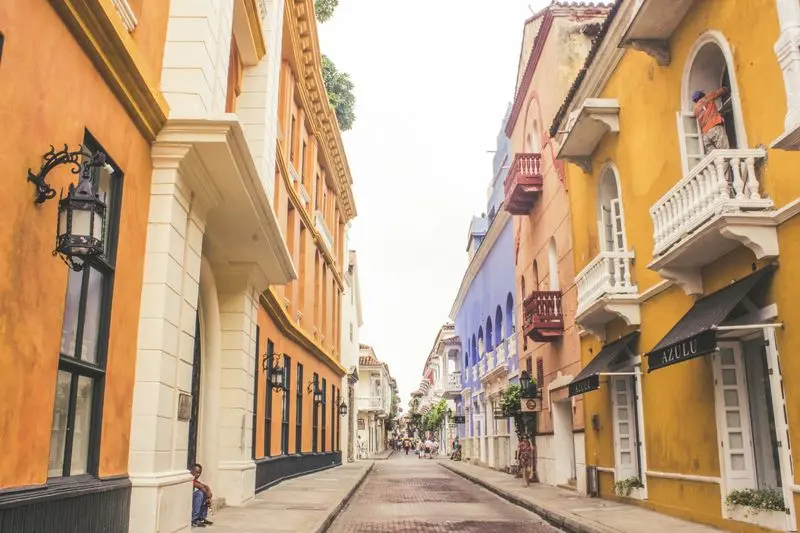
Qué hacer en Cartagena, Colombia
Foto realizada por Maria Paula Medina en Pexels.com
Cuándo visitar
¿Cuándo vas a Cartagena, Colombia?
Elige tus fechas y estilo de viaje para obtener:
¿Alguno de estos es especialmente importante para ti?
Selecciona todos los que apliquen
Plan language: EspañolAtracciones más populares en Cartagena, Colombia
"Cuando se consideran cosas para hacer en Cartagena, Colombia, tres atracciones destacan. Sube al Castillo San Felipe de Barajas, de 300 años de antigüedad, con 23 cañones y 3 kilómetros de túneles. Visita la Torre del Reloj, la entrada del siglo XVII al centro histórico amurallado. Termina en la Plaza Santo Domingo, donde la escultura de Botero se encuentra bajo balcones coloniales."
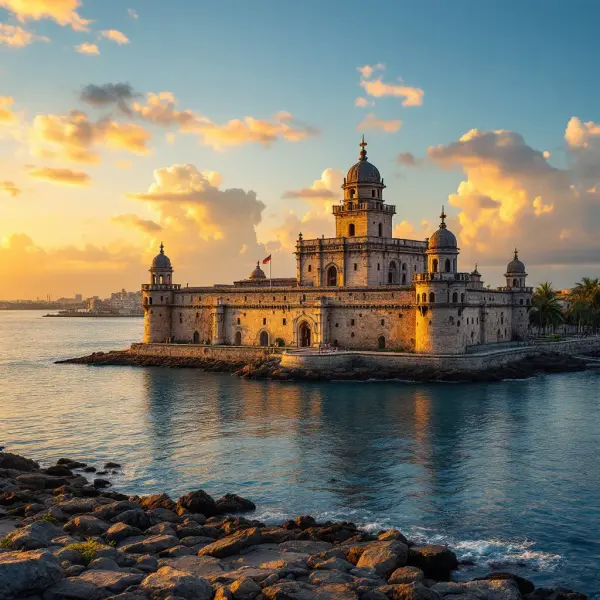
1. Castillo San Felipe de Barajas
Camina por túneles de 450 años donde los susurros resuenan a lo largo de muros acústicos perfectamente diseñados. Desde las murallas más altas, observa cómo el atardecer pinta el cielo sobre el Caribe.
Datos rápidos: Más de 20 millones de ladrillos y 130 años de construcción moldearon esta fortaleza en un extenso complejo defensivo. Los guardias alguna vez se comunicaban a través de una red de túneles de 2 kilómetros donde el sonido viaja distintamente a lo largo de los curvos muros de piedra.
Destacados: Los ingenieros diseñaron tres niveles de túneles entrelazados con puestos de escucha angulados, permitiendo que un solo guardia detectara intrusos desde múltiples direcciones simultáneamente. En el baluarte más alto de la fortaleza, se pueden trazar las líneas de visión defensivas exactas que alguna vez permitieron a los soldados avistar barcos que se aproximaban horas antes de que llegaran a la bahía.
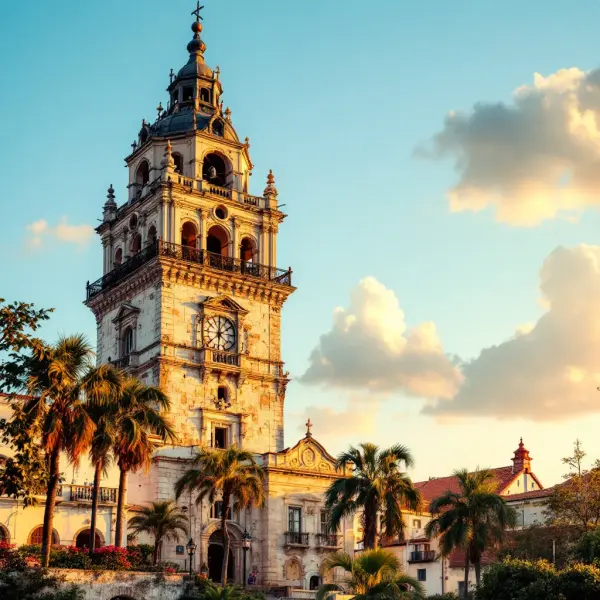
2. Torre del Reloj
Este arco ha sido la puerta de entrada de la ciudad por más de 400 años, recibiendo a comerciantes, viajeros y piratas por igual. Al atravesarlo, llegas directamente a una plaza rodeada de balcones de colores pastel, carruajes de caballos y el rítmico sonido de los zapatos sobre los adoquines.
Datos rápidos: Más de 2 millones de personas atraviesan este portal de piedra coralina cada año, conectando el animado barrio de Getsemaní con la Ciudad Vieja colonial. El mecanismo del reloj en la parte superior fue importado de Suiza a principios del siglo XX y aún mantiene la hora dándole cuerda a mano dos veces por semana.
Destacados: Mire de cerca la base del arco y verá una pequeña estatua de la Virgen María escondida en un nicho, colocada allí hace siglos para bendecir a todos los que entraban a la ciudad. En el lado de la plaza, los frescos coloniales desgastados de los edificios adyacentes cambian de color a medida que el sol de la tarde se mueve sobre la fachada de piedra tallada.
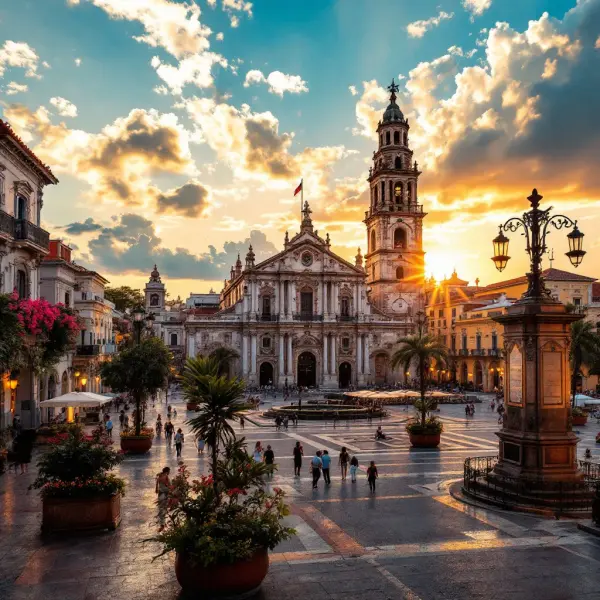
3. Plaza Santo Domingo
El centro social más magnético de Cartagena, donde la famosa diosa de bronce de Botero descansa bajo el sol caribeño. Toma una limonada de coco mientras observas bailarines de salsa, limpiabotas y loros posados en balcones coloniales.
Datos rápidos: Una escultura de bronce de una mujer voluptuosa reclinada llamada "La Gorda Gertrudis" de Fernando Botero ancla esta plaza empedrada. Vendedores ambulantes, música salsa y el aroma de arepas fritas llenan el aire desde la mañana hasta altas horas de la noche.
Destacados: Los lugareños frotan a la Gertrudis de Botero en su vientre y dedos de bronce para tener buena suerte, dejando esas zonas pulidas con un brillo dorado reluciente contra su pátina más oscura. Después de que un vándalo la dañara en 2006, la ciudad la reparó tan minuciosamente que la cicatriz se volvió parte de su historia, un testimonio del feroz protectorado de Cartagena hacia ella.
¿Has oído hablar de los tours a pie gratuitos?
Después de viajar a más de 30 países, hay algo que desearía que alguien me hubiera dicho desde el primer día y que cambió completamente cómo experimento las nuevas ciudades.
Tours a pie gratuitos. Sí, realmente gratis. No se necesita tarjeta de crédito. Sin trucos.
Guía local, 2-3 horas
Lugares principales, joyas ocultas, historias locales
100% basado en propinas
Los guías solo ganan propinas, así que dan lo mejor de sí
Das la propina que consideres justa
Al final, solo das la propina que consideres justa
He hecho estos tours en docenas de ciudades y han sido lo mejor de casi todos mis viajes. Si visitas Cartagena, Colombia, haz esto en tu primer día. Me lo agradecerás después.
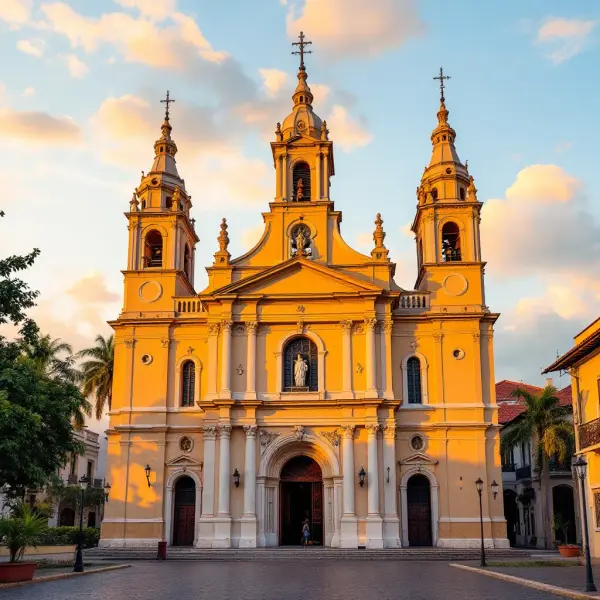
4. Iglesia de San Pedro Claver
Párate ante un altar de 400 años donde un santo real rezaba a diario. Recorre los claustros iluminados por el sol, observa sus restos preservados y siente cómo la historia profunda de Colombia cobra vida.
Datos rápidos: San Pedro Claver pasó 40 años en esta iglesia bautizando a más de 300,000 africanos esclavizados que llegaban a través del puerto de Cartagena. Su cuerpo notablemente preservado yace en un sarcófago de vidrio cerca del altar mayor, aún vistiendo la sotana que llevaba al momento de su muerte en 1654.
Destacados: Suba a la azotea y encontrará el campanario exacto desde donde Claver escudriñaba el puerto en busca de barcos de esclavos que se aproximaban, preparándose para ofrecer consuelo. El claustro adyacente conserva las habitaciones originales del santo, donde su sencilla cama de madera y su crucifijo personal permanecen exactamente como él los dejó.
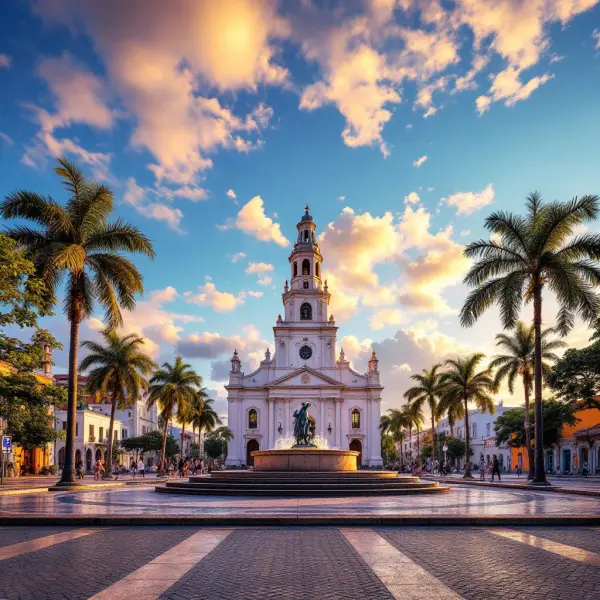
5. Plaza de los Coches
Adéntrate en el corazón colonial de Cartagena, donde los carruajes de caballos alguna vez dominaron los adoquines. Toma un café bajo los soportales mientras los vendedores ambulantes y músicos llenan de vida la plaza a tu alrededor.
Datos rápidos: Carruajes de caballos alguna vez se alineaban en esta plaza, dándole su nombre que significa "Plaza de los Carruajes". En su centro se encuentra una estatua de Pedro de Heredia, el conquistador español que fundó Cartagena en 1533.
Destacados: Mire hacia arriba en los edificios que rodean la plaza y verá balcones de madera pintados en vibrantes amarillos y azules, cada uno con un diseño tallado diferente. Esos balcones cuentan la historia de la clase mercantil colonial de Cartagena, que construyó sus casas y tiendas aquí para estar cerca de la actividad comercial del puerto.
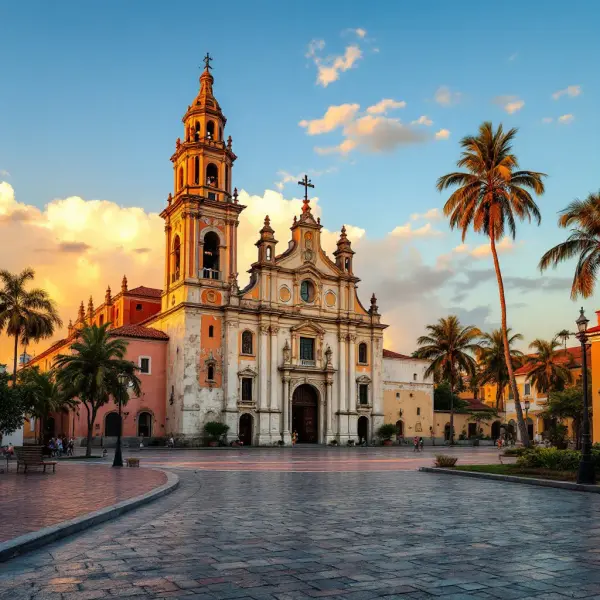
6. Convento de la Popa
El punto más alto de Cartagena ofrece las mejores vistas de la ciudad, la bahía y las islas al mismo tiempo. Sube a la terraza del convento y observa los cruceros deslizarse junto a las antiguas murallas de la ciudad, 150 metros más abajo.
Datos rápidos: Situado a 150 metros sobre el nivel del mar, este convento del siglo XVII ofrece un panorama de 360 grados del horizonte de Cartagena, la bahía y el mar Caribe. La colina recibe su nombre "Popa" porque los marineros españoles pensaban que se parecía a la popa de un barco.
Destacados: Dentro de la capilla del convento se encuentra una pequeña estatua de madera de la Virgen de La Candelaria, la santa patrona de Cartagena, que los lugareños creen que salvó a la ciudad de una plaga en el siglo XVIII. Cada 2 de febrero, cientos de peregrinos suben la colina para la Fiesta de la Candelaria, llevando velas por el camino empedrado al amanecer.
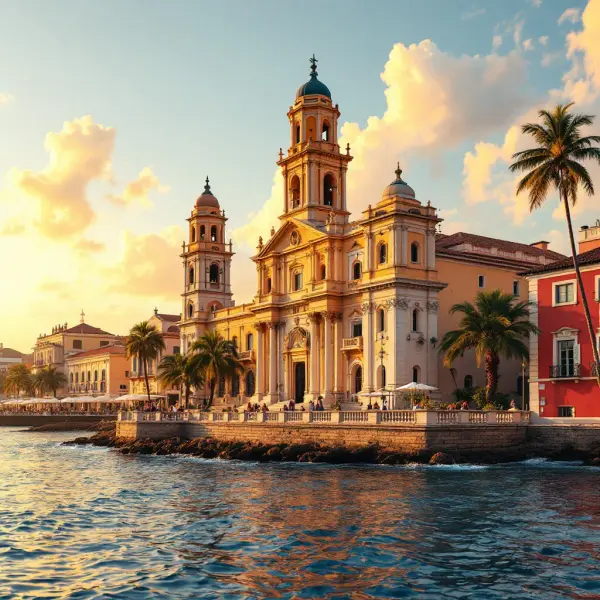
7. Las Bóvedas
Compra souvenirs colombianos auténticos dentro de bóvedas militares centenarias talladas en las murallas de la ciudad. Recorre 23 arcos llenos de puestos artesanales, con la brisa del mar y la música local resonando en la piedra.
Datos rápidos: Veintitrés nichos abovedados se extienden a lo largo de las antiguas murallas de la ciudad, que alguna vez sirvieron como almacén militar para las tropas españolas. Estas gruesas bóvedas de piedra luego albergaron prisioneros antes de transformarse en un colorido mercado de artesanías y arte local.
Destacados: Durante la época colonial, estas bóvedas almacenaban pólvora y armas mientras el mar lamía directamente los muros exteriores, haciéndolos impenetrables ante ataques. Hoy, los mismos arcos se llenan del trajín de artesanos tallando figuras de nuez de tagua y tejiendo bolsas mochila mientras el reguetón flota por los corredores de piedra.
8. Museo del Oro Zenu
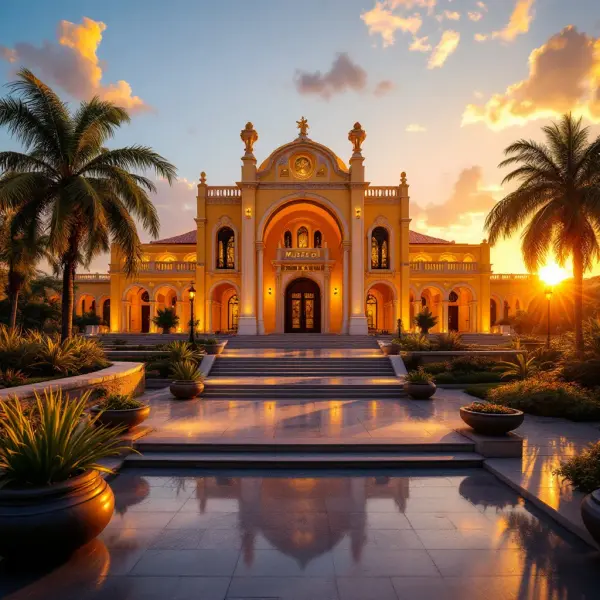
Entra a un tesoro de orfebrería indígena que compite con cualquier colección de Sudamérica. Te encontrarás cara a cara con intrincados aretes de filigrana, máscaras ceremoniales y herramientas que revelan cómo los Zenú trabajaban el oro hace 2,000 años.
Datos rápidos: El pueblo Zenú que creó estas piezas de oro diseñó un elaborado sistema de canales para controlar las inundaciones en 500,000 hectáreas de tierras bajas. Algunos de los aretes de filigrana y argollas nasales en exhibición están tan delicadamente tejidos que pesan menos que un clip para papel.
Destacados: Mire a través del vidrio el poporo, un recipiente de cal para hojas de coca, cuya superficie cuenta la historia de la vida espiritual zenú a través de miles de pequeños puntos martillados. A diferencia de los objetos de oro incas o aztecas guardados en almacenamiento, más de 1,200 piezas aquí están dispuestas en exhibiciones abiertas que permiten ver el frente y el reverso de cada artefacto, revelando cómo los artesanos trabajaban ambos lados del metal.
9. Catedral de Cartagena
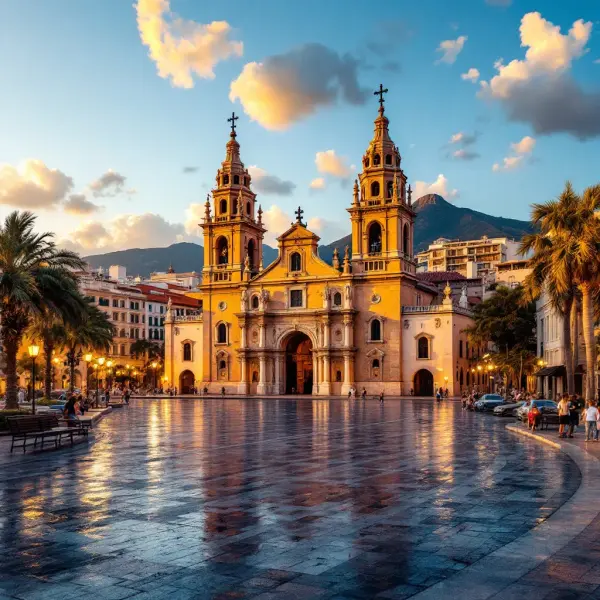
Una de las catedrales más antiguas de las Américas, donde la historia colonial se encuentra con la leyenda pirata. Párate dentro de muros que sobrevivieron terremotos, ataques y 400 años de tormentas caribeñas.
Datos rápidos: Tres siglos de construcción le dieron a esta catedral una fascinante mezcla arquitectónica. El ataque de Sir Francis Drake a la ciudad en 1586 detuvo los primeros esfuerzos de construcción, dejando la estructura sin terminar en la plaza principal durante décadas.
Destacados: Mire de cerca el altar principal y verá una pequeña bala de cañón incrustada en la pared, una cicatriz de un ataque pirata del siglo XVII. El campanario desigual de la catedral cuenta otra historia: un terremoto de 1830 derribó el original, y su reemplazo fue construido ligeramente torcido a propósito para evitar futuros derrumbes.
Where to Stay in Cartagena, Colombia
Selected by City Buddy based on guest reviews and proximity to top attractions
Search all hotels in Cartagena, ColombiaPowered by agoda
Platos dulces tradicionales
Cocadas
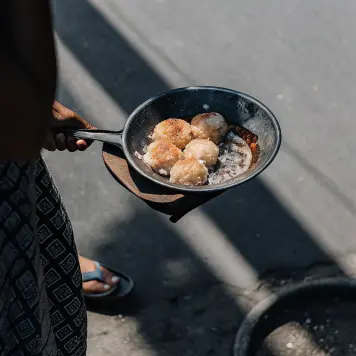
Cocadas are sweet coconut confections that trace their origins to the African diaspora in Cartagena. They are famously sold by palenqueras, Afro-Colombian women in colorful dresses who balance bowls of them on their heads as they walk through the city.
Dulce de Leche (Arequipe)
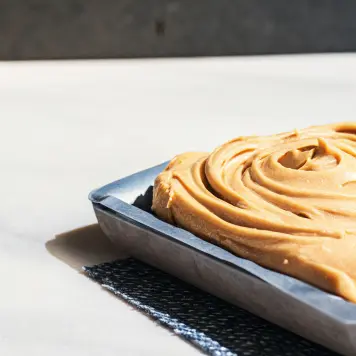
In Cartagena, dulce de leche is often blended with coconut or fruits like guava to create rich, creamy desserts. It is a staple sweet spread that locals enjoy with cheese or on bread.

Ensalada de Frutas (Fruit Salad)
Cartagena's fruit salad is no ordinary dish; it is a vibrant mix of tropical fruits like mango, papaya, and lulo, often topped with a splash of lime and a sprinkle of salt. Street vendors sell it chilled on hot Caribbean days for a refreshing treat.
Platos salados tradicionales

Arroz con Coco (Coconut Rice)
Arroz con coco is a quintessential Cartagena side dish made by cooking rice in coconut milk and often sweetened with a hint of sugar. It is typically served alongside fried fish and patacones, creating the classic Caribbean coastal plate.

Mote de Queso
Mote de queso is a hearty, creamy soup made with yam, salted costeño cheese, and herbs. It originated in Cartagena's countryside and is a comforting dish that showcases the region's love for combining cheese with savory stews.
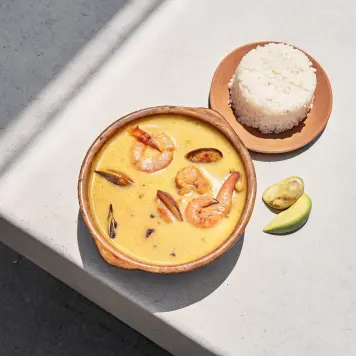
Cazuela de Mariscos (Seafood Stew)
This rich seafood stew is packed with shrimp, fish, crab, and clams simmered in a coconut milk and tomato broth. It reflects Cartagena's coastal location and is often served in a clay pot with rice and avocado on the side.
Bebidas tradicionales
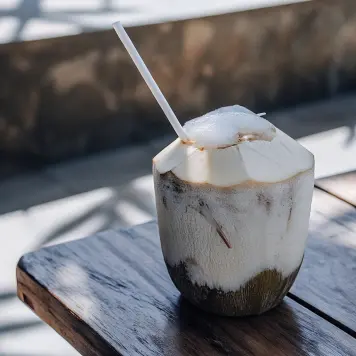
Limonada de Coco (Coconut Lemonade)
Limonada de coco is a creamy, tropical blend of fresh lime juice, coconut milk, and ice that is uniquely popular in Cartagena. Unlike a standard lemonade, it is frothy and rich, making it the ultimate thirst-quencher on a Caribbean afternoon.

Jugo de Lulo
Lulo is a tangy, citrus-like fruit native to Colombia, and its juice is a beloved drink throughout Cartagena. It is often sweetened with sugar and served over ice, offering a bright, zesty flavor that locals swear by for beating the heat.

Aguardiente Antioqueno
Aguardiente is Colombia's signature anise-flavored sugarcane spirit and a favorite at Cartagena's lively street festivals and nightclubs. It is commonly called "guaro" and is typically sipped straight or mixed into cocktails like the popular "Saoco."
Frequently Asked Questions about Cartagena, Colombia
¿Es segura Cartagena, Colombia?
¿Cuántos días en Cartagena, Colombia?
¿Mejor época para visitar Cartagena, Colombia?
¿Es cara Cartagena, Colombia?
¿Cómo moverse por Cartagena, Colombia?
Recibe un PDF con las atracciones más populares en tu correo electrónico
Obtén un PDF con todas las atracciones, valoraciones y consejos. Perfecto para uso sin conexión.
Excursiones de un día más populares
Islas del Rosario
Stunning coral islands with white sand beaches and clear turquoise water
Playa Blanca (Barú)
Pristine white sand beach with crystal clear Caribbean waters
Volcán de Lodo El Totumo
Famous mud volcano where you bathe in therapeutic warm mud
San Basilio de Palenque
UNESCO heritage village founded by escaped African slaves
Cómo llegar
Aeropuertos
Estaciones de tren
None. Buses, taxis, and private cars are the main transport options.
From CTG airport, take a taxi or Uber to the Old Town (15 to 20 minutes, around USD 10 to 15). Always agree on price beforehand.
Encuentra vuelos a Cartagena, Colombia
Haz clic para obtener eSim para Cartagena, Colombia
La forma más fácil y económica de tener internet móvil dondequiera que viajes.
Comentarios (10)
Eat at La Cevicheria for lunch not dinner. Same amazing food but half the price. And skip the restaurants on the main wall, walk one block inland.
Best 4 days ever. The colors, the music, the people. Took a boat to Islas del Rosario and it felt like paradise. Would go back tomorrow.
Always carry small bills. So many places claim to not have change for larger notes. Taxis too, insist on the meter or agree on price before getting in.
Mixed feelings. City is stunning but everything felt overpriced for Colombia. Drinks in Plaza Santo Domingo were twice what I paid in Medellin.
Rainy season caught me off guard. Showers every afternoon but they pass fast. Still managed to see everything and had a great time overall.