 CityBuddy
 Español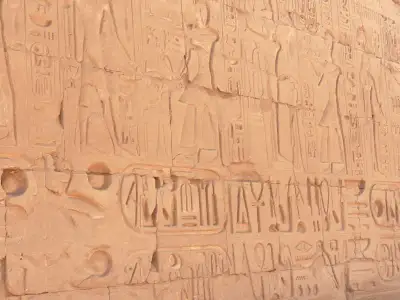
Qué hacer en Giza, Egypt
Foto realizada por Atman Bouba en Pexels.com
¿Cuándo vas a Giza, Egypt?
Elige tus fechas y estilo de viaje para obtener:
¿Alguno de estos es especialmente importante para ti?
Selecciona todos los que apliquen
Plan language: EspañolAtracciones más populares en Giza, Egypt
Cruising the Nile and soaring over the desert barely scratch the surface of things to do in Egypt, but the Great Pyramid of Giza demands attention at 138 meters tall. The Great Sphinx of Giza waits 450 meters south, and the Valley of the Kings hides 63 painted tombs across the river at Luxor.
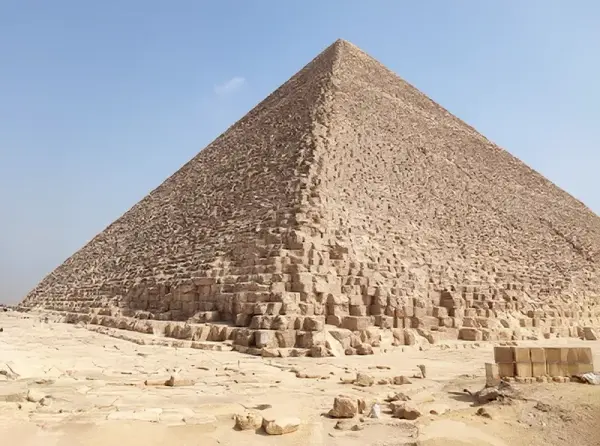
1. Great Pyramid of Giza
Giza
Datos rápidos: Al caminar hacia los lados empinados y desgastados, casi puedes imaginar la superficie original de piedra caliza lisa brillando al sol, un destello que habría hecho que toda la estructura resplandeciera. Los expertos estiman que se colocaron aproximadamente 2.3 millones de bloques de piedra caliza con tal precisión que la base está nivelada a unos pocos centímetros a lo largo de más de 230 metros, un logro técnico que todavía desconcierta a los ingenieros modernos.
Destacados: Entra al pasillo central y sentirás el aire fresco contra tu piel, la piedra con un ligero olor a polvo y cedro; los constructores apilaron aproximadamente 2.3 millones de bloques de piedra caliza, algunos con un peso de hasta 80 toneladas, para alcanzar la altura original de unos 146.6 metros. Una peculiar tradición del siglo XIX invita a los visitantes a seguir los nombres marcados con hollín dejados por exploradores como Giovanni Battista Belzoni en 1818, un vínculo tangible con el momento en que las cámaras internas fueron reabiertas al mundo moderno.
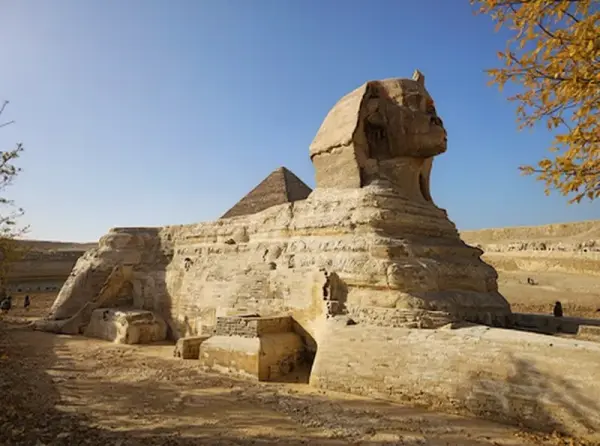
2. Great Sphinx of Giza
Giza
Datos rápidos: Un coloso de piedra caliza quemado por el sol se yergue bajo el ciel abierto, con un rostro erosionado y una nariz ausente que alimentan más mitos de los que cualquier placa puede resolver. Arqueólogos y viajeros curiosos se acercan para estudiar las marcas de cincel y las reparaciones parchadas, sorprendidos por cuánto de la figura fue tallada directamente en la roca viva en lugar de piedra ensamblada.
Destacados: En 1378 un sufí llamado Muhammad Sa'im al-Dahr cinceló la nariz en protesta contra los campesinos que dejaban ofrendas, y los cronistas registran que fue ejecutado por el vandalismo. Acérquese y podrá ver que fue tallado de una sola cresta de piedra caliza de unos 73 metros de largo y 20 metros de alto, las marcas de herramienta erosionadas y las diferentes capas de piedra de colores le dan al rostro un perfil curiosamente pequeño, lo que ha llevado a los expertos a sugerir que la cabeza fue recortada de una estatua de león anterior alrededor del 2500 a.C., hace unos 4.500 años.
Where to Stay in Giza, Egypt
Selected by City Buddy based on guest reviews and proximity to top attractions
Search all hotels in Giza, EgyptPowered by agoda
Platos dulces tradicionales
Basbousa
Basbousa is a semolina cake soaked in sweet syrup that is a staple at Egyptian celebrations and cafés. The syrup soak keeps it moist and the top is usually decorated with a single almond or walnut.
Kunafa
Kunafa is a crispy shredded pastry filled with sweet cheese or nuts and drenched in syrup. It became hugely popular during the Fatimid era in Egypt and is a star dessert during Ramadan.
Umm Ali
Umm Ali is Egypt's beloved bread pudding made with puff pastry, milk, nuts, and raisins. Legend says it was created in the 13th century and named after the wife of a sultan who wanted a spectacular dessert.
Platos salados tradicionales
Koshari
Koshari layers rice, lentils, macaroni, and chickpeas under a spicy tomato sauce and crispy fried onions. It is widely considered Egypt's national dish and a top street food favorite.
Ful Medames
Ful Medames is a creamy stew of fava beans slowly cooked until soft, often served with egg at breakfast. It is one of the oldest foods in Egypt, with traces dating back to the time of the Pharaohs.
Molokhia
Molokhia is a hearty green soup made from finely chopped jute leaves simmered with garlic and coriander. It is often served with rabbit, chicken, or duck and has been eaten in Egypt since ancient times.
Bebidas tradicionales
Karkadeh
Karkadeh is a ruby red hibiscus tea served either hot or iced. It was a favorite drink of the ancient Egyptians and is especially popular at weddings and festive gatherings.
Sahlab
Sahlab is a thick, creamy hot milk drink thickened with orchid root powder and topped with cinnamon, coconut, and nuts. It is a comforting winter drink in Egypt that is rich and pudding-like.
Erk Soos
Erk Soos is a dark, sweet licorice drink sold on the streets of Egypt, especially during Ramadan. Vendors pour it from hanging glass containers, and it is beloved for its refreshing aftertaste on hot evenings.
Frequently Asked Questions about Giza, Egypt
Is Egypt safe for tourists?
How many days do I need in Egypt?
What is the best time to visit Egypt?
Is Egypt expensive to travel?
How do I get around Egypt?
Recibe un PDF con las atracciones más populares en tu correo electrónico
Obtén un PDF con todas las atracciones, valoraciones y consejos. Perfecto para uso sin conexión.
Encuentra vuelos a Giza, Egypt
Haz clic para obtener eSim para Giza, Egypt
La forma más fácil y económica de tener internet móvil dondequiera que viajes.
Comentarios (0)
Aún no hay comentarios. ¡Sé el primero!