 CityBuddy
 Español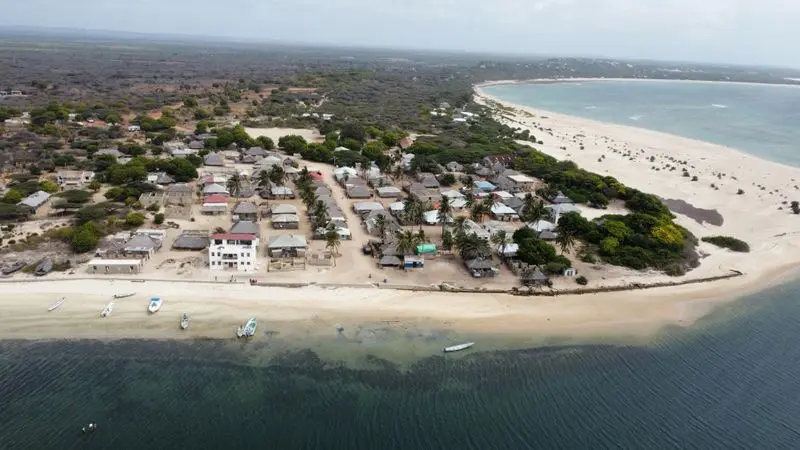
Qué hacer en Lamu, Kenya
Foto realizada por ATHUMAN KOMORA GARISSE en Pexels.com
Cuándo visitar
¿Cuándo vas a Lamu, Kenya?
Elige tus fechas y estilo de viaje para obtener:
¿Alguno de estos es especialmente importante para ti?
Selecciona todos los que apliquen
Getting around
How do you want to move between places?
Plan language: EspañolAtracciones más populares en Lamu, Kenya
For the best things to do in Lamu, Kenya, start by wandering Lamu Old Town's winding eleventh-century lanes. Climb Lamu Fort's coral-stone ramparts, built in the 1820s, where you can count the island's whitewashed rooftops. Visit Swahili House Museum to see four centuries of Zanzibar doorway carvings, then end at Riyadha Mosque.
1. Lamu Old Town
Savor centuries of Swahili life in a place where time moves at donkey pace. Wander through carved doorways, spice-scented markets, and rooftop cafés looking over the harbor.
Datos rápidos: Aproximadamente 3.000 burros sirven como único transporte por callejones demasiado estrechos para cualquier vehículo. Casi tres cuartas partes de sus edificios de piedra coralina datan de antes de 1800, y las puertas de madera finamente talladas registran la historia y el estatus de cada familia.
Destacados: Hacia finales de noviembre, todo el paseo marítimo se convierte en un recinto festivo donde carreras de dhows, carreras de burros y concursos de henna se despliegan frente al canal turquesa. El verdadero secreto es deambular por los callejones sinuosos al anochecer, cuando el café de cardamomo y la llamada a la oración flotan desde puertas talladas hace más de dos siglos.
2. Lamu Fort
Coral ramparts that once guarded a shoreline now hold a cool, echoing courtyard museum. Mount the staircase to a rooftop where dhows drift across the channel and the old town glows below.
Datos rápidos: Rising from the island's war-torn past, the massive coral stone stronghold took nearly a decade to raise and doubled as a working prison well into the 1980s. Inmates once scratched their names and dates into the walls, and those etchings now sit beside restored museum rooms and a research library.
Destacados: Climb the rooftop for the real payoff: the sweep of flat rooftops and dhows sliding across the channel, with the call to prayer drifting up from the Old Town below. Down in the courtyard, press close to the coral blocks where former prisoners carved their names and tallies, a dusty human ledger hidden in plain sight.
3. Lamu Museum
Step inside where 700 years of Swahili seafaring, carved doors, and silver treasures tell the island's trading story. You'll wander arched coral halls, circle a full-size dhow, and leave feeling the pulse of the Indian Ocean.
Datos rápidos: Siete siglos de navegación suajili se despliegan en dos plantas, desde antiguas monedas de comercio hasta un dhow a escala real que puedes rodear a pie. Raros tobilleras de plata, sillas ceremoniales y un enorme astrolabio de latón se exhiben junto a muestras que trazan los vínculos comerciales omaníes, portugueses y chinos.
Destacados: Una vitrina guarda un cuerno ceremonial de 400 años tallado de un solo colmillo de elefante, con su superficie grabada con versos del Corán. Constructores de barcos locales cosieron el dhow central con cuerda de fibra de coco y tablones de cedro, una técnica que aún se transmite entre los carpinteros de ribera de la isla.
4. Swahili House Museum
Step inside a 1700s merchant home frozen in time, carved doors and clay lamps intact. Climb dark timber stairs, then watch dhows glide past from a rooftop with 300 years of sea views.
Datos rápidos: Subiendo tres pisos de piedra de coral y madera de mangle, encontrarás celosías talladas, paredes enlucidas con cal y mobiliario que parece habitado más de tres siglos después de su primer uso. Los burros pasan trotando por el callejón de afuera mientras la baraza de la azotea sigue ofreciendo la misma vista panorámica del puerto que generaciones de familias comerciantes disfrutaron.
Destacados: Busca los nichos de yeso con bordes de vieira en la sala de estar, donde la familia comerciante exhibía porcelana china importada para presumir su riqueza comercial. El patio central proyecta luz y sonido hacia arriba a través de los tres pisos a la vez, así que una sola voz abajo realmente llegaba a todos en la casa.
5. Riyadha Mosque
Hear centuries-old chants echo off coral stone walls in a mosque that still teaches daily. Come for Maulid when thousands of pilgrims flood the courtyard in white robes.
Datos rápidos: Nearly 5,000 pilgrims squeeze through narrow alleyways every Maulid to pray and chant here, cementing the mosque's role as a pilgrimage hub. A Yemeni scholar named Habib Salih turned this neighborhood prayer house into East Africa's most respected school of Islamic theology in the early 1900s.
Destacados: The Maulid festival here turns midnight into theater: torch-lit dhows glide along the waterfront while thousands of white-robed pilgrims stream into the courtyard, their voices rising in rhythmic praise. Longtime residents perch on neighboring rooftops and scatter rose petals and sweets onto the procession below, a tradition that has run for generations.
6. Shela Beach
Two kilometers of powder-soft sand stretch from the old stone town down to a climbable dune. Expect hare-thin crowds, dhow sails drifting by, and water warm enough to wade in by dawn.
Datos rápidos: La marea baja puede alejar la orilla cientos de metros, dejando al descubierto llanuras de arena ondulada salpicadas de conchas de cauri intactas. Aproximadamente 3,000 burros transportan todo a través de esta isla libre de coches, así que la banda sonora de la playa son cascos, llamados a la oración y crujidos de mástiles de dhows.
Destacados: A unos 25 minutos a pie descalzo desde el pueblo, la playa termina en una duna pálida que los lugareños siempre han llamado "la montaña de arena", y escalar su cara de 30 metros te recompensa con una vista completa del canal. En mañanas tranquilas y sin viento, las tortugas verdes emergen justo en las aguas poco profundas junto a los dhows anclados, tan cerca que puedes oír la exhalación de sus respiraciones al salir a la superficie.
7. Takwa Ruins
Stand where a whole town vanished in the 1700s, leaving coral walls and a 10-meter pillar tomb behind. You'll wander silent passageways and a mosque quiet for centuries.
Datos rápidos: Four centuries of sea spray and monsoon rain have left the coral-block walls of this abandoned Swahili town remarkably intact. A lone pillar tomb still rises 10 meters over the empty streets, marking the Friday Mosque whose mihrab keeps traces of 16th-century paint.
Destacados: A single block of fossil coral was carved into the mosque's mihrab, complete with fluted niches and a hand-painted medallion that survived the abandonment. Rumor says the town's residents left a prophecy that it would flourish again only when white birds returned, and today herons nest exactly where the old well ran dry.
8. Lamu Donkey Sanctuary
Watch hardworking donkeys get free veterinary care in the middle of a car-free town. Bell-ringing feeding sessions, gentle patients, and the good feeling that your visit saves lives.
Datos rápidos: Roughly 3,000 donkeys haul water, goods, and people through the car-free old town, and every single one gets free veterinary care when it needs it. The shelter treats around 60 in-patients at a time, from cracked hooves to nasty saddle sores, then sends them back to work fully healed.
Destacados: Every donkey wears a bell that clinks a soft soundtrack through the narrow lanes, and in the sandy yard you'll spot pens painted with each patient's hand-written name. Owners can't take a recovering donkey back to heavy street work until a vet gives the all-clear, a rule that has saved thousands of animals from being overworked.
9. Pate Island
East Africa's oldest Swahili port thrums with dhow builders and brass inlayers. Wander coral-stone ruins, then sip spiced tea while elders recite 300-year-old poetry.
Datos rápidos: Roughly two dozen scattered villages remain on this low-lying island, though the old town ruins still show traces of a 700-year-old sultanate that traded gold, ivory, and ambergris. A poem written here in 1728, Utendi wa Tambuka, survives as the oldest known Swahili literary work, and locals still speak Kipate, an ancient dialect some linguists link to the language's earliest form.
Destacados: Old stone houses still wear brass-studded doors hammered by craftsmen whose trade grew out of salvaging Portuguese shipwrecks, and finished trays leave the island on dhows bound for Kenya's coast cities. Elders also point to Ming-era coins and porcelain dug up near the ruins, backed by a local legend that a Chinese fleet anchored here in the 1400s and left behind sailors who intermarried into the villages.
10. Siyu Fort
Scan the sea from a rooftop where sultans once watched for enemies. Climb worn stone steps and gaze across turquoise channels from cannon-warmed walls.
Datos rápidos: Blocks of fossilized coral cut from the reef and bound with lime mortar stack into walls up to 4 meters thick. A narrow staircase of roughly 100 steps climbs through three storeys to rooftop gun positions overlooking the channel.
Destacados: Locals whisper about a fortune walled up inside the tower by a former owner, and guides say a faint drumming stirs from within on still nights. The original double-leaf entrance door, a two-meter slab of mangrove wood studded with bronze and carved with Arabic script, still swings in the same stone frame.
Where to Stay in Lamu, Kenya
Selected by City Buddy based on guest reviews and proximity to top attractions
Search all hotels in Lamu, KenyaPowered by agoda
Platos salados tradicionales
Wali wa Naz
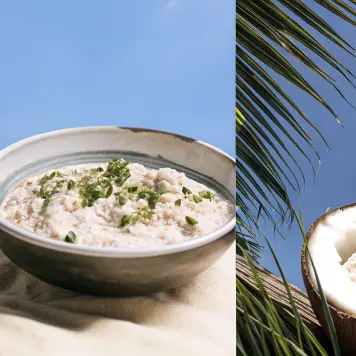
Wali wa nazi is coconut rice where rice is slowly simmered in rich coconut milk and spices until it is creamy and fragrant. In Lamu it is the essential base for almost every seafood meal and is eaten with both hands in the traditional Swahili style.
Bebidas tradicionales

Kahawa ya Tangawizi
Kahawa ya tangawizi is a Swahili coffee brewed with fresh ginger and cardamom, and in Lamu it is traditionally served in small Chinese porcelain cups called finjans. It is a ritual drink that marks hospitality and is often offered to guests at important gatherings.

Stoney Tangawizi
Stoney Tangawizi is a fizzy ginger ale that has become the unofficial soda of the Kenyan coast, and on Lamu it is often mixed with fresh lime and served ice cold from the waterfront cafes. Its sharp ginger kick pairs perfectly with the island's spicy Swahili dishes.

Chai ya Maziwa
Chai ya maziwa is a comforting milk tea spiced with cardamom, ginger, and cloves that Lamu families sip slowly with breakfast. In the dhow-making neighborhoods, cups of this sweet tea are shared for hours during afternoon conversations.
Frequently Asked Questions about Lamu, Kenya
Is Lamu, Kenya safe?
How many days in Lamu, Kenya?
Best time to visit Lamu, Kenya?
Is Lamu, Kenya expensive?
How to get around Lamu, Kenya?
Recibe un PDF con las atracciones más populares en tu correo electrónico
Obtén un PDF con todas las atracciones, valoraciones y consejos. Perfecto para uso sin conexión.
Excursiones de un día más populares
Shela Beach and Village
Beautiful white sand beach with boutique hotels and seafood restaurants
Manda Island and Takwa Ruins
UNESCO listed Swahili ruins amid forest, dunes, and calm beaches
Matondoni Village
Traditional dhow building village where wooden boats are still crafted by hand
Pate Island and Siyu Fort
Historic Swahili island with Siyu Fort and ancient mosques
Kiwayu and Kiunga Marine Reserve
Secluded reef and island paradise ideal for snorkeling and dolphin spotting
Cómo llegar
Aeropuertos
Estaciones de tren
Mombasa to Nairobi standard gauge railway
Mombasa to Nairobi railway line
Fly to Manda Airport then take a 15 minute boat across the channel. By road, take a bus to Mokowe jetty and transfer by boat into Lamu town.
Encuentra vuelos a Lamu, Kenya
Haz clic para obtener eSim para Lamu, Kenya
La forma más fácil y económica de tener internet móvil dondequiera que viajes.
Comentarios (10)
Honestly the heat in March was rough, no AC in our guesthouse and power cuts at night. Cool vibe but bring a portable fan or book a place with solar
Skip the restaurants facing the main square, walk two blocks inland and eat where the locals eat. Same fish, half the price, double the portion
Half the charm is getting lost in the old town, every corner has a carved door. Got a bit tired of being asked to buy tours though
If you come during the Lamu Cultural Festival in December the island is packed, fun but book your stay months ahead or youll sleep on a rooftop
The museum is small but worth an hour, the real highlight was just wandering the waterfront at sunset watching dhows come in