 CityBuddy
 Español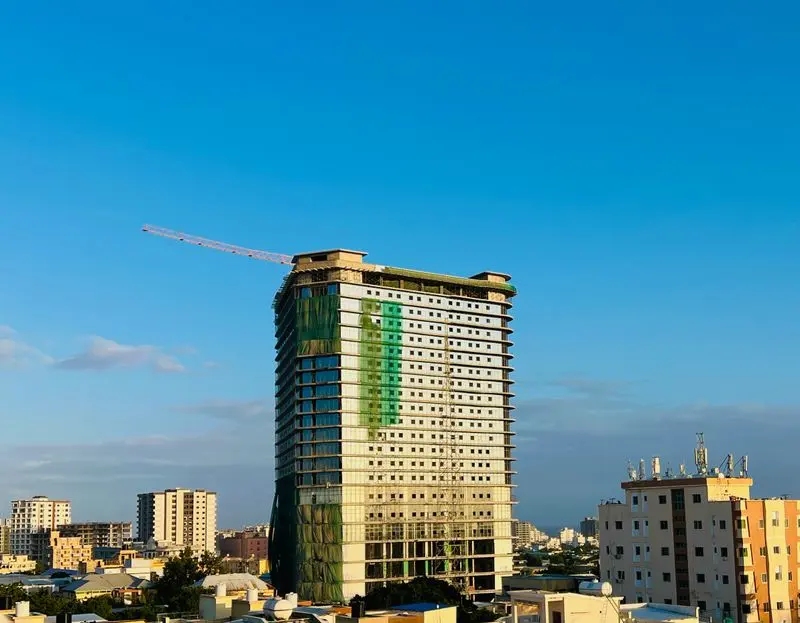
Qué hacer en Mogadishu, Somalia
Foto realizada por Yahye Somali en Pexels.com
Cuándo visitar
Atracciones más populares en Mogadishu, Somalia
Si busca consejos sobre qué hacer en Mogadiscio, Somalia, comience por la playa Lido, donde los lugareños se han reunido para descansar durante siglos. Visite también la recientemente restaurada mezquita de la Solidaridad Islámica de 1987, que puede albergar hasta 10 000 fieles. No olvide el mercado de Bakaara, un enorme mercado con más de quinientos puestos de especias y telas.
1. Lido Beach
El único lugar en Mogadiscio donde el aroma del pescado a la parrilla se mezcla con risas de niños y arena bajo los pies. Por la noche verás cientos de locales sentados junto al fuego contemplando la puesta de sol sobre el océano Índico.
Datos rápidos: Lugar favorito de los pescadores locales y habitantes de Mogadiscio, donde cada mañana se descargan capturas frescas del océano Índico. La playa se extiende a lo largo de varios kilómetros bordeando el barrio de Abdulaziz y en los últimos años ha pasado por una restauración progresiva.
Destacados: Durante las tardes de los viernes, la playa se transforma en el campo de fútbol al aire libre más grande de la ciudad; decenas de porterías improvisadas con palos y piedras bordean la costa. Los vendedores locales de té con especias recorren a las familias sentadas en mantas y sus bandejas de madera con vasos tintineantes son el sonido que pertenece inseparablemente a Lido Beach.
2. Mogadishu Cathedral
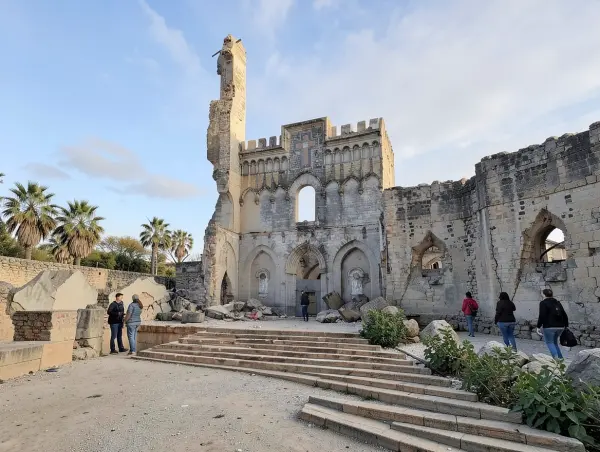
La única catedral gótica en el Cuerno de África que ha sobrevivido a la guerra y al tiempo. Caminarás entre muros que recuerdan la historia colonial, la guerra y el lento renacimiento de Mogadiscio.
Datos rápidos: La catedral fue consagrada en 1928 y tiene capacidad para hasta 2000 fieles. Tras el estallido de la guerra civil en 1991, resultó gravemente dañada, aunque sus fachadas góticas siguen dominando el horizonte de la ciudad.
Destacados: El techo de la catedral aún hoy está cubierto de marcas de balas de la guerra civil, que crean diminutos puntos plateados que brillan suavemente al sol en la fachada de piedra. Los pescadores musulmanes locales la usan como punto de referencia al regresar del mar y cuentan historias de cómo antaño sus campanas les ayudaban a encontrar el camino a casa.
3. Tomb of the Unknown Soldier
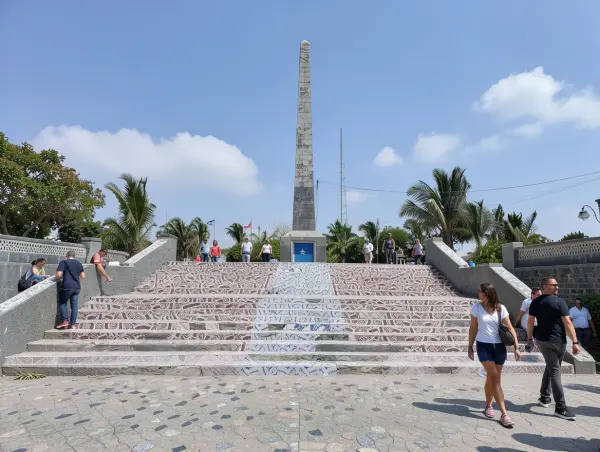
Símbolo de la unidad nacional en un país que atravesó el infierno de la guerra civil. Verás la guardia de honor con uniformes tradicionales y miles de mensajes de visitantes de todo el mundo.
Datos rápidos: La custodian ininterrumpidamente desde 1943 y cada hora se realiza el solemne cambio de guardia al son de tambores. El monumento de mármol pesa 45 toneladas y se alza en el lugar donde durante la guerra civil fueron asesinadas más de 300 personas que intentaban encontrar refugio cerca de la catedral italiana.
Destacados: En 2013, los habitantes locales colocaron anónimamente durante la noche 22 velas al pie del monumento como símbolo de esperanza, y los guardias las dejaron arder hasta la mañana. Aún hoy, cada viernes se reúnen junto al monumento las madres de los combatientes caídos y cantan canciones que se transmiten de generación en generación.
4. Bakaara Market
¿Quieres ver la verdadera cara de Mogadiscio, no la de los noticieros de televisión? En dos horas recorrerás callejones llenos de especias, telas y todo lo que jamás imaginaste buscar.
Datos rápidos: Este mercado en el corazón de Mogadiscio atrae a diario hasta 50 000 personas que acuden en busca de todo, desde alimentos frescos hasta armas. Lleva funcionando más de cinco décadas y su nombre en somalí significa "el lugar donde se vende fruta".
Destacados: Bajo las lonas aparentemente caóticas de los puestos se venden cosas que no encontraría en un centro comercial común: dagas somalíes hechas a mano, medicamentos sin receta y viejos billetes de dólar estadounidense en paquetes. El mercado incluso tiene su propia "casa de cambio" informal, donde los comerciantes locales fijan las tasas según la situación actual de la ciudad.
5. Mosque of Islamic Solidarity
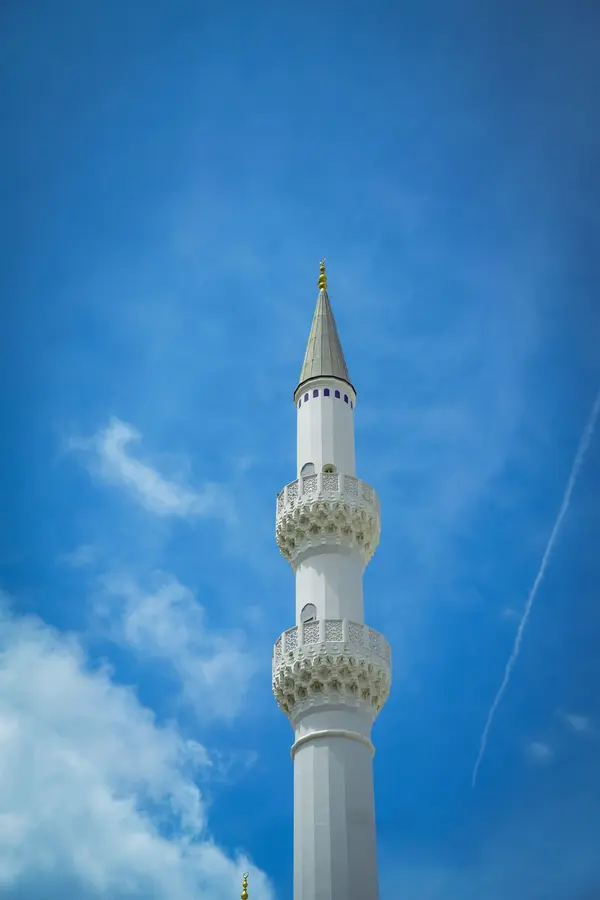
Un lugar donde la arquitectura moderna se une al legado de la unidad islámica. En el interior experimentarás la paz de una sala de oración para miles de personas y sentirás la fuerza de la tradición espiritual somalí.
Datos rápidos: Es la mezquita más grande de Somalia con capacidad para hasta 10 000 fieles. Fue construida en los años 80 del siglo XX con el apoyo de la familia saudí bin Laden y sigue siendo un símbolo de solidaridad islámica en la región.
Destacados: Cuando entras, notas que la sala de oración principal está iluminada intencionadamente para que durante las oraciones de la tarde la luz caiga exactamente sobre el lugar donde se encuentra el imán. La fachada de la mezquita combina líneas modernistas con motivos islámicos tradicionales, lo que crea una impresión visual difícil de encontrar en otros lugares de África.
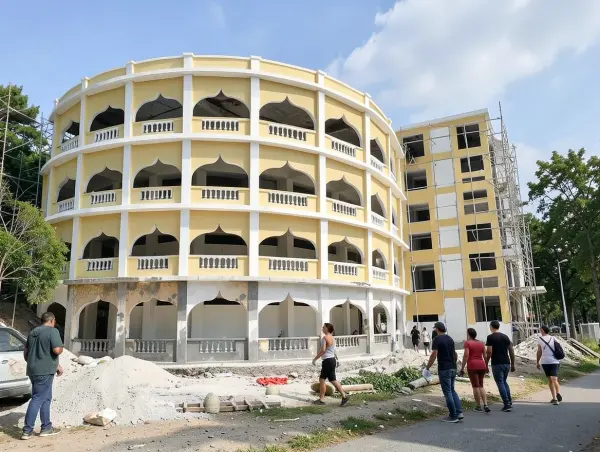
6. National Museum of Somalia
Recorre 3000 años de historia somalí en un solo lugar. Verás desde pinturas rupestres prehistóricas hasta armas de la guerra civil.
Datos rápidos: Las colecciones albergan más de 3000 artefactos que documentan la historia somalí desde la prehistoria hasta la actualidad. La exposición incluye una colección única de adornos tradicionales somalíes, armas y herramientas de diversos grupos étnicos.
Destacados: El espécimen más valioso es una inscripción en piedra de 700 años de antigüedad procedente de la ciudad de Mogadiscio que demuestra los antiguos vínculos comerciales con China. La sala con las tradicionales tiendas nómadas somalíes, aukal, le permite literalmente adentrarse en la vida cotidiana de los pastores del siglo XIX.
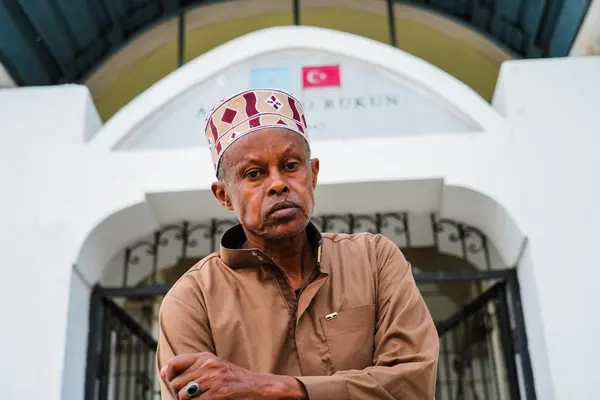
7. Arba'a Rukun Mosque
Una de las mezquitas más antiguas de todo el este de África, donde el tiempo se detuvo hace 700 años. En el interior olerás la madera vieja y verás columnas que recuerdan a los comerciantes medievales de la India y Arabia.
Datos rápidos: La mezquita de cuatro columnas del siglo XIII es una de las construcciones más antiguas que se conservan en Mogadiscio. Su interior está decorado con un techo de madera único con ornamentos tallados que combinan influencias africanas y árabes.
Destacados: En el interior de la mezquita descubrirá columnas de madera talladas a mano que han sobrevivido intactas a siglos y a las guerras civiles. La piedra utilizada para la construcción fue traída desde Gujarat, India, y aún conserva su cálido color ocre original.
8. Garesa Palace
Pasea entre las ruinas de lo que fue la lujosa residencia de los sultanes somalíes. Vivirás el ambiente del viejo Mogadiscio con vista al océano Índico y degustarás té de vendedores ambulantes justo frente a las puertas.
Datos rápidos: El palacio fue construido con mármol italiano y piedra local entre 1920 y 1926 para el sultán Mohamoud Ali Shirwa. Tras el incendio en 2020, solo quedó en pie la imponente fachada de piedra, que sigue siendo un lugar popular para las reuniones nocturnas de los habitantes locales.
Destacados: Pocos saben que en el subsuelo del palacio se encuentra un laberinto de pasillos bien conservado por el que el sultán escapaba durante las incursiones enemigas. Aún hoy, las paredes de estos pasillos están cubiertas con ornamentos originales y los visitantes pueden experimentar en primera persona cómo era la ruta de escape del gobernante hace siglos.
9. Hamar Weyne (Old Mogadishu)
Old Mogadishu
Un lugar donde se escribió la historia del comercio entre tres continentes. En el laberinto de callejones estrechos sentirás el aroma de las especias y oirás la llamada del muecín.
Datos rápidos: Casas de piedra de más de mil años de antigüedad se elevan hasta cuatro pisos de altura, adornadas con puertas y contraventanas talladas intrincadamente en madera de India y Zanzíbar. Este barrio fue una vez el centro del comercio de especias, textiles y marfil entre África, Arabia y la India, lo que lo convirtió en una de las ciudades más ricas de la región.
Destacados: Camina por callejones estrechos donde cada dos casas cuentan una historia sobre comerciantes que llegaban desde la lejana China y Persia. El antiguo sistema de patios y terrazas en los techos servía como sistema de refrigeración mucho antes de la invención del aire acondicionado, y hoy los vecinos preparan té juntos al atardecer.
10. Liido Seafood Restaurant
Un lugar donde te sientes como en una playa privada con un plato de langosta fresca a la parrilla. Una cena con los pies en la arena, al son de las olas y la música somalí.
Datos rápidos: Cada día se venden aquí más de 300 kilogramos de pescado fresco y langosta, capturados solo unas horas antes de servirse. El ambiente se completa con música somalí en vivo y el aroma de la parrilla que se mezcla con el aire salado del mar.
Destacados: En ningún otro lugar de Mogadiscio probará una langosta a la parrilla que haya sido sacada del océano Índico ante sus ojos, a solo unos cientos de metros de la mesa. El dueño selecciona personalmente las capturas cada mañana en la subasta del puerto, lo que garantiza que solo lo más fresco llegue a su plato.
Where to Stay in Mogadishu, Somalia
Selected by City Buddy based on guest reviews and proximity to top attractions
Search all hotels in Mogadishu, SomaliaPowered by agoda
Días de apertura en Mogadishu, Somalia
Cuáles de las mejores atracciones cierran cada día de la semana, el clásico arruina-viajes, ya comprobado por ti.
viernes: 1 de 6 atracciones principales cerradas. Planifica los museos para otro día.
Cerrado el viernes · 1 cerradas, 5 abiertas
Días de apertura según Google Maps (verificado el 2026-07-01). Los días festivos, las huelgas y los horarios de temporada pueden variar. Consulta la web oficial antes de ir.
Platos dulces tradicionales
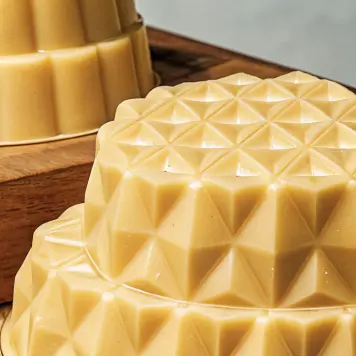
Xalwo (Halwa)
Xalwo is a dense, gelatinous confection made with sugar, cornstarch, ghee, and cardamom. It is traditionally dyed a vibrant orange or yellow and is a staple treat at Somali weddings, Eid celebrations, and other festive gatherings.
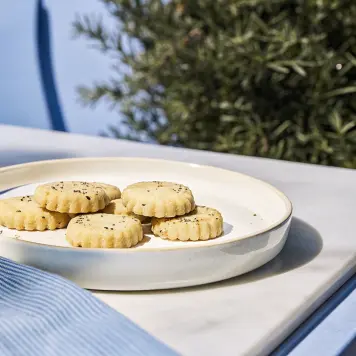
Buskud
Buskud are Somali-style crunchy shortbread cookies often flavored with cardamom and black cumin seeds. They are commonly enjoyed with Somali tea and are a beloved teatime snack across Mogadishu.
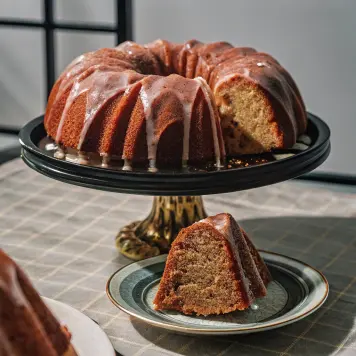
Doolshe (Somali Cake)
Doolshe is a moist, spiced Somali cake infused with cardamom and sometimes topped with a simple sugar glaze. It is a popular homemade dessert served for special occasions and afternoon gatherings.
Platos salados tradicionales
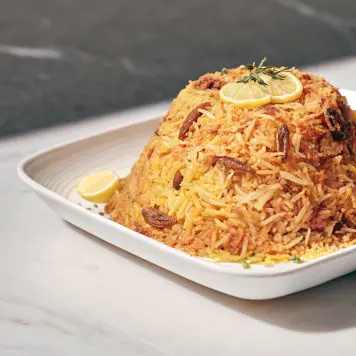
Bariis Iskukaris
Bariis Iskukaris is Mogadishu's iconic spiced rice dish cooked with cumin, cardamom, cloves, and turmeric, often layered with tender goat or camel meat. It is considered the national dish of Somalia and is served at nearly every festive meal.
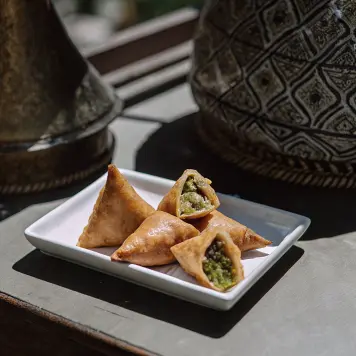
Sambuus
Sambuus are Somali-style samosas, deep-fried pastry triangles filled with spiced ground beef or lamb mixed with onions and green chilies. They are an essential street food and appetizer during Ramadan to break the daily fast.
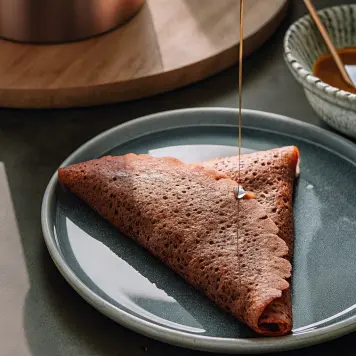
Canjeero (Lahoh)
Canjeero is a spongy, pancake-like flatbread made from fermented teff or wheat flour, similar to Ethiopian injera but thinner and slightly sweeter. It is a daily breakfast staple in Mogadishu, typically served with ghee, honey, or a side of spicy goat stew.
Bebidas tradicionales
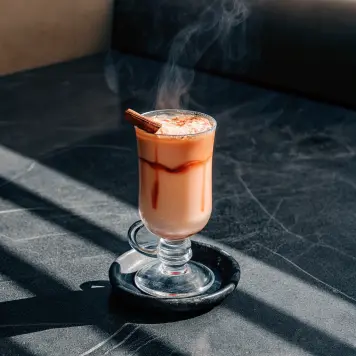
Shaah (Somali Tea)
Shaah is a spiced black tea brewed with cardamom, cinnamon, cloves, and fresh ginger, then sweetened heavily with sugar and finished with a swirl of evaporated milk. It is a cornerstone of Somali hospitality and is offered to guests throughout the day.
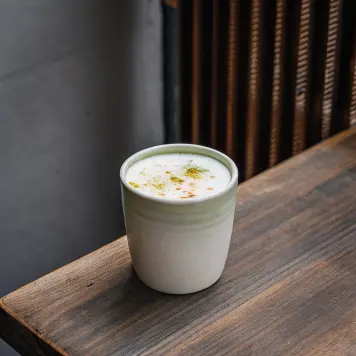
Hilib iyo Caano (Camel Milk)
Camel milk is a traditional Somali beverage cherished for its rich, slightly salty flavor and high nutritional value. In Mogadishu, it is consumed fresh and believed to have medicinal benefits, including aiding digestion and boosting immunity.
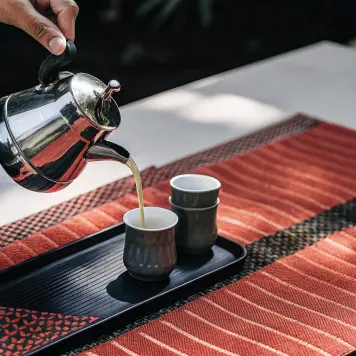
Fenjen (Somali Spiced Coffee)
Fenjen is a strong, dark Somali coffee brewed with cardamom and cloves, traditionally served in small, handleless cups from a special pot called a dalah. It is a ceremonial drink often accompanied by frankincense to enhance the aromatic experience.
Preguntas frecuentes sobre Mogadishu, Somalia
¿Es seguro Mogadiscio, Somalia?
¿Cuántos días pasar en Mogadiscio, Somalia?
¿Cuál es la mejor época para visitar Mogadiscio, Somalia?
¿Es caro Mogadiscio, Somalia?
¿Cómo moverse por Mogadiscio, Somalia?
Recibe un PDF con las atracciones más populares en tu correo electrónico
Obtén un PDF con todas las atracciones, valoraciones y consejos. Perfecto para uso sin conexión.
Excursiones de un día más populares
Merca (Marka)
Historic coastal town with Italian colonial architecture and beaches
Jowhar
Agricultural hub along the Shebelle River with scenic landscapes
Cómo llegar
Aeropuertos
Estaciones de tren
Currently non-operational; no active rail service in Somalia
Most visitors arrive at Aden Adde International Airport. Taxis and private transfers are available to the city center in about 15 to 20 minutes.
Información útil para Mogadishu, Somalia
Resumen de Mogadishu, Somalia
¿Quieres un plan día a día para Mogadishu, Somalia? Abre el planificador de viajes
¿Cuándo vas a Mogadishu, Somalia?
Elige tus fechas y estilo de viaje para obtener:
¿Alguno de estos es especialmente importante para ti?
Selecciona todos los que apliquen
Cómo moverse
¿Cómo quieres moverte entre los lugares?
Idioma del plan: Español