 CityBuddy
 Español
Qué hacer en Galle, Sri Lanka
Foto realizada por Ceylon Frames en Pexels.com
Cuándo visitar
¿Cuándo vas a Galle, Sri Lanka?
Elige tus fechas y estilo de viaje para obtener:
¿Alguno de estos es especialmente importante para ti?
Selecciona todos los que apliquen
Plan language: EspañolAtracciones más populares en Galle, Sri Lanka
Las mejores cosas para hacer en Galle, Sri Lanka, giran en torno al Fuerte de Galle, de 300 años de antigüedad, un sitio del Patrimonio Mundial de la UNESCO que se extiende por 100 acres a lo largo de la costa. Camine por sus murallas hasta el faro blanco de Galle, construido en 1939, y luego visite la Iglesia Reformista Holandesa de 1755 (Groote Kerk) con su techo abovedado y su púlpito tallado en madera.
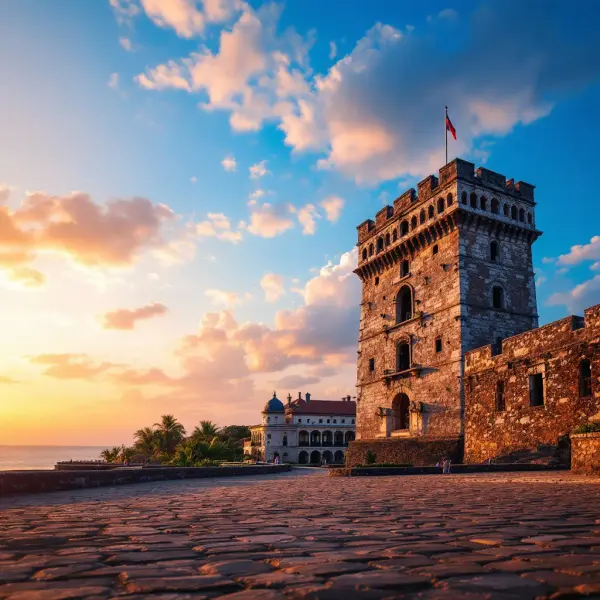
1. Galle Fort
Centenarios muros de fortín aún encierran un barrio vivo y vibrante lleno de encanto colonial. Recorre iglesias neerlandesas, tiendas boutique y cafés con aroma a especias por callejuelas adoquinadas.
Datos rápidos: Wandering inside these 300-year-old ramparts, you'll find a vibrant neighborhood where Portuguese, Dutch, and British colonial architecture blends with local Sri Lankan life. Covering 52 hectares with 14 distinct bastions, this fortified city survived the 2004 tsunami that devastated the surrounding region.
Destacados: At sunset, locals and visitors gather on the ramparts near the Flag Rock bastion to watch teenage boys leap 15 meters into the Indian Ocean from the ancient fort walls. Cricket matches erupt spontaneously on the grassy fort grounds most evenings, with tuk-tuks parked along the edges serving as makeshift bleachers for spectators of all ages.
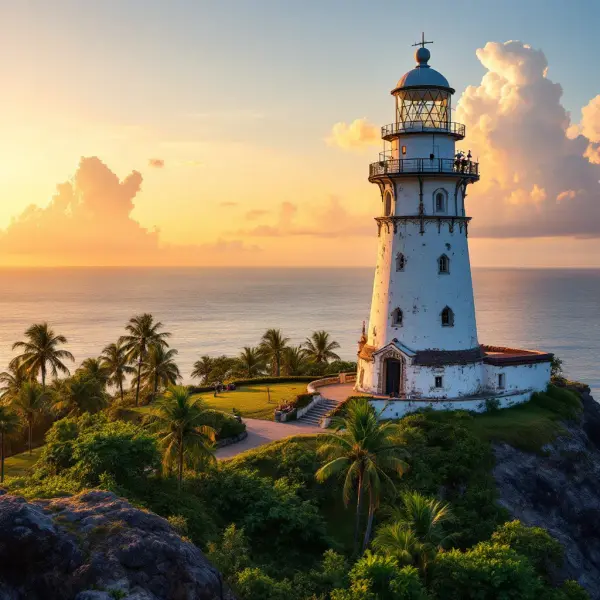
2. Galle Lighthouse
Uno de los pocos faros del mundo construido sobre un fuerte histórico. Mira las olas romper contra muros de piedra centenarios mientras los barcos se deslizan en el horizonte.
Datos rápidos: Perched on the ramparts of the historic Galle Fort, this whitewashed lighthouse has been guiding ships since 1939. Its 26-meter tower stands at the southern tip of the fort, where the Indian Ocean crashes against the ancient stone walls below.
Destacados: Unlike most lighthouses that stand alone, this one rises directly from the top of the fort's original 16th-century Dutch bastion walls. At sunset, the entire structure glows golden against the deep blue ocean while local fishermen cast lines from the rocks just below.
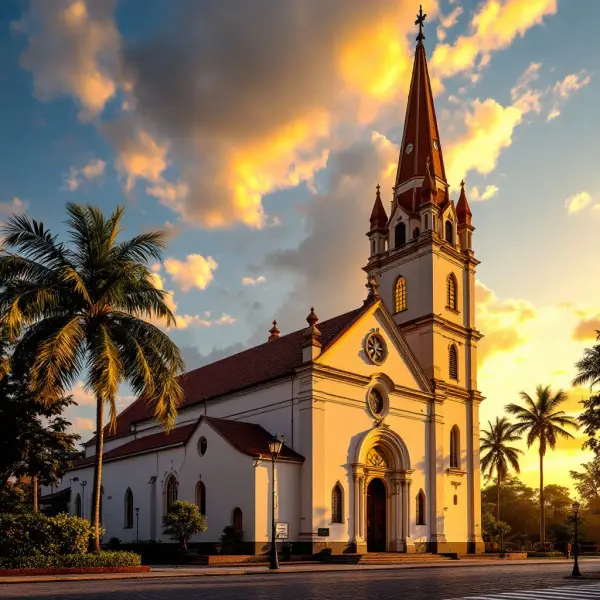
3. Dutch Reformed Church (Groote Kerk)
Groote Kerk
Entra a una iglesia de 1755 donde lápidas pavimentan el suelo y balas de cañón aún siguen incrustadas en las paredes. Adentro, el aroma de caoba pulida se encuentra con el suave traqueteo de los ventiladores de techo girando.
Datos rápidos: The floor inside is paved with heavy sandstone slabs brought all the way from the Netherlands as ballast in 18th century ships. Originally a Portuguese convent, the structure was transformed into a Dutch Reformed church in 1755 and still holds Sunday services in both Sinhala and Tamil.
Destacados: Look down at the floor and you'll find weathered tombstones from the 1700s, their carved skulls and crossbones worn smooth by 250 years of footsteps. One grave marker remembers the Dutch governor's wife who died at sea, her body buried right here beneath the pews where families now sing hymns every Sunday.
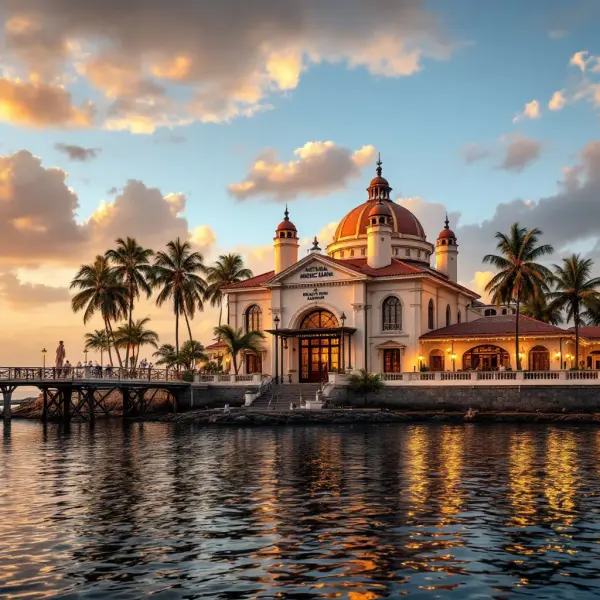
4. National Maritime Museum
Entra a un almacén neerlandés del siglo XVII lleno de tesoros de más de dos milenios de travesías oceánicas. Maravíllate ante un esqueleto de ballena, toca cuentas comerciales antiguas y mira fijamente el cañón de un arma de fuego rescatada de las profundidades.
Datos rápidos: Housed inside a 300-year-old Dutch colonial building that once served as a warehouse for spices, this museum preserves artifacts from over 2,000 shipwrecks scattered along Sri Lanka's southern coast. Among the most fascinating exhibits is a 25-foot whale skeleton suspended from the ceiling, alongside ancient navigational instruments used by Arab, Chinese, and European traders.
Destacados: The museum's centerpiece is a remarkably preserved 14th-century Chinese shipwreck discovered off Galle's coast, complete with its cargo of blue-and-white porcelain still visible through the coral encrustation. You can actually hold a 500-year-old trade bead from the same era in your palm during the interactive touch table session, feeling the smooth glass worn by centuries of ocean currents.
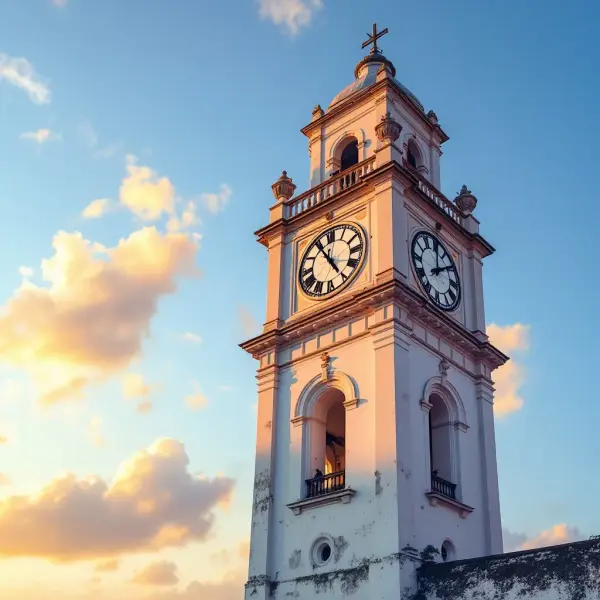
5. Galle Fort Clock Tower
Ponte al borde del océano Índico y mira los barcos deslizarse junto a este centinela de caliza de 26 metros. Las campanas resuenan sobre las calles adoquinadas mientras el sol pinta de dorado el antiguo fuerte.
Datos rápidos: La torre de piedra blanca se eleva 26 metros de altura a lo largo de las murallas del antiguo fuerte holandés. Sus cuatro esferas de reloj han marcado la hora para los transeúntes desde 1883.
Destacados: A diferencia de la mayoría de las torres de reloj del mundo, esta fue financiada enteramente por los residentes locales para honrar a un querido gobernador británico, Sir John Longden. El dinero se recaudó mediante suscripción pública en solo dos semanas, una muestra poco común de apreciación intercultural durante la época colonial.
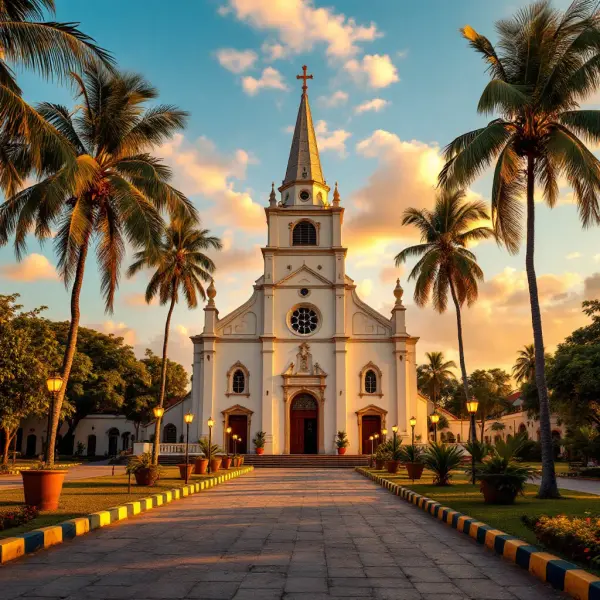
6. All Saints' Church
Entra a una iglesia neerlandesa de 260 años donde lápidas pavimentan el suelo y clavijas de madera sostienen el techo. Recorrerás monumentos coloniales tallados y oirás el crujir de la teca antigua bajo tus pies.
Datos rápidos: Una iglesia colonial neerlandesa construida por el comandante Casparus de Jong. La iglesia se completó en 1755 y su suelo está completamente pavimentado con lápidas del antiguo cementerio neerlandés. El techo de cañón con sus intrincadas vigas de madera se ha mantenido unido durante más de 260 años sin un solo clavo, utilizando solo clavijas de madera y ensamblajes.
Destacados: Mira hacia abajo al entrar: todo el suelo es un mosaico de lápidas neerlandesas centenarias, cada una tallada con calaveras, relojes de arena y escudos familiares que resultan a la vez macabros y hermosos. Sobre ti, las enormes vigas de teca del siglo XVIII que sostienen el techo se unieron sin más que clavijas de madera, sobreviviendo a monzones y siglos de aire salado sin un solo sujetador metálico.
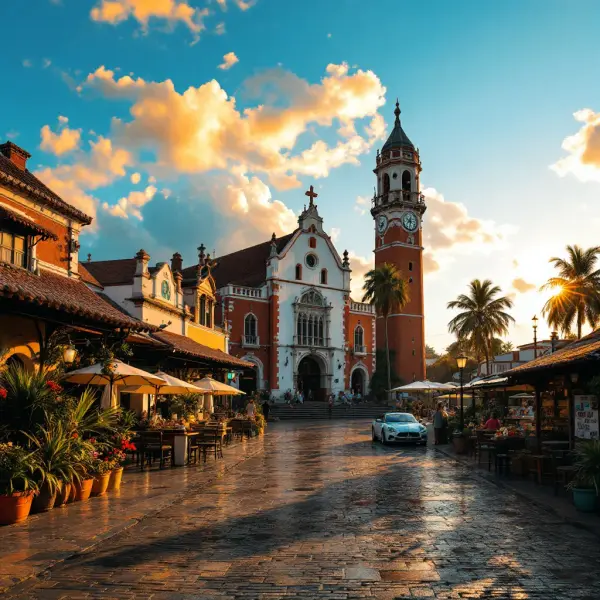
7. Old Dutch Market
Observa cómo una tradición comercial de 300 años cobra vida bajo columnatas construidas por los neerlandeses. Huele especias frescas y escucha el corte rítmico de los vendedores de pescado mientras los lugareños regatean por la pesca del día.
Datos rápidos: The Old Dutch Market in Galle has been operating continuously for over 300 years under the same covered colonnade built by Dutch colonial administrators. Coconut fiber, cinnamon bark, and fresh fish have been traded in these same stone corridors since the 17th century.
Destacados: Step inside at dawn and you will see vendors sorting through heaps of cinnamon quills, nutmeg, and cloves just as Dutch merchants did three centuries ago. The market's original wooden beams still support the roof while the morning auction of day-caught tuna happens in the courtyard, a ritual that has not changed since colonial times.
8. Jungle Beach
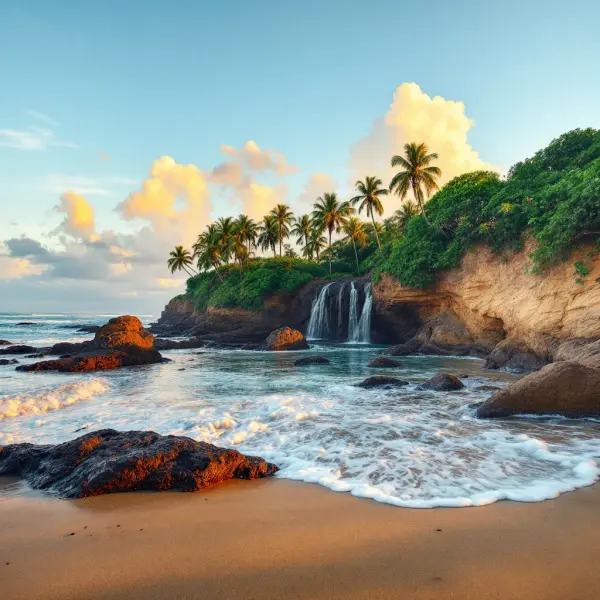
Olas perezosas, sombra de palmeras y un arrecife que mantiene el océano tranquilo todo el día. Siéntate en una silla de playa con un coco fresco y mira a los pescadores llevar su pesca a la orilla.
Datos rápidos: A 1.5 kilometer stretch of golden sand framed by palm trees and a protective reef, this beach offers some of the safest swimming on Sri Lanka's southwestern coast. During the peak season from November to April, the waters here stay calm and clear, making it a favorite for families and less experienced swimmers.
Destacados: The reef creates a natural lagoon that keeps the water almost perfectly flat when the ocean outside is churning, like a giant saltwater swimming pool. Sea turtles occasionally drift into this protected zone, and you can sometimes spot them surfacing for air just meters from where you're floating.
9. Unawatuna Beach
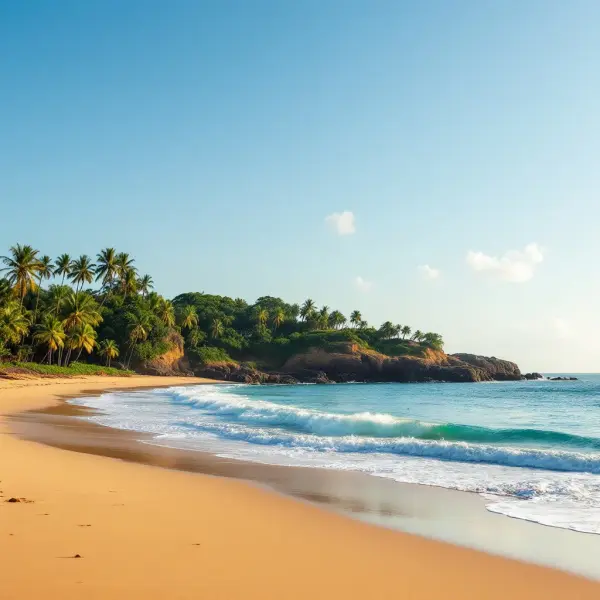
Bahía en forma de medialuna con agua increíblemente clara y olas suaves perfectas para flotar. Espera tortugas marinas nadando a tu lado, vendedores de coco fresco en la arena y colinas cubiertas de jungla enmarcando la costa.
Datos rápidos: Clear turquoise waters meet a dramatic palm-fringed shoreline shaped like a half-moon, protected by a offshore coral reef. Sea turtles glide through the shallows just meters from shore, making snorkel encounters possible without a boat.
Destacados: A 200-year-old Japanese peace pagoda perches on the cliff at the beach's eastern end, offering sweeping views over the bay at sunset. Monks still chant inside at dawn, the sound floating down to the water through the rustling palm fronds.
10. Japanese Peace Pagoda
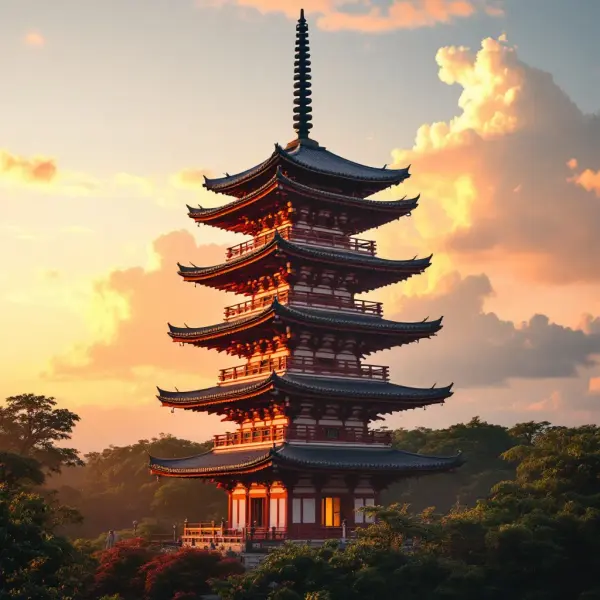
La puesta de sol desde esta pagoda en la cima de la colina pinta toda la península de Galle Fort y el océano en tonos dorados. Observa los botes pesqueros mecerse sobre aguas turquesas mientras los monjes entonan oraciones vespertinas.
Datos rápidos: Standing 40 meters tall on a hilltop at the southern tip of Sri Lanka, this gleaming white peace pagoda offers panoramic views over Galle Fort and the Indian Ocean. It was one of 80+ peace pagodas built worldwide by the Japanese Buddhist order Nipponzan Myohoji to promote world peace after World War II.
Destacados: Unlike most pagodas built strictly by Japanese monks, this one was constructed through the collaboration of Japanese and Sri Lankan Buddhists, with local craftsmen carving intricate details into the white walls. Four different Buddhist traditions are represented in the pagoda's design, with small shrines at each cardinal direction featuring Buddha statues in varying poses from Thai, Burmese, Sri Lankan, and Japanese styles.
Where to Stay in Galle, Sri Lanka
Selected by City Buddy based on guest reviews and proximity to top attractions
Search all hotels in Galle, Sri LankaPowered by agoda
Platos dulces tradicionales
Kiri Toffee
This creamy milk toffee is made by slowly condensing buffalo milk with sugar and cardamom, and it gets its signature melt-in-your-mouth texture from generous amounts of ghee. It is a beloved festive sweet in Galle's Muslim and Sinhalese communities.
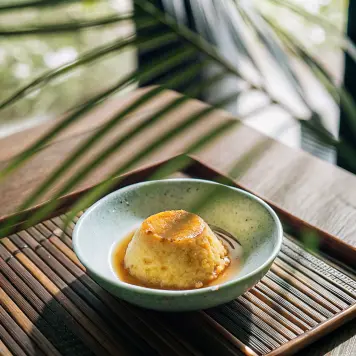
Watalappan
This steamed coconut custard pudding is infused with jaggery (palm sugar), cardamom, and nutmeg, and it has strong Malay and Sri Lankan Moor influences. It is an essential dessert at celebrations and Ramadan iftar feasts in the Galle region.
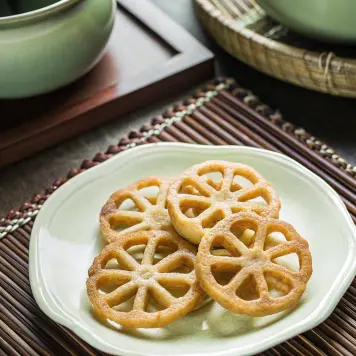
Kokis
A crispy, deep-fried cookie made from rice flour and coconut milk, it is shaped like a flower using a special metal mold. Kokis is a colorful and crunchy staple at Sri Lankan New Year celebrations in Galle.
Platos salados tradicionales
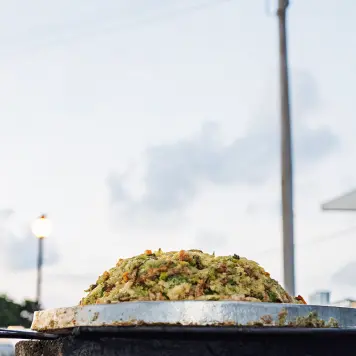
Kottu Roti
Made by chopping flatbread (roti) on a griddle with vegetables, egg, and meat while clanging metal blades create a signature rhythmic sound, this dish is a street food icon across Galle. The sounds of kottu being prepared are a familiar part of Galle's evening atmosphere.
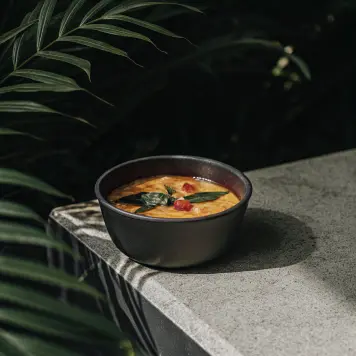
Parippu (Dal Curry)
This creamy red lentil curry, seasoned with coconut milk, turmeric, curry leaves, and pandan, is the soul of a traditional Galle rice and curry meal. In coastal Galle, it is often enriched with a splash of creamy coconut milk from freshly grated coconuts.
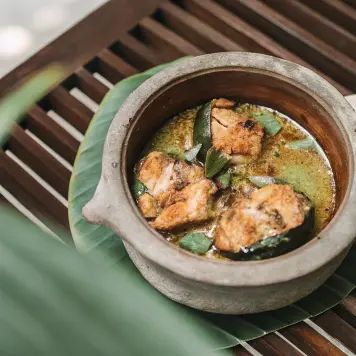
Fish Ambul Thiyal
A classic sour fish curry from the southern coast, it uses goraka (a dried tamarind-like fruit) as a souring agent and black pepper for heat. The fish is traditionally cooked in a clay pot, which gives it a distinctive earthy depth of flavor unique to Galle and the southern coast.
Bebidas tradicionales
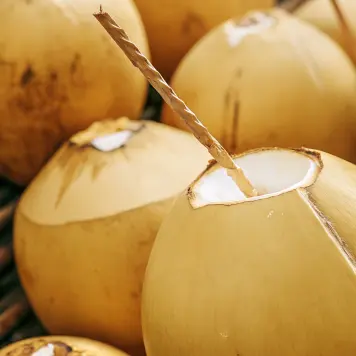
King Coconut Water (Thambili)
Unlike green coconuts elsewhere, Sri Lanka's bright orange king coconuts offer water that is naturally sweet, electrolyte-rich, and less acidic. In Galle's tropical heat, vendors slice the top off with a single machete stroke for a perfect refreshing drink.
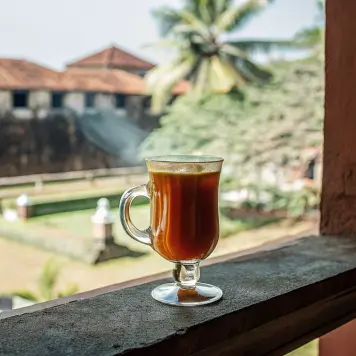
Ceylon Tea
Galle is a major exit hub for Sri Lanka's world-famous tea, and local tea stalls serve it strong and sweet with milk. A cup of Ceylon tea in Galle's Dutch Fort area combines colonial history with a globally revered brew.
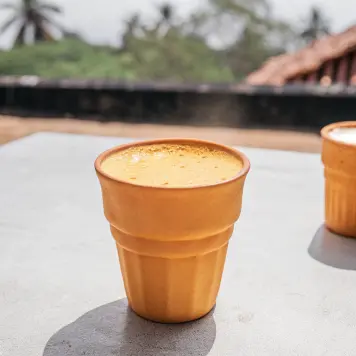
Toddy
This mildly alcoholic palm wine is tapped from the flower buds of coconut or kithul palms, and it ferments naturally within hours. In the Galle countryside, toddy is enjoyed fresh and sweet in the morning or fermented longer for a stronger evening drink.
Frequently Asked Questions about Galle, Sri Lanka
"¿Es seguro Galle, Sri Lanka?"
"¿Cuántos días en Galle, Sri Lanka?"
"¿Mejor época para visitar Galle, Sri Lanka?"
"¿Es caro Galle, Sri Lanka?"
"¿Cómo moverse por Galle, Sri Lanka?"
Recibe un PDF con las atracciones más populares en tu correo electrónico
Obtén un PDF con todas las atracciones, valoraciones y consejos. Perfecto para uso sin conexión.
Excursiones de un día más populares
Unawatuna Beach
A beautiful crescent-shaped beach with golden sand, coral reefs, and calm waters perfect for swimming.
Hikkaduwa
A lively beach town known for snorkeling, coral sanctuaries, and vibrant nightlife.
Mirissa
A stunning coastal village with palm-fringed beaches and prime whale watching opportunities.
Bentota
A resort town along a golden beach with water sports, river safaris, and turtle hatcheries.
Yala National Park
Sri Lanka's famous wildlife park known for leopards, elephants, and diverse bird species.
Cómo llegar
Aeropuertos
Estaciones de tren
Coastal Line connecting Colombo, Matara, and major beach towns
From Colombo airport, take a taxi or bus to Colombo Fort Station (1h), then the scenic Coastal Line train to Galle (2.5h).
Encuentra vuelos a Galle, Sri Lanka
Haz clic para obtener eSim para Galle, Sri Lanka
La forma más fácil y económica de tener internet móvil dondequiera que viajes.
Comentarios (5)
Galle Fort is stunning but the humidity in June was brutal. Those walls at sunset make it worth it though. 3 days was enough for the area.
Was a bit let down by how touristy the Fort has become. Every other shop sells the same jewelry. The ramparts walk is lovely early morning before crowds hit.
Get a room inside the Fort walls and wake up early to walk the ramparts before 7am. No crowd, cool breeze, and the light is perfect for photos. Absolute hack.
The food blew my mind. Got fresh curry and roti from a little place near the lighthouse for like 300 rupees. Best meal I had in two weeks in Sri Lanka.
Skip the expensive cafes on the main Fort streets. Walk toward the old clock tower area and eat at the small family run spots. Half the price, double the flavor.