 CityBuddy
 Français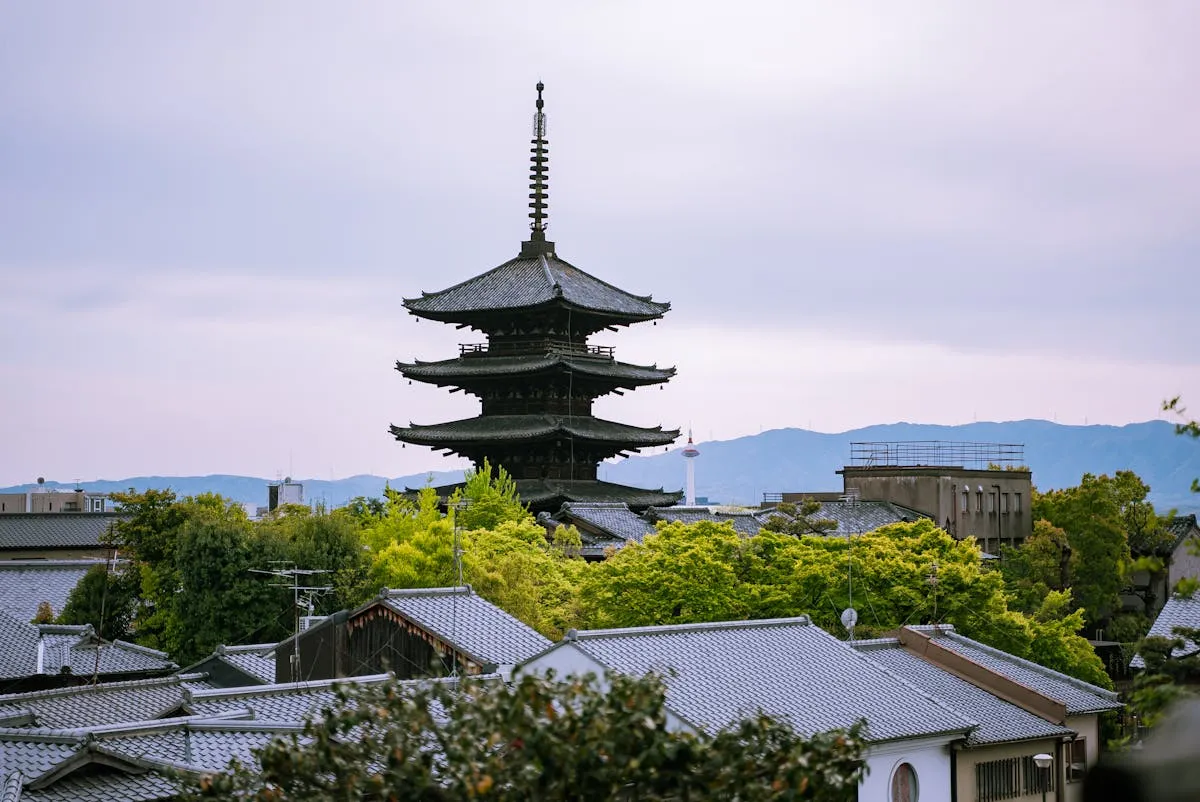
Que faire à Kyoto, Japan
Photo prise par Satoshi Hirayama sur Pexels.com
Quand visiter
Kyoto est la #4 ville la plus propre au monde, selon nos données sur des centaines de destinations.
Attractions les plus populaires à Kyoto, Japan
Les activités à faire à Kyoto, au Japon, incluent l'exploration du Fushimi Inari Taisha avec ses milliers de torii rouges s'étirant sur 4 kilomètres jusqu'au sommet de la montagne, la visite de la terrasse en bois de Kiyomizu-dera offrant une vue panoramique sur la ville, et la découverte de la Forêt de bambous d'Arashiyama, un sentier paisible bordé de hauts bambous.
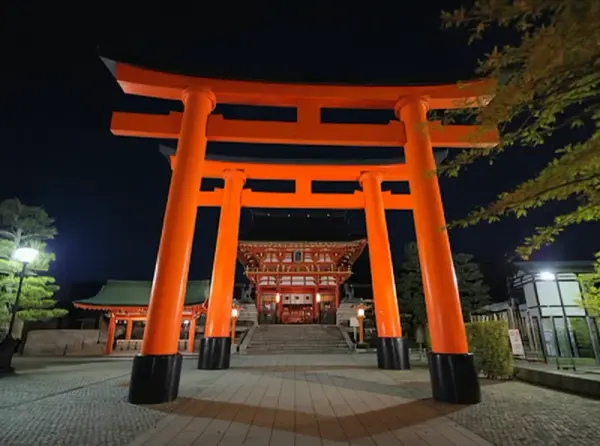
1. Fushimi Inari Taisha (伏見稲荷大社) - famous torii gate mountain shrine
Parcourez des milliers de torii vermillons qui montent une montagne boisée et paisible. Explorez des statues de renard, de petites alcôves de sanctuaires et des points de vue panoramiques le long du sentier.
Faits rapides: Passer sous les portes vermillon, c'est comme entrer dans un corridor lumineux et infini, où des piliers répétés et des taches de lumière transforment une simple randonnée en une promenade surréaliste et presque cinématographique. Plus de 10 000 torii individuels bordent les sentiers, beaucoup gravés des noms des donateurs, produisant des ombres changeantes et des échos de pas que les photographes et les fidèles locaux recherchent au lever du soleil.
Points forts: Des rangées de torii vermillon compressent le chemin en tunnel après tunnel, des milliers de piliers brillants estampillés des noms des donateurs en kanji noir, faisant tomber la lumière du soleil en rayures orangées barrées tandis que le cèdre et l'encens flottent dans l'air. Le sentier serpente la montagne sur 233 mètres jusqu'au sommet, ponctué de statues de kitsune en pierre usées tenant de petites clés dans leurs bouches, une tradition originale qui marque le rôle de chaque sanctuaire en tant que gardien du riz et des fortunes.
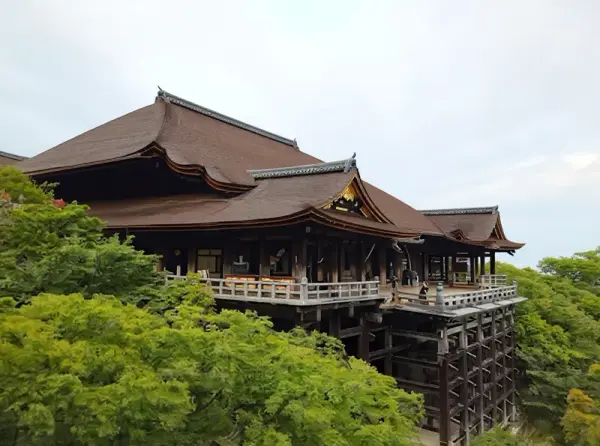
2. Kiyomizu-dera (清水寺) - historic hillside temple with wooden terrace
Perché au-dessus de Kyoto, le Kiyomizu-dera offre une architecture en bois emblématique et une vue imprenable sur la ville. Promenez-vous sur la longue terrasse, goûtez aux sources d'Otowa et explorez les chemins éclairés par des lanternes.
Faits rapides: Une large terrasse en bois dépasse d'une colline escarpée, offrant un bruissant de pas vers le ciel et des vues panoramiques sur les érables et cerisiers en contrebas. Les visiteurs lancent des pièces vers une cascade sacrée dans l'espoir que leurs vœux se réalisent, et les soirées éclairées par des lanternes baignent le complexe d'une lueur chaleureuse et cinématographique.
Points forts: Montez sur la scène en bois du temple sur la colline et vous sentez les planches légèrement céder sous vos pieds, la structure s'étendant sur environ 13 mètres au-dessus de la vallée, soutenue par environ 139 piliers en bois entrelacés, célèbre pour avoir été reconstruite en 1633 sous Tokugawa Iemitsu. Vous pouvez sentir l'ancien laque et le cèdre dans l'air alors que la brise passe à travers les arbres. En bas, une cascade étroite se divise en trois cours d'eau et les visiteurs font la queue avec de longues tasses en métal pour boire l'eau minérale froide : chaque cours d'eau est censé accorder une bénédiction différente, longévité, succès académique ou chance en amour, et les locaux chuchotent parfois que puiser dans les trois à la fois est un manque d'étiquette.
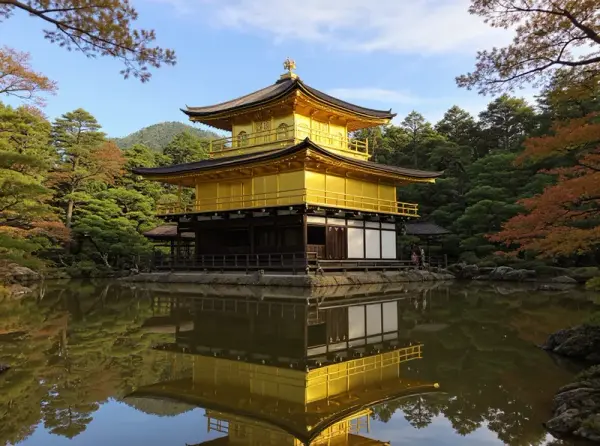
3. Kinkaku-ji (金閣寺, Golden Pavilion) - iconic gold-leaf temple
Golden Pavilion) - iconic gold-leaf temple
Un pavillon recouvert de feuilles d'or brillant sur un étang miroir, symbole de l'esthétique raffinée de Kyoto. Parcourez des sentiers aménagés, capturez des reflets parfaits et ressentez des siècles d'influence zen.
Faits rapides: Les surfaces dorées captent le soleil et dispersent des reflets scintillants à travers l'étang, rendant chaque photo délibérément composée. Un gros plan révèle des textures délicates de feuilles d'or et de laques, tandis que le jardin environnant et le doux craquement du gravier sous les pieds complètent cette scène sereine et presque théâtrale.
Points forts: Fait amusant : les deux derniers étages sont en fait recouverts de véritable feuille d'or, donc lorsque le soleil bas touche l'étang, toute la scène scintille comme du métal en fusion et les ondulations des carpes koï fracturent le reflet parfait comme un miroir. Après qu'un moine ait incendié l'original en 1950, le pavillon a été reconstruit méticuleusement en 1955 selon son plan à trois étages de l'époque Muromachi. Les locaux continuent de se ranger le long des sentiers moussus du jardin à l'aube pour admirer ce reflet scintillant.
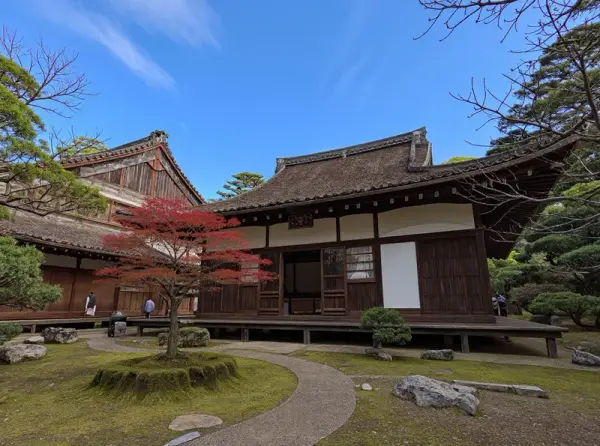
4. Ginkaku-ji (銀閣寺, Silver Pavilion) - Zen temple and moss garden
Silver Pavilion) - Zen temple and moss garden
Temple zen élégant avec des jardins de mousse sereins et une esthétique classique de Kyoto. Parcourez des chemins sinueux, admirez le Pavillon d'Argent et une colline de sable sculptée.
Faits rapides: Vous pouvez sentir une mousse douce sous vos pieds alors que le gravier ratissé avec précision et un cône de sable sculpté appelé Kogetsudai forment un paysage miniature qui invite à des promenades lentes et contemplatives. Un pavillon nommé pour l'argent n'a en réalité jamais reçu de feuille d'argent ; ses surfaces en bois discrètes ont contribué à codifier l'esthétique wabi-sabi qui a redéfini les jardins japonais et la culture du thé.
Points forts: Une tradition tranquille veut que le chef jardinier, M. Sato, mène une équipe de cinq personnes chaque printemps pour réparer précisément 361 rainures ratissées dans le sable argenté représentant des vagues, un motif restauré pour la dernière fois en 2005 après des dégâts causés par une tempête. La légende raconte que le pavillon austère à deux étages n'a jamais été revêtu d'argent comme prévu par Ashikaga Yoshimasa en 1489, et c'est le contraste entre le bois laqué foncé et la mousse verte vive, qui sent légèrement la pierre humide après la pluie, qui surprend le plus les visiteurs.
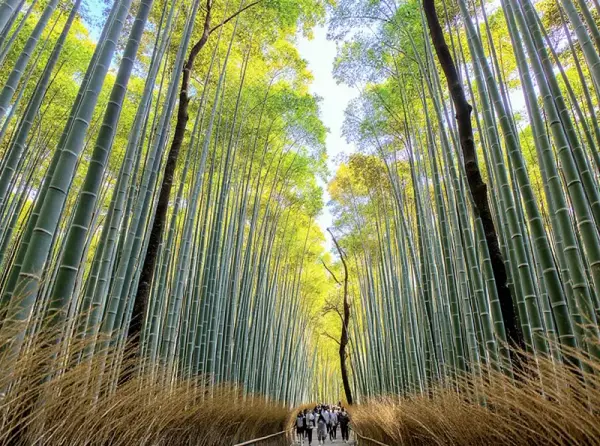
5. Arashiyama Bamboo Grove (Sagano Bamboo Forest) - scenic bamboo walk
De hauts bambous forment un corridor apaisant et surnaturel à Kyoto. Marchez sur un chemin ombragé de vert chuchotant et prenez des photos dramatiques entre les rayons de lumière.
Faits rapides: D'immenses tiges de bambou encombrent le chemin, leurs tiges creuses cliquetant doucement comme des bois lointains quand le vent passe à travers. Plus de 500 mètres de passerelles sinueuses attirent des milliers de visiteurs chaque jour, mais une visite à l'aube vous récompense souvent par un silence presque complet et une étrange lumière jade verte filtrant à travers la canopée.
Points forts: Parcourez le corridor étroit de 500 mètres à l'aube et vous sentirez l'air se rafraîchir tandis que de hautes tiges de bambou, certaines de plus de 20 mètres de haut, se balancent au-dessus de vous et créent un chant creux et métallique lorsque le vent passe à travers les tiges creuses. Les locaux disent que ce son s'accorde parfaitement avec un joueur solitaire de shakuhachi au lever du soleil, une tradition plus discrète maintenue par quelques interprètes qui préfèrent le bosquet pour leur pratique matinale.
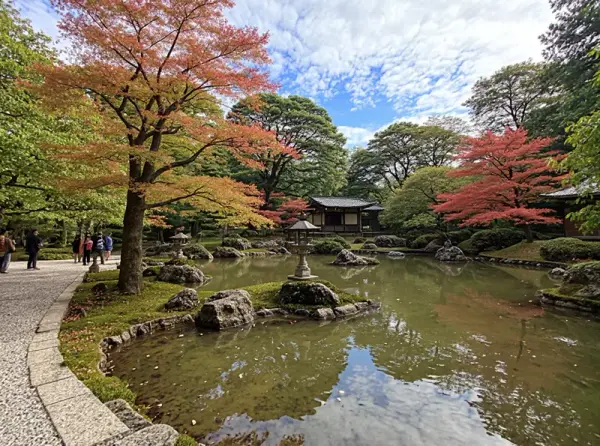
6. Ryoan-ji (龍安寺) - renowned Zen rock garden
Jardin de pierres zen mondialement célèbre montrant un design minimaliste et des siècles de rituel silencieux. Asseyez-vous sur la véranda en bois et observez les graviers ratissés, la mousse et quinze pierres soigneusement placées.
Faits rapides: Asseyez-vous sur la véranda en bois basse et vous réaliserez que la scène de pierres et de gravier a été conçue pour être observée depuis une position assise et méditative, faisant de l'espace négatif la star. Des changements subtils de perspective cachent ou révèlent des pierres, transformant le ratissage rituel en une performance silencieuse et étonnamment expressive.
Points forts: Un rectangle précis de gravier blanc cache quinze pierres arrangées si délibérément que, de n'importe quel siège sur la véranda en bois, seulement quatorze sont visibles à la fois, ce que les visiteurs aiment compter et débattre. Les jardiniers ratissent le gravier en ondulations semblables à des vagues océaniques chaque matin, et la mousse environnante, l'encens léger et le doux bruit des sandales rendent le silence palpable comme quelque chose dans lequel on peut marcher.
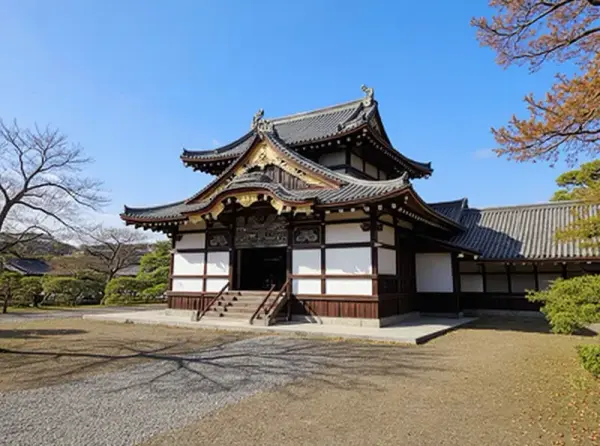
7. Nijo Castle (二条城) - Edo-period castle with nightingale floors
Entrez dans Kyoto de l'ère samouraï à l'intérieur d'un palais shogun richement décoré. Marchez sur des planchers rossignols et admirez des portes coulissantes peintes et des jardins en promenade.
Faits rapides: Promenez-vous le long de corridors en bois rainurés et vous entendrez des pépiements mélodieux sous vos pieds, une astuce acoustique ingénieuse qui avertissait les gardes des intrus. Des paravents peints ornés et des jardins étendus créent un drame tranquille ; un seul acte politique a autrefois déplacé le pouvoir du pays et changé le cours de l'histoire.
Points forts: Marchez légèrement et les planches craqueront sous vos pieds, un trille brillant semblable à un oiseau produit lorsque de fines planches frottent contre des pinces en cuivre et des clous cachés, de sorte qu'un seul pas peut déclencher une douzaine de petits gazouillis métalliques. Dans une chambre aux panneaux dorés, le dernier shogun, Tokugawa Yoshinobu, a officiellement rendu le pouvoir à l'Empereur en 1867, une cérémonie silencieuse dont le calme devient étrange lorsque vous vous tenez là où il se tenait autrefois.
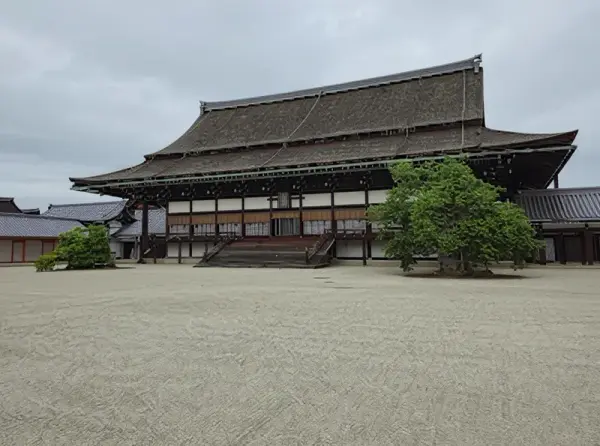
8. Kyoto Imperial Palace (京都御所) - historic residence of the imperial family
Pénétrez dans des siècles d'histoire impériale au sein de jardins clos et paisibles. Explorez des halls en bois élégants, de vastes pelouses et l'architecture raffinée du palais lors d'une visite guidée.
Faits rapides: Franchir les grandes portes donne l'impression d'entrer dans un rouleau vivant, où des salles laquées, des piliers vermillon et du gravier méticuleusement ratissé créent une atmosphère de calme cérémoniel. Les visites guidées dévoilent des détails surprenants : de nombreux bâtiments restent réservés aux fonctions formelles de la cour, et les proportions mesurées du site ont été ajustées aux rites qui régissaient la vie impériale quotidienne.
Points forts: Derrière les piliers en laque vermillon, vous trouverez une surprise : la salle cérémonielle principale abrite encore le trône d'intronisation Takamikura doré, un siège miniature semblable à un sanctuaire recouvert de feuilles d'or et de laque, qui était autrefois le centre des cérémonies auxquelles assistaient des centaines de courtisans. Promenez-vous dans les jardins taillés et vous sentirez le parfum du pin et de la pierre humide, tandis que les carpes koï colorent l'étang de touches orange et que les poutres de cèdre au-dessus grincent du même silence que les courtisans entendaient lors des processions de l'époque Heian.
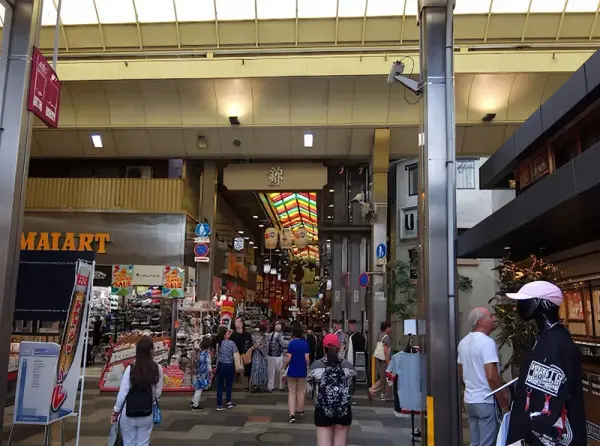
9. Nishiki Market (錦市場) - lively food market in downtown Kyoto
Un festin sensoriel de la culture culinaire de Kyoto dans une arcade couverte animée. Dégustez fruits de mer frais, cornichons et en-cas de rue tout en discutant avec des vendeurs sympathiques.
Faits rapides: Un dédale d'allées étroites explose de couleurs et d'odeurs crépitantes, où les marchands vendent tout, des fruits de mer grillés et des cornichons aux douceurs de style Kyoto. Les visiteurs peuvent grignoter une douzaine de spécialités en bouchées en moins d'une heure, et des échoppes familiales anciennes conservent encore des recettes secrètes transmises de génération en génération.
Points forts: Parcourez le couloir étroit couvert et les vendeurs vous presseront un brochette de calmar grillé brûlant dans la main, vapeur et glaçage sucré à la sauce soja montant tandis que plus de 100 petites boutiques offrent cornichons, tofu frais et fruits de mer pour que vous puissiez goûter une douzaine de friandises en une courte promenade. Entrez dans la boutique de couteaux Aritsugu et regardez un maître aiguiser la lame d'un chef à la main, étincelles et métal résonnant sous une lumière chaude de lanterne, un art vieux de plusieurs siècles toujours présenté quotidiennement.
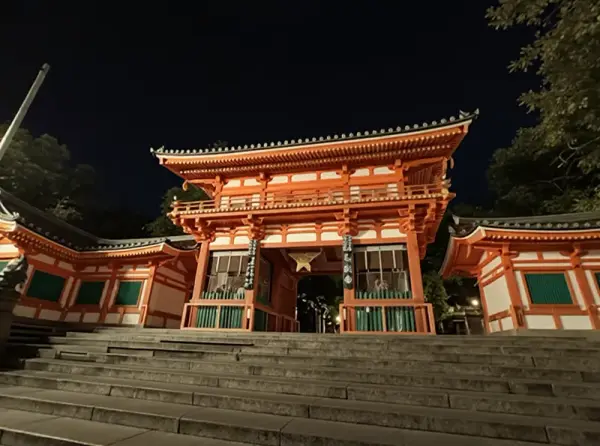
10. Gion District (祇園) - historic geisha district, including Hanami-koji and Yasaka Shrine
Plongez dans le quartier des geishas de Kyoto où des maisons de thé en bois éclairées par des lanternes préservent des siècles de tradition. Parcourez Hanami-koji, apercevez des silhouettes en kimono et visitez le dynamique sanctuaire Yasaka.
Faits rapides: La lumière des lanternes brille sur les machiya en bois poli tandis que les maiko glissent le long d'une ruelle étroite pavée bordée de maisons de thé, rendant les soirées cinématographiques. Un sanctuaire shinto vibrant sur le bord est du quartier attire des processions estivales bruyantes et des milliers de lanternes suspendues, créant un contrepoint animé au silence raffiné des maisons de thé du district.
Points forts: Au crépuscule, les ruelles en bois étroites se remplissent de l'odeur de yakitori et de charbon tandis que les lanternes en papier rouge projettent des flaques de lumière. Vous pouvez parfois apercevoir des maiko en kimono à plusieurs couches, leur maquillage blanc et leurs kanzashi floraux scintillant alors que les sabots en bois claquent sur les pierres. Un sanctuaire fondé en 656 après J.-C. ancre un festival annuel en juillet où d'énormes chars décorés appelés yamaboko sont tirés par des équipes de villageois, un rituel vieux de plusieurs siècles qui transforme les ruelles calmes en parade de battements de tambour et de fumée d'encens.
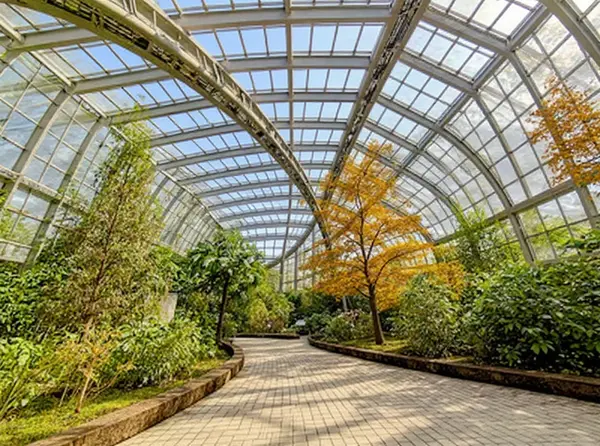
11. Visit Kyoto Botanical Gardens
Découvrez plus de 12 000 espèces de plantes dans un vaste jardin. Profitez d'étangs paisibles avec carpes koï et d'une collection éblouissante de roses.
Faits rapides: Explorez un jardin qui compte plus de 12 000 espèces de plantes réparties sur 24 hectares. Les visiteurs déambulent dans une grande serre abritant des plantes tropicales et subtropicales, une expérience rare dans une ville tempérée comme Kyoto.
Points forts: Le jardin comporte un rosier avec environ 700 variétés, parfait pour des photos vives et colorées. Un étang paisible avec des carpes koï reflète la verdure environnante, créant un endroit serein apprécié par les artistes et les photographes.
Que réserver à l'avance à Kyoto
Ces attractions se vendent vite ou nécessitent une réservation. Réservez-les en premier, dans cet ordre.
- 1.Kyoto Imperial Palace (京都御所) - historic residence of the imperial familyRéserver 3 jours à l'avanceQuelques jours à une semaine à l'avance Vérifier la disponibilité
Where to Stay in Kyoto, Japan
Selected by City Buddy based on guest reviews and proximity to top attractions
Search all hotels in Kyoto, JapanPowered by agoda
Jours d'ouverture à Kyoto, Japan
Quels sites incontournables ferment quel jour de la semaine, le classique gâcheur de voyage, vérifié pour vous.
lundi : 1 sur 10 sites incontournables fermés, prévoyez les musées un autre jour.
Fermé le lundi · 1 fermés, 9 ouverts
Jours d'ouverture issus de Google Maps (vérifié le 2026-03-18). Jours fériés, grèves et horaires saisonniers peuvent varier, consultez le site officiel avant de partir.
Plats sucrés traditionnels
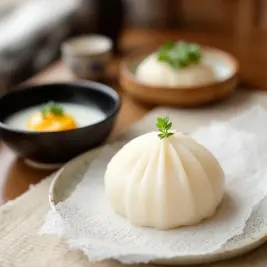
Mochi
Kyoto mochi is traditionally pounded by hand at festivals, producing a glossy, elastic texture that symbolizes good fortune and community spirit.
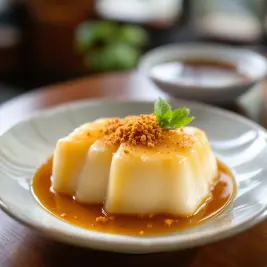
Yatsuhashi
Yatsuhashi is a cinnamon-flavored Kyoto sweet shaped like a folded triangle, and the soft unbaked version wrapped around sweet red bean paste is a must-try local specialty.
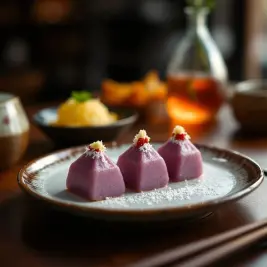
Wagashi
Kyoto wagashi are miniature seasonal landscapes you can eat, crafted to mirror flowers, leaves and festivals and designed to complement the bitterness of matcha during tea ceremonies.
Plats salés traditionnels

Kaiseki
Kaiseki in Kyoto is a poetic multi-course meal where each dish is arranged like a painting, highlighting one perfect seasonal ingredient and a delicate balance of taste and texture.
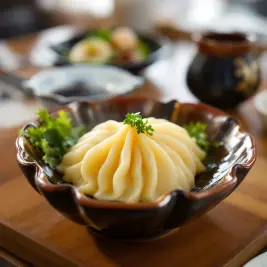
Yudofu
Yudofu is humble simmered tofu served near Kyoto temples, often enjoyed straight from the pot in a kelp-infused broth to celebrate simplicity, purity and the monk's palate.
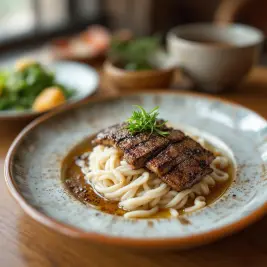
Obanzai
Obanzai is Kyoto's home-style cooking, made from small, seasonal ingredients sourced within the city and prepared with techniques passed down through generations, it embodies sustainable, everyday elegance.
Boissons traditionnelles

Matcha
Kyoto's matcha, especially from Uji, is prized for its bright green color and savory umami, and in the tea ceremony it is whisked into a froth to create a meditative moment of flavor and focus.

Sake
In Kyoto's Fushimi district the soft groundwater creates silky, mellow sake, and centuries-old breweries still use traditional wooden fermentation methods to produce nuanced flavors.
À savoir avant de partir
Combien coûte une journée à Kyoto et les arnaques à éviter
Coût par personne et par jour
Principales arnaques à éviter
- Chauffeurs sans licence près des gares. Utilisez la station de taxis officielle et prenez un taxi au compteur ; vérifiez que le compteur tourne avant le départ.
- Rabatteurs orientant vers des restaurants à commissions. Refusez les invitations des rabatteurs dans la rue ; choisissez des établissements avec des menus et des prix affichés à l'entrée.
- Bureaux de change à mauvais taux. Utilisez plutôt les distributeurs bancaires ; si vous devez échanger des espèces, comparez les taux au préalable et évitez les kiosques de type compte à rebours.
Taxi honnête depuis l'aéroport: 9 000 ¥ - 15 000 ¥ (51 € - 84 €)
Option moins chère: Train express limité Haruka jusqu'à la gare de Kyoto (3 000 ¥)
Toutes les arnaques, prix justes et règlesQuestions fréquentes sur Kyoto, Japan
Meilleur moment pour visiter Kyoto, Japon ?
Kyoto, Japon est-elle sûre pour les voyageurs ?
Kyoto, Japon est-elle chère à visiter ?
Comment se déplacer à Kyoto, Japon ?
L'eau du robinet est-elle potable à Kyoto, Japon ?
Recevez un PDF avec les attractions les plus populaires envoyé à votre email
Obtenez un PDF avec toutes les attractions, évaluations et conseils. Parfait pour une utilisation hors ligne.
Excursions d'une journée les plus populaires
Nara
Ancient temples and friendly free-roaming deer in Nara Park.
Osaka
Vibrant food, nightlife, and Osaka Castle.
Himeji
Home of Himeji Castle, Japan's best-preserved castle.
Amanohashidate
Scenic sandbar with classic 'view from above' lookout.
Comment y arriver
Aéroports
Gares
JR Tokaido/Sanyo Shinkansen, JR lines, Kintetsu connections
Keihan & Hankyu connections to Kyoto center
From KIX take the JR Haruka limited express or airport limousine bus to Kyoto Station.
Informations utiles pour Kyoto, Japan
Aperçu de Kyoto, Japan
Comparez Kyoto avec d'autres destinations
Prix, sécurité, météo et principales attractions côte à côte, avec une recommandation pour chaque type de voyageur.
Vous voulez un plan jour par jour pour Kyoto, Japan ? Ouvrez le planificateur de voyage
Quand partez-vous à Kyoto, Japan ?
Choisissez vos dates et style de voyage pour obtenir :
Qu'est-ce qui est particulièrement important pour vous ?
Sélectionnez tout ce qui s'applique
Se déplacer
Comment souhaitez-vous vous déplacer entre les lieux ?
Langue du plan : FrançaisMost popular itineraries for Kyoto, Japan
Browse trip plans created by other travelers
5-Day Relaxed Cultural and Culinary Journey in Kyoto
A comfortable-paced exploration of Kyoto's iconic landmarks, cultural sites, scenic walks, food markets, and local cuisine experiences over five spring days.
2-Day Autumn Exploration in Kyoto's Timeless Beauty
Immerse yourself in Kyoto's autumn charm with a perfect blend of historic temples, scenic walks, vibrant markets, and local experiences that capture the spirit of the season.
3-Day Autumn in Kyoto: Temples, Traditions, and Tranquility
Experience Kyoto's stunning autumn colors with temple visits, traditional experiences, and scenic strolls that capture the city's timeless charm.
4-Day Kyoto for Offbeat Culture and Food Explorers
Discover Kyoto's hidden gems and authentic local experiences through secret viewpoints, neighborhood eateries, ancient sites, and vibrant underground scenes this spring.