 CityBuddy
 Bahasa Indonesia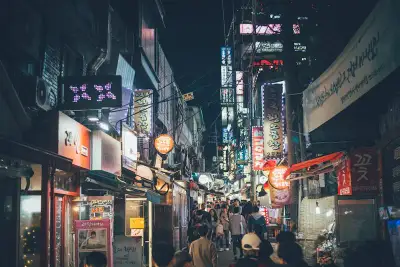
Hal yang Dapat Dilakukan di Shinjuku, Japan
Foto dibuat oleh Tan Danh di Pexels.com
Kapan berkunjung
Shinjuku adalah #2 kota untuk kehidupan malam di dunia, berdasarkan data kami dari ratusan destinasi.
Atraksi paling populer di Shinjuku, Japan
Hal terbaik yang dapat dilakukan di Shinjuku, Jepang berkisar dari tempat pelarian yang tenang hingga petualangan yang diterangi lampu neon. Berjalanlah melintasi Shinjuku Gyoen National Garden seluas 58 hektar, yang memadukan gaya taman Prancis dan Jepang. Naiki lift gratis setinggi 202 meter ke Tokyo Metropolitan Government Building untuk menikmati pemandangan kota panorama. Lalu singgahlah ke Omoide Yokocho, gang sempit berisi 60 tempat pemanggangan kecil yang menyajikan yakitori sejak Perang Dunia II.
1. Shinjuku Gyoen National Garden
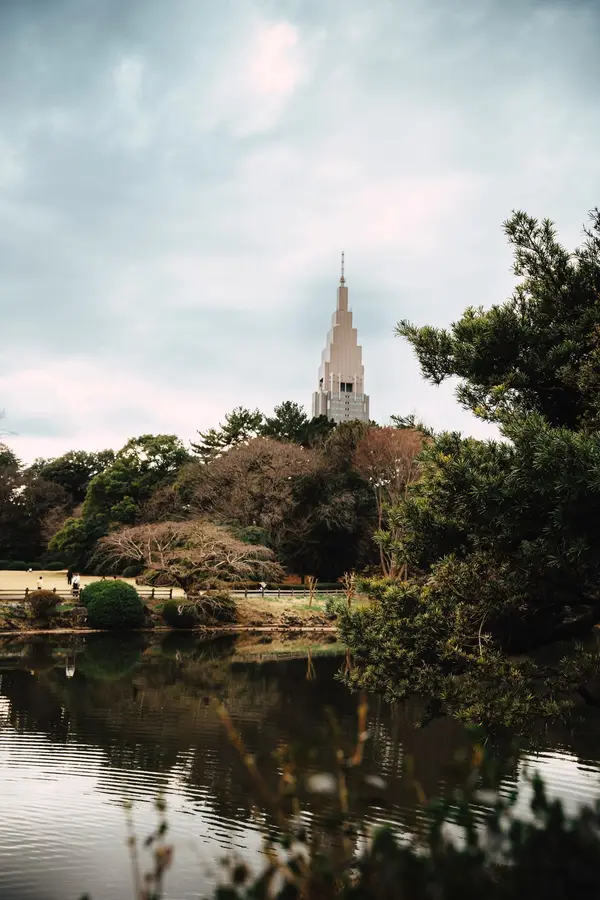
Escape Tokyo's neon chaos into 58 hectares of serene gardens where cherry blossoms and ancient pines frame three perfectly curated landscapes. Wander between a French formal garden, a Japanese tea house, and an English meadow in a single afternoon.
Fakta cepat: Di lahan seluas 58 hektar, tiga gaya taman yang berbeda hidup berdampingan: taman formal bergaya Prancis, taman lanskap bergaya Inggris, dan taman tradisional Jepang dengan kolam besar. Lebih dari 20.000 pohon dari seluruh dunia tumbuh subur di sini, termasuk sekitar 1.500 pohon sakura yang bermekaran setiap musim semi.
Sorotan: Salah satu contoh langka taman lanskap skala besar awal abad ke-20 yang masih bertahan di Tokyo, tempat ini dulunya merupakan kediaman pribadi seorang tuan tanah feodal sebelum dihadiahkan kepada keluarga kekaisaran. Bagian taman tradisional Jepang memiliki paviliun kayu tempat Anda dapat duduk dan menyaksikan ikan koi berenang di bawah sambil menyeruput teh matcha yang disajikan oleh pramusaji berpakaian kimono.
2. Tokyo Metropolitan Government Building
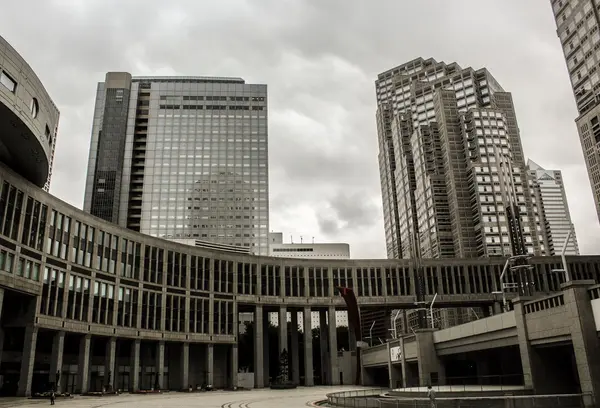
Two free observation decks with Tokyo's best skyline views. Ride the elevator up 45 floors and watch Mount Fuji appear on the horizon as the city sprawls beneath you.
Fakta cepat: Dek observasi gratis di lantai 45 kedua menara menawarkan pemandangan panorama hingga Gunung Fuji pada hari yang cerah. Gedung ini dirancang menyerupai katedral Gotik, dengan menara kembar setinggi 243 meter dan fasadnya yang dilapisi 12.000 jendela cermin.
Sorotan: Naiklah tepat sebelum matahari terbenam dan saksikan Tokyo berubah dari lantai 45 saat lampu kota mulai menyala di bawah sementara langit masih berwarna. Dek observasi selatan tetap buka hingga pukul 23.00 dan menawarkan suasana yang sangat berbeda di malam hari, dengan pengunjung yang jauh lebih sedikit dan pemandangan kota yang berkilauan seperti papan sirkuit.
3. Hanazono Shrine
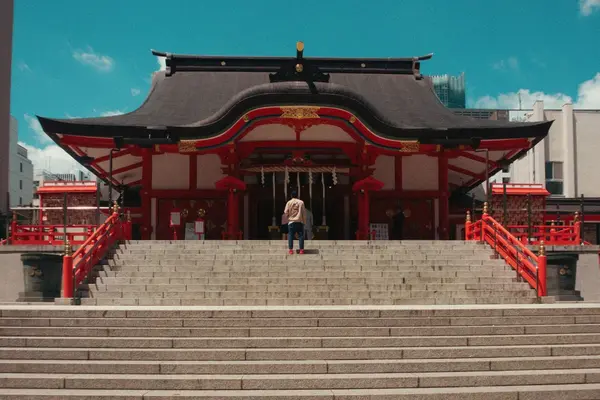
Find a pocket of serenity amid Shinjuku's neon chaos at a shrine that has anchored this neighborhood since the 1600s. Wander past towering concrete, and discover locals tossing coins, clapping hands, and whispering wishes to the gods.
Fakta cepat: Kuil Hanazono menampung lebih dari 300 pedagang selama pasar loak tahunannya, menarik ribuan pemburu barang murah setiap akhir pekan. Didedikasikan untuk dewa kemakmuran bisnis dan keberuntungan, kuil ini terletak di tengah gedung pencakar langit modern dan kawasan hiburan Shinjuku.
Sorotan: Pada Malam Tahun Baru, lonceng raksasa seberat 500 kilogram di kuil ini dibunyikan 108 kali oleh para sukarelawan, setiap dentangan melambangkan pembersihan satu keinginan manusia menurut tradisi Buddha. Suaranya bergema di antara ngarai beton Shinjuku, menciptakan perpaduan akustik yang surealis antara ritual kuno dan modernitas yang diterangi neon.
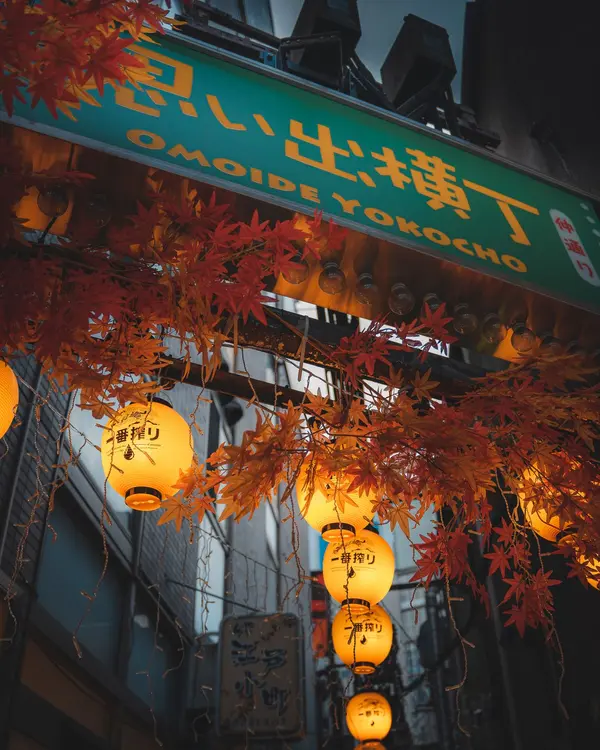
4. Omoide Yokocho
Step into a smoky, lantern-lit time capsule where Tokyo grills the best yakitori of your life. Squeeze onto a tiny counter stool, order skewers and cold beer, and watch the chefs fan glowing charcoal inches from your face.
Fakta cepat: Sekitar 60 bar yakitori kecil berasap dan restoran berjejalan di jaringan gang sempit ini dekat Stasiun Shinjuku. Warga setempat telah duduk di bangku kecil di sini sejak masa pasar gelap pascaperang tahun 1940-an, saat kawasan ini pertama kali muncul.
Sorotan: Salah satu kantong terakhir Tokyo lama yang masih bertahan, gang ini entah bagaimana luput dari pembangunan kembali yang mengubah lingkungan sekitarnya menjadi hutan gedung pencakar langit kaca. Udara masih berbau ayam panggang arang dan kecap, seperti 70 tahun yang lalu, dan beberapa toko masih mendapatkan tusuk sate mereka dari pemasok keluarga yang sama.
5. Golden Gai
Over 200 tiny bars packed into six lantern-lit alleys where each space seats barely a handful. Wander narrow passages, duck into a 4-seat whiskey bar, and trade stories with locals until the wee hours.
Fakta cepat: Terselip di antara gedung pencakar langit Shinjuku, labirin 200 bar kecil ini menempati enam gang sempit yang selamat dari rekonstruksi pascaperang. Sebagian besar bar hanya memiliki tempat duduk untuk 4-6 orang, memaksa orang asing untuk berbincang akrab sambil menikmati wiski atau sake.
Sorotan: Banyak bar di sini masih dijalankan oleh pemilik yang sudah menua yang telah merawat konter yang sama selama lebih dari 50 tahun, beberapa menolak melayani siapa pun yang terlihat berusia di bawah 30 tahun. Satu bar memiliki kucing rumah yang menentukan kapan pesanan terakhir dilakukan dengan melompat ke pangkuan pelanggan untuk menandakan sudah waktunya pulang.
6. Samurai Museum
Get closer to real samurai gear than anywhere else in Tokyo. You'll hold 700-year-old swords, try on armor, and watch live sword demonstrations daily.
Fakta cepat: Lebih dari 13.000 artefak mencakup 700 tahun sejarah samurai, dari periode Kamakura hingga era Edo. Pengunjung dapat memegang pedang samurai asli dan mencoba baju zirah asli di bawah pengawasan staf.
Sorotan: Seorang pensiunan perestorasi baju zirah samurai secara pribadi merawat koleksi tersebut dan kadang-kadang mendemonstrasikan proses 45 menit dalam mengenakan baju zirah lengkap. Lantai kendo kayu museum masih menyimpan bekas goresan dan penyok dari latihan puluhan tahun oleh klub kendo universitas Tokyo.
7. Shinjuku Ni-chome
Nowhere else packs this much queer energy into a few neon-lit blocks. Hop between tiny bars where locals share plates of edamame and pour your next drink before you finish the first.
Fakta cepat: Dengan lebih dari 300 bar, klub, dan restoran kecil yang berjejalan hanya dalam beberapa blok, kawasan kecil ini memiliki salah satu konsentrasi tempat LGBTQ+ tertinggi di dunia. Lebih dari 30 persen bar di sini adalah operasi kecil dengan tempat duduk kurang dari 10 orang, membuat setiap malam terasa seperti pesta pribadi.
Sorotan: Banyak bar yang dijalankan oleh mantan ratu drag yang telah menuangkan minuman di konter 10 kursi yang sama sejak tahun 1980-an, dan mereka mengingat setiap pelanggan tetap dengan nama. Anda bisa masuk ke bar basement berisi empat kursi pada tengah malam dan menemukan mantan bintang kabaret berusia 70 tahun yang menyanyikan lagu Edith Piaf sambil mencampur highball Anda.
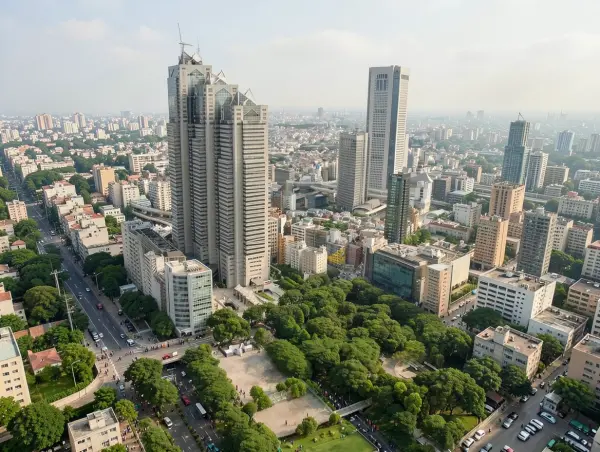
8. Shinjuku Central Park
A lush green escape sandwiched between skyscrapers, offering front-row seats to Tokyo's urban ballet. Grab a coffee, find a bench, and watch salarymen nap, crows plot, and cherry blossoms drift past concrete and glass.
Fakta cepat: Pusat komuter tersibuk di Shinjuku terletak di satu sisi koridor hijau ini, namun taman ini tetap tenang dengan lebih dari 700 pohon sakura yang berjejer di jalurnya. Area yang dulunya merupakan lahan kosong yang menunggu stadion olahraga yang tidak pernah dibangun berubah menjadi hamparan hijau seluas 2,25 hektar ini yang menghubungkan dua distrik gedung pencakar langit utama kota.
Sorotan: Pada hari kerja sekitar waktu makan siang, Anda akan melihat pekerja kantor tidur siang di rumput dengan setelan jas, sebuah ritual Tokyo yang tenang terasa hampir seperti koreografi. Taman ini juga berfungsi sebagai galeri seni terbuka dengan instalasi yang berputar dari Tokyo Opera City Gallery di dekatnya, sehingga patung-patungnya berganti setiap beberapa bulan.
Where to Stay in Shinjuku, Japan
Selected by City Buddy based on guest reviews and proximity to top attractions
Search all hotels in Shinjuku, JapanPowered by agoda
Hari buka di Shinjuku, Japan
Objek wisata terbaik mana yang tutup pada hari apa dalam seminggu, hal klasik yang bisa merusak perjalanan, sudah kami cek untuk Anda.
Senin: 1 dari 8 objek wisata terbaik tutup, rencanakan kunjungan museum di hari lain.
Tutup pada Senin · 1 tutup, 7 buka
Hari buka dari Google Maps (diperiksa 2026-07-03). Hari libur nasional, pemogokan, dan jam musiman dapat berbeda, cek situs resmi sebelum pergi.
Hidangan manis tradisional
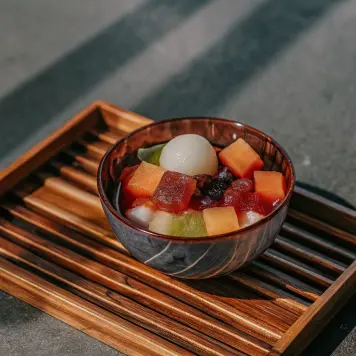
Anmitsu
Anmitsu features small cubes of agar jelly, sweet red bean paste, mochi, and fresh fruit all served with a drizzle of kuromitsu, a dark sugar syrup that originated as a medicine in the Edo period.
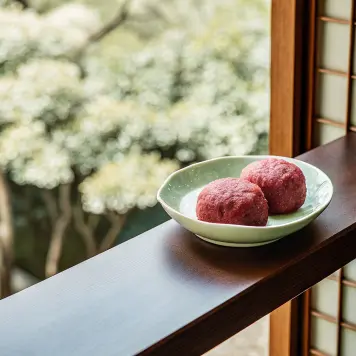
Ohagi (Botamochi)
Ohagi is a traditional sweet made from glutinous rice coated in sweet azuki bean paste, and its name changes to botamochi in spring depending on the seasonal flower in bloom.
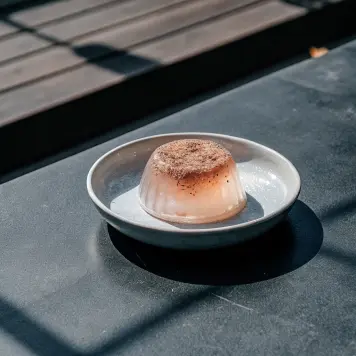
Kuzumochi
Unlike regular mochi made from rice, kuzumochi is made from kuzu (arrowroot) starch giving it a uniquely translucent, jelly-like texture, and it is often served with kinako (roasted soybean flour) and kuromitsu.
Hidangan gurih tradisional
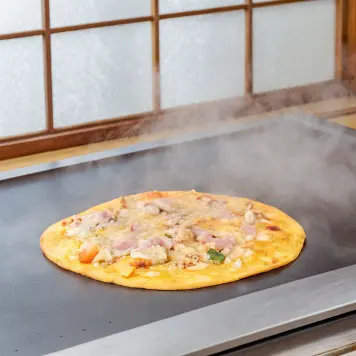
Monjayaki
Monjayaki is a thin, runny savory pancake cooked on a hot griddle that is famously associated with Tokyo's shitamachi (old town) culture, and Shinjuku has some of the best monjayaki specialty restaurants in the city.
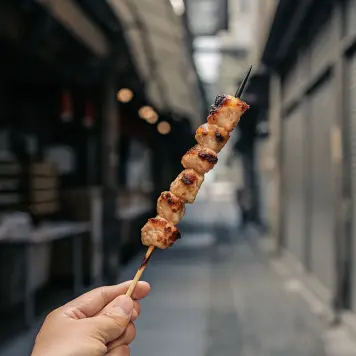
Yakitori
Shinjuku's Omoide Yokocho (Memory Lane) is legendary for its tiny yakitori stalls where skewers of chicken are grilled over charcoal, and the smoky alleyway has been a beloved dining destination since the post-war era.
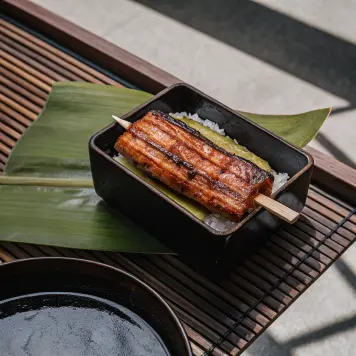
Unagi no Kabayaki
This dish features grilled eel glazed with a sweet soy-based sauce, and Shinjuku is home to some of Tokyo's most historic unagi restaurants that have been serving it continuously since the 1800s.
Minuman tradisional
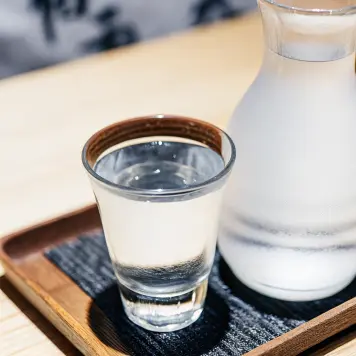
Sake
Sake is Japan's iconic rice wine, and Shinjuku's many izakaya (Japanese pubs) offer extensive sake selections where you can enjoy everything from fruity ginjo to rich, aged koshu varieties.
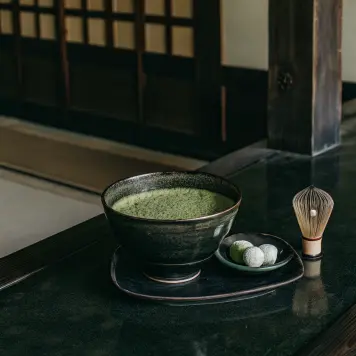
Matcha (Ceremonial Green Tea)
Matcha is a finely ground powder of specially grown green tea leaves, and Shinjuku's traditional tea houses offer this vibrant drink alongside the district's famous wagashi (Japanese sweets) for a perfect pairing.

Shochu
Shochu is a distilled spirit typically made from barley, sweet potato, or rice, and it is a staple at Shinjuku's drinking establishments where it is enjoyed on the rocks, with water, or mixed with hot water.
Pertanyaan yang Sering Diajukan tentang Shinjuku, Japan
Apakah Shinjuku, Jepang aman?
Berapa hari di Shinjuku, Jepang?
Waktu terbaik untuk mengunjungi Shinjuku, Jepang?
Apakah Shinjuku, Jepang mahal?
Bagaimana cara berkeliling Shinjuku, Jepang?
Dapatkan PDF dengan atraksi paling populer dikirim ke email Anda
Dapatkan PDF dengan semua atraksi, penilaian, dan tips. Sempurna untuk digunakan secara offline.
Perjalanan sehari paling populer
Kamakura
Historic coastal town with Great Buddha statue and serene temples
Hakone
Hot spring resort with views of Mount Fuji and Lake Ashi
Yokohama
Port city with Chinatown, Minato Mirai waterfront and gardens
Cara menuju ke sana
Stasiun kereta
JR Yamanote Line, JR Chuo Line, Odakyu Line, Keio Line, Tokyo Metro Marunouchi Line
Highway bus connections to airports and other cities
From Haneda Airport take the Limousine Bus (45 min) or train via Yamanote Line. From Narita take the Narita Express (80 min) directly to Shinjuku Station.
Informasi berguna untuk Shinjuku, Japan
Ikhtisar untuk Shinjuku, Japan
Ingin rencana harian untuk Shinjuku, Japan? Buka perencana perjalanan
Kapan Anda akan ke Shinjuku, Japan?
Pilih tanggal dan gaya perjalanan Anda untuk mendapatkan:
Apakah ada hal yang sangat penting bagi Anda?
Pilih semua yang sesuai
Transportasi
Bagaimana Anda ingin berpindah antar tempat?
Bahasa rencana: Bahasa Indonesia