 CityBuddy
 Nederlands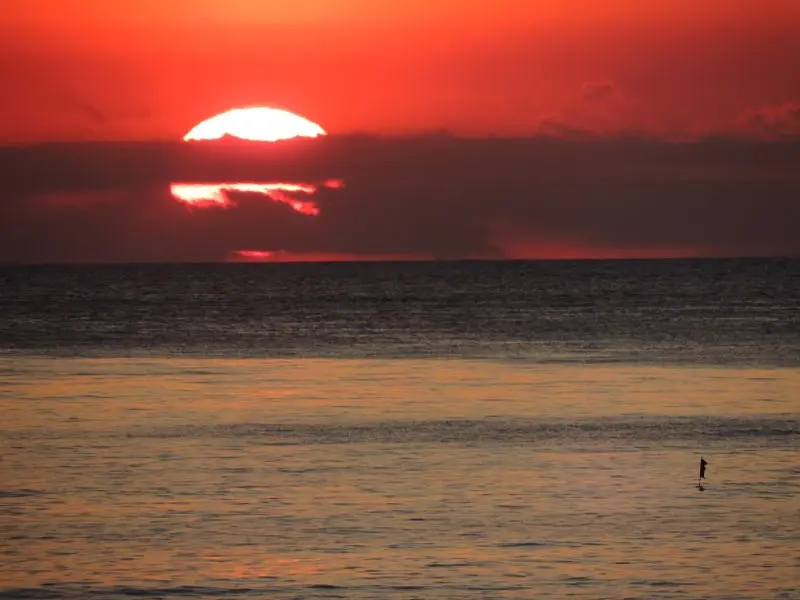
Wat te doen in Umag, Croatia
Foto gemaakt door Barb Cerar op Pexels.com
Wanneer te bezoeken
Meest populaire attracties in Umag, Croatia
Wanneer u zich afvraagt wat u in Umag, Kroatië, kunt doen, biedt de Istrische rivièra een samensmelting van geschiedenis en natuur die u op elke stap betovert. Breng zeker een bezoek aan de oude stad Umag met de smalle middeleeuwse straatjes die teruggaan tot de 7e eeuw en de kerk van de Heilige Maria uit de 18e eeuw met een gaaf bewaard barokke altaar. Wandel naar Punta Kator, een kaap met een rotsachtige kust en kristalhelder water.
1. Umag Old Town
Umag oude stad is een van de zeldzame plaatsen aan de kust waar middeleeuwse muren de zee raken. Wandel door de met steen geplaveide straatjes, ruik de geur van olijven en kruiden, en stop op de kaap waar de golven van de paars beschenen zon tegen de fundamenten van de stad slaan.
Korte feiten: Biedt uitzicht op de Venetiaanse klokkentorens en daken van de oude stad die van kleur veranderen tijdens zonsondergang. Elk jaar in juli worden de straten van de stad het toneel van het Internationaal Folklorefestival dat meer dan 500 uitvoerende artiesten uit de hele wereld samenbrengt.
Hoogtepunten: Op het hoofdplein staat de Venetiaanse loggia uit de 15e eeuw, tegenwoordig omgevormd tot een zomerpodium met akoestiek die de koude steen verandert in een natuurlijke luidspreker. Aan de voet van de stadsmuren zijn resten van Romeinse thermen met mozaïeken gevonden die nog steeds sporen van blauw pigment van 2000 jaar oud bevatten.
2. Church of St. Mary
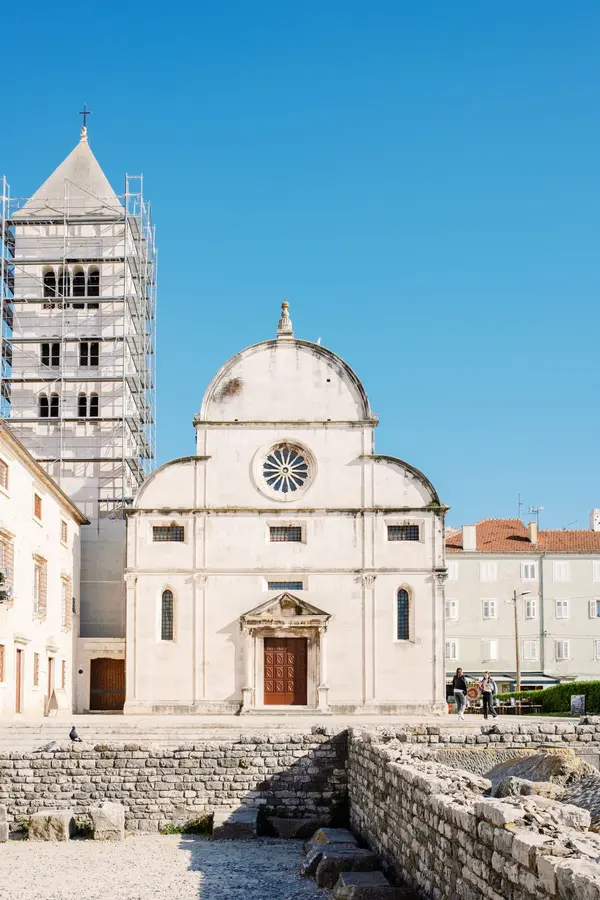
Een rustige oase te midden van de drukte van Umag met artistieke schatten die weinigen kennen. Neem plaats op de bank voor de kerk en aanschouw hoe het licht verandert door de rijk versierde gevel.
Korte feiten: Deze kerk uit de 18e eeuw herbergt een collectie schilderijen van Venetiaanse meesters die twee wereldoorlogen hebben overleefd. Haar klokkentoren van 37 meter hoog dient ook vandaag als herkenningspunt voor vissers die terugkeren naar de haven.
Hoogtepunten: Achter het altaar bevindt zich een houten polychrome sculptuur van de Moeder Gods uit de 15e eeuw, de enige die een brand overleefde die bijna de oudere kerk op dezelfde plaats verwoestte. Wanneer de zon 's middags door het roosvenster valt, ontstaat er op de vloer een kleurrijk lichtmozaïek dat slechts ongeveer twintig minuten duurt.
3. Punta Katora
Een stad waar rotsen recht in de kristalheldere zee aflopen en elke zonsondergang eruitziet als een speciaal verlicht toneel. Je ruikt het aroma van gedroogde kruiden, hoort het geruis van steentjes onder je voeten en laat je blik rusten op een horizon zonder één enkel gebouw.
Korte feiten: De zonsondergang baadt hier de zee in tinten van oranje en paars, en het water is zo helder dat op sommige plekken de bodem zichtbaar is op een diepte van enkele meters. Lokale vissers zeggen dat dit een van de weinige plekken aan de Istrische kust is waar nog op traditionele wijze mosselen worden gevist.
Hoogtepunten: Wanneer de zee zich terugtrekt, komt er een kleine stenen brug tevoorschijn die op natuurlijke wijze twee baaien verbindt en zo een bassin vormt dat de plaatselijke bevolking 'vissen-spa' noemt. Alleen hier kun je de verhalen van de bewoners horen over het partizanenziekenhuis uit 1944 dat verborgen was in de omliggende grotten, en de sporen daarvan zijn vandaag de dag nog zichtbaar.
4. Aci Umag Marina
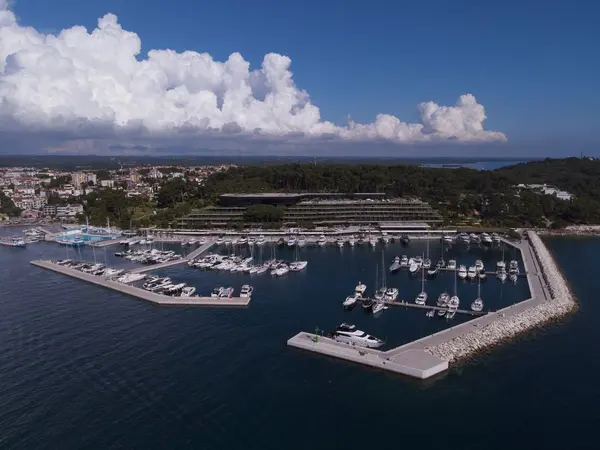
Een stad waar de zee, jachten en de authentieke Istrische sfeer samenvloeien tot een perfecte combinatie. Wandel over de kade, drink een koffie terwijl je naar de boten kijkt en voel het echte mediterrane levensritme.
Korte feiten: De jachthaven beschikt over meer dan 400 ligplaatsen voor jachten tot 40 meter lang, wat haar een van de grootste aan de Adriatische Zee maakt. Het zeilseizoen begint hier in maart en duurt tot november, en elk jaar passeren er meer dan 10.000 zeilers van over de hele wereld.
Hoogtepunten: 's Nachts verandert de kade in een natuurlijk podium waar de lichten van de jachten een vuurwerk van kleuren op het water creëren, en het geschreeuw van de meeuwen weerklinkt tussen de masten. Lokale vissers brengen elke ochtend om 6 uur hun verse vangst direct naar de steiger, zodat de geur van zee en verse vis de hele jachthaven voor zonsopgang wekt.
5. Museum of Umag
Duik in het verleden van Umag via voorwerpen die getuigen van de levens van gewone mensen, vissers en olijventelers. Je wandelt door kamers die ruiken naar oude steen en hout, terwijl elke etalage een nieuw verhaal onthult.
Korte feiten: Gevestigd in het hart van de oude stad, bewaart dit museum meer dan 3000 objecten die het verhaal vertellen van 4000 jaar menselijk leven in dit gebied. Bezoekers kunnen alles zien, van antieke amforen uit de Romeinse tijd tot gereedschap voor de verwerking van olijven dat eeuwen geleden werd gebruikt.
Hoogtepunten: Een van de meest indrukwekkende objecten is een volledig bewaard gebleven Etruskische bronzen weegschaal uit de 4e eeuw voor Christus, het enige exemplaar van dit soort aan de Adriatische Zee. Wanneer je haar in handen neemt, voel je het gewicht van de geschiedenis: de wijzer wijst nog steeds nauwkeurig, alsof ze gisteren is gemaakt.
6. Savudrija Lighthouse
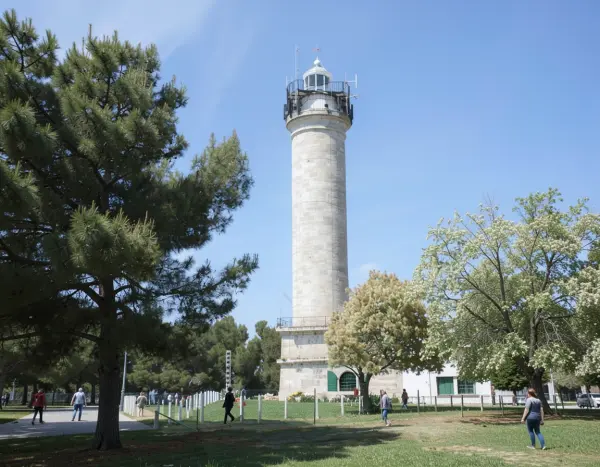
Stap op de oudste vuurtoren van de Adriatische Zee en voel de adem van de geschiedenis bij het ruisen van de golven. Vanaf de top aanschouw je een zonsondergang die drie landen goud kleurt.
Korte feiten: Het is de oudste actieve vuurtoren aan de Adriatische Zee en zijn licht scheen voor het eerst in 1818. Elektriciteit kreeg hij pas in 1960 en tot die tijd werd hij onderhouden door drie vuurtorenwachters die elkaar afwisselden in diensten van acht uur.
Hoogtepunten: De steen voor de bouw werd per schip aangevoerd uit de steengroeve op het eiland Brač, dezelfde waarvan ook het paleis van Diocletianus in Split is gebouwd. Vanaf een hoogte van 36 meter heb je uitzicht op drie landen tegelijk: Kroatië, Slovenië en Italië, en op heldere dagen zijn zelfs de contouren van de Alpen zichtbaar.
7. Umag City Beach
Stel je een strand voor met kristalhelder water midden in het hart van de stad. Je wandelt over de promenade langs de kust, springt van de rotsen op het zand en ververst jezelf met een cocktail uit de nabijgelegen bar.
Korte feiten: Het strand strekt zich uit over bijna twee kilometer langs de kust en de geleidelijke toegang tot het water maakt het ook voor de jongste zwemmers veilig. Het is bekroond met de Blauwe Vlag voor de zuiverheid van de zee en de kwaliteit van de service, wat een bevestiging is van de hoge standaard.
Hoogtepunten: Aan het ene uiteinde van het strand bevindt zich een oude stadsmuur die rechtstreeks in zee afloopt en zo een natuurlijk zwembad vormt waar kinderen zich urenlang vermaken. Bij zonsondergang verandert de lucht boven het strand in tinten van oranje en paars, terwijl het licht over het wateroppervlak speelt en een beeld creëert dat weinig stadsstranden kunnen bieden.
8. Kanegra Beach
Een stad waar een dennenbos de zee kust en het grind onder je voeten verhalen vertelt over vissers van eeuwen geleden. Ruik de geur van dennenhars terwijl de golven zachtjes de kust voor je wassen.
Korte feiten: Met een breedte van 25 meter en een lengte van meer dan 300 meter is dit kiezelstrand een van de ruimste aan de Istrische kust. Jaarlijks trekt het meer dan 150.000 bezoekers die komen vanwege de kristalheldere zee en de natuurlijke schaduw van het dennenbos dat zich bijna tot aan het water uitstrekt.
Hoogtepunten: De bijzonderheid van dit strand ligt in zijn visserserfgoed: lokale vissers trekken ook vandaag de dag nog hun kleine boten op het grind, precies op de plek waar hun overgrootvaders dat deden. De geur van dennenhars vermengd met zoute lucht creëert een uniek aroma dat je op geen enkel ander strand in Istrië zult ruiken.
Where to Stay in Umag, Croatia
Selected by City Buddy based on guest reviews and proximity to top attractions
Search all hotels in Umag, CroatiaPowered by agoda
Openingsdagen in Umag, Croatia
Welke van de topbezienswaardigheden op welke dag van de week gesloten zijn, de klassieke reisverpester, voor u gecontroleerd.
maandag: 1 van de 7 topbezienswaardigheden gesloten, plan musea dus voor een andere dag.
Gesloten op maandag · 1 gesloten, 6 geopend
Openingsdagen van Google Maps (gecontroleerd op 2026-08-11). Feestdagen, stakingen en seizoensuren kunnen verschillen, check de officiële website voordat u gaat.
Traditionele zoete gerechten

Fritule
These small fried dough balls are infused with rum and citrus zest, often dusted with powdered sugar. They are a beloved Christmas and carnival treat throughout the Istrian region.

Kroštule
These thin, crispy fried pastry ribbons are twisted into elegant shapes and dusted with powdered sugar. They are a staple at Croatian celebrations and are said to have been brought to the region by Venetian traders.

Fritaja s Asparagusom
While technically a savory omelet in many places, in Umag this wild asparagus frittata is sometimes served as a sweet dish with a drizzle of local honey. The contrast of earthy asparagus and sweet honey is a true Istrian specialty.
Traditionele hartige gerechten

Maneštra
This thick Istrian vegetable and bean soup often contains corn, potatoes, and smoked pork ribs. It is so hearty and beloved that locals say a proper meal is not complete without a bowl of maneštra.

Fuži s Tartufima
Fuži are a unique hand-rolled pasta shape from Istria, and Umag lies near the famous Motovun forest, a prime truffle hunting area. This dish combines the pasta with shaved black or white truffles and olive oil for a rich, earthy flavor.
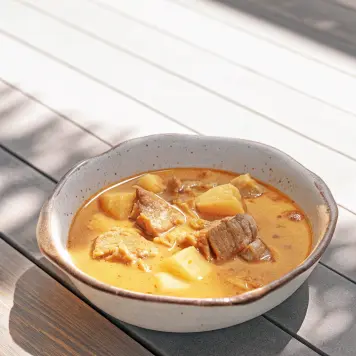
Boškarin Goulash
Made from the meat of the Istrian boškarin, a massive ancient breed of ox that was nearly extinct, this slow-cooked goulash is tender and deeply flavorful. Conservation efforts have brought the boškarin back, making this dish a symbol of Istrian heritage.
Traditionele dranken
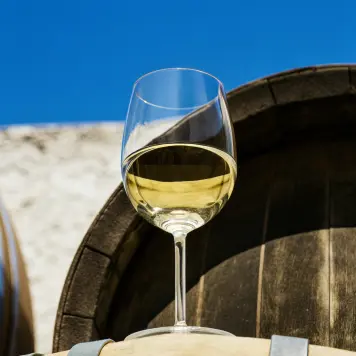
Malvazija (Malvasia) Wine
This is the signature white wine of the Istrian peninsula, with a rich history dating back to ancient Greek settlers. It pairs perfectly with seafood and truffle dishes and has a distinctive floral and nutty character.
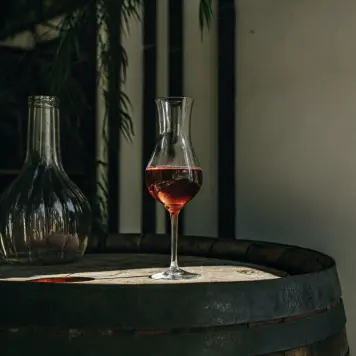
Teran Wine
A bold red wine unique to the Istrian region, Teran is known for its deep ruby color and high iron content. Legend says it was a favorite of Roman emperors who prized it for its health benefits.

Biska (Mistletoe Grappa)
This traditional Istrian grappa is infused with white mistletoe berries, giving it a pale yellow color and herbal flavor. It is believed to have medicinal properties and is often served as a digestive after meals.
Veelgestelde vragen over Umag, Croatia
Is Umag veilig voor toeristen?
Wat is de beste tijd om Umag te bezoeken?
Hoeveel dagen zijn voldoende voor een verblijf in Umag?
Is Umag duur voor toeristen?
Hoe verplaatst u zich in Umag?
Ontvang een PDF met de populairste attracties in je e-mail
Ontvang een PDF met alle attracties, beoordelingen en tips. Perfect voor offline gebruik.
Meest populaire dagtochten
Poreč
Historic town with UNESCO-listed Euphrasian Basilica and Roman ruins
Pula
Home to the well-preserved Roman Pula Arena amphitheater
Trieste, Italy
Italian border city with Habsburg architecture and seafood cuisine
Er komen
Treinstations
Local line to Buje and Kopar
Main line connecting Istria to Slovenia
The nearest major airport is Pula (PUY), about 1 hour by car. A rental car is highly recommended for exploring Istria.
Nuttige informatie voor Umag, Croatia
Overzicht voor Umag, Croatia
Wil je een dag-voor-dag plan voor Umag, Croatia? Open de reisplanner
Wanneer ga je naar Umag, Croatia?
Kies je data en reisstijl om te krijgen:
Zijn er dingen die voor jou extra belangrijk zijn?
Selecteer alles wat van toepassing is
Vervoer
Hoe wil je je tussen plaatsen verplaatsen?
Plantaal: Nederlands