 CityBuddy
 Português
O que fazer em Ica, Peru
Foto feita por Asia Culture Center no Pexels.com
Quando visitar
Atrações mais populares em Ica, Peru
Entre as melhores coisas para fazer em Ica, no Peru, está andar nas dunas de areia no Oásis de Huacachina, uma lagoa cercada por montanhas de areia de 300 metros. Visite a Bodega Tacama, a vinícola mais antiga do Peru, fundada em 1540, onde você pode provar pisco e vinho. O Museu Regional de Ica exibe artefatos de 10.000 anos, incluindo cabeças encolhidas.
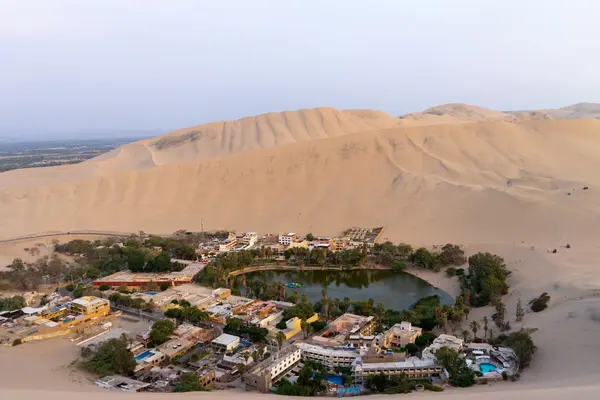
1. Huacachina Oasis
Desça de sandboard por dunas de 300 metros e mergulhe em uma lagoa esmeralda no meio do deserto. Sinta a adrenalina dos buggies voando sobre montanhas de areia antes do pôr do sol pintar tudo de dourado.
Fatos rápidos: Cercada por imponentes dunas de areia que atingem alturas de mais de 300 metros, esta lagoa esmeralda fica no meio do Deserto de Sechura. A lenda local afirma que o oásis foi formado quando uma linda sereia emergiu da água, atraindo homens para seu reino mágico.
Destaques: Após o pôr do sol, as dunas que cercam a lagoa se transformam em um anfiteatro natural onde o vento cria melodias assombrosas à medida que os grãos de areia colidem. Os viajantes podem escalar a duna mais alta ao entardecer e observar o céu mudar de laranja ardente para roxo profundo enquanto as luzes do oásis acendem abaixo.
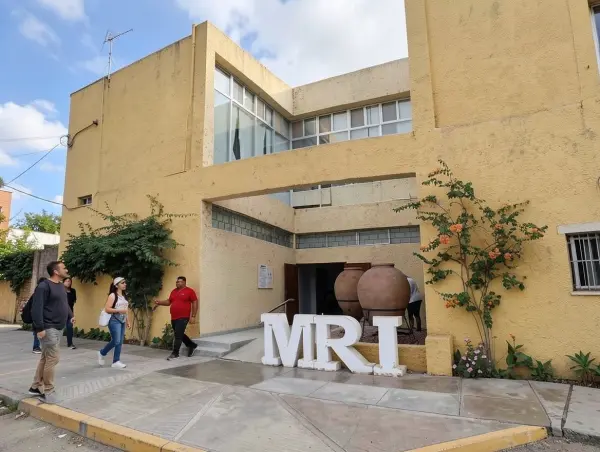
2. Regional Museum of Ica
Veja a maior coleção do mundo de crânios alongados de Paracas e intricadas cerâmicas Nazca sob o mesmo teto. Caminhe por salas repletas de múmias, ourivesaria antiga e têxteis vívidos que dão vida às culturas pré-colombianas do Peru.
Fatos rápidos: O museu protege mais de 10.000 artefatos antigos que abrangem as civilizações Paracas, Nazca e Inca. Crânios alongados da cultura Paracas estão ao lado de cerâmica, têxteis e uma sala dedicada às misteriosas Linhas de Nazca.
Destaques: Uma sala exibe mais de 300 crânios alongados com deformação craniana, alguns ainda preservando vestígios de cabelo e tecido mole após 2.000 anos. Os fardos funerários na sala com temperatura controlada mostram técnicas intrincadas de envolvimento têxtil que preservaram material orgânico por séculos.
3. Bodega Tacama
Beba o melhor pisco do Peru onde a produção de vinho acontece há quase 500 anos sem interrupção. Você vai vagar por pátios cobertos de videiras, ver o engarrafamento manual e provar oito vinhos e piscos diferentes em uma única tarde.
Fatos rápidos: A vinícola mais antiga do Peru produz vinho e pisco desde 1540, sendo uma das vinhas mais antigas das Américas. A vinícola utiliza um sistema de irrigação por gravidade que ainda depende de canais construídos por culturas pré-colombianas há mais de 1.000 anos.
Destaques: Os visitantes podem degustar o premiado pisco da Tacama ao lado de uma oliveira de 400 anos que testemunhou todas as colheitas desde os tempos coloniais. A vinícola ainda fermenta alguns de seus vinhos em enormes ânforas de barro enterradas no subsolo, uma técnica herdada de vinicultores indígenas que confere ao vinho um final distintamente terroso e mineral.

4. Cathedral of Ica
Testemunhe uma das procissões religiosas mais intensas do Peru, onde 40 mil devotos caminham descalços pelas ruas. Lá dentro, você encontrará uma estátua de Cristo com um tom escuro misterioso que os cientistas ainda não conseguem explicar.
Fatos rápidos: Suas torres gêmeas se elevam acima das ruas arenosas de Ica, e a catedral foi reconstruída após um devastador terremoto em 2007 que destruiu grande parte da estrutura original. Os fiéis se reúnem aqui durante todo o ano para venerar o Señor de Luren, uma estátua de Cristo de pele escura que sobreviveu a séculos de desastres naturais.
Destaques: Todo mês de março, uma imensa procissão de vestes roxas carrega o Señor de Luren pelas ruas por 18 horas ininterruptas, atraindo mais de 40.000 devotos que caminham descalços sobre o asfalto quente como sinal de devoção. A estátua original do século XVI sobreviveu ao terremoto de 1746 que nivelou a primeira igreja, mas sua misteriosa tez escura nunca foi explicada por nenhuma análise de pigmento.
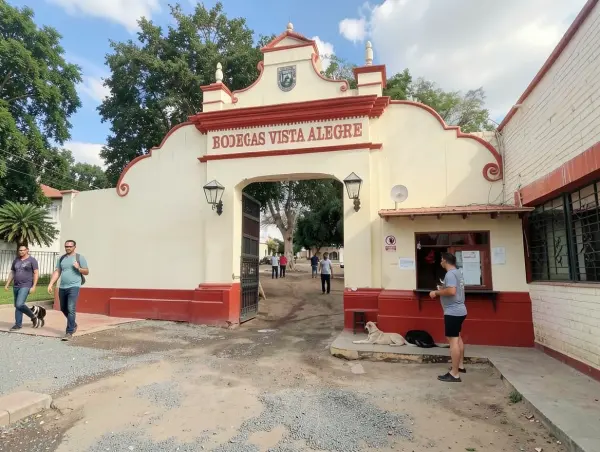
5. Bodega Vista Alegre
Prove o melhor pisco do Peru, onde é produzido há mais de 160 anos. Caminhe por adegas subterrâneas iluminadas por velas e depois saboreie uma seleção de piscos de variedade única direto da fonte.
Fatos rápidos: A vinícola mais antiga em atividade do Peru prensa uvas desde 1857. As adegas subterrâneas da propriedade abrigam mais de 300 barris de carvalho francês, alguns envelhecendo pisco por mais de uma década antes do engarrafamento.
Destaques: Um sistema de túneis subterrâneos de 150 anos, escavado no solo do deserto, mantém os barris a uma temperatura constante de 18°C durante todo o ano sem qualquer refrigeração moderna. Os visitantes podem percorrer esses túneis iluminados por velas e inalar o doce aroma das uvas Quebranta que paira intenso no ar fresco.
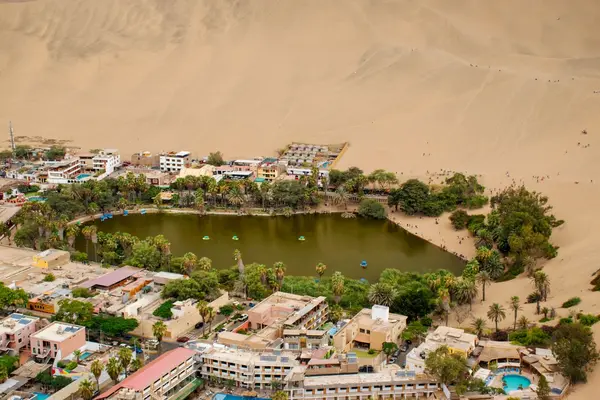
6. Laguna de Huacachina
Em nenhum outro lugar você pode descer dunas de areia de 100 metros em uma prancha e depois se refrescar em uma lagoa do deserto minutos depois. Sinta a emoção dos buggies subindo encostas íngremes em ângulos loucos enquanto o deserto se estende infinitamente ao seu redor.
Fatos rápidos: Um oásis natural rodeado por imponentes dunas de areia que alcançam mais de 100 metros de altura, esta lagoa fica no meio do deserto costeiro peruano. A lenda diz que as águas se formaram a partir das lágrimas de uma princesa de coração partido, misturando mito com um dos últimos oásis naturais remanescentes da América do Sul.
Destaques: Ao pôr do sol, as dunas mudam de dourado para laranja profundo enquanto a lagoa reflete o céu em transformação, criando um efeito de espelho surreal que só se pode testemunhar do topo da duna mais alta. Os praticantes de sandboard locais traçaram seus próprios caminhos por estas encostas durante décadas, descendo a velocidades superiores a 50 km/h apenas com tábuas de madeira enceradas.
7. Bodega Lazo
Beba pisco premiado direto do barril em uma das últimas bodegas familiares de Ica. Percorra pátios ensolarados repletos de ânforas de barro enquanto aprende a arte do destilado nacional do Peru.
Fatos rápidos: Uma operação familiar desde 1920, a vinícola esmaga suas uvas à moda antiga usando uma prensa de pedra de 120 anos. Os visitantes podem provar 12 variedades diferentes de pisco e vinho durante um tour que termina em um pátio sombreado por figueiras centenárias.
Destaques: Os proprietários da terceira geração ainda pisam uvas com os pés durante a colheita, uma tradição visível através das janelas abertas do salão de produção. Cada safra é marcada com rótulos escritos à mão, tornando cada garrafa um item de colecionador único.
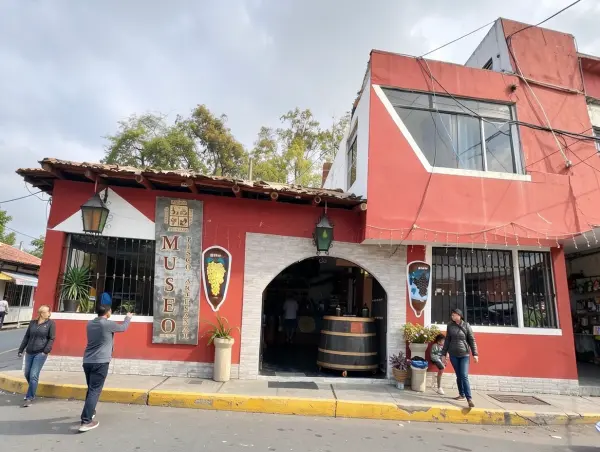
8. Museo del Pisco
Saboreie o destilado nacional do Peru no único museu dedicado inteiramente ao pisco. Você vai provar de tudo, desde o puro Quebranta até as variedades aromáticas Italia, enquanto aprende a arte de preparar o pisco sour na medida certa.
Fatos rápidos: A aguardente de uva emblemática do Peru ganha vida dentro de uma mansão restaurada do século XIX, onde mais de 80 variedades de pisco estão disponíveis para degustação. O museu traça a evolução da bebida desde as técnicas de fermentação pré-colombianas até os métodos modernos de destilação usados em 5 regiões produtoras.
Destaques: Um alambique de cobre original de 1890 fica no centro do salão principal, ainda usado para demonstrações nos fins de semana que enchem o ambiente com o doce vapor das uvas. Os visitantes podem mergulhar suas próprias garrafas de vidro em cera para selar uma mistura personalizada criada a partir de três diferentes piscos de variedade única na estação de blending.
Where to Stay in Ica, Peru
Selected by City Buddy based on guest reviews and proximity to top attractions
Search all hotels in Ica, PeruPowered by agoda
Dias de abertura em Ica, Peru
Quais das principais atrações fecham em qual dia da semana, o clássico estraga-planos, verificado para você.
domingo: 2 de 8 atrações principais fechadas. Planeje museus para outro dia.
Fechado em domingo · 2 fechado, 6 aberto
Dias de abertura do Google Maps (verificado em 2026-06-26). Feriados, greves e horários sazonais podem variar. Verifique o site oficial antes de ir.
Pratos doces tradicionais

Tejas de Ica
Tejas are made from manjar blanco (dulce de leche) mixed with pecans, shaped into a dome, and coated in white sugar icing. They get their name from their teardrop shape, which resembles a roof tile.

Chocotejas
Chocotejas are a chocolate coated variation of the classic teja, filled with manjar blanco and pecans. They have become Ica's most popular gift for visitors to take home.

King Kong de Ica
This giant layered cookie sandwich is filled with manjar blanco, pecan paste, and sometimes fruit jam. It got its name after the 1933 King Kong movie became a hit in Peru and someone remarked the dessert was as big as the gorilla.
Pratos salgados tradicionais
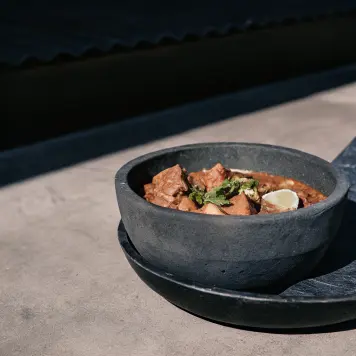
Carapulcra
Carapulcra is a slow cooked stew made from sun dried potatoes (papa seca), pork, peanuts, and Peruvian spices. It is an ancient dish with pre Columbian roots that dates back to the Chancay and Inca civilizations.

Sopa Seca
Despite its name meaning "dry soup," Sopa Seca is actually a flavorful noodle dish cooked in a rich broth with basil, garlic, and aji until the liquid is fully absorbed. It is almost always served alongside a generous portion of carapulcra.
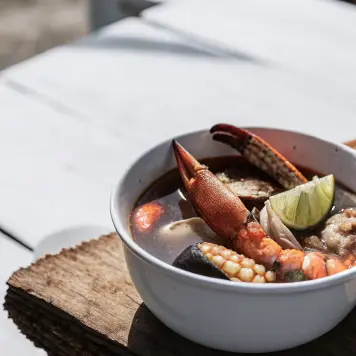
Parihuela
This hearty seafood soup from the Ica coast features a mix of fish, shrimp, crab, and shellfish simmered in a tomato and aji based broth. It is famously served with a side of canchita (toasted corn) and a squeeze of lime.
Bebidas tradicionais

Pisco Sour
Peru's national cocktail was created using pisco, a grape brandy that takes its name from the port of Pisco in the Ica region. The drink combines pisco with lime juice, simple syrup, egg white, and Angostura bitters.
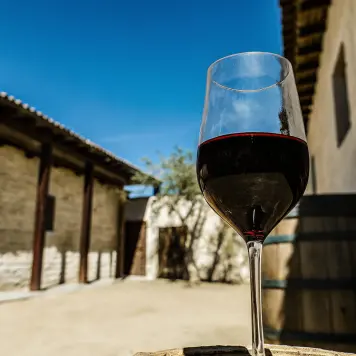
Vino de Ica (Ica Valley Wine)
The Ica Valley is home to Peru's oldest and most prestigious wineries, some dating back to the 16th century. Varietals like Quebranta, Italia, and Tamarugal grapes thrive in the region's dry desert climate.

Chicha de Uva
Chicha de uva is a naturally fermented sweet grape drink with roots in both Indigenous and Spanish winemaking traditions. Unlike wine, it is young and slightly fizzy, often enjoyed during harvest festivals in the Ica countryside.
Saiba antes de ir
Quanto custa um dia em Ica e os golpes para evitar
Custo por pessoa por dia
Principais golpes para evitar
- Motoristas sem licença no terminal. Vá até o ponto de táxi oficial ou reserve pela Uber, TaxiSat ou InDriver. Combine o valor da corrida antes de entrar.
- Furto por distração. Mantenha as bolsas fechadas e à sua frente. Não pare para receber ajuda não solicitada de estranhos.
- Sem preços no cardápio. Peça o cardápio com preços antes de pedir. Confirme o total antes de pagar.
Taxi justo do aeroporto: 30 S/ - 50 S/ (7,5 € - 13 €)
Opção mais barata: Colectivo compartilhado ou ônibus de Pisco para Ica, chegando ao terminal rodoviário principal no centro de Ica. (5 S/)
Todos os golpes, preços justos e regrasPerguntas frequentes sobre Ica, Peru
"Ica, Peru é seguro para turistas?"
"Quantos dias devo passar em Ica, Peru?"
"Qual é a melhor época para visitar Ica, Peru?"
"Visitar Ica, Peru é caro?"
"Como me locomover em Ica, Peru?"
Receba um PDF com as atrações mais populares no seu e-mail
Receba um PDF com todas as atrações, avaliações e dicas. Perfeito para uso offline.
Passeios de um dia mais populares
Huacachina
Famous desert oasis with sandboarding and dune buggy rides
Paracas National Reserve
Coastal desert reserve with dramatic cliffs and wildlife
Ballestas Islands
Sea lion colonies and seabirds, called the Poor Man's Galapagos
Nazca Lines
Ancient geoglyphs best viewed by small plane flight
Como chegar
Aeroportos
Estações de trem
No train service to Ica. Long-distance buses are the primary option.
Fly into Lima (LIM), then take a 4-5 hour bus from Lima's Estacion Grau terminal to Ica. Direct buses run frequently.
Informações úteis para Ica, Peru
Visão geral de Ica, Peru
Quer um plano dia a dia para Ica, Peru? Abra o planejador de viagem
Quando você vai para Ica, Peru?
Escolha suas datas e estilo de viagem para receber:
Algum destes é especialmente importante para você?
Selecione todos que se aplicam
Como se locomover
Como você quer se deslocar entre os lugares?
Idioma do plano: Português