 CityBuddy
 Svenska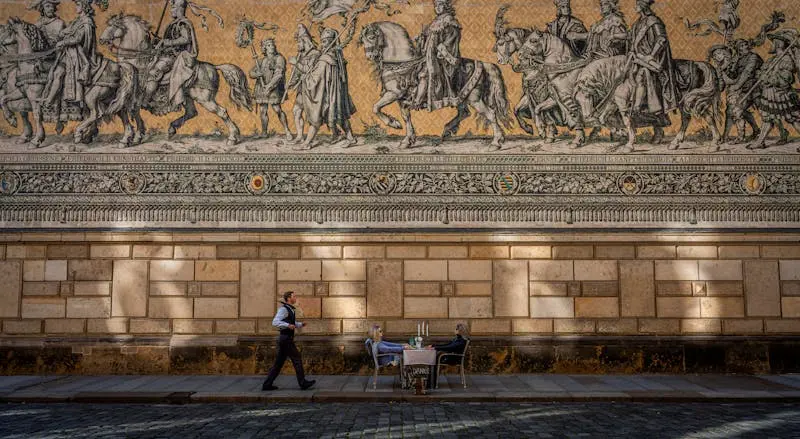
Saker att göra i Dresden, Germany
Foto taget av Duc N. på Pexels.com
När ska man besöka
När ska du åka till Dresden, Germany?
Välj dina datum och resetyp för att få:
Är något av detta särskilt viktigt för dig?
Välj alla som gäller
Plan language: SvenskaMest populära attraktioner i Dresden, Germany
For spectacular things to do in Dresden, Germany, begin at the Zwinger Palace, a Baroque masterpiece whose crown gate and sprawling courtyard host Old Masters paintings including Raphael's Sistine Madonna. Steps away, the reconstructed Frauenkirche Dresden rises with its 96-meter sandstone dome. Music lovers should book tickets for the Semperoper Dresden, a 1,300-seat opera house on the Elbe's bank.
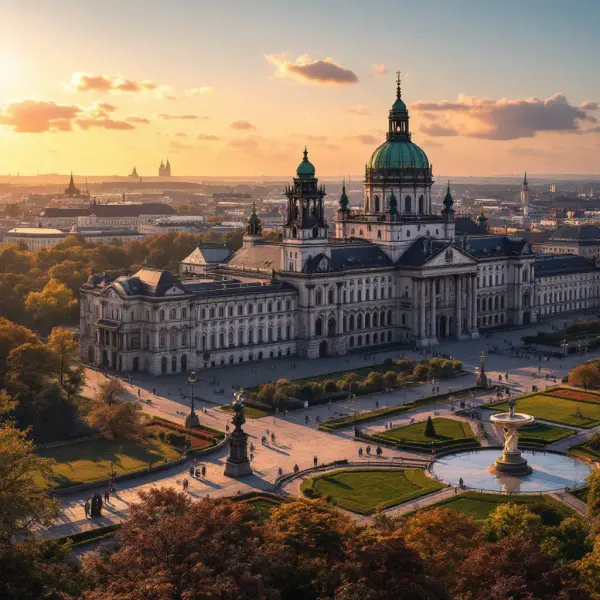
1. Zwinger Palace
A Baroque palace courtyard wrapped in delicate stone galleries and filled with over a million porcelain treasures. Wander through airy arcades, discover the famous "Sistine Madonna," and watch light dance across the fountains at golden hour.
Snabba fakta: Zwingerns svängda barockgallerier rymmer över en miljon porslinsföremål och utgör en av de största porslinssamlingarna på jorden. Dess enorma innergård var en gång värd för praktfulla hovfester med hundratals lyktor, orkesterframträdanden och till och med mekaniska fontäner som sprutade vin.
Höjdpunkter: Ställ dig i kronportspassagen och klappa händerna en gång: valvets perfekta akustik skickar tillbaka ljudet som ett skarpt, tydligt eko som nästan känns övernaturligt. Detta var medvetet designat av arkitekten Matthäus Daniel Pöppelmann för att förstärka kungliga kungörelser och musik under festligheter på innergården.
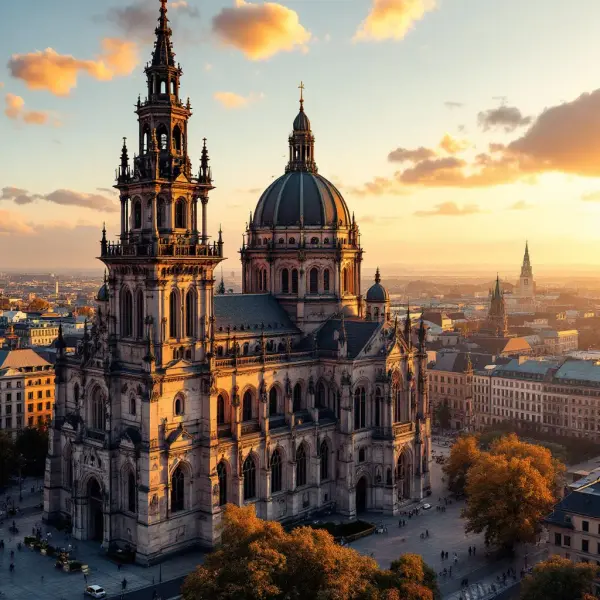
2. Frauenkirche Dresden
Faithful reconstruction from a pile of 8,400 numbered rubble stones makes this a living monument to peace. Inside, the kaleidoscope of pastel colors from the 360-degree balcony and glowing golden altar will stop you mid-stride.
Snabba fakta: Över 9 500 ton sandsten användes för att återuppbygga denna kyrka efter dess förstörelse under andra världskriget, där 8 400 originalstenar noggrant numrerades och återanvändes. Den karaktäristiska 96 meter höga kupolen, som hålls samman av järnband smidda av en lokal smed, överlevde 200 bombträffar innan den kollapsade på andra dagen av brandbombningarna.
Höjdpunkter: Titta noga på ytterväggarna så ser du mörka, brända stenar bredvid ljusa nya, en medveten "stennosaik" som berättar historien om förstörelse och återfödelse. Ett ensamt kors högst upp på kupolen smiddes av spikar som återfanns i ruinerna av en brittisk smed vars far var bombpilot under andra världskriget, en stillsam gest av försoning.
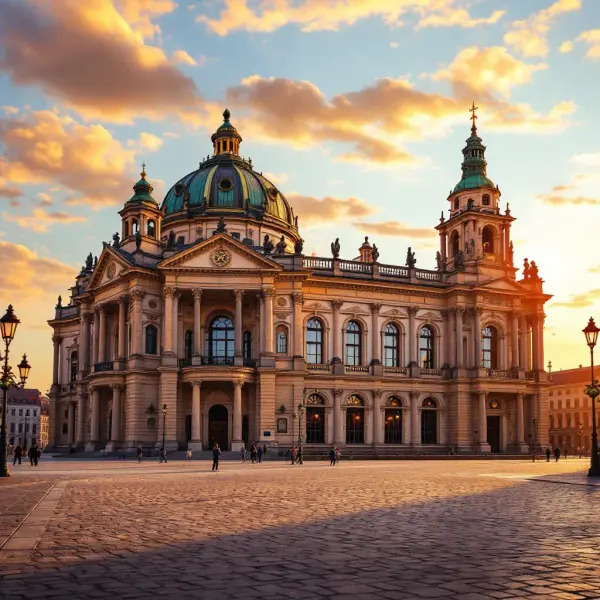
3. Semperoper Dresden
Watching an opera here means sitting inside one of the world's most acoustically perfect halls, rebuilt from ashes twice over. You will hear every breath of the singers and every bow stroke from any of the 1,300 seats.
Snabba fakta: Två massiva bränder och bombningen 1945 har var för sig reducerat detta operahus till ruiner, men varje gång återuppbyggde Dresdenborna det med smärtsam precision. Arkitekten från 1841 designade medvetet auditoriet så att det skulle vara osynligt från utsidan, så att musiken och föreställningen blir den fullständiga upplevelsen.
Höjdpunkter: Inne i auditoriet svänger de terrasserade sittplatserna som ett jättelikt snäckskal i fem graciösa ringar, och från varje enskild plats av de 1300 stolarna ser du scenen tydligt. Det ursprungliga 1800-talsventilationssystemet använde dolda skorstenar som löper genom byggnadens kärna och drar ut varm luft utan ett ljud, så att inget fläktbrus någonsin avbryter ett pianissimo-parti.
Har du hört talas om gratis guidade vandringar?
Efter att ha rest till över 30 länder finns det en sak jag önskar att någon hade berättat för mig från början, och det förändrade helt hur jag upplever nya städer.
Gratis guidade vandringar. Ja, faktiskt gratis. Ingen kreditkort krävs. Inga fångster.
Lokal guide, 2-3 timmar
Stora sevärdheter, dolda pärlor, lokala historier
100% dricksbaserat
Guider tjänar endast dricks, så de ger sitt absolut bästa
Du ger dricks efter eget tycke
I slutet ger du bara dricks efter eget tycke
Jag har gjort dessa i dussintals städer och de har varit höjdpunkten på nästan varje resa. Om du besöker Dresden, Germany, gör detta din första dag. Du kommer att tacka mig senare.
4. Fürstenzug
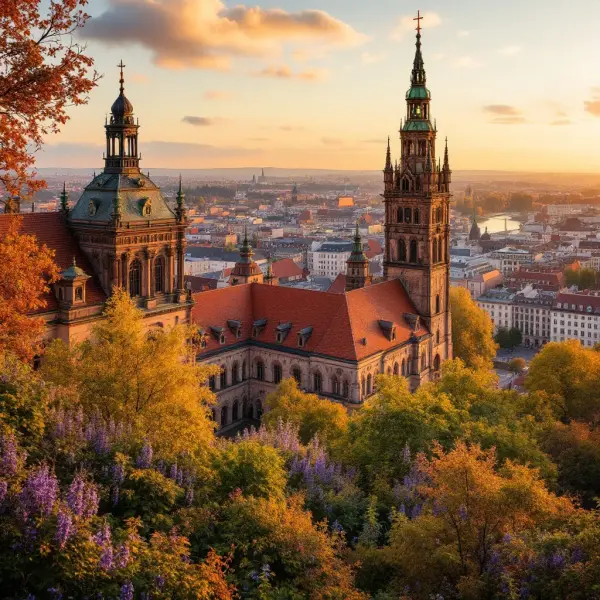
Nowhere else in the world will you find the largest porcelain artwork ever made, spanning an entire city block. Walk alongside 24,000 hand-painted Meissen tiles depicting nearly a thousand years of royal history.
Snabba fakta: Med sina 102 meter över väggen på Dresdens kungliga slott är denna porslinsprocession dekorerad med 93 naturtrogna figurer på cirka 24 000 Meissen-porslinsplattor. Varje figur representerar en Wettin-härskare eller framstående person, som marscherar kronologiskt från 1100-talet till början av 1900-talet.
Höjdpunkter: De flesta besökare lägger inte märke till att keramikplattorna faktiskt överlevde Dresdens brandbombning 1945 nästan helt intakta, medan hela palatset runt dem rasade. Plattorna behövde endast en varsam rengöring med vatten för att avlägsna sot och framträdde som en av få ursprungliga ytor från före kriget som fortfarande är synliga i staden idag.
5. Brühl's Terrace
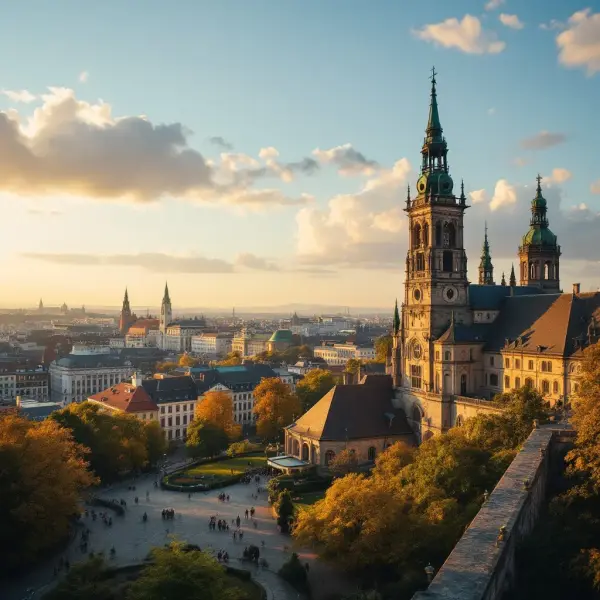
Nowhere else in Dresden can you take in the entire city skyline from a single spot. Come for the 180-degree river views, stay for the golden-hour light show on sandstone and spires.
Snabba fakta: Sträckande sig nästan 500 meter längs floden Elbe reser sig denna sandstensplatå dramatiskt över vattnet och erbjuder oavbruten panoramautsikt över hela Dresdens skyline. Lokalbefolkningen kallar den kärleksfullt för "Europas balkong", ett smeknamn myntat av en målare från 1800-talet som fängslades av dess vidsträckta vyer.
Höjdpunkter: År 1814 beordrade en frustrerad general att den medeltida fästningsmur som en gång stod här skulle omvandlas till en offentlig promenad, vilket förvandlade en försvarsbarriär till en av Europas vackraste stadsutsikter. Tre terrakottafärgade trappor, var och en med 74 steg, för besökare upp från flodbankens nivå, och vid soluppgången lyser sandstenen så varm att fotografer slår läger en timme tidigt för att säkra sin plats.
6. Loschwitz Bridge (Blue Wonder)
Blue Wonder
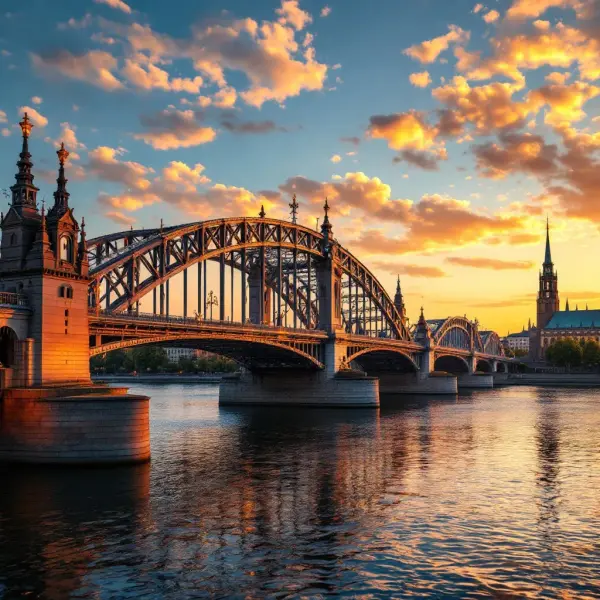
Take a front-row seat to a 130-year-old marvel of engineering that still carries trams and cars daily. Walk or bike across the Elbe while soaking in sweeping views of Dresden's Elbe Valley.
Snabba fakta: Spanning 280 meters across the Elbe River, this steel cantilever truss bridge was the first of its kind in Europe when it opened. Its distinctive blue-green color comes from over 30,000 liters of paint, giving locals the affectionate nickname "Blaues Wunder."
Höjdpunkter: At 141 meters, the central span was so daring for its 1893 construction that engineers required no supporting pillars in the water, a radical first for European bridge building. You can stand underneath at the Loschwitz riverbank and see how the entire 2,500-ton structure hangs together with nothing but rivets and steel tension.
7. Pillnitz Castle
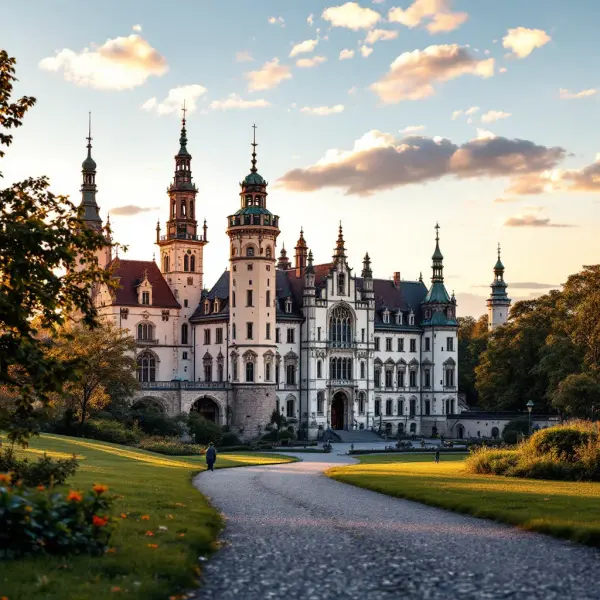
A Chinese-style palace on the Elbe, straight out of a fairy tale. Wander through ornate halls, browse a seasonal flower show in the orangery, then sip coffee on the river terrace.
Snabba fakta: Kinesiska arbetare målade tiotusentals miniatyrscener över slottets väggar med äkta bladguld, en detalj som de flesta besökare går rakt förbi. Slottet ligger direkt vid floden Elbe och dess mark svämmas över flera gånger per årtionde, vilket tvingar personalen att flytta ovärderliga möbler till högre våningar.
Höjdpunkter: Varje sommar förvandlas slottets vidsträckta engelska trädgård till en scen för Europas äldsta folkloristiska båtparad, komplett med dussintals rikt dekorerade fartyg som glider nedför Elbe. Under en julihälg fylls slottets stilla flodängar av kostymklädda artister, traditionell musik ekar över vattnet medan fyrverkerier briserar över tornen.
Where to Stay in Dresden, Germany
Selected by City Buddy based on guest reviews and proximity to top attractions
Search all hotels in Dresden, GermanyPowered by agoda
Traditionella söta rätter

Dresdner Stollen (Christstollen)
This famous fruit bread has been baked in Dresden since the 14th century. The original version was so bland due to Lenten butter restrictions that Saxon nobles had to petition the Pope for permission to use butter.
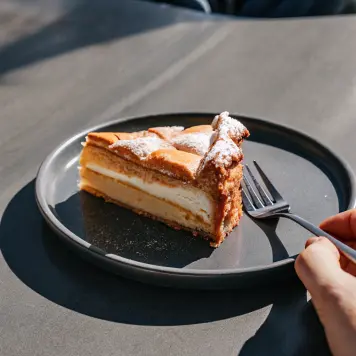
Dresdner Eierschecke
This layered cheesecake has a name derived from "Eierschecke," referring to a type of fabric underskirt, because the cake's layers resemble the ruffled hem of a dress. It features a quark cheese layer, custard, and a thin yeast dough base.

Pulsnitzer Pfefferkuchen
These traditional gingerbread-like spiced cookies come from the Pulsnitz region near Dresden. They are made with honey and a secret blend of spices, and have been baked using traditional recipes for over 400 years.
Traditionella salta rätter

Sächsischer Sauerbraten
Unlike other German versions made with beef, the Saxon Sauerbraten is traditionally made with horse meat, though beef is much more common today. The meat is marinated for several days in a mixture of vinegar, wine, and spices before slow roasting.

Leipziger Allerlei
Despite its name referencing Leipzig, this vegetable medley of peas, carrots, asparagus, and morels originated in the wider Saxony region including Dresden. It was once called "the most expensive vegetable side dish in the world" due to its use of premium ingredients.

Quarkkäulchen
These small fried potato-quark dumplings are a Saxon specialty that can be served savory with sauerkraut or sweet with applesauce and cinnamon sugar. They were a favorite dish of the Saxon royal court in Dresden.
Traditionella drycker

Radeberger Pilsner
Brewed just outside Dresden in Radeberg since 1872, this is one of Germany's most famous pilsner beers. It was the official beer of the Saxon royal court and was even served on the Titanic.

Dresdner Christstollen Punch
This warm winter punch is a beloved treat at the Dresden Striezelmarkt, Germany's oldest Christmas market dating back to 1434. It combines rum, tea, and spices, traditionally served in a festive mug.

Altschadower Fassbrause
This traditional Saxon soft drink is made from a mix of malt, fruit extracts, and spices, creating a slightly fizzy, tangy flavor. It was a popular non-alcoholic alternative in Dresden breweries dating back over 100 years.
Frequently Asked Questions about Dresden, Germany
Is Dresden, Germany safe for tourists?
How many days in Dresden, Germany are recommended?
What is the best time to visit Dresden, Germany?
Is Dresden, Germany expensive for tourists?
How to get around Dresden, Germany?
Få en PDF med de mest populära attraktionerna skickad till din e-post
Få en PDF med alla attraktioner, betyg och tips. Perfekt för offline-användning.
Mest populära dagsutflykter
Meissen (Meißen)
Charming town known for its famous Meissen porcelain and picturesque old town.
Saxon Switzerland National Park
Stunning sandstone rock formations, hiking trails, and the iconic Bastei Bridge.
Leipzig
Vibrant city with music heritage, museums, and a lively cultural scene.
Prague, Czech Republic
Historic capital with Gothic architecture, Charles Bridge, and Old Town Square.
Moritzburg Castle
Fairytale Baroque castle surrounded by a scenic lake and forest.
Rent a car in Dresden, Germany
Att ta sig dit
Flygplatser
Tågstationer
ICE, IC, EC, regional trains to Berlin, Leipzig, Prague, and across Saxony
ICE, regional trains and S-Bahn connections
From Dresden Airport, take tram line 7 or S-Bahn S2 to the city center in about 20 minutes. From the main train station, trams and buses connect to all major attractions.
Hitta flyg till Dresden, Germany
Klicka för att få eSim för Dresden, Germany
Det enklaste och mest prisvärda sättet att få mobilt internet var du än reser.
Användbar information för Dresden, Germany
Översikt för Dresden, Germany
Most popular itineraries for Dresden, Germany
Browse trip plans created by other travelers
Kommentarer (8)
Buy the Dresden City Card if you plan to hit more than 2 museums. Pays for itself and includes transit. Saved us like 20 euros.
The tram system is super easy and runs on time. Download the DVB app for tickets. Way faster than waiting for buses.
The Frauenkirche is incredible but honestly the whole city center felt like a museum piece. Beautiful but didn't feel alive.
Get dinner in Neustadt not Altstadt. Walk across the river. Same quality food for half the price and actual locals eat there.
Mixed feelings. Some parts are gorgeous rebuilt architecture but a lot of construction still going on. Give it 2-3 days max.