City BuddyCityBuddy
English
Stunning view of the illuminated Budapest Parliament and bridge reflecting on the Danube River at night.

3-Day Budapest Spring Highlights

⚖️Balanced Mix
3 daysspring

Experience the best of Budapest in spring with historic sights, relaxing baths, and vibrant local culture.

Loading

Getting around

Budapest's public network runs on a single ticket valid across metro, tram, bus, and trolleybus, so pick up a 72-hour pass at any metro station for the whole trip. Use metro line M2 to reach Buda Castle and the Castle District on day one, then walk between the sights. On day two, tram line 2 hugs the Danube past Parliament toward St. Stephen's Basilica, and metro line M1 takes you to Heroes' Square. Day three is walk-and-ride: metro M4 to Széchenyi Bath, then tram 47 or 49 up to Gellért Hill. Within the historic centre, walking beats transit. For taxis, Bolt and Főtaxi are reliable at roughly $1.2 per kilometer.

Budget Breakdown

$255Trip total · $85 per day

Where to stay tonight

Hotel in Belváros-Lipótváros (central district near Parliament and Danube) $40-70/night

This area offers easy access to public transport and is within walking distance of the castle district, ideal for exploring Budapest.

Search hotels in this area
Where to stay tonight

Hotel in Belváros-Lipótváros (central district near Parliament and Danube) $40-60/night

This area is central for Day 2 sights like Parliament and provides easy access to public transport and nightlife.

Search hotels in this area

Where to stay tonight

Hotel in Belváros-Lipótváros (central neighborhood near the Danube and Parliament) $40-60/night

This central location offers easy access to major sights and convenient transport options for today's activities.

Search hotels in this area

Must-try traditional foods & drinks

What to order in Budapest, Hungary, with a fun fact for each

Traditional Savory Dishes

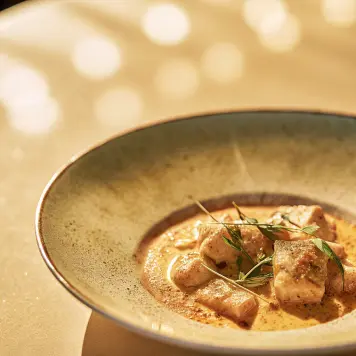
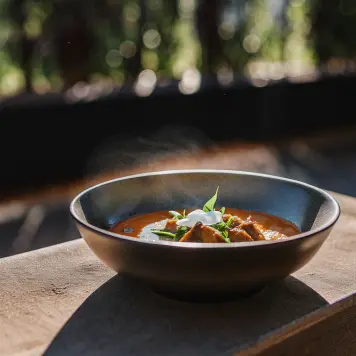
Gulyás

Gulyás

Gulyás began as a portable, one-pot meal cooked by cattle herders called gulyás, and its rich paprika-flavored broth is actually a stew in Hungary but is often served as a soup abroad.

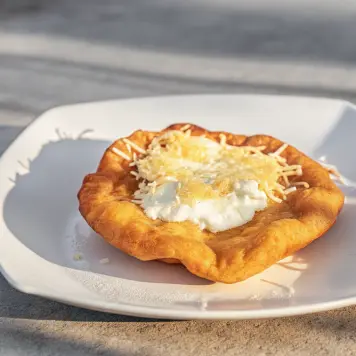
Lángos

Lángos

Lángos started as a way to use leftover bread dough and evolved into a beloved street food, usually fried until puffy and topped with sour cream, cheese or garlic.

Pörkölt

Pörkölt

Pörkölt is Hungary's thick, paprika-forward meat stew, its name coming from the verb pörköl which means to roast, and it relies on slow simmering to create deep, savory flavor.

Traditional Sweet Dishes

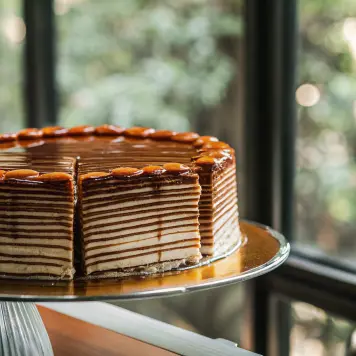
Dobos torte

Dobos torte

Dobos torte was invented by pastry chef József Dobos in 1884 to create a cake with a longer shelf life, and its shiny caramel top doubled as both decoration and a moisture barrier.

Kürtőskalács

Kürtőskalács

Kürtőskalács, or chimney cake, is baked on a spit over charcoal until the sugar forms a crackly caramel crust, and its rolled shape made it a favorite festival treat across Transylvania and Budapest.

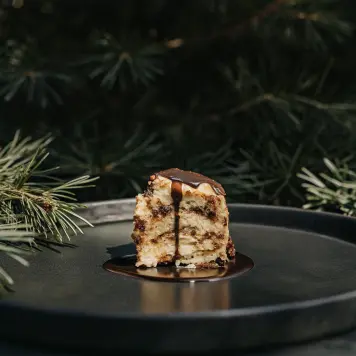
Somlói galuska

Somlói galuska

Somlói galuska is a playful Hungarian trifle made from three types of sponge cake, rum-soaked raisins, walnuts and thick chocolate sauce, and it became a signature national dessert in the 20th century.

Traditional Beverages

Pálinka

Pálinka

Pálinka is a traditional fruit brandy protected by law in Hungary, and its long tradition celebrates regional fruits from plums to apricots in powerful, aromatic distillates.

Unicum

Unicum

Unicum is a bitter herbal liqueur invented by the Zwack family in the late 18th century, and its secret blend of more than forty botanicals is still a guarded family recipe.

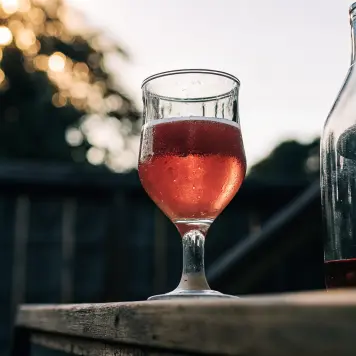
Tokaji wine

Tokaji wine

Tokaji wine, famed for its aszú sweets, is made with grapes affected by noble rot which concentrates sugars, and it earned the praise Vinum Regum, Rex Vinorum, meaning wine of kings, king of wines.

Export Your Trip

Get your trip plan as a PDF with maps and a CSV spreadsheet.

Download PDF

Selected based on proximity to your itinerary attractions and guest reviews

Search all hotels in Budapest

Powered by agoda

Create another trip plan