City BuddyCityBuddy
English
Stunning view of the iconic Mezquita in Córdoba, showcasing its grandeur and historic Islamic architecture.

2-Day Sevilla for Off-the-Beaten-Path Explorers in Spring

⚖️Balanced Mix💎Hidden Gems & Local Spots
2 daysspring

Discover the lesser-known gems of Sevilla in spring, from hidden courtyards and local hangouts to secret viewpoints and underground scenes loved by locals away from the tourist bustle.

Loading

Getting around

By public transport

Sevilla's city centre is compact and mostly pedestrianized, so walking is best between Casa de Pilatos, Jardines de Murillo, the Archivo General de Indias and the food market, all within the historic core. For longer hops, the metro Line 1 reaches the Centro Andaluz de Arte Contemporáneo area more easily than buses, while C3 and C4 Cercanías trains cover the outskirts; a single journey ticket costs around €1.35. Rooftop bars, neighborhood gardens and underground flamenco venues are best reached on foot or by local bus. Cabify, Free Now and Bolt offer rides from roughly €3 to €6 across town, with taxis about €1.2 per kilometer. This fits the trip because public transport is reliable and the centre is walkable; renting a car would only complicate parking in the old town.

Budget Breakdown

$166Trip total · $83 per day

Where to stay tonight

Bed & Breakfast in Alameda de Hércules (vibrant bohemian neighborhood with nightlife and local charm) $50-70/night

Central location close to hidden gems and local hangouts explored today with numerous dining and bar options nearby.

Search hotels in this area
Where to stay tonight

Hotel in Arenal (central neighborhood near the Guadalquivir River) €50-70/night

Well-located to access the city’s main sights and nightlife while being close to the quieter riverfront for relaxation.

Search hotels in this area

Must-try traditional foods & drinks

What to order in Sevilla, Spain, with a fun fact for each

Traditional Savory Dishes

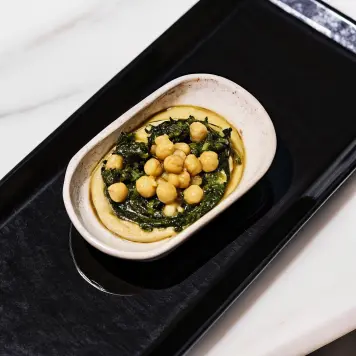
Espinacas con Garbanzos

Espinacas con Garbanzos

A classic Sevillian tapa from the Santa Cruz quarter, this hearty combination of spinach and chickpeas blends Jewish and Moorish culinary traditions and is ubiquitous in local taverns.

Cola de Toro

Cola de Toro

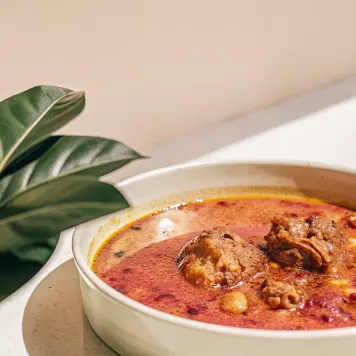
Cola de Toro is a rich, slow-cooked oxtail stew that became associated with post-bullfight meals and Sevillian festivities, prized for its deep, savory sauce.

Pescaíto Frito

Pescaíto Frito refers to various small fish lightly floured and fried, a coastal tradition embraced in Seville where it is a staple at tapas bars and gatherings.

Traditional Sweet Dishes

Torrijas

Torrijas

A traditional Easter treat, Torrijas are slices of bread soaked in milk or wine and egg, then fried and dusted with sugar or honey, with origins in convent and monastery kitchens dating back centuries.

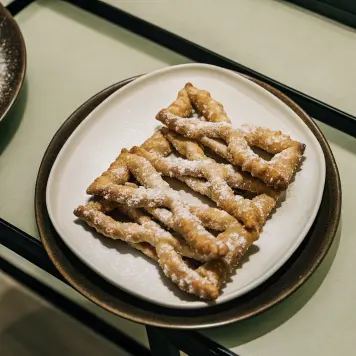
Pestiños

Pestiños

Pestiños are small pieces of dough fried and coated in honey or sugar, traditionally made at Christmas and during Semana Santa, and they reflect Moorish influences in Andalusian pastries.

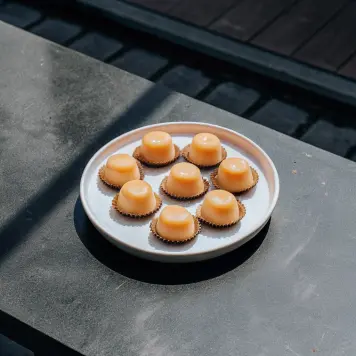
Yemas de San Leandro

Yemas de San Leandro

Yemas de San Leandro are small confections made from egg yolks and sugar, created by nuns in the convent of San Leandro, and they are an emblematic sweet of Seville.

Traditional Beverages

Rebujito

Rebujito

Rebujito mixes fino sherry with sparkling lemonade or soda, it became the signature, refreshing drink of the Seville Feria and is perfect for hot afternoons.

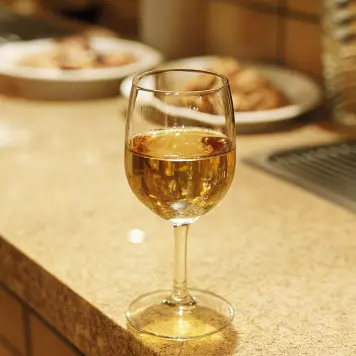
Manzanilla (Fino Sherry)

Manzanilla (Fino Sherry)

Manzanilla is a dry, delicate sherry from nearby Sanlúcar, its slight saline note pairs beautifully with tapas and it is commonly served in Seville's bars.

Cruzcampo

Cruzcampo is a beer brand founded in Seville in 1904, it remains the city's most iconic lager and is widely served in taverns and beer gardens across the city.

Export Your Trip

Get your trip plan as a PDF with maps and a CSV spreadsheet.

Download PDF

Selected based on proximity to your itinerary attractions and guest reviews

Search all hotels in Sevilla

Powered by agoda

Create another trip plan