City BuddyCityBuddy
English
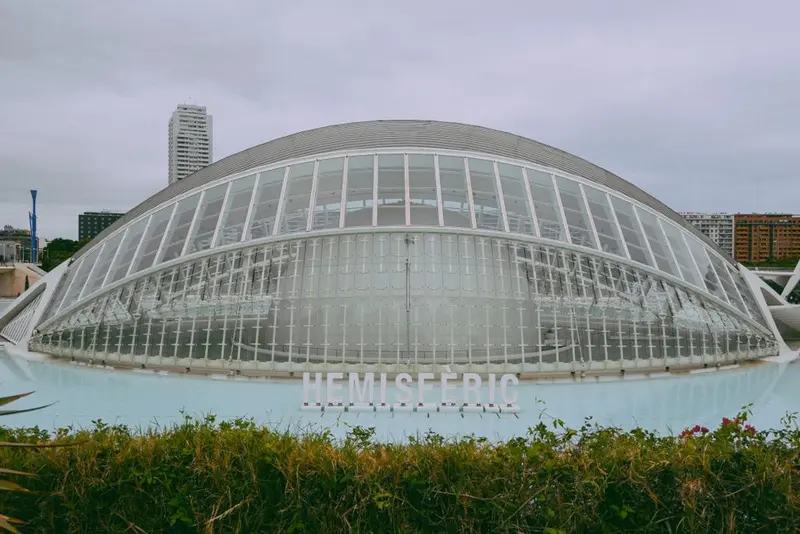
Iconic Hemisferic at City of Arts and Sciences in Valencia, showcasing modern architectural design.

3-Day Valencia Off-the-Beaten-Path Explorer

⚖️Balanced Mix💎Hidden Gems & Local Spots
3 daysspring

Discover Valencia beyond the crowds with hidden courtyards, local hangouts, secret viewpoints, and authentic neighborhood gems in spring.

Loading

Getting around

By public transport

Valencia is well served by public transport and the centre is walkable, so skip the car. On day one, walk El Carmen and Ruzafa, using Metro lines 3, 5, or 7 for longer hops. Day two, take the tram (line 4 or 6) toward the Turia park areas and Monforte, then bus line 95 for scattered stops. Day three, walk from Mercado Central to the paella workshop, take Metro line 5 toward the beach, and finish with the 32 tram along Malvarrosa. A 10-ride Metro/Bus card covers everything. Taxis or apps like Cabify, Free Now, Bolt, or Uber cost about €1.2 per km if needed. A rental car is the alternative.

Budget Breakdown

$236Trip total · $79 per day

Where to stay tonight

Bed & Breakfast in El Carmen (historic neighborhood with charming narrow streets) €40-60/night

El Carmen offers a central location close to historic sights and a local vibe ideal for exploring hidden gems.

Search hotels in this area
Where to stay tonight

Bed & Breakfast in Ruzafa (bohemian neighborhood with lively local culture) €40-60/night

Central to most of today's activities with an authentic vibe and vibrant local scene.

Search hotels in this area

Where to stay tonight

Bed & Breakfast in El Carmen (historic neighborhood full of narrow streets and local character) €50-80/night

Central location for day activities with a lively local atmosphere yet away from mass tourism.

Search hotels in this area

Must-try traditional foods & drinks

What to order in Valencia, Spain, with a fun fact for each

Traditional Savory Dishes

Paella Valenciana

Paella Valenciana

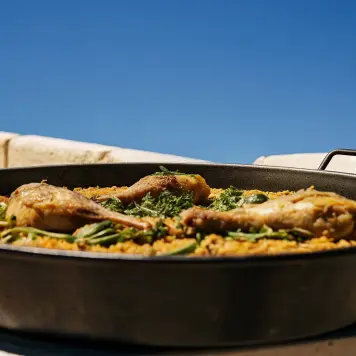
Paella Valenciana is the region's most famous rice dish, made with round rice, rabbit, chicken, local beans and saffron, cooked in a wide shallow pan over an open flame.

Fideuà

Fideuà

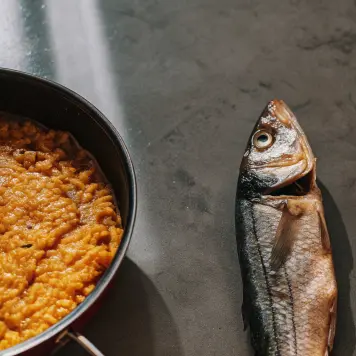
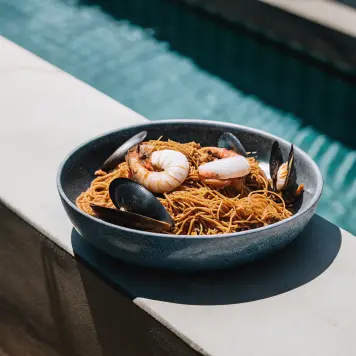
Fideuà is a coastal dish invented by fishermen in the Valencian area, it swaps rice for short noodles called fideos and is typically loaded with seafood and served with allioli.

Arroz a banda

Arroz a banda

Arroz a banda uses rich fish broth to cook the rice while the fish is served on the side, the name literally means rice on the side and it reflects the region's fishing heritage.

Traditional Sweet Dishes

Fartons

Fartons

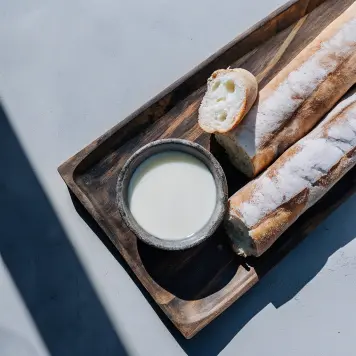
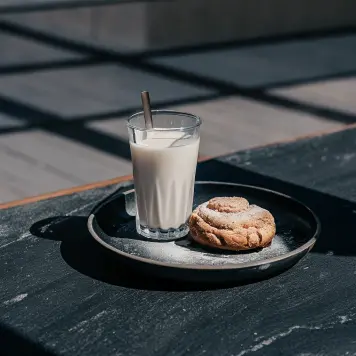
Fartons are elongated, soft sweet buns created in Alboraya to be dipped in horchata, they were designed specifically to soak up the creamy drink and remain light.

Buñuelos de calabaza

Buñuelos de calabaza

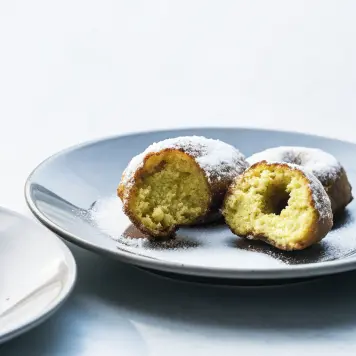
Buñuelos de calabaza are light pumpkin fritters traditionally eaten during Las Fallas, they are served warm and dusted with sugar for a simple festive treat.

Coca de llanda

Coca de llanda

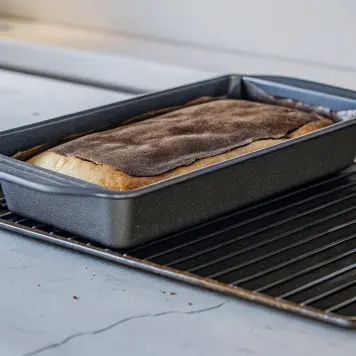
Coca de llanda is a rustic tray-baked sponge cake flavoured with olive oil and lemon, it is a staple in Valencian bakeries and commonly enjoyed for breakfast or merienda.

Traditional Beverages

Horchata de chufa

Horchata de chufa

Horchata de chufa is a refreshing, dairy-free drink made from ground tiger nuts grown around Valencia, it is traditionally served ice cold and often paired with fartons.

Agua de Valencia

Agua de Valencia

Agua de Valencia is a sparkling orange cocktail made with freshly squeezed Valencian orange juice, cava and a splash of spirits, it was created in the mid-20th century and is a local party favourite.

Mistela

Mistela

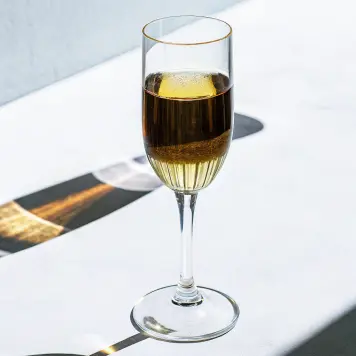
Mistela is a sweet fortified wine made from Moscatel grapes, it is commonly produced in the Valencian Community and enjoyed as a dessert accompaniment.

Export Your Trip

Get your trip plan as a PDF with maps and a CSV spreadsheet.

Download PDF

Selected based on proximity to your itinerary attractions and guest reviews

Search all hotels in Valencia

Powered by agoda

Create another trip plan