 CityBuddy
 العربية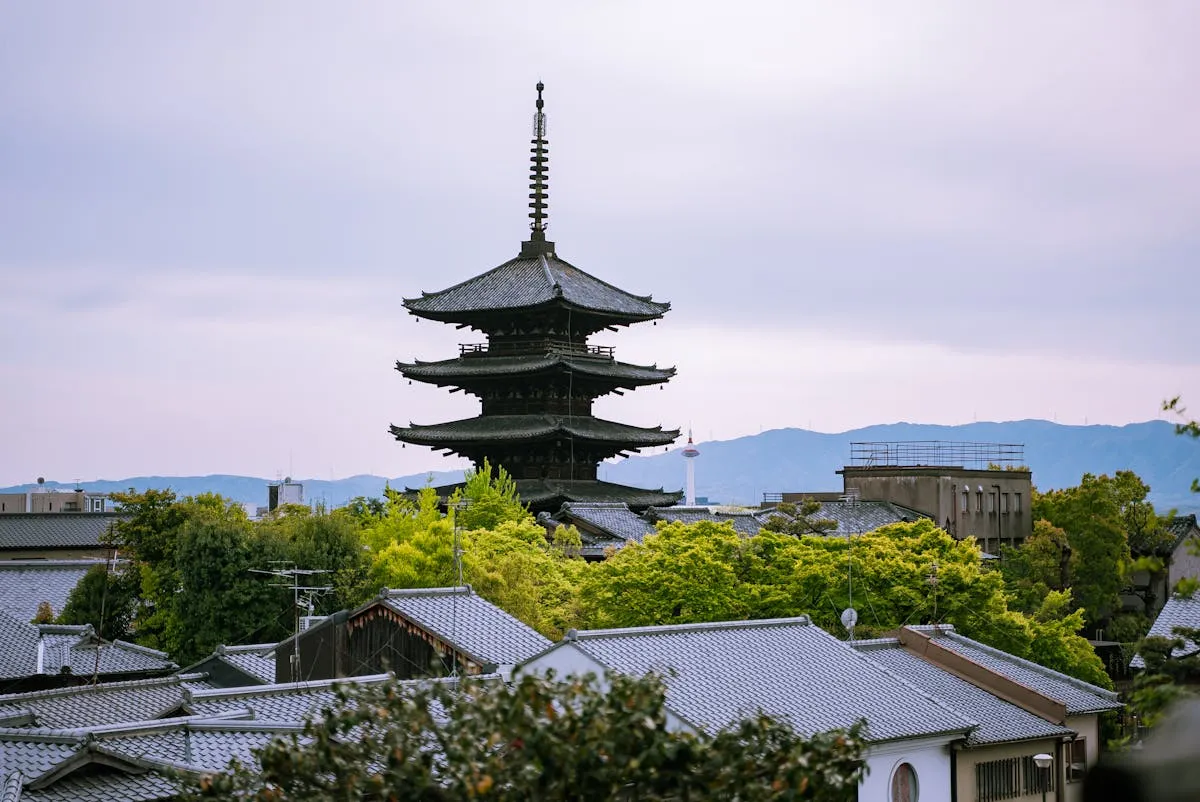
أشياء يمكنك القيام بها في Kyoto, Japan
الصورة من تصوير Satoshi Hirayama على Pexels.com
متى تزور
Kyoto هي #4 أنظف مدينة في العالم، بناءً على بياناتنا عبر مئات الوجهات.
أشهر المعالم في Kyoto, Japan
تشمل الأمور التي يمكن القيام بها في كيوتو، اليابان استكشاف معبد فوشيمي إيناري تايشا الذي يحتوي على آلاف بوابات التوري الحمراء التي تمتد على 4 كيلومترات فوق الجبل. كما يمكن زيارة شرفة خشبية في معبد كيو ميزو-ديرا توفر إطلالات بانورامية على المدينة، والتنزه عبر غابة الخيزران في أرشياما، وهي مسار غابات هادئ محاط بأعمدة الخيزران الشاهقة.
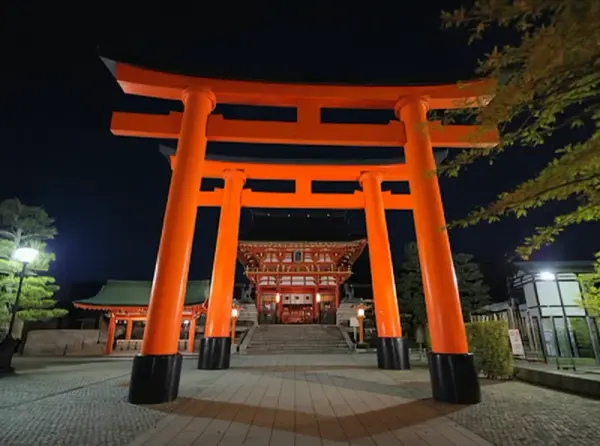
1. Fushimi Inari Taisha (伏見稲荷大社) - famous torii gate mountain shrine
سر بجانب آلاف بوابات التوري الملونة التي تتسلق جبلًا هادئًا مكسوًا بالغابات. استكشف تماثيل الثعالب، وعيون الأضرحة الصغيرة، ونقاط المشاهدة البانورامية على طول الطريق.
حقائق سريعة: الخطو تحت البوابات الحمراء الزاهية يشبه دخول رواق مضيء لا نهاية له، حيث الأعمدة المتكررة وتلألؤات الضوء تحول المشي البسيط إلى جولة سريالية تشبه المشاهد السينمائية. أكثر من 10,000 باب توري فردي تصطف على الطرق، والكثير منها منقوش بأسماء المتبرعين، مما يخلق ظلالاً متغيرة وأصداء خطوات يبحث عنها المصورون والعباد المحليون عند شروق الشمس.
النقاط البارزة: صفوف من بوابات التوري الحمراء تضيق الممر إلى نفق تلو الآخر، آلاف الأعمدة الساطعة مختومة بأسماء المتبرعين بالكانجي الأسود بحيث يتسلل ضوء الشمس عبر خطوط برتقالية محجوبة بينما يعبر نسيم الأرز والبخور الهواء. يتعرج الدرب صعوداً على الجبل لمسافة 233 متراً حتى القمة، وتتخلله تماثيل حجرية متهالكة للثعالب تمسك بمفاتيح صغيرة في أفواهها، وهو تقليد غريب يميز دور كل مزار كحارس للأرز والحظوظ.
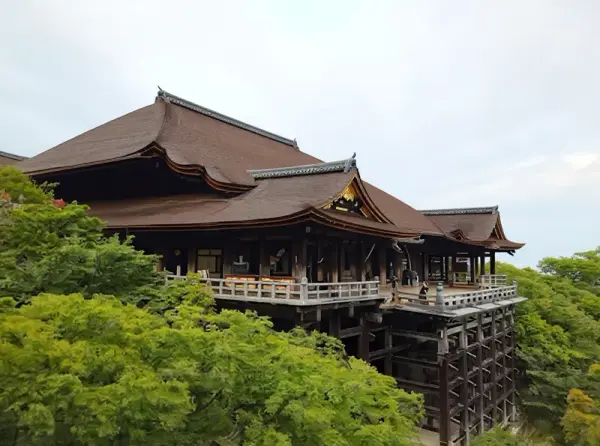
2. Kiyomizu-dera (清水寺) - historic hillside temple with wooden terrace
يقع كيوميزو-ديرا فوق كيوتو، ويقدم عمارة خشبية أيقونية وإطلالات واسعة على المدينة. تمشّ في الشرفة الطويلة، اشرب من ينابيع أوتوا، واستكشف الطرق المضيئة بالفوانيس.
حقائق سريعة: شرفة خشبية عريضة تمتد فوق منحدر حاد، تقدم صوت خطوات تتساقط نحو السماء وإطلالات بانورامية لأشجار القيقب والكرز أدناه. يرمى الزوار العملات نحو شلال مقدس على أمل تحقيق الأمنيات، والأمسيات المضاءة بالفوانيس تغمر المجمع بتوهج دافئ يشبه المشاهد السينمائية.
النقاط البارزة: اخطُ على خشبة معبد التل الخشبية وتشعر بأن الألواح تتحرك قليلاً تحت قدميك، حيث يمتد البناء حوالي 13 مترًا فوق الوادي، مدعومًا بحوالي 139 عمودًا خشبيًا متشابكًا أعيد بناؤه بشكل شهير في عام 1633 تحت حكم توكوغاوا إيميتسو؛ تشم روائح الورنيش القديم وخشب الأرز في الهواء بينما تتحرك النسائم بين الأشجار. أدناه، يتفرع شلال ضيق إلى ثلاثة تيارات ويصطف الزوار مع أكواب معدنية طويلة لارتشاف الماء المعدني البارد: يُقال إن كل تيار يمنح بركة مختلفة، طول العمر، النجاح الأكاديمي، أو حظًا رومانسيًا، ويهمس السكان المحليون أحيانًا أن أخذ الماء من الثلاثة جميعًا يُعتبر سلوكًا غير لائق.
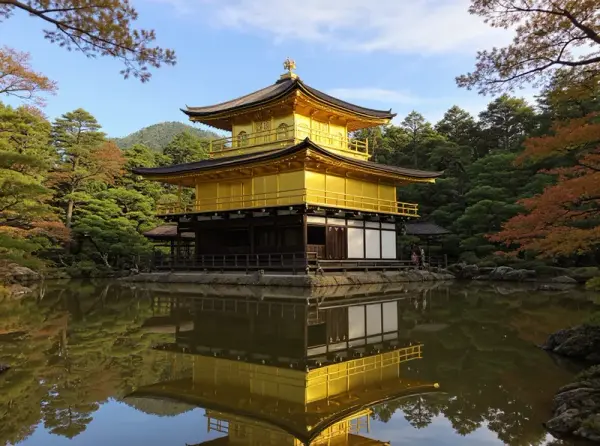
3. Kinkaku-ji (金閣寺, Golden Pavilion) - iconic gold-leaf temple
Golden Pavilion) - iconic gold-leaf temple
جناح من ورق الذهب اللامع على بركة كالمرآة، رمز من رموز جمال كيوتو الراقي. تمشّ في المسارات المعتنى بها، والتقط الانعكاسات المثالية، وشعر بقرون من تأثير الزن.
حقائق سريعة: الأسطح المطلية بالذهب تلتقط أشعة الشمس وتنثر انعكاسات متلألئة عبر البركة، مما يجعل كل صورة تبدو مركبة بعناية. يكشف التقريب عن نسيج ورق الذهب الدقيق وعمل الطلاء اللكري، بينما يكمل الحديقة المحيطة وصوت طحن الحصى الناعم تحت الأقدام المشهد الهادئ شبه المسرحي.
النقاط البارزة: معلومة ممتعة: الطابقان العلويان مغطيان فعلياً بورق الذهب الحقيقي، لذا عندما تضرب الشمس المنخفضة البركة يلمع المشهد بالكامل كالمعدن المصهور وتكسر تموجات الكوي الانعكاس المثالي كالمرآة. بعد أن أشعل راهب المبنى الأصلي في عام 1950، تم إعادة بناء الجناح بعناية في عام 1955 وفق خطة ثلاثية الطوابق من عصر موروماتشي، ولا يزال السكان المحليون يقفون على ممرات الحديقة المغطاة بالطحلب عند الفجر لمشاهدة ذلك الانعكاس المتلألئ.
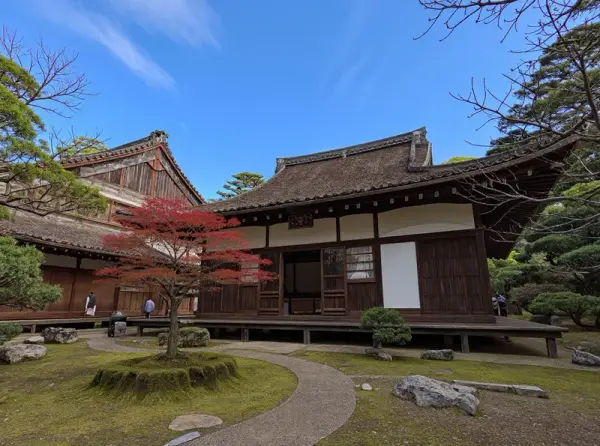
4. Ginkaku-ji (銀閣寺, Silver Pavilion) - Zen temple and moss garden
Silver Pavilion) - Zen temple and moss garden
معبد زن أنيق مع حدائق الطحلب الهادئة وجماليات كيوتو الكلاسيكية. سر في المسارات المتعرجة، وشاهد الجناح الفضي وتل الرمال المنحوت.
حقائق سريعة: يمكنك أن تشعر بلمسة الطحلب الناعمة تحت قدميك بينما تشكل الحصى المنقوشة بدقة وقمة رملية مصقولة تسمى كوجيتسوداي، منظرًا مصغرًا يشجع على المشي البطيء والتأملي. جناح باسم الفضة لم يستقبل أبداً رقائق الفضة؛ أسطحه الخشبية الهادئة ساعدت في ترسيخ الجمالية اليابانية وابي-سابي التي أعادت تشكيل الحدائق اليابانية وثقافة الشاي.
النقاط البارزة: تقليد هادئ هناك يجعل رئيس البستانيين، السيد ساتو، يقود فريقًا من خمسة أشخاص كل ربيع لإصلاح 361 أخدودًا منقوشة بدقة في الرمال الفضية تمثل الأمواج، وهو نمط جرى ترميمه آخر مرة في 2005 بعد أضرار بسبب العواصف. تقول الأسطورة أن الجناح المتكون من طابقين والأنيق لم يُغطَ بالفضة كما كان مخططًا من قبل آشكانا يوشيمسا في 1489، والتباين بين الخشب المطلي باللك ورماد الطحلب الأخضر الزاهي الذي تفوح منه رائحة الحجر المبلل بعد المطر هو ما يفاجئ الناس أكثر.
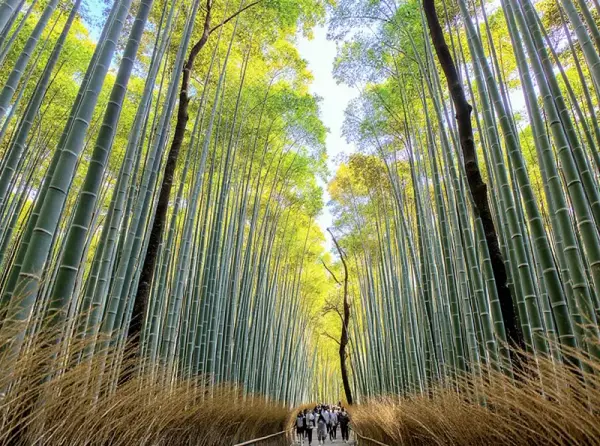
5. Arashiyama Bamboo Grove (Sagano Bamboo Forest) - scenic bamboo walk
سيقان البامبو الطويلة تشكل ممرًا مهدئًا وعالميًا في كيوتو. تمشّ في طريق مظلل من الخضرة الهمس والتقط صورًا درامية بين أعمدة الضوء.
حقائق سريعة: تتراكض سيقان الخيزران الشاهقة على الطريق، وأسطحها المجوفة تُصدر أصواتًا ناعمة تشبه نغمات الآلات الخشبية البعيدة عندما يمر النسيم. أكثر من 500 متر من الممرات المتعرجة تجذب آلاف الزوار يوميًا، ومع ذلك فإن زيارة الفجر غالبًا ما تكافئك بصمت شبه تام وضوء أخضر ياقوتي غريب يتخلل الظل.
النقاط البارزة: سرَ في الممر الضيق الذي يبلغ طوله 500 متر عند الفجر وستشعر بهواء يبرد بينما تتأرجح سيقان الخيزران الشاهقة، بعضها يزيد ارتفاعه عن 20 مترًا، فوقك وتُحدث غناءً مجوفًا معدنيًا عندما يمر الريح عبر السيقان. يقول السكان المحليون أن هذا الصوت يتناغم تمامًا مع عزف وحيد لشاكوهاتشي عند شروق الشمس، وهو تقليد هادئ يحافظ عليه بعض العازفين الذين يفضلون هذا المَوقِع لممارسة التمرين الصباحي.
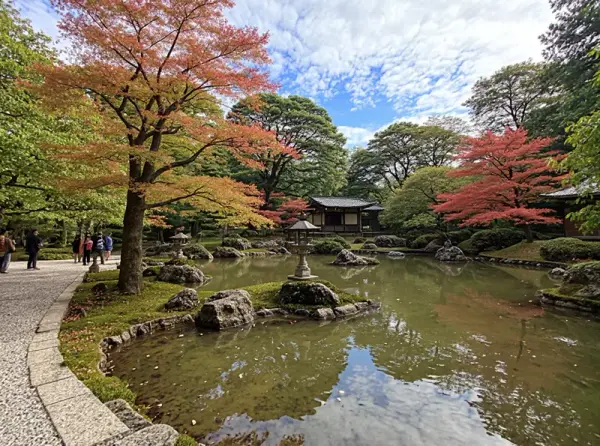
6. Ryoan-ji (龍安寺) - renowned Zen rock garden
حديقة صخرية زن مشهورة عالميًا تعرض التصميم البسيط وقرونًا من الطقوس الهادئة. اجلس على الشرفة الخشبية ودرس الحصى المسحوبة، والطحلب، والحمسة عشر حجرًا الموضوعة بعناية.
حقائق سريعة: اجلس على الشرفة الخشبية المنخفضة وستدرك أن مشهد الصخور والحصى صُمم للدراسة من منظور جلوس وتأمل، حيث المساحة السلبية هي النجمة. التبدلات الدقيقة في المنظور تخفي أو تكشف الحجارة، مما يحول التنظيف الطقسي إلى أداء هادئ وتعبيري وغير متوقع.
النقاط البارزة: مستطيل دقيق من الحصى الأبيض يخفي خمسة عشر حجرًا مرتبة بعناية بحيث من أي مقعد على الشرفة الخشبية، ترى أربعة عشر فقط مرة واحدة، وهو ما يحب الزوار عدّه والنقاش حوله. يجرف البستانيون الحصى كل صباح لتشكيل تموجات تشبه المحيط، ويجعل الطحلب المحيط، والبخور الخفيف، وصوت الصنادل الناعمة، الصمت وكأنه شيء يمكنك أن تدخل فيه.
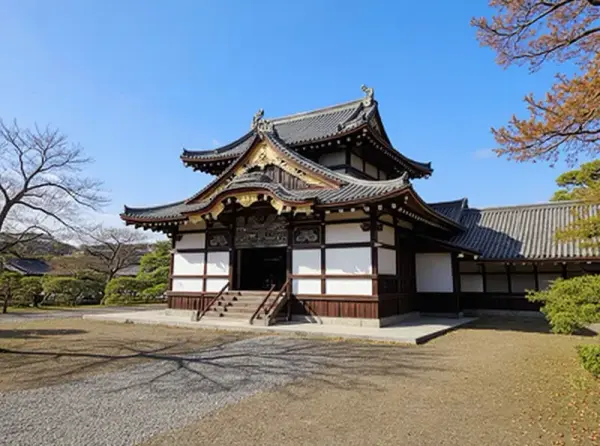
7. Nijo Castle (二条城) - Edo-period castle with nightingale floors
ادخل كيوتو في عصر الساموراي داخل قصر شوغون مزخرف بشكل غني. سر على أرضية عصفور الليل وتأمل الأبواب المنزلقة المرسومة والحدائق المتجولة.
حقائق سريعة: تمش على ممرات خشبية محفورة ستسمع تغريدات لحسية تحت قدميك، خدعة صوتية ذكية كانت تحذّر الحراس من المتسللين. الشاشات المزخرفة والحدائق الممتدة تضفي دراما هادئة؛ فعل سياسي واحد هناك غيّر سلطة البلاد ومسار التاريخ.
النقاط البارزة: خطو بخفة وستصدر الألواح الخشبية طبلة تحت قدميك، همهمة طائرية مشرقة تنتج عندما تحتك الألواح الرقيقة بمشابك نحاسية ومسامير مخفية، بحيث يمكن لخطوة واحدة أن تطلق عدة تغريدات معدنية صغيرة. في قاعة مغطاه بالذهب، أعاد الشوغون الأخير، توكوغاوا يوشينوبو، رسميًا السلطة إلى الإمبراطور عام 1867، مراسم هادئة يكتنفها السكون في المكان الذي وقف فيه.
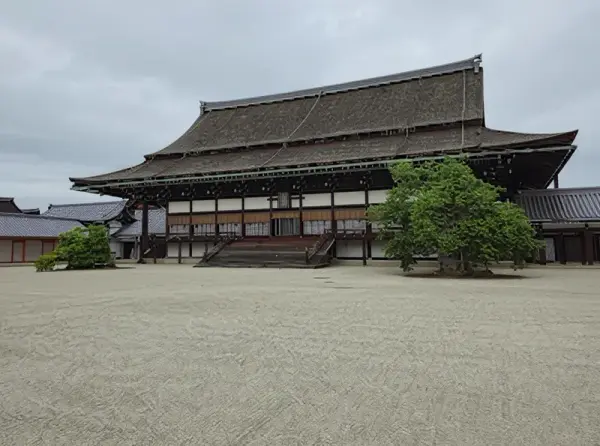
8. Kyoto Imperial Palace (京都御所) - historic residence of the imperial family
ادخل قرونًا من التاريخ الإمبراطوري داخل حدائق محاطة بالأسوار هادئة. استكشف القاعات الخشبية الأنيقة، والمساحات الخضراء الواسعة، وعمارة القصر الراقية على مسار موجه.
حقائق سريعة: عند عبور البوابات الكبرى، يشعر الزائر وكأنّه يدخل لفيفة حيّة، حيث تخلق القاعات المصبوغة، الأعمدة القرمزية، والحصى المهندم جواً من الهدوء الاحتفالي. تكشف الجولات الإرشادية عن تفاصيل مفاجئة: العديد من المباني لا تزال مخصصة للوظائف الرسمية في البلاط، ونسب الموقع تم ضبطها بعناية لتناسب الطقوس التي تحكم الحياة الإمبراطورية اليومية.
النقاط البارزة: خلف الأعمدة القرمزية المصبوغة، ستجد مفاجأة: القاعة الاحتفالية الرئيسية لا تزال تحتضن عرش التتويج الذهبي تاكاميكورا، وهو مقعد مصغر يشبه الضريح مغطى بورق الذهب واللك، كان مركز الاحتفالات التي حضرها مئات من الحاشية. تجول في الحدائق المهندمة وستشم رائحة الصنوبر والحجر المبلل، بينما تلوّن أسماك الكوي البركة برقائق من اللون البرتقالي والأعمدة الخشبية تحت سقف الأرز تصدر صريراً يشابه الصمت الذي كان الحاضرين يسمعونه خلال مواكب عصر هييان.
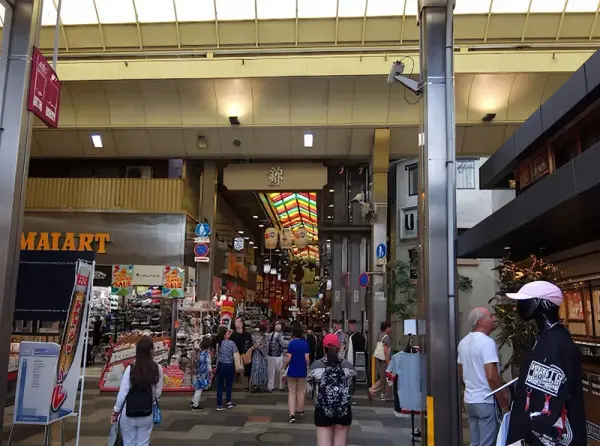
9. Nishiki Market (錦市場) - lively food market in downtown Kyoto
مأدبة حسية من ثقافة الطعام في كيوتو في ممر مغطى حيوي. جرب المأكولات البحرية الطازجة والمخللات والوجبات الخفيفة أثناء الدردشة مع البائعين الودودين.
حقائق سريعة: متاهة من الممرات الضيقة تنبض بالألوان والروائح الشهية، حيث يبيع الباعة كل شيء من المأكولات البحرية المشوية والمخللات إلى الحلويات على طراز كيوتو. يمكن للزوار تذوق عشرات التخصصات الصغيرة في أقل من ساعة، وتستمر الأكشاك العائلية القديمة بحفظ وصفات سرية تم تمريرها عبر الأجيال.
النقاط البارزة: سر على الممر الضيق المغطى وسيقدم لك الباعة سيخ حبار مشوي ساخن، ينبعث منه البخار وطلاء حلو من الصويا، بينما تقدم أكثر من 100 محل صغير المخللات والتوفو الطازج والمأكولات البحرية لتتمكن من تذوق عدة مأكولات خلال نزهة قصيرة. ادخل إلى محل سكاكين أريتسوجو وشاهد حرفياً حاد السكين للطهاة يتم شحذه يدوياً، مع شرارات ورنين المعدن تحت ضوء الفانوس الدافئ، صناعة عمرها قرون لا تزال معروضة يومياً.
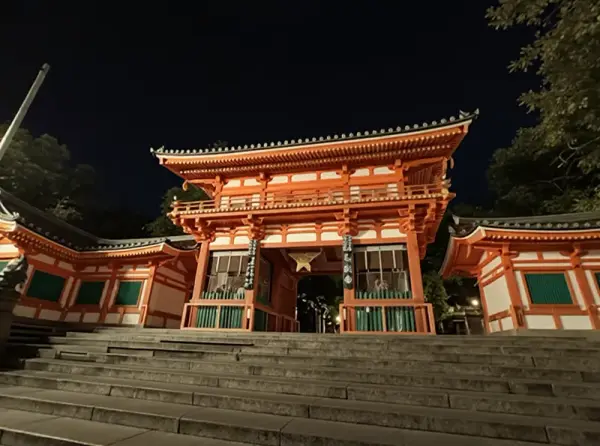
10. Gion District (祇園) - historic geisha district, including Hanami-koji and Yasaka Shrine
ادخل حي الغيشا في كيوتو حيث تحافظ بيوت الشاي الخشبية المضيئة بالفوانيس على قرون من التقاليد. امش في هانامي-كوجي، ولحظ شخصيات مرتدية الكيمونو، وزر معبد ياساكا النابض.
حقائق سريعة: يتوهج ضوء الفوانيس على ماييا الخشبية المصقولة بينما تنساب المايكو على شارع ضيق مرصوف بالحجارة ومحاط بمنازل الشاي، مما يجعل المساء يبدو وكأنه مشهد سينمائي. معبد شنتو نابض بالحياة على الطرف الشرقي من الحي يجذب مواكب صيفية صاخبة وآلاف الفوانيس المعلقة، مما يخلق تناقضًا حيويًا مع الهدوء الراقي لمنازل الشاي في المنطقة.
النقاط البارزة: عند الغسق، تملأ الأرصفة الخشبية الضيقة رائحة ياكيتوري والفحم بينما تلقي فوانيس ورقية حمراء بركًا من الضوء، ويمكنك أحيانًا رؤية المايكو بأزياء كيمونو متعددة الطبقات، ووجهها المدهون بالأبيض وزهور الكانزاشي تلمع بينما تصدر صنادل الخشب صوت نقر على الحجارة. معبد تأسس في عام 656 ميلادي يرسخ مهرجانًا سنويًا في يوليو حيث تسحب فرق من القرويين عربات ضخمة مزينة تسمى يامابوكو، وهو تقليد يعود لقرون يحول الأزقة الهادئة إلى موكب من ضربات الطبول ودخان البخور.
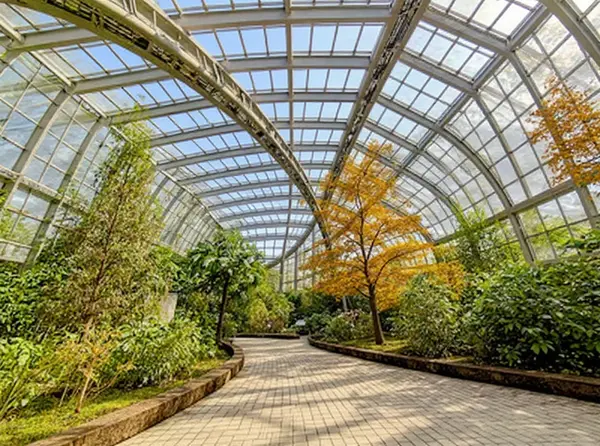
11. Visit Kyoto Botanical Gardens
اكتشف أكثر من 12000 نوع نباتي في حديقة واسعة واحدة. عش تجربة برك الكوي الهادئة ومجموعة الورود المبهرة.
حقائق سريعة: استكشف حديقة تضم أكثر من 12,000 نوع نباتي موزعة على 24 هكتارًا. يتجول الزوار داخل بيت زجاجي عملاق يحوي نباتات استوائية وشبه استوائية، وهو تجربة نادرة في مدينة ذات مناخ معتدل مثل كيوتو.
النقاط البارزة: تتميز الحديقة بحديقة ورود تضم حوالي 700 نوع، مثالية للصور الملونة الزاهية. يعكس بركة هادئة مع أسماك الكوي الخضرة المحيطة، مما يخلق مكانًا هادئًا يقدّره الفنانون والمصورون.
ما يجب حجزه مسبقًا في Kyoto
هذه الأماكن تُباع بالكامل أو تتطلب حجزًا. احجزها أولًا، وبهذا الترتيب.
- 1.Kyoto Imperial Palace (京都御所) - historic residence of the imperial familyاحجز قبل 3 أيامقبل بضعة أيام إلى أسبوع تحقق من التوفر
Where to Stay in Kyoto, Japan
Selected by City Buddy based on guest reviews and proximity to top attractions
Search all hotels in Kyoto, JapanPowered by agoda
أيام الافتتاح في Kyoto, Japan
ما هي أبرز المعالم المغلقة في أي يوم من أيام الأسبوع، المشكلة الكلاسيكية التي تفسد الرحلة، وقد تحققنا منها لك.
الاثنين: 1 من أصل 10 من المعالم البارزة مغلقة، خطط لزيارة المتاحف في يوم آخر.
مغلق يوم الاثنين · 1 مغلق, 9 مفتوح
أيام الافتتاح من Google Maps (تم التحقق في 2026-03-18). قد تختلف العطلات الرسمية والإضرابات وساعات العمل الموسمية، تحقق من الموقع الرسمي قبل الذهاب.
الأطباق الحلوة التقليدية
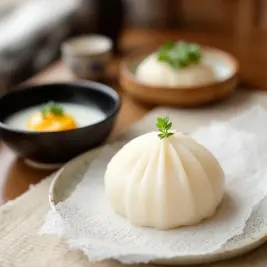
Mochi
Kyoto mochi is traditionally pounded by hand at festivals, producing a glossy, elastic texture that symbolizes good fortune and community spirit.
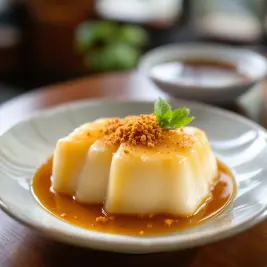
Yatsuhashi
Yatsuhashi is a cinnamon-flavored Kyoto sweet shaped like a folded triangle, and the soft unbaked version wrapped around sweet red bean paste is a must-try local specialty.
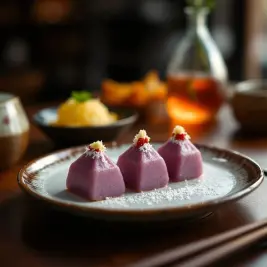
Wagashi
Kyoto wagashi are miniature seasonal landscapes you can eat, crafted to mirror flowers, leaves and festivals and designed to complement the bitterness of matcha during tea ceremonies.
الأطباق المالحة التقليدية
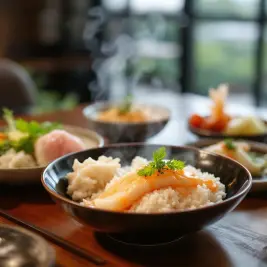
Kaiseki
Kaiseki in Kyoto is a poetic multi-course meal where each dish is arranged like a painting, highlighting one perfect seasonal ingredient and a delicate balance of taste and texture.
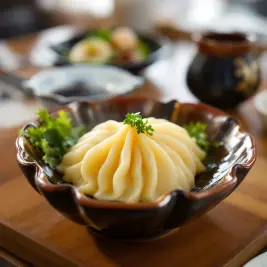
Yudofu
Yudofu is humble simmered tofu served near Kyoto temples, often enjoyed straight from the pot in a kelp-infused broth to celebrate simplicity, purity and the monk's palate.
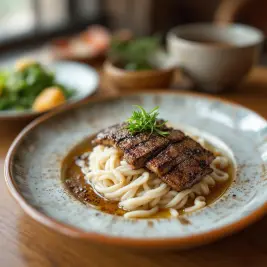
Obanzai
Obanzai is Kyoto's home-style cooking, made from small, seasonal ingredients sourced within the city and prepared with techniques passed down through generations, it embodies sustainable, everyday elegance.
المشروبات التقليدية

Matcha
Kyoto's matcha, especially from Uji, is prized for its bright green color and savory umami, and in the tea ceremony it is whisked into a froth to create a meditative moment of flavor and focus.

Sake
In Kyoto's Fushimi district the soft groundwater creates silky, mellow sake, and centuries-old breweries still use traditional wooden fermentation methods to produce nuanced flavors.
اعرف قبل أن تذهب
كم تكلفة يوم في Kyoto، والاحتيالات التي يجب تجنبها
أبرز الاحتيالات التي يجب تجنبها
- سائقون غير مرخصين بالقرب من المحطات. استخدم موقف سيارات الأجرة الرسمي واركب سيارة أجرة بالعداد؛ تأكد من أن العداد يعمل قبل الانطلاق.
- مروّجون يوجهون إلى مطاعم بعمولات. ارفض دعوات المروّجين في الشارع؛ اختر أماكن تعرض قوائم وأسعاراً عند المدخل.
- أكشاك صرف بأسعار ضعيفة. استخدم أجهزة الصراف الآلي في البنوك بدلاً من ذلك؛ إذا كان يجب عليك صرف النقود، قارن الأسعار مسبقاً وتجنب الأكشاك ذات العد التنازلي.
سيارة أجرة عادلة من المطار: ¥9,000 - ¥15,000 (€51 - €85)
خيار أرخص: قطار هاروكا السريع المحدود إلى محطة كيوتو (¥3,000)
كل عمليات الاحتيال والأسعار العادلة والقواعدالأسئلة الشائعة حول Kyoto, Japan
أفضل وقت لزيارة كيوتو، اليابان؟
هل كيوتو، اليابان آمنة للمسافرين؟
هل زيارة كيوتو، اليابان مكلفة؟
كيف يمكن التنقل في كيوتو، اليابان؟
هل ماء الصنبور آمن للشرب في كيوتو، اليابان؟
احصل على ملف PDF بأشهر المعالم يُرسل إلى بريدك الإلكتروني
احصل على ملف PDF يحتوي على جميع المعالم، التقييمات، والنصائح. مثالي للاستخدام دون اتصال.
أشهر الرحلات اليومية
Nara
Ancient temples and friendly free-roaming deer in Nara Park.
Osaka
Vibrant food, nightlife, and Osaka Castle.
Himeji
Home of Himeji Castle, Japan's best-preserved castle.
Amanohashidate
Scenic sandbar with classic 'view from above' lookout.
كيفية الوصول
المطارات
محطات القطار
JR Tokaido/Sanyo Shinkansen, JR lines, Kintetsu connections
Keihan & Hankyu connections to Kyoto center
From KIX take the JR Haruka limited express or airport limousine bus to Kyoto Station.
معلومات مفيدة عن Kyoto, Japan
نظرة عامة عن Kyoto, Japan
قارن Kyoto مع وجهات أخرى
الأسعار والسلامة والطقس وأبرز المعالم جنبًا إلى جنب، مع توصية لكل نوع من المسافرين.
تريد خطة يومًا بيوم لـ Kyoto, Japan؟ افتح مخطط الرحلة
متى ستذهب إلى Kyoto, Japan؟
اختر تواريخك وأسلوب السفر لتحصل على:
هل هناك أي من هذه الأمور مهمة جداً لك؟
اختر كل ما ينطبق
التنقل
كيف تفضل التنقل بين الأماكن؟
لغة الخطة: العربيةMost popular itineraries for Kyoto, Japan
Browse trip plans created by other travelers
5-Day Relaxed Cultural and Culinary Journey in Kyoto
A comfortable-paced exploration of Kyoto's iconic landmarks, cultural sites, scenic walks, food markets, and local cuisine experiences over five spring days.
2-Day Autumn Exploration in Kyoto's Timeless Beauty
Immerse yourself in Kyoto's autumn charm with a perfect blend of historic temples, scenic walks, vibrant markets, and local experiences that capture the spirit of the season.
3-Day Autumn in Kyoto: Temples, Traditions, and Tranquility
Experience Kyoto's stunning autumn colors with temple visits, traditional experiences, and scenic strolls that capture the city's timeless charm.
4-Day Kyoto for Offbeat Culture and Food Explorers
Discover Kyoto's hidden gems and authentic local experiences through secret viewpoints, neighborhood eateries, ancient sites, and vibrant underground scenes this spring.