City BuddyCityBuddy
English
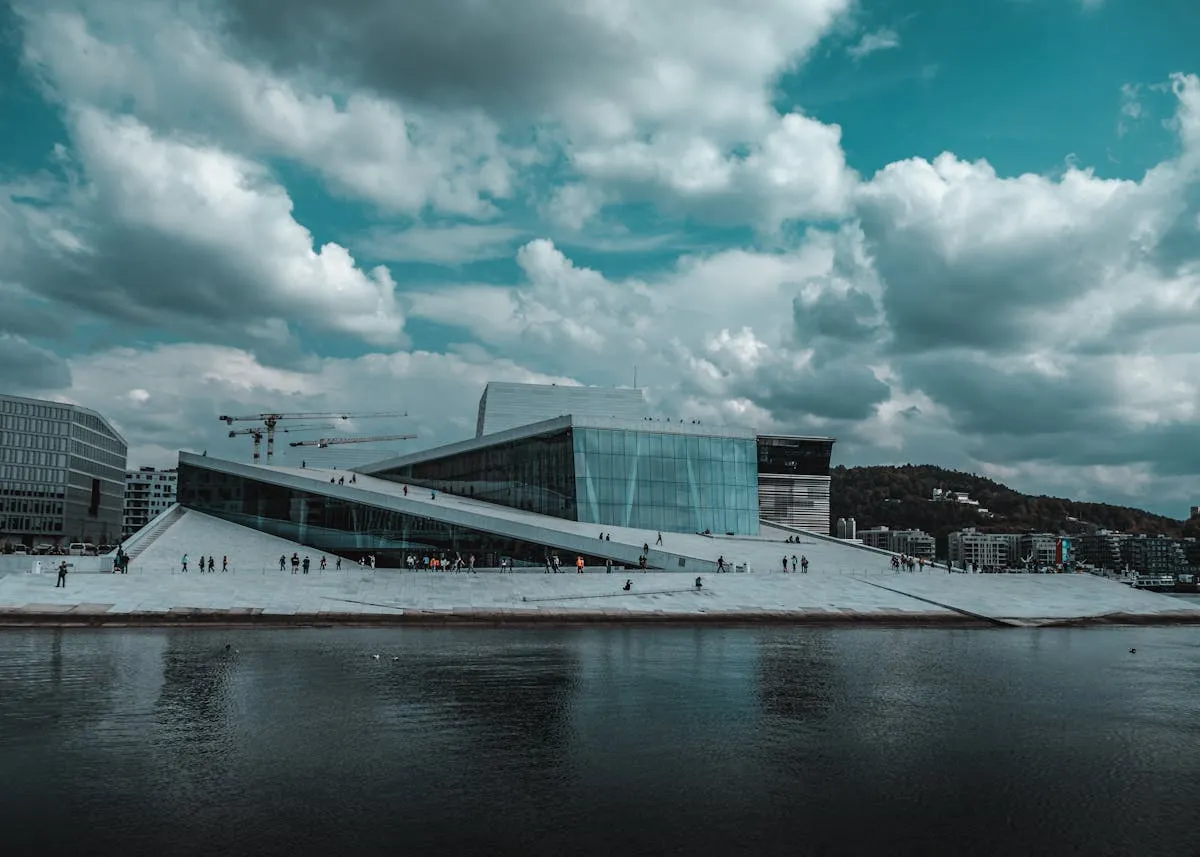
The modern Oslo Opera House with dramatic clouds and waterfront reflection in Oslo, Norway.

3-Day Oslo for the Authentic Explorer

⛰️Hiking & Outdoors⚖️Balanced Mix🎒Budget Travel🏛️Culture & History💎Hidden Gems & Local Spots
3 dayssummer

Discover Oslo beyond the tourist trails with free walking tours, local neighborhoods, cultural gems, scenic hikes, and vibrant street food in this budget-friendly summer adventure.

Loading

Getting around

By public transport

Oslo's compact, walkable centre makes exploring on foot your best bet, especially for the Fortress, Opera House, and street food markets. For longer hops, the Ruter ticketing app covers trams, buses, and the T-bane metro; the 24-hour pass is great value and gets you to Vigeland via tram 12, the MUNCH Museum via the T-bane, and Norsk Folkemuseum via ferry or bus 30. Hop on metro line 1 for Holmenkollen and Ekebergparken, and the 1, 2, or 3 lines toward Grünerløkka. The city's excellent public transport fits this active, budget-friendly trip perfectly. Rental car is the alternative if you want more flexibility beyond the metro network.

Budget Breakdown

$114Trip total · $38 per day

Where to stay tonight

Hostel in Grünerløkka (a vibrant, artsy neighborhood with easy access to central Oslo) $30-60/night

This area offers budget-friendly hostels, local vibe, and proximity to street food markets and green spaces.

Search hotels in this area
Where to stay tonight

Hostel in Grünerløkka (trendy, artsy neighborhood with local vibe) $30-50/night

Grünerløkka is well-connected for today’s cultural sites and offers budget-friendly hostels and authentic local hangouts.

Search hotels in this area

Where to stay tonight

Hostel in Grünerløkka (vibrant artsy neighborhood with easy access to public transport) $30-50/night

Close to the Akerselva River cycling route and well connected for visits to Ekebergparken and Holmenkollen.

Search hotels in this area

Must-try traditional foods & drinks

What to order in Oslo, Norway, with a fun fact for each

Traditional Savory Dishes

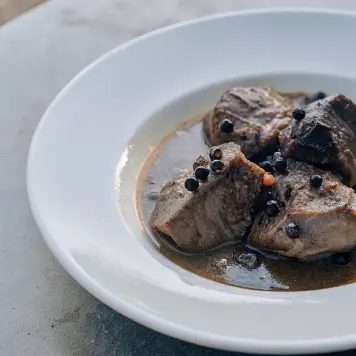
Fårikål

Fårikål

Fårikål is a simple but hearty stew of mutton and cabbage cooked with whole black peppercorns, and Norwegians celebrate it each autumn with a national Fårikål Day. The long, slow simmer gives the dish a deep, comforting flavor that marks the start of harvest season.

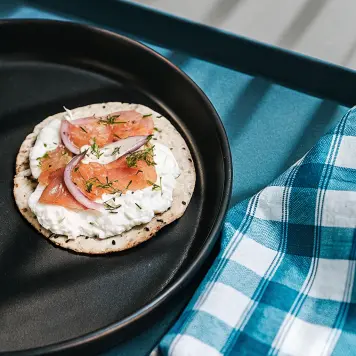
Rakfisk

Rakfisk

Rakfisk is trout salted and fermented for months until it develops a potent, tangy flavor, and it is traditionally eaten without cooking on flatbread with sour cream and raw onions. The preserved fish tradition dates back centuries, when fermentation was a vital method of storing protein through long winters.

Lutefisk

Lutefisk

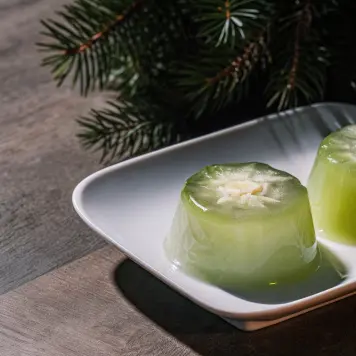
Lutefisk is dried whitefish soaked in lye then rinsed until it becomes soft and jelly-like, and it is a polarizing centerpiece of many Norwegian Christmas tables. Families and communities often host large lutefisk dinners, where strong opinions about the dish are part of the fun.

Traditional Sweet Dishes

Krumkake

Krumkake

Krumkake are ultra-thin, patterned waffle cookies rolled into cones while still hot. Many Norwegians treasure the decorative irons as family heirlooms passed through generations.

Kvæfjordkake (World's Best Cake)

Kvæfjordkake (World's Best Cake)

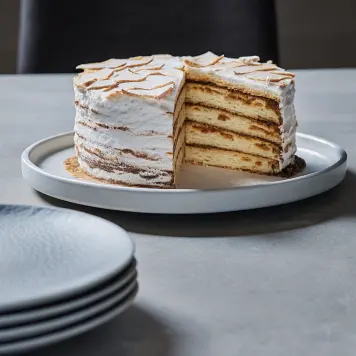
Kvæfjordkake, often called 'Verdens beste' or World's Best Cake, combines sponge, crisp meringue, almonds, and custard for a texture contrast that won its reputation across Norway. Locals proudly serve it at weddings and national celebrations.

Skillingsboller (cinnamon bun)

Skillingsboller (cinnamon bun)

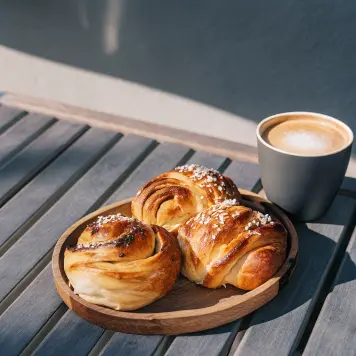
Skillingsboller are Norwegian cinnamon buns flavored with cardamom and pearl sugar, and they are best enjoyed warm with a cup of coffee in hand. The sweet, spiced aroma makes them a staple of bakery windows throughout Oslo.

Traditional Beverages

Akvavit

Akvavit

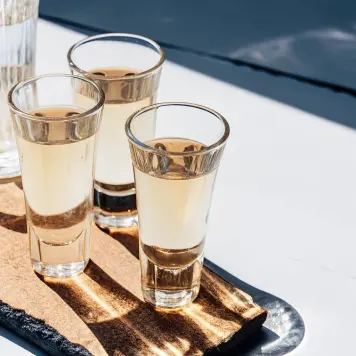
Akvavit is a caraway and dill flavored spirit served in small snaps glasses, and Norwegians customarily sing a short toast song before each shot. It is a ceremonial drink at festive gatherings, and different regions have their own preferred spices and aging methods.

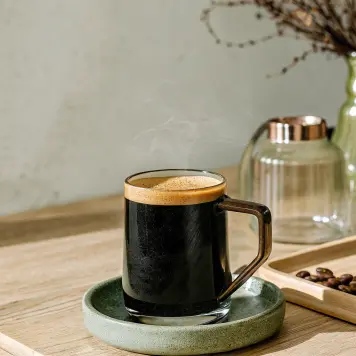
Coffee

Coffee

Coffee is almost a national pastime in Oslo, with Norwegians among the world leaders in per capita consumption, and the city blends specialty third wave cafes with longstanding filter coffee traditions. Coffee breaks, called 'kaffepause', are an essential part of work and social life.

Export Your Trip

Get your trip plan as a PDF with maps and a CSV spreadsheet.

Download PDF

Selected based on proximity to your itinerary attractions and guest reviews

Search all hotels in Oslo

Powered by agoda

Create another trip plan