Lisbon is compact and well served by public transport, so you can cover both days by foot, metro, and tram. On day one, walk the Alfama district and use tram 28 to reach São Jorge Castle, then take the metro's blue or green lines toward Cais do Sodré for Time Out Market. Day two, take the train from Cais do Sodré to Belém (15 minutes on the Cascais line, every 10 minutes) for the monastery, tower, and Pastéis de Belém, and walk between them. Buy a Viva Viagem card for the metro and trams. For late-night returns, Uber or Bolt cost around 5 to 8 euros within the center. Walking is best inside the historic core, and a rental car is the alternative but unnecessary here.
Budget Breakdown
$194Trip total · $97 per day
Accommodation / night
$55
Food / day
$24
Transport / day
$8
Activities / day
$10
Daily total
$97
Trip total
$194
Accommodation: Budget hostel, Food: mix of market and restaurant meals, Transport: public transport day pass, Activities: free walking tour and modest entry fees.
Join a free walking tour to get oriented and learn history from a local guide.
Explore narrow streets, local hangouts, and visit lesser-known courtyards.
Join an affordable cooking class featuring Portuguese dishes.
Must-try traditional foods & drinks
What to order in Lisbon, Portugal, with a fun fact for each
Traditional Savory Dishes
Bacalhau à Brás
Bacalhau à Brás mixes shredded salted cod, thin fried potatoes, scrambled eggs, olives and parsley into a comforting dish that a 19th-century Lisbon tavern popularized.
Caldo Verde
Caldo Verde is a simple, hearty soup of potatoes, finely shredded kale and olive oil, traditionally served at festivals and late-night gatherings across Portugal.
Bifana
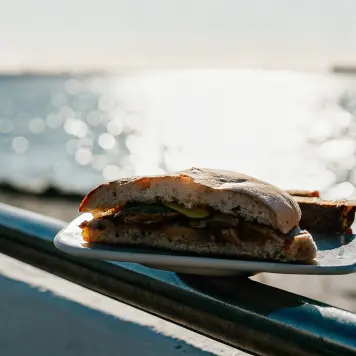
Bifana is a punchy marinated pork sandwich simmered with garlic and white wine, it is an affordable, beloved street and fair food in Lisbon.
Traditional Sweet Dishes
Pastéis de Nata
Pastéis de Nata originated in 18th-century Lisbon monasteries, and their flaky pastry with silken custard became a beloved national symbol and worldwide favorite.
Bola de Berlim
Bola de Berlim was inspired by the German Berliner, but Lisbon bakers typically inject a rich eggy custard into the center and sell them warm as popular street treats.
Traditional Beverages
Port Wine
Port wine is a fortified wine from the Douro Valley, made by adding grape spirit to stop fermentation so the wine stays sweet and age-worthy, a process that turned it into a prized export.
Ginjinha
Ginjinha is a sour cherry liqueur served in tiny shots around Lisbon, and some places even offer it in edible chocolate cups for an extra treat.
Export Your Trip
Get your trip plan as a PDF with maps and a CSV spreadsheet.
 CityBuddy