 CityBuddy
 Čeština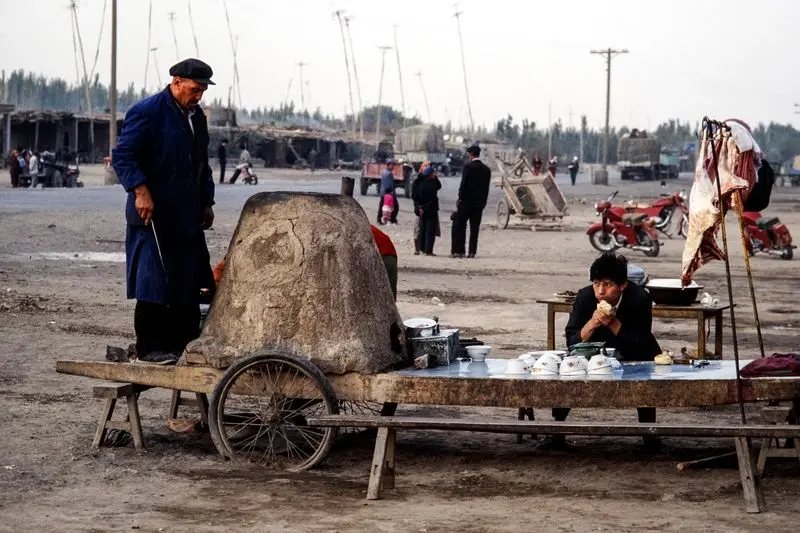
Co dělat v Kashgar, China
Fotografie vytvořil pierre matile na Pexels.com
Kdy navštívit
Kdy jedete do Kashgar, China?
Vyberte si data a styl cestování a získejte:
Je něco z toho pro vás obzvlášť důležité?
Vyberte vše, co platí
Getting around
How do you want to move between places?
Plan language: ČeštinaNejoblíbenější atrakce v Kashgar, China
The top things to do in Kashgar, China center on its centuries-old Uyghur culture. Start at the 15th-century Id Kah Mosque, the largest in Xinjiang, where thousands gather for Friday prayers. Wander the maze-like Kashgar Old City alleyways, then haggle for silk and spices at the Kashgar Grand Bazaar, a trading hub along the Silk Road for over 2,000 years.
1. Id Kah Mosque
The spiritual heart of Kashgar's old city where 20,000 people gather each Friday. Step into a 500-year-old courtyard of golden poplar pillars and turquoise tiles that time seems to have forgotten.
Rychlá fakta: Během pátečních modliteb se na rozlehlém nádvoří tísní zhruba 20 000 věřících, což z něj činí jedno z největších shromáždění v celé Střední Asii. Minaret obložený tyrkysovými dlaždicemi se tyčí 30 metrů nad starým městem Kašgaru a je viditelný téměř z každé střechy v okolním bludišti uliček.
Zajímavosti: Se 16 800 čtverečními metry je toto nádvoří největší v Číně a páteční kázání se nese prostorem, kde po staletí klečí vedle sebe ujgurští, tatarští a kazašští poutníci. Sledujte starší muže, kteří přicházejí o tři hodiny dříve s vlastními koberci a zabírají si stejné místo, které si nárokují po celá desetiletí, tichý rituál, jenž se opakuje každý týden.
2. Kashgar Old City
Wander through 2,000 years of Silk Road living where 100,000 people still call ancient lanes home. You'll sip chai in a local courtyard and watch artisans hammer copper just as their ancestors did.
Rychlá fakta: Roughly 2,000 years of continuous habitation have made this one of the oldest surviving urban centers along the Silk Road, with some families tracing their homes back over a dozen generations. Over 100,000 residents still live and work within its maze-like lanes, giving it a lived-in energy that most old towns have long lost.
Zajímavosti: Every doorway tells a story here, with over 400 hand-carved wooden gates standing as family heirlooms, each pattern hiding symbols of protection and prosperity. The real surprise is the rooftops, where residents grow watermelons, grapes, and figs high above the lanes, creating a secret garden city invisible from street level.
3. Kashgar People's Park
A leafy pocket of calm where locals actually live their daily lives. Wander past chess tables, duck ponds, and flower beds while soaking up genuine daily Kashgar rhythm.
Rychlá fakta: The park covers roughly 36 hectares right in the heart of the old city, making it a green escape amid the surrounding desert climate. Morning tai chi groups and afternoon chess players have gathered here for decades, and the central fountain shoots water nearly 20 meters into the air.
Zajímavosti: On weekend evenings, dozens of Uyghur families set up impromptu picnic circles on the lawns, sharing nan bread and melon while traditional music plays from small radios, and some nights you'll catch elderly men leading impromptu dance circles that tourists are warmly pulled into. The park's duck pond is actually fed by a centuries-old karez irrigation channel, the same underground water system that has watered Kashgar's oasis for over a thousand years.
Where to Stay in Kashgar, China
Selected by City Buddy based on guest reviews and proximity to top attractions
Search all hotels in Kashgar, ChinaPowered by agoda
Tradiční sladké pokrmy
Uyghur Naan with Figs
This sweet naan is baked with locally grown figs, which thrive in Kashgar's warm, sunny climate. The fruit's natural honey-like sweetness caramelizes into the bread during baking in traditional clay ovens called tonur.
Samsa with Pumpkin and Sugar
Unlike the savory lamb samsa, this sweet version is filled with caramelized pumpkin and crystal sugar. Bakers press intricate patterns into the pastry so it cracks open beautifully when baked, revealing the golden filling inside.
Ghorzha (Fried Sweet Dough)
Ghorzha are small, twisted pieces of dough fried until golden and then drizzled with sugar syrup or honey. They are a beloved treat during the Uyghur festival of Nowruz and are often shared with neighbors as a symbol of sweetness and good fortune.
Tradiční slané pokrmy
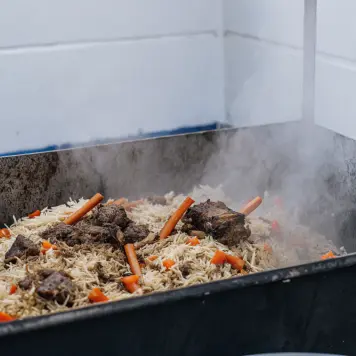
Polo (Lamb Pilaf)
This is the undisputed king of Kashgar's cuisine, made with fragrant local rice, carrots, onions, and tender chunks of lamb cooked in oil and spices. It is traditionally served on a large communal platter and eaten by hand, with guests taking portions from the pile nearest them.
Laghman (Hand-Pulled Noodles)
Kashgar's laghman features thick, hand-pulled noodles topped with a rich stir-fry of lamb, bell peppers, tomatoes, and garlic. Skilled noodle makers stretch and twirl a single piece of dough into dozens of strands in under a minute right at the table.
Kao Baozi (Baked Lamb Buns)
Unlike steamed dumplings, these buns are pressed flat and slapped against the inner walls of a scorching clay oven until they puff up golden and crisp. The juicy lamb and onion filling is seasoned with cumin and black pepper, creating a smoky, savory burst with every bite.
Tradiční nápoje
Duo He Cha (Milk Tea)
This is Kashgar's everyday breakfast beverage, made by boiling brick tea with fresh camel or cow milk and a pinch of salt. It is poured from a great height into bowls to create a frothy top, cooling the tea and intensifying its rich, creamy flavor.
Arak (Uyghur Rice Wine)
Arak is a mildly sweet, low-alcohol beverage distilled from fermented rice or wheat, with roots tracing back centuries along the Silk Road. It is traditionally served during weddings and celebrations, and guests drink it to wish the hosts a long and prosperous life.
Anar Sherbeti (Pomegranate Juice)
Kashgar's pomegranates are celebrated as some of the finest in the world, with deep crimson, jewel-like seeds bursting with tangy-sweet juice. Street vendors squeeze them fresh to order, and the drink is believed to aid digestion and cool the body during the region's intense summer heat.
Frequently Asked Questions about Kashgar, China
Is Kashgar, China safe?
How many days in Kashgar, China?
Best time to visit Kashgar, China?
Is Kashgar, China expensive?
How to get around Kashgar, China?
Získejte PDF s nejoblíbenějšími atrakcemi zaslané na váš e-mail
Získejte PDF se všemi atrakcemi, hodnoceními a tipy. Ideální pro offline použití.
Nejoblíbenější jednodenní výlety
Id Kah Mosque area
The largest mosque in China with nearby old town bazaars
Tashkurgan
Historic Silk Road town near the Pakistan border at high altitude
Shipton's Arch
One of the world's highest natural stone arches in the mountains
Wutong Mountain (Fig Tree Valley)
Scenic valley with ancient fig trees and traditional Uyghur villages
Jak se tam dostat
Nádraží
Main line from Urumqi, connections to Hotan and southern Xinjiang routes
Branch line connecting to Kashgar and Hotan
Take a taxi from Kashgar Airport to the city center, about 20 minutes and 30 RMB. Alternatively, buses run from the airport every 30 minutes into town.
Najděte lety do Kashgar, China
Klikněte pro získání eSim pro Kashgar, China
Nejjednodušší a nejdostupnější způsob, jak získat mobilní internet kdekoliv na cestách.
Komentáře (7)
The Sunday livestock market is chaos in the best way. Go early before the heat hits, and definitely try the fresh naan straight off the tandoor. 3 days felt right for us.
Was blown away by the textures everywhere, the carved doors, the tile work, the carpets. Weather in October was perfect, cool mornings and warm afternoons. Bring layers though, it got chilly fast after sunset.
Meh. The Old City was pretty but after a day you've seen it. Everything felt geared toward Chinese domestic tourists and prices reflected that. If you're in the area it's worth a stop, but I wouldn't fly across the country just for this.
Honestly the Old City felt a bit too polished and touristy for me compared to what I expected. The Sunday market saved the trip though, that felt real. Stayed 2 nights, glad we didn't do more.
Food alone is worth the trip. The lamb skewers, the hand pulled noodles, the melons that taste like candy. We ate things I can't even name and loved all of it. Watch the spice level though if you're not used to it.