 CityBuddy
 Čeština
Co dělat v Cartagena, Colombia
Fotografie vytvořil Maria Paula Medina na Pexels.com
Kdy navštívit
Kdy jedete do Cartagena, Colombia?
Vyberte si data a styl cestování a získejte:
Je něco z toho pro vás obzvlášť důležité?
Vyberte vše, co platí
Plan language: ČeštinaNejoblíbenější atrakce v Cartagena, Colombia
Když zvažujete, co dělat v kolumbijské Cartageně, vyčnívají tři atrakce. Vyšplhejte na 300 let starý hrad Castillo San Felipe de Barajas s 23 děly a 3 kilometry tunelů. Navštivte Torre del Reloj, hodinovou věž ze 17. století, která slouží jako vstup do starého města. Zakončete na Plaza Santo Domingo, kde pod koloniálními balkony stojí Boterova socha.
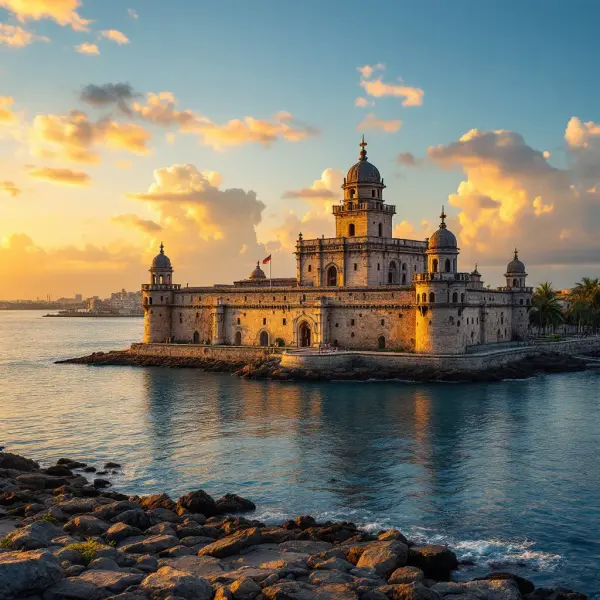
1. Castillo San Felipe de Barajas
Projděte 450 let starými tunely, kde šepot odráží dokonale navržené akustické stěny. Z nejvyšších hradeb sledujte, jak západ slunce maluje oblohu nad Karibikem.
Rychlá fakta: Více než 20 milionů cihel a 130 let výstavby formovalo tuto pevnost v rozsáhlý obranný komplex. Stráže kdysi komunikovaly prostřednictvím 2kilometrové sítě tunelů, kde se zvuk nese zřetelně podél zakřivených kamenných zdí.
Zajímavosti: Inženýři navrhli tři úrovně propojených tunelů s úhlovými poslechovými stanovišti, což jedinému strážci umožňovalo detekovat vetřelce z více směrů současně. Na nejvyšším valu pevnosti můžete sledovat přesné obranné výhledy, které kdysi vojákům umožňovaly spatřit připlouvající lodě hodiny předtím, než dorazily do zálivu.
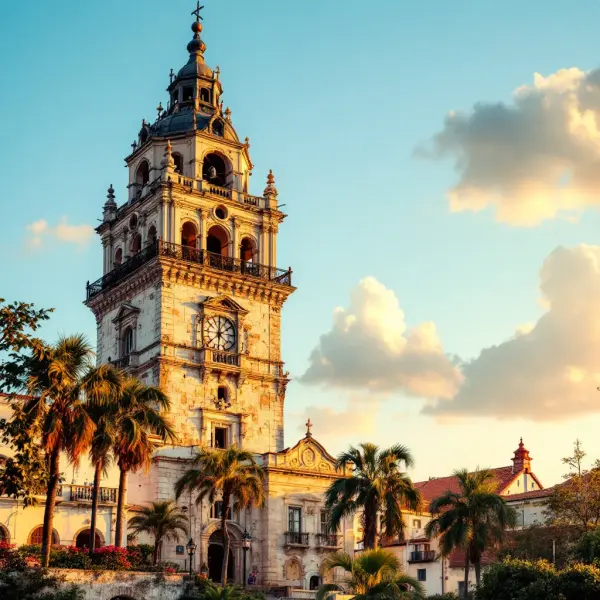
2. Torre del Reloj
Tato klenutá brána je již přes 400 let vstupní branou města, vítající obchodníky, cestovatele i piráty. Projděte jí a ocitnete se přímo na náměstí orámovaném pastelovými balkony, koňskými povozy a rytmickým klapotem bot na dlažebních kostkách.
Rychlá fakta: Více než 2 miliony lidí ročně projde touto branou z korálového kamene, která spojuje živou čtvrť Getsemaní s koloniálním Starým Městem. Hodinový mechanismus na vrcholu byl dovezen ze Švýcarska na začátku 20. století a stále se udržuje v chodu ručním natahováním dvakrát týdně.
Zajímavosti: Podívejte se zblízka na základnu oblouku a všimnete si malé sošky Panny Marie zasazené do výklenku, umístěné zde před staletími, aby žehnala všem, kdo vstoupili do města. Na straně náměstí mění vybledlé koloniální fresky na sousedních budovách barvu, jak se odpolední slunce pohybuje po vyřezávané kamenné fasádě.
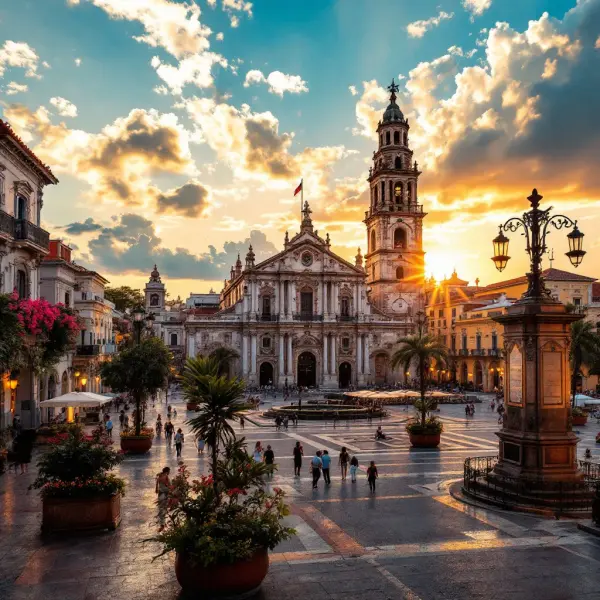
3. Plaza Santo Domingo
Nejmagnetičtější společenské centrum Cartageny, kde Boterova slavná bronzová bohyně odpočívá pod karibským sluncem. Usrkávejte kokosovou limonádu a sledujte tanečníky salsy, čističe bot a papoušky sedící na koloniálních balkonech.
Rychlá fakta: Bronzová socha bujně ležící ženy jménem "La Gorda Gertrudis" od Fernanda Botera kotví toto dlážděné náměstí. Pouliční prodejci, salsa music a vůně smažených arepas naplňují vzduch od rána do pozdní noci.
Zajímavosti: Místní lidé třou Boterovu Gertrudis na břiše a bronzových prstech pro štěstí, což zanechává tato místa vyleštěná do zářivého zlatého lesku proti její tmavší patině. Poté, co ji v roce 2006 poškodil vandal, město ji tak důkladně opravilo, že se jizva stala součástí jejího příběhu, svědectvím o Cartagenině divoké ochranářské povaze vůči ní.
Slyšeli jste o bezplatných pěších prohlídkách?
Po cestování do více než 30 zemí je jedna věc, kterou bych si přál, aby mi někdo řekl hned od začátku, a která mi úplně změnila způsob, jakým poznávám nová města.
Bezplatné pěší prohlídky. Ano, skutečně zdarma. Bez potřeby kreditní karty. Žádný háček.
Místní průvodce, 2-3 hodiny
Hlavní památky, skryté poklady, místní příběhy
100% založeno na spropitném
Průvodci vydělávají pouze na spropitném, proto dávají to nejlepší
Dáváte spropitné podle svého uvážení
Na konci prostě dáte spropitné, které považujete za správné
Udělal jsem tyto prohlídky v desítkách měst a byly vrcholem téměř každého výletu. Pokud navštívíte Cartagena, Colombia, udělejte to první den. Poděkujete mi později.
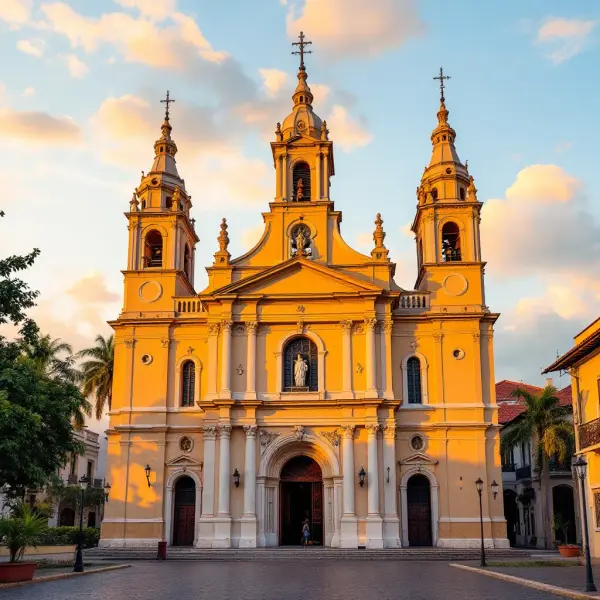
4. Iglesia de San Pedro Claver
Stůjte před 400 let starým oltářem, kde se kdysi denně modlil skutečný světec. Projděte se sluncem zalitými ambity, spatřete jeho zachované ostatky a zažijte, jak ožívá vrstvená historie Kolumbie.
Rychlá fakta: Svatý Petr Kláver strávil 40 let v tomto kostele křtěním přes 300 000 zotročených Afričanů, kteří dorazili přes cartagenský přístav. Jeho pozoruhodně zachované tělo leží ve skleněném sarkofágu poblíž hlavního oltáře, stále oblečené v rouchu, které měl na sobě při své smrti v roce 1654.
Zajímavosti: Vystoupejte na střechu a najdete přesně tu zvonici, odkud Kláver skenoval přístav pro připlouvající otrokářské lodě a připravoval se nabídnout útěchu. Přilehlý klášter uchovává světcovy původní obytné místnosti, kde jeho prostá dřevěná postel a osobní krucifix zůstávají přesně tak, jak je opustil.
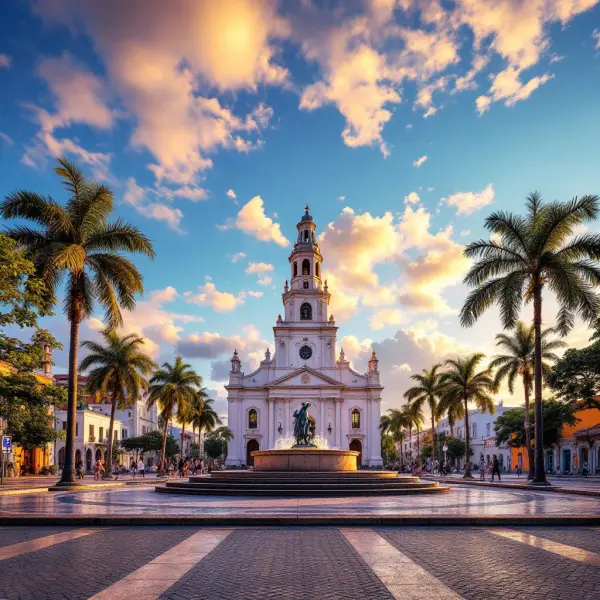
5. Plaza de los Coches
Vstupte do koloniálního srdce Cartageny, kde dlažebním kostkám kdysi vládly koňské povozy. Usrkávejte kávu pod arkádami, zatímco pouliční prodejci a hudebníci rozeznívají náměstí kolem vás.
Rychlá fakta: Koňské povozy kdysi lemovaly toto náměstí, což mu dalo jméno znamenající "Náměstí kočárů". Uprostřed stojí socha Pedra de Heredia, španělského conquistadora, který založil Cartagenu v roce 1533.
Zajímavosti: Podívejte se nahoru na budovy obklopující náměstí a všimnete si dřevěných balkonů natřených zářivě žlutou a modrou barvou, každý s jiným vyřezávaným vzorem. Tyto balkony vyprávějí příběh cartagenské koloniální kupecké třídy, která si zde postavila své domy a obchody, aby byla blízko přístavního obchodního dění.
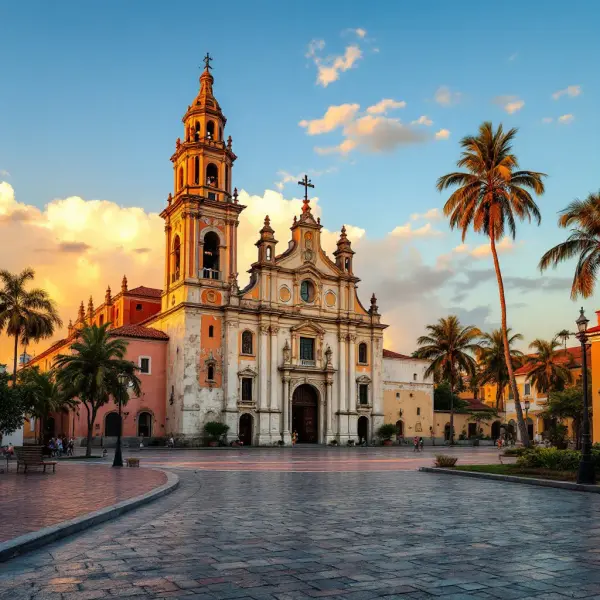
6. Convento de la Popa
Nejvyšší bod Cartageny nabízí nejlepší výhled na město, záliv i ostrovy zároveň. Vystupte na střešní terasu kláštera a sledujte výletní lodě proplouvající kolem starých městských hradeb 150 metrů pod vámi.
Rychlá fakta: Nachází se 150 metrů nad mořem, tento klášter ze 17. století nabízí 360stupňové panorama cartagenského panoramatu, zálivu a Karibského moře. Kopec získal své jméno "Popa", protože španělští námořníci si mysleli, že připomíná záď lodi.
Zajímavosti: Uvnitř klášterní kaple stojí malá dřevěná soška Panny Marie z Candelarie, patronky Cartageny, o níž místní věří, že zachránila město před morem v 18. století. Každého 2. února stoupá stovky poutníků na kopec na Fiesta de la Candelaria, nesouce svíčky po dlážděné cestě za úsvitu.
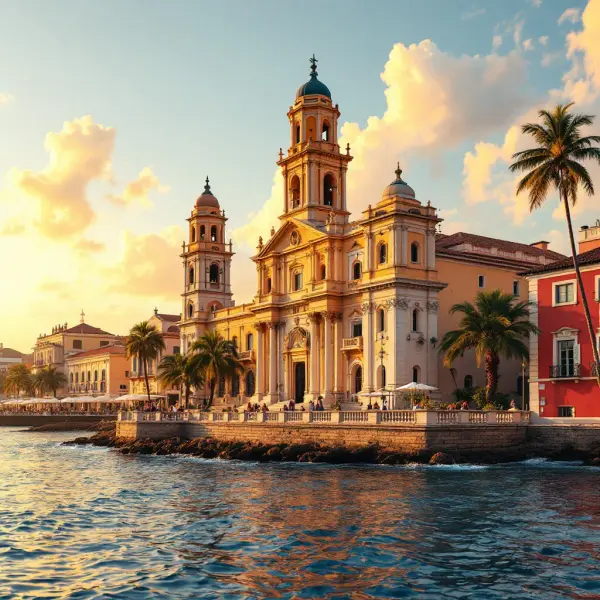
7. Las Bóvedas
Nakupujte autentické kolumbijské suvenýry uvnitř staletých vojenských kleneb vytesaných do městských hradeb. Projděte se 23 oblouky zaplněnými řemeslnickými stánky, zatímco se od kamení odráží mořský vánek a místní hudba.
Rychlá fakta: Dvacet tři obloukových výklenků se táhne podél starobylých městských hradeb, kdysi sloužících jako vojenské skladiště pro španělské jednotky. Tyto tlusté kamenné klenby později držely vězně, než se proměnily v barevné tržiště místních řemesel a umění.
Zajímavosti: Během koloniálních dob tyto klenby skladovaly střelný prach a zbraně, zatímco moře se opíralo přímo o vnější zdi, což je činilo neproniknutelnými pro útok. Dnes jsou stejné oblouky naplněny klapotem řemeslníků vyřezávajících figurky z tagua ořechů a tkaním mochila tašek, zatímco kamennými chodbami se nese reggaeton.
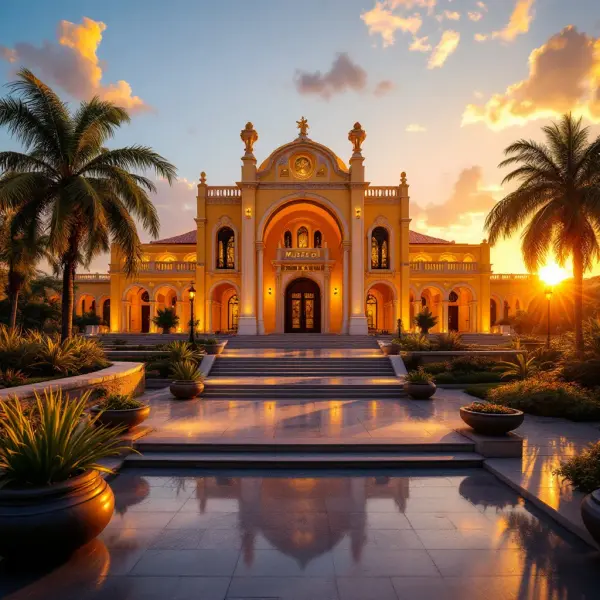
8. Museo del Oro Zenu
Vstupte do pokladnice domorodého zlatnictví, která se vyrovná každé sbírce v Jižní Americe. Setkáte se tváří v tvář složitým filigránovým náušnicím, obřadním maskám a nástrojům, které odhalují, jak Zenúové zpracovávali zlato před 2 000 lety.
Rychlá fakta: Lidé Zenú, kteří vytvořili tyto zlaté předměty, vybudovali propracovaný systém kanálů k ovládání záplav na 500 000 hektarech nížin. Některé z filigránových náušnic a nosních kroužků jsou tak jemně tkané, že váží méně než jedna kancelářská sponka.
Zajímavosti: Podívejte se přes sklo na poporo, nádobu na vápno pro listy koky, jejíž povrch vypráví příběh duchovního života Zenú prostřednictvím tisíců drobných vytepaných teček. Na rozdíl od inckých nebo aztéckých zlatých předmětů uzamčených v úschově je zde více než 1 200 kusů uspořádáno v otevřených vitrínách, které vám umožní vidět přední i zadní stranu každého artefaktu a odhalit, jak řemeslníci pracovali na obou stranách kovu.
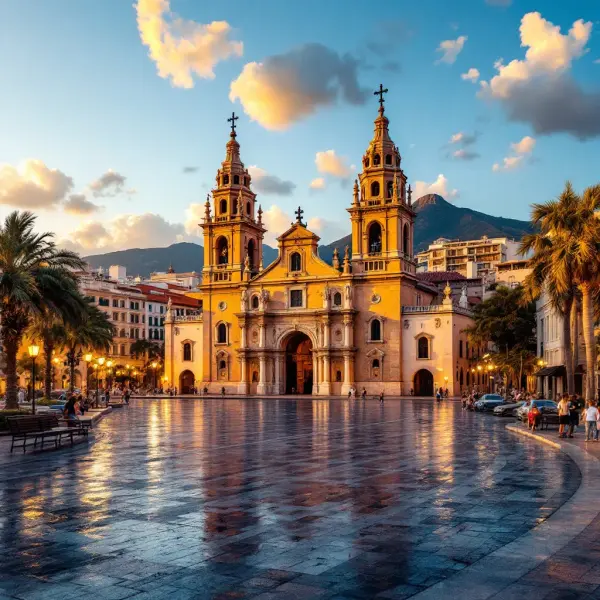
9. Catedral de Cartagena
Jedna z nejstarších katedrál v Americe, kde se koloniální historie setkává s pirátskými legendami. Stůjte uvnitř zdí, které přežily zemětřesení, útoky a 400 let karibských bouří.
Rychlá fakta: Tři století výstavby dala této katedrále fascinující architektonickou směs. Útok Sira Francise Drakea na město v roce 1586 zastavil rané stavební práce a nedokončená stavba stála na hlavním náměstí po celá desetiletí.
Zajímavosti: Podívejte se zblízka na hlavní oltář a všimnete si malé dělové koule zaražené ve zdi, jizvy po pirátském útoku ze 17. století. Nerovná zvonice katedrály vypráví další příběh: zemětřesení v roce 1830 svrhlo původní a její náhrada byla postavena schválně mírně nakřivo, aby se předešlo budoucímu zřícení.
Where to Stay in Cartagena, Colombia
Selected by City Buddy based on guest reviews and proximity to top attractions
Search all hotels in Cartagena, ColombiaPowered by agoda
Tradiční sladké pokrmy
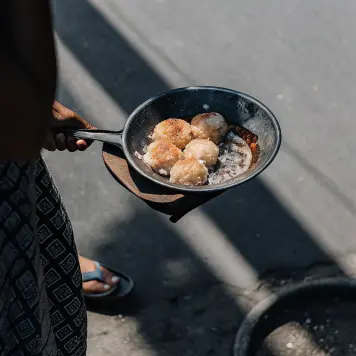
Cocadas
Cocadas are sweet coconut confections that trace their origins to the African diaspora in Cartagena. They are famously sold by palenqueras, Afro-Colombian women in colorful dresses who balance bowls of them on their heads as they walk through the city.
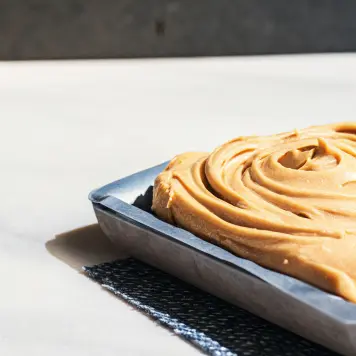
Dulce de Leche (Arequipe)
In Cartagena, dulce de leche is often blended with coconut or fruits like guava to create rich, creamy desserts. It is a staple sweet spread that locals enjoy with cheese or on bread.
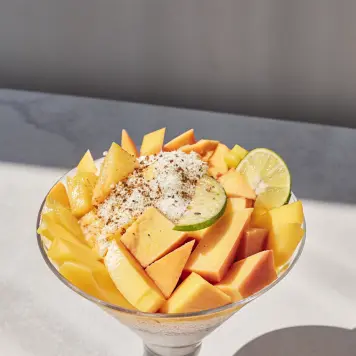
Ensalada de Frutas (Fruit Salad)
Cartagena's fruit salad is no ordinary dish; it is a vibrant mix of tropical fruits like mango, papaya, and lulo, often topped with a splash of lime and a sprinkle of salt. Street vendors sell it chilled on hot Caribbean days for a refreshing treat.
Tradiční slané pokrmy
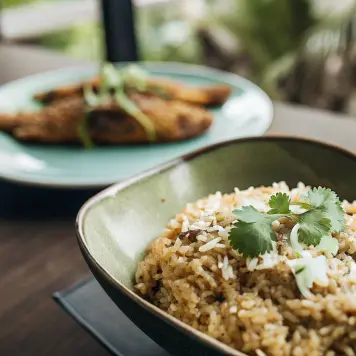
Arroz con Coco (Coconut Rice)
Arroz con coco is a quintessential Cartagena side dish made by cooking rice in coconut milk and often sweetened with a hint of sugar. It is typically served alongside fried fish and patacones, creating the classic Caribbean coastal plate.

Mote de Queso
Mote de queso is a hearty, creamy soup made with yam, salted costeño cheese, and herbs. It originated in Cartagena's countryside and is a comforting dish that showcases the region's love for combining cheese with savory stews.
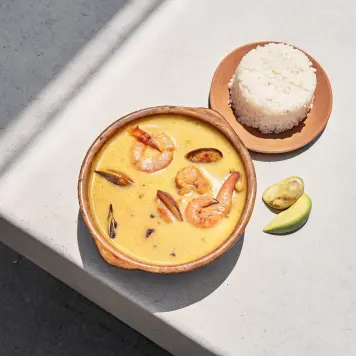
Cazuela de Mariscos (Seafood Stew)
This rich seafood stew is packed with shrimp, fish, crab, and clams simmered in a coconut milk and tomato broth. It reflects Cartagena's coastal location and is often served in a clay pot with rice and avocado on the side.
Tradiční nápoje
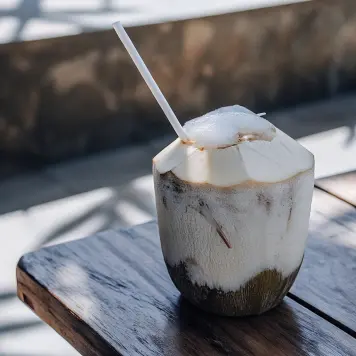
Limonada de Coco (Coconut Lemonade)
Limonada de coco is a creamy, tropical blend of fresh lime juice, coconut milk, and ice that is uniquely popular in Cartagena. Unlike a standard lemonade, it is frothy and rich, making it the ultimate thirst-quencher on a Caribbean afternoon.

Jugo de Lulo
Lulo is a tangy, citrus-like fruit native to Colombia, and its juice is a beloved drink throughout Cartagena. It is often sweetened with sugar and served over ice, offering a bright, zesty flavor that locals swear by for beating the heat.

Aguardiente Antioqueno
Aguardiente is Colombia's signature anise-flavored sugarcane spirit and a favorite at Cartagena's lively street festivals and nightclubs. It is commonly called "guaro" and is typically sipped straight or mixed into cocktails like the popular "Saoco."
Frequently Asked Questions about Cartagena, Colombia
Je Cartagena, Kolumbie, bezpečná?
Kolik dní strávit v Cartageně, Kolumbie?
Kdy je nejlepší navštívit Cartagenu, Kolumbie?
Je Cartagena, Kolumbie, drahá?
Jak se pohybovat po Cartageně, Kolumbie?
Získejte PDF s nejoblíbenějšími atrakcemi zaslané na váš e-mail
Získejte PDF se všemi atrakcemi, hodnoceními a tipy. Ideální pro offline použití.
Nejoblíbenější jednodenní výlety
Islas del Rosario
Stunning coral islands with white sand beaches and clear turquoise water
Playa Blanca (Barú)
Pristine white sand beach with crystal clear Caribbean waters
Volcán de Lodo El Totumo
Famous mud volcano where you bathe in therapeutic warm mud
San Basilio de Palenque
UNESCO heritage village founded by escaped African slaves
Jak se tam dostat
Letiště
Nádraží
None. Buses, taxis, and private cars are the main transport options.
From CTG airport, take a taxi or Uber to the Old Town (15 to 20 minutes, around USD 10 to 15). Always agree on price beforehand.
Najděte lety do Cartagena, Colombia
Klikněte pro získání eSim pro Cartagena, Colombia
Nejjednodušší a nejdostupnější způsob, jak získat mobilní internet kdekoliv na cestách.
Komentáře (10)
Eat at La Cevicheria for lunch not dinner. Same amazing food but half the price. And skip the restaurants on the main wall, walk one block inland.
Best 4 days ever. The colors, the music, the people. Took a boat to Islas del Rosario and it felt like paradise. Would go back tomorrow.
Always carry small bills. So many places claim to not have change for larger notes. Taxis too, insist on the meter or agree on price before getting in.
Mixed feelings. City is stunning but everything felt overpriced for Colombia. Drinks in Plaza Santo Domingo were twice what I paid in Medellin.
Rainy season caught me off guard. Showers every afternoon but they pass fast. Still managed to see everything and had a great time overall.