 CityBuddy
 Čeština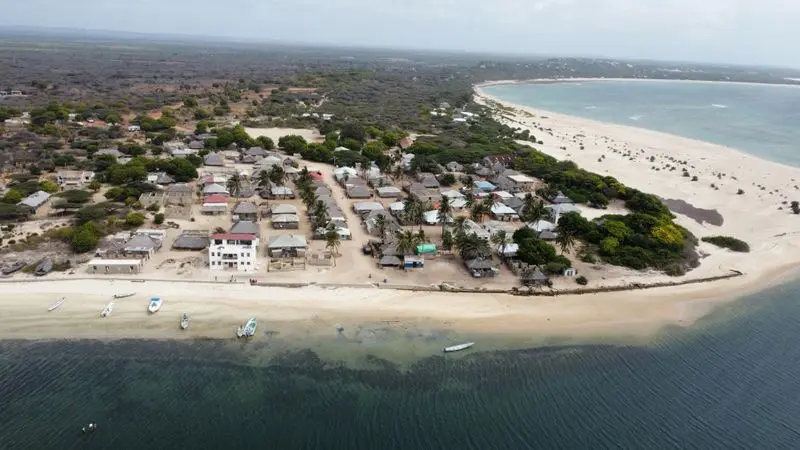
Co dělat v Lamu, Kenya
Fotografie vytvořil ATHUMAN KOMORA GARISSE na Pexels.com
Kdy navštívit
Kdy jedete do Lamu, Kenya?
Vyberte si data a styl cestování a získejte:
Je něco z toho pro vás obzvlášť důležité?
Vyberte vše, co platí
Getting around
How do you want to move between places?
Plan language: ČeštinaNejoblíbenější atrakce v Lamu, Kenya
Chcete-li poznat to nejlepší v Lamu v Keni, začněte procházkou klikatými uličkami starého města Lamu z jedenáctého století. Vyšplhejte na korálové hradby pevnosti Lamu postavené ve dvacátých letech devatenáctého století, odkud můžete spočítat bíle natřené střechy na ostrově. Navštivte Swahili House Museum, abyste viděli čtyři století řezeb zanzibarských dveří, a pak zakončete u mešity Riyadha.
1. Lamu Old Town
Nasyťte se staletími svahilského života na místě, kde se čas pohybuje oslím tempem. Procházejte se vyřezávanými dveřmi, tržišti vonícími kořením a kavárnami na střechách s výhledem na přístav.
Rychlá fakta: Zhruba 3 000 oslů slouží jako jediný dopravní prostředek v uličkách příliš úzkých pro jakékoli vozidlo. Téměř tři čtvrtiny budov z korálového kamene pocházejí z doby před rokem 1800 a složitě vyřezávané dřevěné dveře zaznamenávají historii a postavení každé rodiny.
Zajímavosti: Kolem konce listopadu se celé nábřeží promění v festivalové prostranství, kde se proti tyrkysovému průplavu konají závody plachetnic dau, oslí závody a soutěže v malování hennou. Skutečným tajemstvím je procházet se křivolakými uličkami za soumraku, kdy se z dveří vyřezávaných před více než dvěma staletími line kardamomová káva a volání k modlitbě.
2. Lamu Fort
Korálové hradby, které kdysi střežily pobřeží, dnes ukrývají chladné, ozvěnou znějící nádvoří s muzeem. Vystupte po schodišti na střechu, odkud po průlivu kloužou dhows a pod vámi září staré město.
Rychlá fakta: Rising from the island's war-torn past, the massive coral stone stronghold took nearly a decade to raise and doubled as a working prison well into the 1980s. Inmates once scratched their names and dates into the walls, and those etchings now sit beside restored museum rooms and a research library.
Zajímavosti: Climb the rooftop for the real payoff: the sweep of flat rooftops and dhows sliding across the channel, with the call to prayer drifting up from the Old Town below. Down in the courtyard, press close to the coral blocks where former prisoners carved their names and tallies, a dusty human ledger hidden in plain sight.
3. Lamu Museum
Vstupte tam, kde sedm set let svahilského mořeplavectví, vyřezávané dveře a stříbrné poklady vyprávějí příběh ostrovního obchodu. Projdete se klenutými korálovými síněmi, obejdete dhow v plné velikosti a odejdete s pocitem tepotu Indického oceánu.
Rychlá fakta: Seven centuries of Swahili seafaring unfold across two floors, from ancient trade coins to a full-scale dhow you can circle on foot. Rare silver anklets, ceremonial chairs, and a giant brass astrolabe sit beside exhibits tracing Omani, Portuguese, and Chinese trading ties.
Zajímavosti: One display case holds a 400-year-old ceremonial horn carved from a single elephant tusk, its surface etched with verses from the Quran. Local boat builders sewed the centerpiece dhow together using coconut fiber rope and cedar planks, a technique still passed down among island shipwrights today.
4. Swahili House Museum
Vstupte do kupeckého domu ze 17. století, který ustrnul v čase, s vyřezávanými dveřmi a hliněnými lampami v původním stavu. Vystoupejte po tmavých dřevěných schodech a pak z střechy sledujte, jak kolem kloužou dhows, s výhledem na moře starým tři sta let.
Rychlá fakta: Climbing three stories of coral stone and mangrove timber, you'll find carved lattice screens, lime-plastered walls, and furnishings that look lived-in more than three centuries after they were first used. Donkeys clip-clop along the alley outside while the rooftop baraza still serves up the same sweeping harbor view that generations of merchant families enjoyed.
Zajímavosti: Look for the scallop-edged plaster niches in the sitting room, where the merchant family once displayed imported Chinese porcelain to broadcast their trading wealth. The central courtyard shoots light and sound up through all three floors at once, so a single voice below genuinely reached everyone in the house.
5. Riyadha Mosque
Uslyšte, jak se po zdech z korálového kamene rozléhají staleté zpěvy v mešitě, která dodnes každý den vyučuje. Přijďte na Maulid, kdy tisíce poutníků v bílých rouchách zaplaví nádvoří.
Rychlá fakta: Nearly 5,000 pilgrims squeeze through narrow alleyways every Maulid to pray and chant here, cementing the mosque's role as a pilgrimage hub. A Yemeni scholar named Habib Salih turned this neighborhood prayer house into East Africa's most respected school of Islamic theology in the early 1900s.
Zajímavosti: The Maulid festival here turns midnight into theater: torch-lit dhows glide along the waterfront while thousands of white-robed pilgrims stream into the courtyard, their voices rising in rhythmic praise. Longtime residents perch on neighboring rooftops and scatter rose petals and sweets onto the procession below, a tradition that has run for generations.
6. Shela Beach
Dva kilometry prachově jemného písku se táhnou od starého kamenného města až k duně, na kterou lze vylézt. Počítejte s málomlžnými plážemi, plachtami dhow plujícími kolem a vodou tak teplou, že se v ní dá brodit už za úsvitu.
Rychlá fakta: Low tide can push the shoreline back by hundreds of meters, exposing rippled sand flats scattered with intact cowrie shells. Roughly 3,000 donkeys shuttle everything across this car-free island, so the beach soundtrack is hoofbeats, prayer calls, and creaking dhow masts.
Zajímavosti: About a 25-minute barefoot walk from the village, the beach ends in a pale dune locals have always called "the mountain of sand, and climbing its 30-meter face rewards you with a full view of the channel. On calm, windless mornings, green turtles surface right in the shallows beside the moored dhows, close enough that you can hear the exhale of their surfacing breaths.
7. Takwa Ruins
Postavte se tam, kde v 18. století zmizelo celé město a zůstaly jen korálové zdi a desetimetrový pilířový náhrobek. Projdete se tichými chodbami a mešitou, která mlčí celá staletí.
Rychlá fakta: Four centuries of sea spray and monsoon rain have left the coral-block walls of this abandoned Swahili town remarkably intact. A lone pillar tomb still rises 10 meters over the empty streets, marking the Friday Mosque whose mihrab keeps traces of 16th-century paint.
Zajímavosti: A single block of fossil coral was carved into the mosque's mihrab, complete with fluted niches and a hand-painted medallion that survived the abandonment. Rumor says the town's residents left a prophecy that it would flourish again only when white birds returned, and today herons nest exactly where the old well ran dry.
8. Lamu Donkey Sanctuary
Sledujte, jak se pracovití osli dostávají bezplatné veterinární péče uprostřed města bez aut. Krmení za zvonění zvonků, mírní pacienti a dobrý pocit, že vaše návštěva zachraňuje životy.
Rychlá fakta: Roughly 3,000 donkeys haul water, goods, and people through the car-free old town, and every single one gets free veterinary care when it needs it. The shelter treats around 60 in-patients at a time, from cracked hooves to nasty saddle sores, then sends them back to work fully healed.
Zajímavosti: Every donkey wears a bell that clinks a soft soundtrack through the narrow lanes, and in the sandy yard you'll spot pens painted with each patient's hand-written name. Owners can't take a recovering donkey back to heavy street work until a vet gives the all-clear, a rule that has saved thousands of animals from being overworked.
9. Pate Island
Nejstarší svahilský přístav východní Afriky žije staviteli dhow a řemeslníky vykládajícími mosazí. Procházejte se ruinami z korálového kamene a pak usrkávejte kořeněný čaj, zatímco starší přednášejí tři sta let starou poezii.
Rychlá fakta: Roughly two dozen scattered villages remain on this low-lying island, though the old town ruins still show traces of a 700-year-old sultanate that traded gold, ivory, and ambergris. A poem written here in 1728, Utendi wa Tambuka, survives as the oldest known Swahili literary work, and locals still speak Kipate, an ancient dialect some linguists link to the language's earliest form.
Zajímavosti: Old stone houses still wear brass-studded doors hammered by craftsmen whose trade grew out of salvaging Portuguese shipwrecks, and finished trays leave the island on dhows bound for Kenya's coast cities. Elders also point to Ming-era coins and porcelain dug up near the ruins, backed by a local legend that a Chinese fleet anchored here in the 1400s and left behind sailors who intermarried into the villages.
10. Siyu Fort
Sledujte moře ze střechy, odkud kdysi sultáni vyhlíželi nepřátele. Vystupte po ošlapaných kamenných schodech a rozhlédněte se po tyrkysových průlivech z hradeb prohřátých děly.
Rychlá fakta: Blocks of fossilized coral cut from the reef and bound with lime mortar stack into walls up to 4 meters thick. A narrow staircase of roughly 100 steps climbs through three storeys to rooftop gun positions overlooking the channel.
Zajímavosti: Locals whisper about a fortune walled up inside the tower by a former owner, and guides say a faint drumming stirs from within on still nights. The original double-leaf entrance door, a two-meter slab of mangrove wood studded with bronze and carved with Arabic script, still swings in the same stone frame.
Where to Stay in Lamu, Kenya
Selected by City Buddy based on guest reviews and proximity to top attractions
Search all hotels in Lamu, KenyaPowered by agoda
Tradiční slané pokrmy
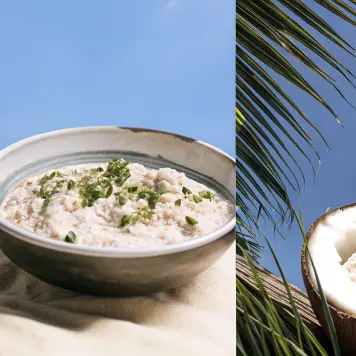
Wali wa Naz
Wali wa nazi is coconut rice where rice is slowly simmered in rich coconut milk and spices until it is creamy and fragrant. In Lamu it is the essential base for almost every seafood meal and is eaten with both hands in the traditional Swahili style.
Tradiční nápoje

Kahawa ya Tangawizi
Kahawa ya tangawizi is a Swahili coffee brewed with fresh ginger and cardamom, and in Lamu it is traditionally served in small Chinese porcelain cups called finjans. It is a ritual drink that marks hospitality and is often offered to guests at important gatherings.

Stoney Tangawizi
Stoney Tangawizi is a fizzy ginger ale that has become the unofficial soda of the Kenyan coast, and on Lamu it is often mixed with fresh lime and served ice cold from the waterfront cafes. Its sharp ginger kick pairs perfectly with the island's spicy Swahili dishes.

Chai ya Maziwa
Chai ya maziwa is a comforting milk tea spiced with cardamom, ginger, and cloves that Lamu families sip slowly with breakfast. In the dhow-making neighborhoods, cups of this sweet tea are shared for hours during afternoon conversations.
Frequently Asked Questions about Lamu, Kenya
Je Lamu v Keni bezpečné?
Kolik dní strávit v Lamu v Keni?
Kdy je nejlepší doba na návštěvu Lamu v Keni?
Je Lamu v Keni drahé?
Jak se pohybovat v Lamu v Keni?
Získejte PDF s nejoblíbenějšími atrakcemi zaslané na váš e-mail
Získejte PDF se všemi atrakcemi, hodnoceními a tipy. Ideální pro offline použití.
Nejoblíbenější jednodenní výlety
Shela Beach and Village
Beautiful white sand beach with boutique hotels and seafood restaurants
Manda Island and Takwa Ruins
UNESCO listed Swahili ruins amid forest, dunes, and calm beaches
Matondoni Village
Traditional dhow building village where wooden boats are still crafted by hand
Pate Island and Siyu Fort
Historic Swahili island with Siyu Fort and ancient mosques
Kiwayu and Kiunga Marine Reserve
Secluded reef and island paradise ideal for snorkeling and dolphin spotting
Jak se tam dostat
Letiště
Nádraží
Mombasa to Nairobi standard gauge railway
Mombasa to Nairobi railway line
Fly to Manda Airport then take a 15 minute boat across the channel. By road, take a bus to Mokowe jetty and transfer by boat into Lamu town.
Najděte lety do Lamu, Kenya
Klikněte pro získání eSim pro Lamu, Kenya
Nejjednodušší a nejdostupnější způsob, jak získat mobilní internet kdekoliv na cestách.
Komentáře (10)
Honestly the heat in March was rough, no AC in our guesthouse and power cuts at night. Cool vibe but bring a portable fan or book a place with solar
Skip the restaurants facing the main square, walk two blocks inland and eat where the locals eat. Same fish, half the price, double the portion
Half the charm is getting lost in the old town, every corner has a carved door. Got a bit tired of being asked to buy tours though
If you come during the Lamu Cultural Festival in December the island is packed, fun but book your stay months ahead or youll sleep on a rooftop
The museum is small but worth an hour, the real highlight was just wandering the waterfront at sunset watching dhows come in