 CityBuddy
 Čeština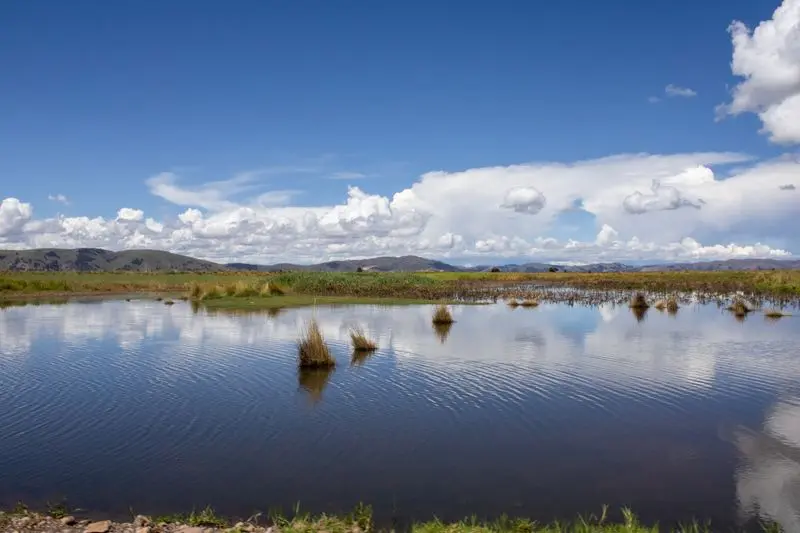
Co dělat v Puno, Peru
Fotografie vytvořil Jesse Benjamin Lara Serna na Pexels.com
Kdy navštívit
Nejoblíbenější atrakce v Puno, Peru
Nejlepší aktivity v Punu v Peru se soustředí kolem jezera Titicaca, nejvýše položeného splavného jezera na světě v nadmořské výšce 3 812 metrů. Vydejte se lodí na plovoucí ostrovy Uros, kde na vrstvách rákosu totora žije 1 200 obyvatel. Poté navštivte ostrov Taquile, vzdálený 45 minut plavby, známý svými složitě tkanými textiliemi a starobylými inckými terasami.
1. Lake Titicaca
Nikde jinde na Zemi nemůžete spát na ostrově z rákosu, který pluje na nejvýše položeném splavném jezeře světa. Pod nohama ucítíte houbovité rákosí totora, zatímco vás rodiny z kmene Uros zvou do svého staletého plovoucího způsobu života.
Rychlá fakta: Nacházející se na hranici Peru a Bolívie v nadmořské výšce 3 812 metrů, je to nejvýše položené splavné jezero na světě. Jezero obsahuje 41 ostrovů, z nichž mnohé jsou plovoucí ostrovy ručně upletené z rákosu totora lidmi Uros.
Zajímavosti: Lidé Uros staví celé ostrovy z rákosu totora, který roste v jezeře, a tímto způsobem žijí po staletí, aby unikli konfliktům na pevnině. Po těchto pružných ostrovech lze skutečně chodit a cítit, jak se pod nohama pohybují, zatímco ženy pletou rákosové panenky a muži každých pár týdnů opravují své domovy čerstvým rákosem.
2. Uros Floating Islands
Vstupte na umělý ostrov ručně upletený z jezerního rákosu, který pluje na nejvýše položeném splavném jezeře světa. Potkáte místní rodiny, svezete se na tradiční rákosové lodi a ucítíte, jak se vám pod nohama houpe houbovitá zem.
Rychlá fakta: Těchto více než 70 ostrovů je ručně spleteno z propletených vrstev rákosu tortora, který roste na dně jezera a vyžaduje neustálou údržbu, protože rákos odspodu hnije. Každý ostrov má vlastní školu a některé mají dokonce solární panely a fotbalová hřiště plovoucí přímo na vodě.
Zajímavosti: Ostrovy pod nohama nasákají vodu jako houba, takže doslova cítíte, jak se půda mačká a pohybuje, když jdete po 2 až 2,5 metru hustě naskládaného rákosu. Rodiny každých pár let obnovují své domy, protože rákos pod nimi hnije, což znamená, že každý dům je nakonec znovu postaven od základů na čerstvých vrstvách.
3. Taquile Island
Jezerní ostrov, kde textilie vyprávějí příběhy a muži pletou na břehu. Sledujte, jak ručně tkaná mistrovská díla ožívají, zatímco se koupete v kobaltově modré vodě 3 812 metrů nad mořem.
Rychlá fakta: Ostrovních 2 000 obyvatel řídí celou svou komunitu jedinečným rotačním systémem, kde se všichni střídají ve vedoucích rolích, od rybolovu až po kontrolu kvality tkaní. Ručně tkané textilie z Taquile byly uznány organizací UNESCO jako Mistrovské dílo ústního a nehmotného dědictví lidstva, přičemž vzory zakódují staletí andské symboliky a historie komunity.
Zajímavosti: Muži na Taquile se učí plést od dětství, často pracují na tradičních stavech při chůzi nebo povídání, což je obrácení genderových rolí v Andách vzácné. Každý vzor textilie odhaluje rodinný stav nositele, roli v komunitě a dokonce i to, zda je svobodný nebo hledá partnera, což je nositelný sociální profil utkaný z ovčí vlny a přírodních barviv.
4. Plaza de Armas
Tlukoucí srdce Puna, kde se jezerní kultura setkává s vysokohorskou koloniální historií. Sledujte andské tanečníky, jak se točí na starobylých kamenech, zatímco prodavači nabízejí obří kukuřici choclo přímo z pařáku.
Rychlá fakta: Peruánské hlavní náměstí leží v nejvyšší nadmořské výšce 3 860 metrů nad mořem, takže i obyčejná procházka připomíná cvičení. Náměstí bylo svědkem všeho od domorodých povstání až po vyhlášení nezávislosti, vše orámováno koloniálními oblouky a majestátní katedrálou v Punu.
Zajímavosti: Z centrální fontány na náměstí je přímý výhled na složitou mestizo-barokní fasádu katedrály, vytesanou z místního sopečného kamene domorodýma rukama. Každé nedělní ráno se náměstí promění v záplavu barev, kdy desítky folklorních tanečních skupin v flitrech a peří soutěží o prostor a jejich zvony a hudba se odrážejí od koloniálních oblouků.
5. Puno Cathedral
Mistrovské dílo andské barokní architektury, kde se indiánské symboly skrývají na očích v kamenné fasádě. Vstupte dovnitř a spatřte 17 obrazů z koloniální éry a zářivý stříbrný oltář pod tyčícími se kopulemi.
Rychlá fakta: Exteriér vypadá, jako by byl vytesán z jednoho kamenného bloku, a to díky úchvatné renesančně-barokní fasádě z vulkanické horniny. Uvnitř katedrála ukrývá 17 olejomaleb Escola Cusco a postříbřený oltář, který se třpytí v přirozeném světle dopadajícím z kopule.
Zajímavosti: Při bližším pohledu na složité řezby fasády si všimnete andských symbolů, jako je chakana (Incký kříž) a hlavy pumy, vetkané do katolické ikonografie - jde o nenápadný akt domorodého odporu. Stavitelé katedrály použili místní růžový vulkanický kámen, který během dne mění barvu, při západu slunce se zbarví do tmavě růžové a v poledním slunci do stříbřitě šedé.
6. Sillustani
Sledujte, jak západ slunce barví dvanáctimetrové kamenné věže do zlata na posvátném pohřebišti s výhledem na vysokohorské jezero. Budete bloudit mezi starobylými hrobkami, které jsou starší než Inkové, s kondory kroužícími nad hlavou a nekonečnými Andami v pozadí.
Rychlá fakta: Perched on a peninsula jutting into Lake Umayo, this pre-Inca burial complex contains funerary towers called chullpas that rise up to 12 meters tall. The Colla people constructed these towers between the 12th and 15th centuries, placing their mummified elite inside facing east toward the rising sun.
Zajímavosti: Unlike the Incas who later conquered them, the Colla people built their chullpas with stones interlocked so precisely that you can't slide a piece of paper between them, yet they used no mortar whatsoever. Stand inside one of the tallest towers at sunset and the wind whips through the narrow entrance creating a low hum, exactly as the builders intended for their conversations with the dead.
7. Museo Carlos Dreyer
Odhalujte 10 000 let peruánské vysokohorské kultury pod jednou koloniální střechou. Zhlédněte strašidelné mumie, zlaté koruny Qullů a osobní poklady německého badatele, který si z Puna udělal domov.
Rychlá fakta: The museum sits inside a 17th-century colonial mansion that once belonged to Spanish nobility. Its collection spans 10,000 years of regional history, from pre-Inca stone carvings to eerie colonial-era religious art.
Zajímavosti: Tucked in a quiet corner, a single room holds the personal collection of gold and silver artifacts that Carlos Dreyer himself excavated from nearby Sillustani burial towers. The light catches the polished metal just so, revealing intricate geometric patterns the Qulla people hammered into breastplates and crowns over 800 years ago.
8. Arco Deustua
Stůjte pod jedenáctimetrovými žulovými oblouky, které označují zlomový bod v peruánské nezávislosti. Sledujte, jak zdi při zlaté hodince září oranžově, zatímco místní prodávají u paty oblouků anticuchos z vozíků.
Rychlá fakta: Four massive stone arches rise 11 meters high, carved from pink granite hauled from 40 kilometers away. The monument commemorates the 1824 Battle of Junín, one of the final conflicts in Peru's war for independence from Spain.
Zajímavosti: Unlike the flashier monuments in other Andean cities, this one is made of colossal pink granite blocks that glow burnt orange at sunset. Locals gather here every evening for impromptu street food stalls and domino games, making it a living community space rather than a static monument.
Where to Stay in Puno, Peru
Selected by City Buddy based on guest reviews and proximity to top attractions
Search all hotels in Puno, PeruPowered by agoda
Otevírací dny v Puno, Peru
Které z hlavních památek jsou v které dny v týdnu zavřené, klasický rušič plánů, ověřeno za vás.
sobota: 1 z 4 hlavních památek je zavřeno, naplánujte si muzea na jiný den.
Zavřeno v sobota · 1 zavřeno, 3 otevřeno
Otevírací dny z Google Maps (kontrolováno 2026-06-29). Státní svátky, stávky a sezónní otevírací doba se mohou lišit, před návštěvou si ověřte oficiální web.
Tradiční sladké pokrmy
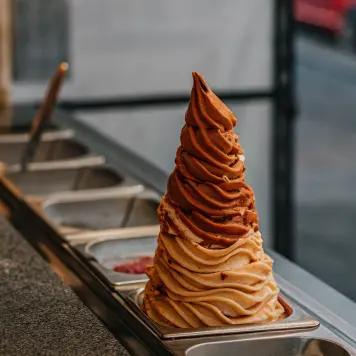
Queso Helado
Despite its name meaning "frozen cheese," Queso Helado contains no cheese at all. It is a creamy cinnamon-vanilla frozen dessert made from milk, coconut, and sugar, traditionally shaved into layers and sold by street vendors in Puno.
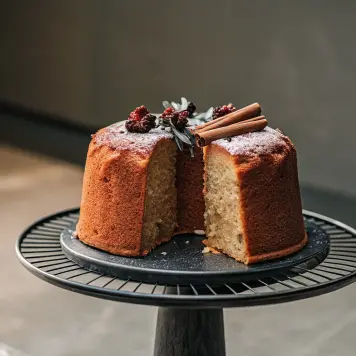
Torta de Quinua
This dense, sweet cake is made from quinua, a sacred Andean grain that has been cultivated on the altiplano around Lake Titicaca for thousands of years. It is often flavored with cinnamon, cloves, and dried fruits.
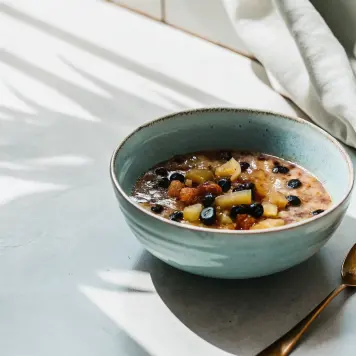
Mazamorra de Frutas
This thick, warm fruit pudding is made with local Andean fruits like aguaymanto and tuna (cactus fruit). It is sweetened with chancaca, a traditional unrefined cane sugar, and thickened with cornstarch or chuño flour.
Tradiční slané pokrmy
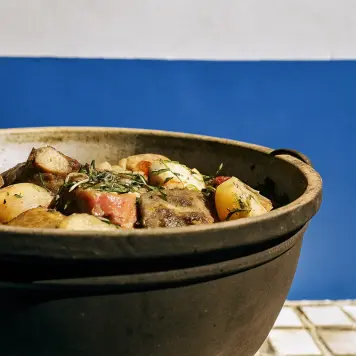
Pachamanca
Pachamanca means "earth pot" in Quechua, as the dish is cooked by burying marinated meats, potatoes, and herbs in a pit with hot stones. It is a ceremonial feast that honors Pachamama, the Earth Mother goddess revered by Andean communities around Lake Titicaca.
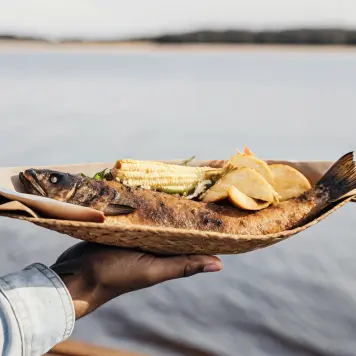
Trucha Frita
Lake Titicaca, the highest navigable lake in the world, is the source of the rainbow trout used in this dish. The trout is typically seasoned with local herbs like muña (Andean mint) and served with giant corn and fried potatoes.
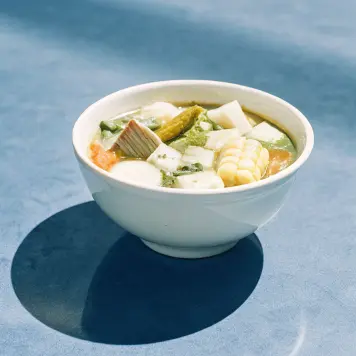
Chairo
Chairo is a hearty soup containing freeze-dried chuño potatoes, llama or sheep meat, and vegetables like corn and lima beans. It dates back to pre-Columbian times and was a staple for the Quechua and Aymara people of the highlands.
Tradiční nápoje
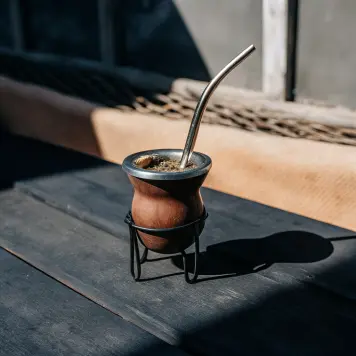
Mate de Coca
This herbal tea made from coca leaves is a traditional remedy for altitude sickness, which is essential in Puno at 3,830 meters above sea level. Locals have chewed and brewed coca leaves for thousands of years for energy and to aid digestion.
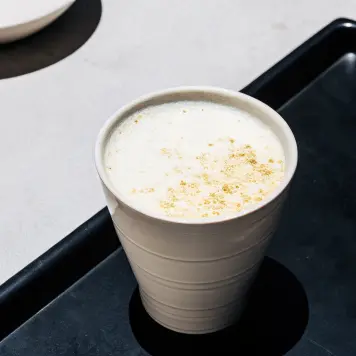
Chicha de Quinua
Unlike the corn-based chicha found elsewhere in Peru, this Puno version is fermented from quinua and has a slightly thicker, creamier texture. It is often consumed during festivals and is believed to have been a sacred drink in Inca rituals.
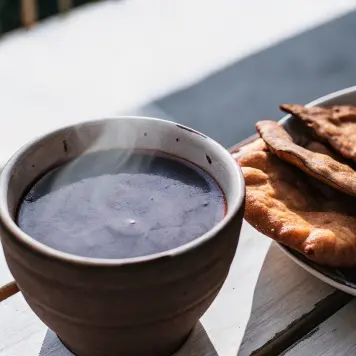
Api con Sopaipillas
Api is a thick, warm purple corn drink flavored with cinnamon, cloves, and fruit peel, commonly sold by street vendors at dawn in Puno's markets. It pairs perfectly with crispy fried sopaipillas (sweet pumpkin pastries) for a classic highland breakfast.
Často kladené dotazy o Puno, Peru
Je Puno v Peru bezpečné pro turisty?
Kolik dní v Puno v Peru stačí?
Kdy je nejlepší doba k návštěvě Puna v Peru?
Je Puno v Peru drahé na návštěvu?
Jak se pohybovat po Puno v Peru?
Získejte PDF s nejoblíbenějšími atrakcemi zaslané na váš e-mail
Získejte PDF se všemi atrakcemi, hodnoceními a tipy. Ideální pro offline použití.
Nejoblíbenější jednodenní výlety
Lake Titicaca (Uros Floating Islands)
Iconic floating islands made of totora reeds on Lake Titicaca.
Sillustani Burial Towers
Pre-Inca chullpa burial towers on a peninsula overlooking Lake Umayo.
Amantani Island
Peaceful island with homestays and stunning lake views.
Chucuito
Small town with the Temple of Fertility and Inca stone structures.
Jak se tam dostat
Letiště
Nádraží
Cusco to Puno (PeruRail / Andean Explorer service)
Fly into Juliaca Airport (JUL) 50 km away. Buses and taxis connect to Puno in about 1 hour. Or arrive by train from Cusco for a scenic route.
Užitečné informace pro Puno, Peru
Přehled pro Puno, Peru
Chcete plán den po dni pro Puno, Peru? Otevřete plánovač výletů
Kdy jedete do Puno, Peru?
Vyberte si data a styl cestování a získejte:
Je něco z toho pro vás obzvlášť důležité?
Vyberte vše, co platí
Doprava po městě
Jak se chcete mezi místy pohybovat?
Jazyk plánu: Čeština