 CityBuddy
 Čeština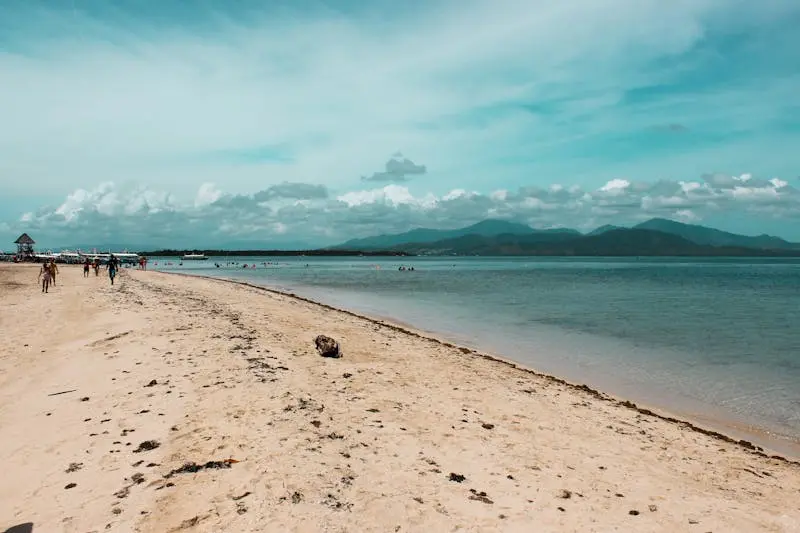
Co dělat v Puerto Princesa, Philippines
Fotografie vytvořil Vincent Lebis na Pexels.com
Kdy navštívit
Kdy jedete do Puerto Princesa, Philippines?
Vyberte si data a styl cestování a získejte:
Je něco z toho pro vás obzvlášť důležité?
Vyberte vše, co platí
Plan language: ČeštinaNejoblíbenější atrakce v Puerto Princesa, Philippines
Co dělat v Puerto Princesa na Filipínách zahrnuje objevování nejdelšího podzemního říčního toku světa v národním parku Puerto Princesa Subterranean River, šnorchlování v zálivu Honda a návštěvu zajímavého zařízení na záchranu zvířat v Palawan Wildlife Rescue and Conservation Center. Nezapomeňte také navštívit Baker's Hill pro sladké pochoutky a Plaza Cuartel kvůli jeho historickému významu.
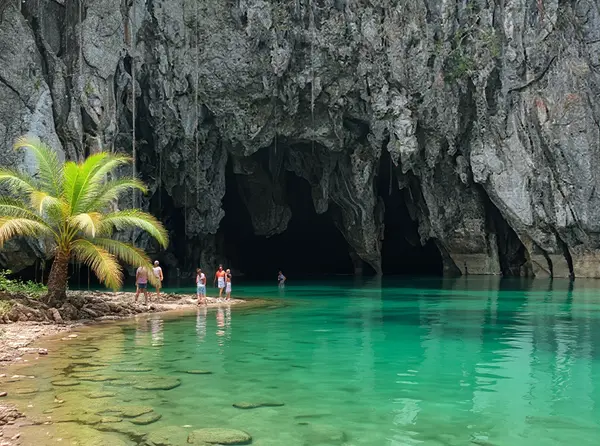
1. Puerto Princesa Subterranean River National Park
Dobrodružství pod vodou v jeskyních a jedinečný přírodní zázrak čekají. Zažij plavbu lodí po nejdelší podzemní řece světa a pozoruj přírodní úkazy zblízka.
Rychlá fakta: Pod temnými jeskyněmi teče 8,2 km dlouhá podzemní řeka. Tato řeka je jednou z nejdelších podzemních mořských řek na světě a ústí přímo do moře.
Zajímavosti: Můžete jet lodí skrz skalní blok, kde jsou stěny jeskyní pokryty nádhernými stalaktity a stalagmity. Řeka je součástí rozsáhlé vápencové sítě, která vytváří jedinečný ekosystém s vzácnými rostlinami a zvířaty.
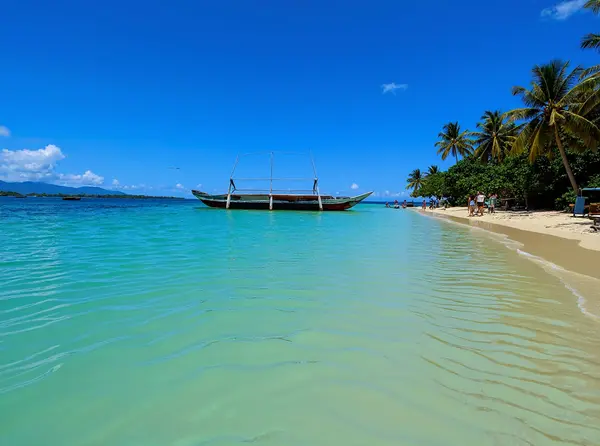
2. Honda Bay
Objevuj ostrovy pokryté korály a odpadky z moře. Užij si klidnou plavbu lodí a pestrobarevný podmořský život.
Rychlá fakta: Turisté mohou v čistých vodách zálivu Honda vidět rozmanité korálové útesy a více než 10 různých ostrovů, které lze objevovat během výletů lodí. Průměrná teplota moře zůstává po celý rok přibližně 27 stupňů, což poskytuje příjemné podmínky pro koupání a šnorchlování.
Zajímavosti: Mnoho ostrovů v zálivu je domovem zelených mangrovových lesů a vzácných mořských ptáků, poskytujících klidné přírodní prostředí. Jeden z ostrovů, Starfish Island, má populaci hvězdic, se kterými se lze setkat zblízka a fotografovat je.
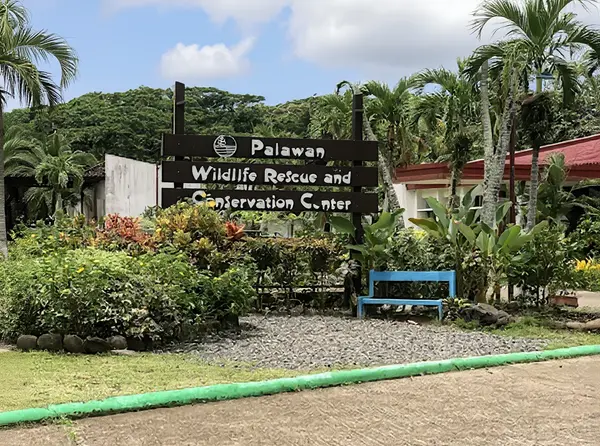
3. Palawan Wildlife Rescue and Conservation Center
Zážitek blízko krokodýlů a exotických ptáků zve k poznávání ochrany přírody. Nauč se, jak se chrání místní ohrožené druhy života.
Rychlá fakta: Žije zde přes 100 krokodýlů, včetně obrovských sladkovodních krokodýlů, kteří mohou dorůst až do délky 5 metrů. Na místě se také chová mnoho místních druhů, například Palawanský tuk, pták, který se nikde jinde na světě nevyskytuje.
Zajímavosti: Zvlášť zajímavé je sledovat krmení sladkovodních krokodýlů, které probíhá z vyhrazené plošiny a je opravdovým dobrodružstvím jak pro děti, tak pro dospělé. V centru lze také zblízka vidět a dozvědět se o ochraně ohrožených druhů, což je praktický krok na cestě k zachování biologické rozmanitosti.
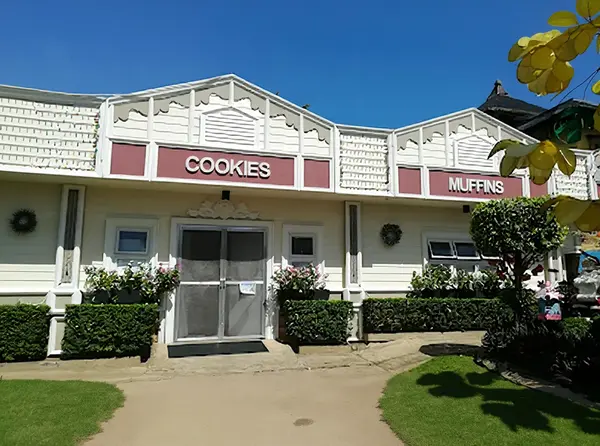
4. Baker's Hill
Příjemné místo pro chuťové buňky i oči. Můžeš si užít bohaté barevné zahrady a místní dobroty.
Rychlá fakta: Zde je více než 15 malých zahradních center a řemeslných stánků, které nabízejí místní sladkosti a pochutiny. Známé jsou zde jejich čokoláda a kokosové sladkosti, které potěší děti i dospělé.
Zajímavosti: Veselé zahrady, které jsou navrženy jako herní centrum, nabízejí malým návštěvníkům nekonečnou radost s výzvami a přírodním prostředím. Jednou z exotických atrakcí je kout věnovaný fascinujícímu světu želv, kde je možné je zblízka pozorovat.
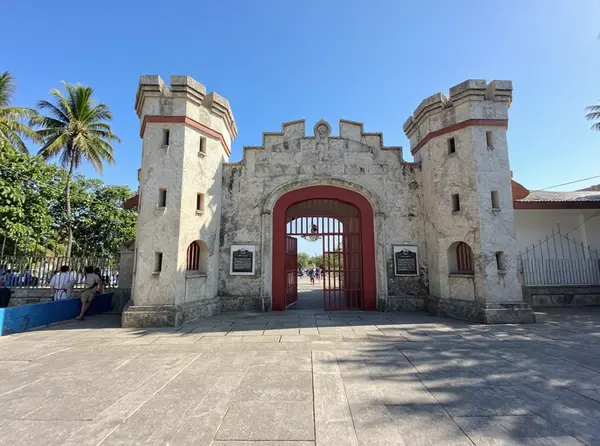
5. Plaza Cuartel
Ponoř se přímo do historie a pocítí hrdinné válečné dědictví. Vkroč do vrstvené minulosti nad podzemní vězeňskou celou.
Rychlá fakta: Během druhé světové války zde bylo zadrženo asi 150 amerických válečných zajatců, kteří zde měli velmi tvrdý život. Na místě jsou zbytky podzemní vězeňské cely, které lze navštívit a které vyprávějí silné historické příběhy.
Zajímavosti: Nadzemní a podzemní vězeňská cela jsou impozantní: v zemi lze vidět malé jeskyně, kde byli vojáci zavřeni. Místo je zvláštní díky sbírce dřevěných plakátů, které vyprávějí příběhy vojáků prostřednictvím fotografií a dopisů.
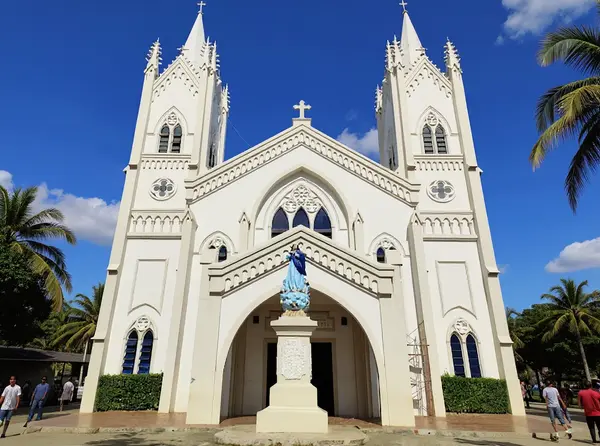
6. Immaculate Conception Cathedral
Jedinečná gotická architektura a barevná vitráž tě zvou k objevování. Živá sobotní bohoslužba přináší duši místní kultury.
Rychlá fakta: Aktivní kostelní budova je známá svou unikátní gotickou architekturou, která každý rok přitahuje místní i turisty. Místní komunita ji aktivně využívá k významným náboženským a společenským událostem.
Zajímavosti: V kostele je ukryta zajímavá sbírka vitrážových oken, kde každý skleněný panel vypráví legendu o svatci, což dává prostoru zvláštní záři při slunečních paprscích. Každá sobotní večerní bohoslužba zapojuje návštěvníky do tradičních místních písní a rituálů, které jinde snadno nedostanete.
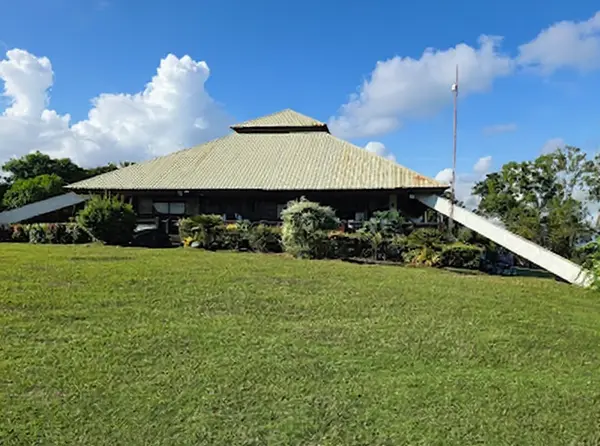
7. Mitra's Ranch
Zažij venkovský život a klid přírody v jedné návštěvě. Připoj se k zemědělským pracím a pozoruj barevné domácí ptáky na poklidných stezkách.
Rychlá fakta: Ranč pokrývá více než 20 hektarů bujného tropického lesa a zemědělské půdy. Místní členové komunity spravují ranč, kombinují ekoturistiku s udržitelným zemědělstvím.
Zajímavosti: Návštěvníci se mohou zapojit do tradičních zemědělských aktivit, jako je sázení a sklizeň rýže. Na ranči žije přes 30 druhů domácích ptáků, což z něj činí malý ráj pro milovníky přírody.
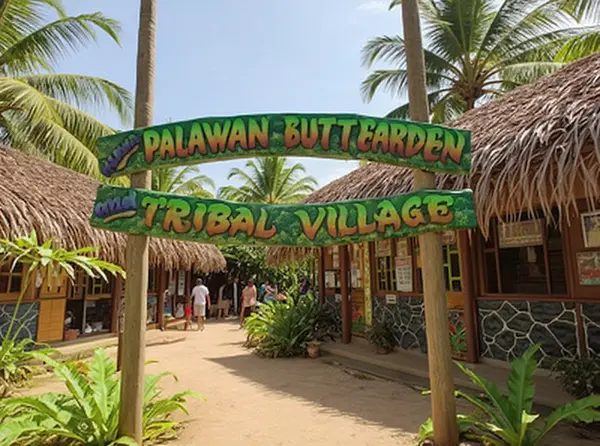
8. Palawan Butterfly Ecological Garden and Tribal Village
Motýli létají jen pár kroků daleko, kde můžeš taky vidět skutečný kmenový život. Nauč se a obdivuj živé motýly a kmenové tradice!
Rychlá fakta: Zde může návštěvník vidět přes 20 různých druhů motýlů, kteří volně létají v exotickém pralese. Hosté se také mohou seznámit s místním kmenovým životem, kde jsou předváděny tradiční nástroje a řemesla.
Zajímavosti: Pěstírna motýlů je navržena tak, aby návštěvníci mohli motýly pozorovat a fotografovat zblízka, aniž by je rušili. Část kmene předvádí autentický způsob života kmene Palawan, kde si lze vyzkoušet tradiční zážitky jako bambusové hry a dřevěné nástroje.
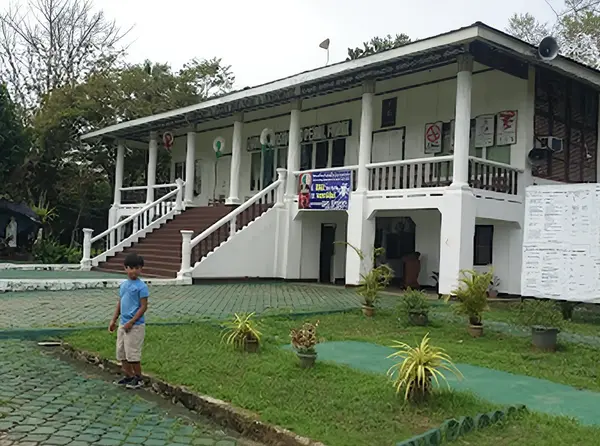
9. Iwahig Prison and Penal Farm
Jedinečná příležitost vidět vězeňský život v zemědělské komunitě. Setkej se s vězni a jejich rodinami, kteří společně žijí a pracují na rozsáhlé ploše.
Rychlá fakta: Většina vězňů zde pracuje v zemědělství na více než 16 000 hektarech půdy, což dělá z této věznice jednu z největších svého druhu. Ve věznicích jsou povoleny rodinné životy, takže mnoho vězňů žije se svými rodinami ve stejné komunitě.
Zajímavosti: Při procházce po ulici můžete vidět vězně při práci a jejich rodiny, jak se pohybují jako v běžné vesnické komunitě. Možnost setkat se a mluvit s vězni a jejich rodinami poskytuje vzácný vhled do každodenního života věznice.
Where to Stay in Puerto Princesa, Philippines
Selected by City Buddy based on guest reviews and proximity to top attractions
Search all hotels in Puerto Princesa, PhilippinesPowered by agoda
Tradiční sladké pokrmy
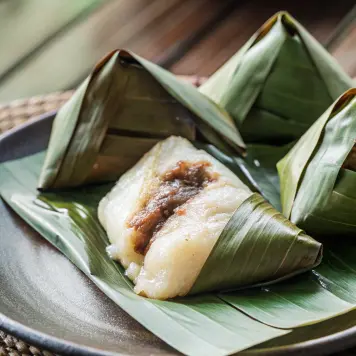
Budbud Palawan
Budbud Palawan is a native sticky rice cake wrapped in banana leaves, known for its soft texture and distinct coconut flavor, representing Palawan's traditional rice delicacies.
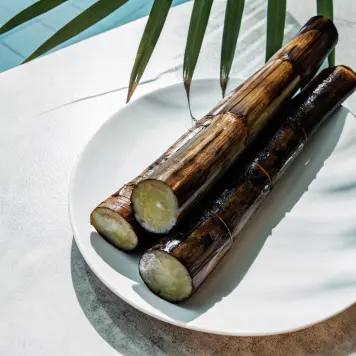
Tartang Gubat
Tartang Gubat is a sweet made from wild bamboo shoots coated in caramelized sugar, highlighting the resourcefulness in using local forest ingredients.
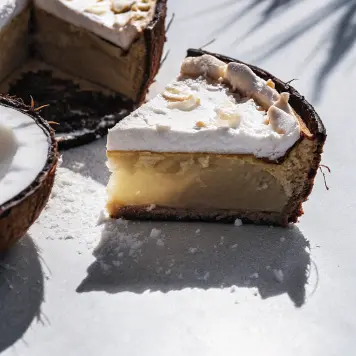
Coconut Buko Pie
Coconut Buko Pie from Puerto Princesa features fresh young coconut meat baked in a creamy custard filling, a tropical twist on the classic Filipino pie.
Tradiční slané pokrmy
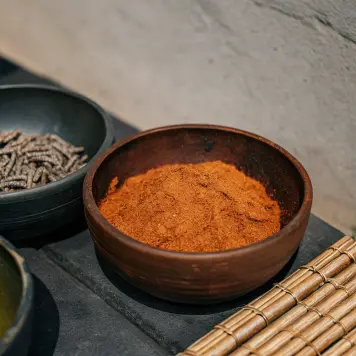
Tamilok
Tamilok is a local delicacy made from woodworms found in mangroves, often eaten raw or with vinegar as a savory and adventurous dish.
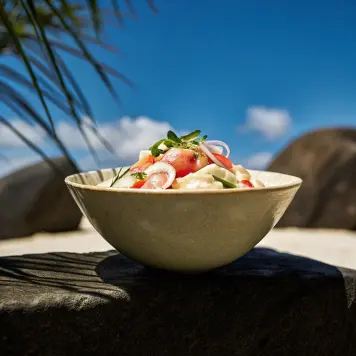
Kinilaw na Isda
Kinilaw na Isda is a traditional Filipino ceviche made with fresh fish marinated in vinegar, calamansi, and spices, celebrating the abundance of local seafood.
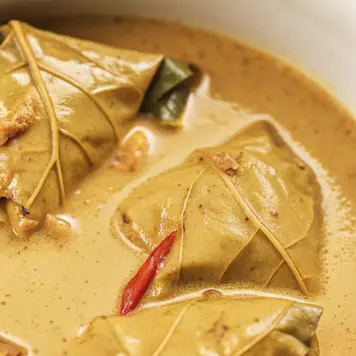
Laing
Laing is a spicy dish made from dried taro leaves cooked in coconut milk with chili and shrimp paste, a staple in Palawan's savory cuisine.
Tradiční nápoje
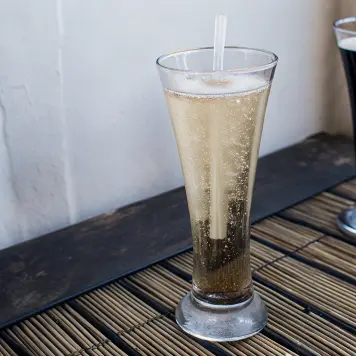
Tuba
Tuba is a traditional fermented coconut sap drink often enjoyed fresh or fermented into a palm wine, a staple beverage in many Filipino communities.
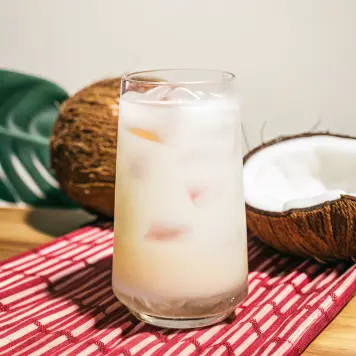
Buko Juice
Buko Juice, the refreshing natural coconut water served straight from young coconuts, is a popular drink to cool down in Puerto Princesa's tropical climate.

Salabat
Salabat is a traditional ginger tea known for its soothing properties and is often consumed to warm up or aid digestion.
Frequently Asked Questions about Puerto Princesa, Philippines
Je Puerto Princesa na Filipínách bezpečné místo?
Kolik dní by měl člověk strávit v Puerto Princesa?
Kdy je nejlepší doba k návštěvě Puerto Princesa?
Je Puerto Princesa drahá destinace?
Jak se pohybovat po Puerto Princesa?
Získejte PDF s nejoblíbenějšími atrakcemi zaslané na váš e-mail
Získejte PDF se všemi atrakcemi, hodnoceními a tipy. Ideální pro offline použití.
Nejoblíbenější jednodenní výlety
Jak se tam dostat
Letiště
Use taxi or tricycle from the airport to city center; travel time is around 15 minutes.
Najděte lety do Puerto Princesa, Philippines
Klikněte pro získání eSim pro Puerto Princesa, Philippines
Nejjednodušší a nejdostupnější způsob, jak získat mobilní internet kdekoliv na cestách.
Komentáře (7)
Weather was hot and humid but manageable, food is fresh with lots of seafood options, three days felt just right for the main sights.
The underground river tour is worth the trip, but get there early to avoid big crowds and long waits.
Skip the airport taxis, take a multicab from outside for a fraction of the cost, and try the batchoy noodle soup in local eateries away from the tourist strip.
Felt super touristy near the popular spots, but if you stray a bit, you find chill local vibes and affordable eats.
Markets have tons of souvenirs and snacks, but prices can be inflated, so haggle politely or buy at less touristy stalls.