 CityBuddy
 English
Things to Do in Seoul, South Korea
Photo made by Jakob Jin on Pexels.com
When to visit
Plan your perfect trip to Seoul, South Korea
Get a complete travel plan built just for you in under 30 seconds, with daily routes, local food tips, budget estimates and more.
Are any of these especially important to you?
Select all that apply
Plan language: EnglishMost popular attractions in Seoul, South Korea
Top things to do in Seoul, South Korea include exploring the serene Huwon (Secret Garden) within Changdeokgung Palace, wandering the traditional streets of Bukchon Hanok Village, and shopping at Myeongdong Shopping Street, where over 1,000 shops offer a range of fashion and cosmetics, just a short walk from bustling city squares.
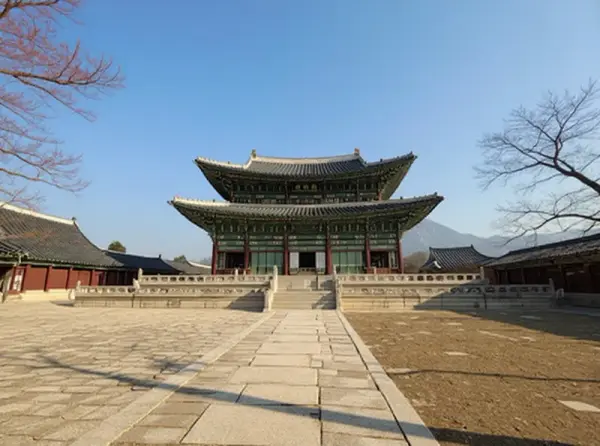
1. Gyeongbokgung Palace
Quick facts: Dawn gilds tiled rooftops and vividly painted eaves, while palace guards in colorful uniforms perform the changing of the guard that fills the courtyard with drumming and fanfare. Visitors can wander restored halls and gardens, with more than a thousand artifacts and reconstructed structures helping to recreate royal ceremonies and daily court life.
Highlights: Imagine walking under a gate first completed in 1395, where lacquered red pillars and centuries-old dancheong patterns shimmer in turquoise and crimson under the sun. Wear a hanbok and the roughly 3,000 won entry fee is waived, and you can watch a vivid Royal Guard Changing Ceremony at the main gate, complete with brass horns, silk banners, and drumbeats that make the plaza thrum beneath your feet.
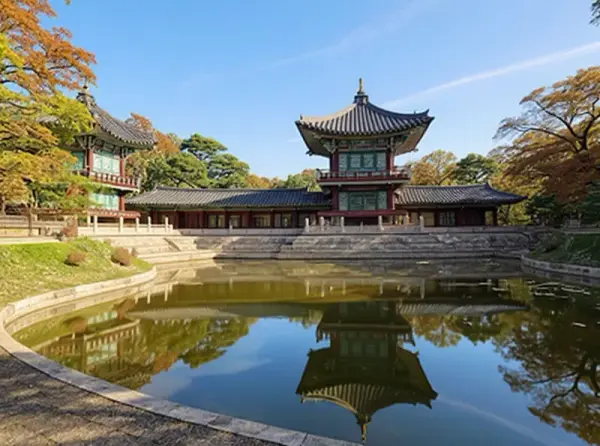
2. Changdeokgung Palace and Huwon (Secret Garden)
Secret Garden
Quick facts: Cool stone walkways, the scent of pine, and mirrored ponds give the grounds an intimate, reflective atmosphere where carp glide under ornate wooden eaves. A tucked-away royal garden unfolds through winding paths and ancient trees, offering secluded pavilions and a hush that still feels like a private retreat for anyone exploring.
Highlights: Finished in 1405, the royal compound hides a 78-acre rear garden where kings once floated lacquered cups down a winding stream so courtiers would snatch them and improvise poems. On quiet mornings the wooden pavilion over the lotus-ringed Buyongji pond smells faintly of pine resin, and gardeners still follow Joseon-era pruning plans to keep views that match paintings centuries old.
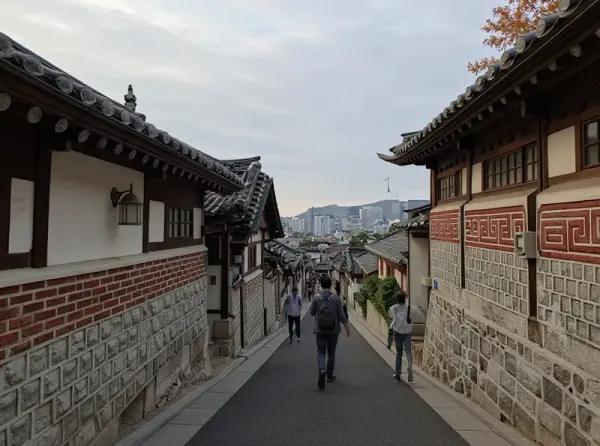
3. Bukchon Hanok Village
Quick facts: Morning light spills across rows of low tiled roofs and wooden beams, turning narrow alleyways into a cinematic patchwork of shadow and texture. Many of the hundreds of traditional houses remain lived-in or serve as tiny museums, cafés, galleries, and guesthouses visitors can enter or stay in.
Highlights: Winding stone alleys thread through roughly 900 wooden hanok, where curved tile roofs and honeyed rice-paper windows make late-afternoon light look like warm syrup and the faint scent of pine and ondol embers hangs in the air. Many of those hanok are still family homes rather than museums, so residents post polite signs asking for quiet and no flash photos, and some open their doors for slow tea ceremonies that reward respectful visitors with creaking floorboards and cups of toasted barley tea.
Have you heard of free walking tours?
After traveling to 30+ countries, there's one thing I wish someone had told me from day one, and it completely changed how I experience new cities.
Free walking tours. Yes, actually free. No credit card needed. No catch.
Local guide, 2-3 hours
Major sights, hidden gems, local stories
100% tip-based
Guides earn only tips, so they give their absolute best
You tip what feels right
At the end, just tip whatever you feel is right
I've done these in dozens of cities and they've been the highlight of almost every trip. If you're visiting Seoul, South Korea, do this on your first day. You'll thank me later.
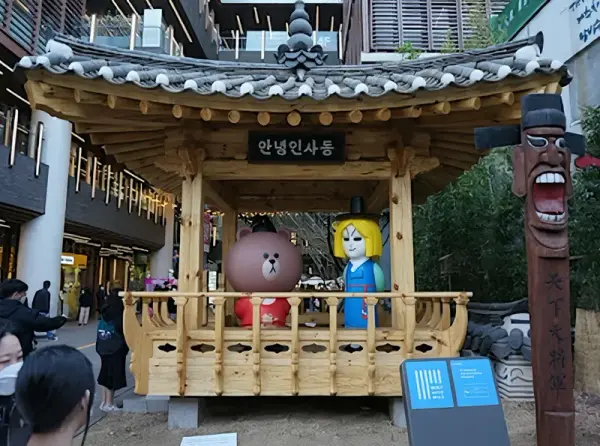
4. Insadong
Quick facts: Wandering the narrow alleys you'll smell roasted chestnuts and tea, while artisan shops display delicate ceramics and calligraphy. Weekend pedestrian-only streets bring pop-up performances and surprising bargains from antique stalls, offering a lively blend of old and new.
Highlights: Wandering the main alley you'll find a spiraling, open-air shopping complex built in 2004, where a continuous walkway wraps a sunlit courtyard lined with dozens of tiny workshops selling hand-painted fans, hanji postcards, and small brassware you can watch being hammered. After dusk, snug teahouses that seat fewer than ten people pour thick, sweet jujube tea from clay pots while an elderly calligrapher on a folding stool offers to stamp your new purchase with his lacquered red seal, a short ritual locals treat like a tiny blessing.
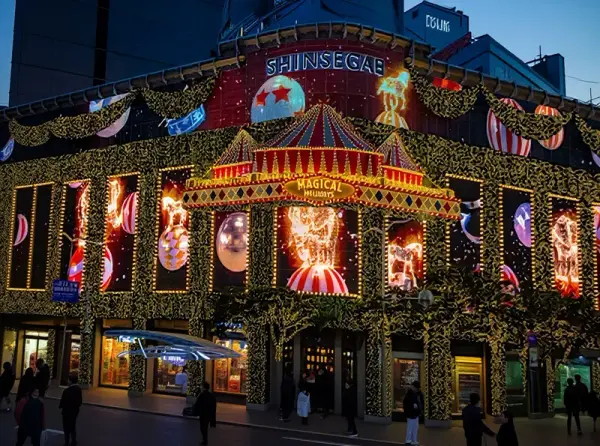
5. Myeongdong Shopping Street
Quick facts: Neon signs and a nonstop buzz of street vendors create a sensory overload, with endless beauty counters and souvenir stalls that make bargain-hunting feel like a treasure hunt. Expect weekend crowds that swell into the tens of thousands, plus late-night food stalls serving sizzling tteokbokki and honey-drizzled hotteok that keep people wandering for hours.
Highlights: By 9 p.m. the main pedestrian avenue fills with more than 300 street-food carts selling sizzling tteokbokki, fluffy hotteok, and savory mandu, while neon signs and K-pop speakers turn the air into a fizzy, sugar-salt mashup. Longtime shopkeepers follow a quirky custom of tossing extra skincare samples or a free hotteok bite to shoppers who haggle with a grin, and you'll often find impromptu dance covers under lampposts as crowds munch and cheer.
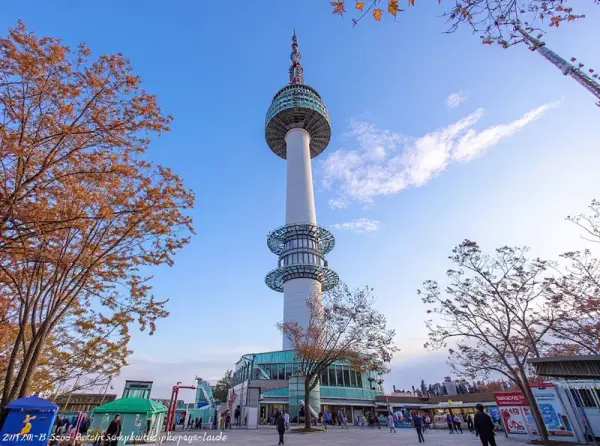
6. N Seoul Tower (Namsan Seoul Tower)
Namsan Seoul Tower
Quick facts: Glass-floored observation decks deliver a vertigo-tinged thrill as city streets shrink beneath your feet, while LED lighting choreographs vibrant color shows that change the silhouette after dark. Neighborhood couples tether tiny padlocks to nearby railings, creating a sparkling mosaic of promises that makes for irresistible nighttime photos and a surprising local ritual.
Highlights: At the observation deck couples and friends clip over 10,000 colorful padlocks to the chain-link fences, some stamped with names and dates and others painted with tiny hearts that glint in sunlight. After dusk the tower's slender 236-meter silhouette runs through rainbows of programmed LEDs, hundreds of lights sequencing in choreographed shows while a pine-scented breeze and the distant city hum make the whole place feel like a private light party.
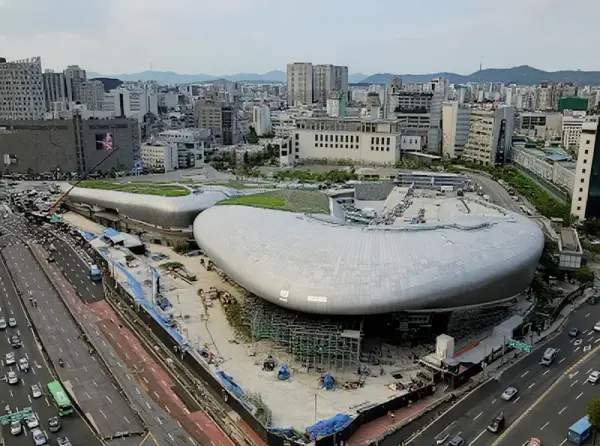
7. Dongdaemun Design Plaza (DDP)
DDP
Quick facts: Step inside and you'll feel like you’re walking through a flowing silver sculpture, with seamless curves and reflective surfaces that scatter light into shifting patterns. Glowing LEDs and a rooftop garden create quiet pockets of wonder, while rotating fashion shows and digital exhibitions keep the atmosphere unexpectedly lively.
Highlights: Zaha Hadid's swooping, spaceship-like structure feels like molten metal frozen mid-flow, its smooth aluminum panels and rounded corridors catching neon reflections and footsteps like a liquid mirror. After dark the site becomes a nocturnal fashion hive: wholesale markets and freelance designers haggle over fabrics and prototypes well into the early morning, and occasional exhibitions scatter thousands of tiny LED 'roses' that blink underfoot like a slow constellation.
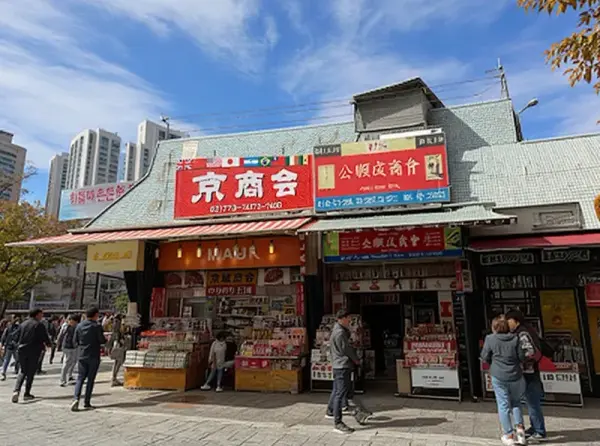
8. Namdaemun Market
Quick facts: Hungry shoppers weave through narrow alleys where stalls pour out sizzling street-food aromas and neon-lit signs beckon bargain hunters. Vendors often display thousands of small goods by type, so you can haggle for everything from vintage textiles to quirky kitchen tools without missing a beat.
Highlights: Wander the alleyways and you’ll find over 10,000 tiny stalls where vendors shout offers, the air is thick with nutty roasted sesame and the sweet steam of hotteok sizzling on flat irons at 4 a.m.; bargaining becomes a lively theater as wholesalers unload plastic crates in the dawn light. Ask for a discount and watch a vendor jot a price on a yellowed receipt with a blue pen, then press a steaming cup of tteokbokki or soondae into your hands as a free sample, the little ritual often turning a haggled price into a grin.
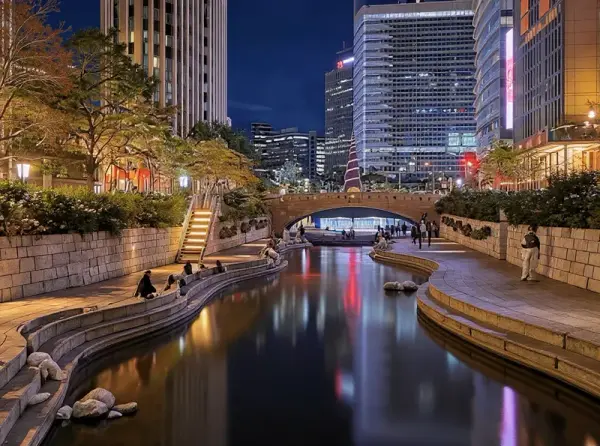
9. Cheonggyecheon Stream
Quick facts: Walking along the restored urban stream, you can hear trickling water soften the city's roar and watch tiny fish dart among the stepping stones. Nighttime lighting and graceful bridges transform a once-buried concrete channel into a calm green ribbon that draws millions of visitors annually.
Highlights: After a bold 2005 restoration the 10.9-kilometer channel that had been buried beneath highways became a shallow, babbling stream lined with 22 bridges, where the steady plash of water drowns out car horns and you can spot bronze fish sculptures and moss-slick stone steps. At dusk dozens of LED-lit art pieces and seasonal paper lanterns float along the surface, while the air carries the cool, mineral smell of wet stone and the sweet, yeasty scent of nearby tteok from street stalls, making evening walks feel like a quiet riverside market tucked between glass towers.
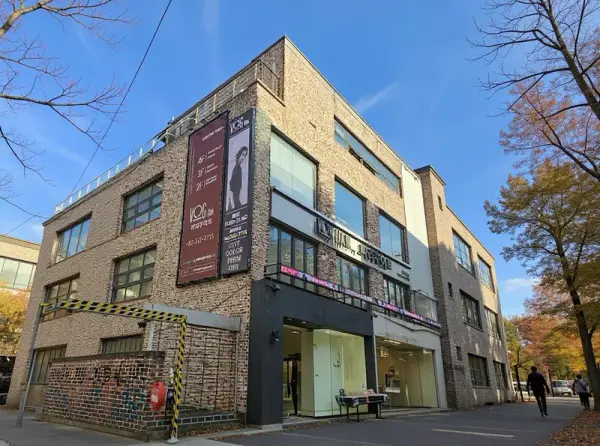
10. Hongdae (Hongik University Street)
Hongik University Street
Quick facts: Neon-lit streets pulse with live buskers, indie bands, and spontaneous dance circles that turn nights into a nonstop street festival. Wandering between tiny galleries and popup cafés reveals quirky zines, experimental fashion stalls, and street food that fuses traditional tastes with bold modern twists.
Highlights: At night the streets turn into an indie festival, with at least 15 busking acts crammed into a three-block stretch, neon signs buzzing overhead and the warm scent of spicy tteokbokki and frying dough in the air. A quirky local ritual has students clipping tiny painted padlocks and handwritten notes to a low metal railing by the playground, some locks dated as far back as 2001 with glittery gel-pen scrawls and stickers peeling at the edges.
Where to Stay in Seoul, South Korea
Selected by City Buddy based on guest reviews and proximity to top attractions
Search all hotels in Seoul, South KoreaPowered by agoda
Traditional Sweet Dishes
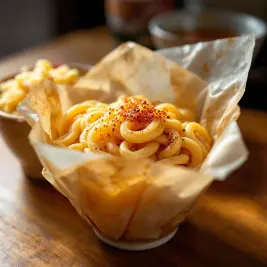
Hotteok
Hotteok are warm street pancakes filled with molten brown sugar, chopped nuts and cinnamon, and their syrupy interior spills out in a way that makes biting one a joyful, sticky ritual on Seoul's winter streets.
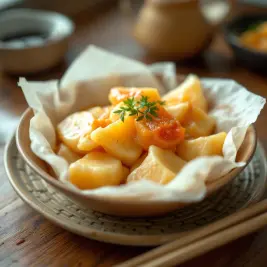
Yakgwa
Yakgwa are flower-shaped honey cookies fried and soaked in syrup, originally enjoyed at royal banquets and festive ceremonies, and their dense, chewy texture has kept them a celebratory treat for centuries.
Traditional Savory Dishes

Kimchi
Kimchi ferments vegetables into a tangy, spicy powerhouse of probiotics and vitamins, and Koreans have developed hundreds of regional varieties that change with the seasons.
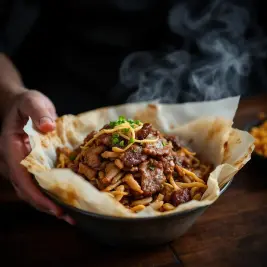
Bulgogi
Bulgogi is thinly sliced beef marinated in soy, sugar, garlic and sesame, grilled quickly until the edges caramelize, and it was historically a special-occasion dish that brings sweet and smoky notes to the table.
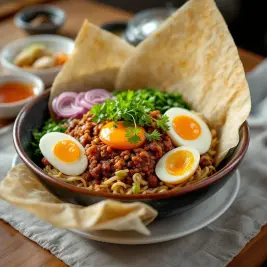
Bibimbap
Bibimbap layers rice with colorful vegetables, meat and gochujang for a balance of texture and flavor, and when served in a sizzling stone bowl it develops a crunchy, prized crust of rice.
Traditional Beverages
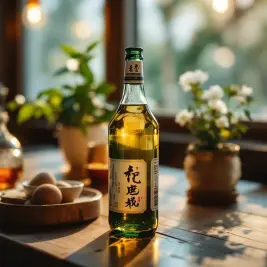
Soju
Soju is a clear, subtly sweet spirit sipped alongside meals, and it is the best-selling liquor in the world by volume, outselling many global favorites.

Makgeolli
Makgeolli is a milky, lightly fizzy rice wine once favored by farmers, its cloudy, unfiltered body carries tangy sweetness and live cultures that give it a rustic, probiotic quality.

Korean tea
Korean teas range from roasted barley boricha to delicate green tea and floral infusions, and the darye tea ceremony emphasizes simplicity and respect, making tea a practice of calm and seasonal appreciation.
Frequently Asked Questions about Seoul, South Korea
What is the best time to visit Seoul, South Korea?
Is Seoul, South Korea expensive for travelers?
How safe is tap water in Seoul, South Korea?
How do tourists typically get around Seoul, South Korea?
How many tourists visit Seoul, South Korea each year?
Get a PDF with the most popular attractions sent to your email
Get a PDF with all attractions, ratings, and tips. Perfect for offline use.
Most popular day trips
Nami Island (Gapyeong)
Scenic island with tree-lined paths and a popular filming site.
DMZ / Panmunjom
Guided tours to the DMZ and the Joint Security Area.
Suwon — Hwaseong Fortress
UNESCO fortress with walls, gates and historic downtown.
Incheon — Chinatown & Songdo
Coastal city with modern Songdo and historic Chinatown.
Jeonju Hanok Village
Traditional hanok village famous for food and culture.
Rent a car in Seoul, South Korea
Getting there
Train stations
Gyeongbu KTX, AREX, multiple subway lines
KTX (to Busan/Gwangju), ITX and regional services
Take the AREX Express from Incheon to Seoul Station (≈43 min) or airport limousine buses for direct hotel stops.
Find flights to Seoul, South Korea
Click to get eSim for Seoul, South Korea
The easiest and most affordable way to get mobile internet wherever you travel.
Comments (8)
Seoul blew me away, food markets every corner, subway spotless and fast. Three days felt way too short, need to come back.
Buy a T-money card at any convenience store, top up with cash. Works on subway, buses and taxis, saves time and exact change headaches.
Skip the main Myeongdong stalls, walk 2 or 3 blocks into side alleys for cheaper, better eats, locals actually eat there.
Modern, efficient city but air quality on some days made parks and hikes unpleasant. Check the forecast before booking outdoor plans.
Many museums do free or discounted entry at specific times, check schedules. Also use KakaoMap for transit and real walking times.