 CityBuddy
 English
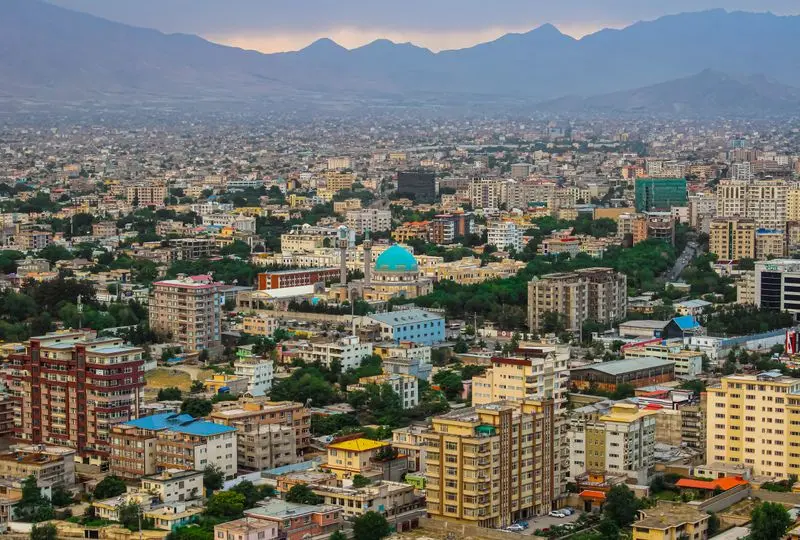
Things to Do in Kabul, Afghanistan
Photo made by Abdul Naser Sahebzada on Pexels.com
When to visit
Most popular attractions in Kabul, Afghanistan
Things to do in Kabul, Afghanistan. First, you should visit the Babur Gardens, built in the 16th century. From the elevated grounds, you can take in a panoramic view of the city, and the sunset scenery is especially spectacular. Next, at the National Museum of Afghanistan, you can admire a collection of approximately 100,000 artifacts, including relics from the 2nd millennium BC. Finally, the Darul Aman Palace is a moving place where the architectural beauty of the 1920s coexists with the traces of its ruin.
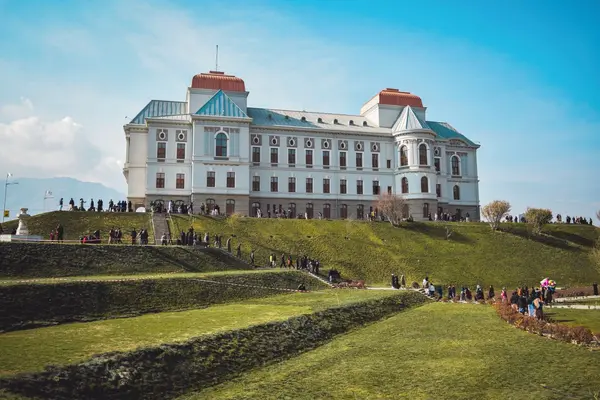
1. National Museum of Afghanistan
Around 100,000 treasures that condense Afghanistan's diverse history await you. This is a precious opportunity to see with your own eyes a hidden collection that survived the flames of war.
Quick facts: It boasts a collection of approximately 100,000 items, of which about 80 percent were gradually repatriated to the country starting in 2011. The collection covers artifacts from the 2nd millennium BC to the 20th century, encompassing diverse eras such as Greco-Bactrian, Kushan, and Islamic periods.
Highlights: During the civil war of the 1990s, many of the museum's precious items were looted or destroyed, but a "secret collection" that staff members had quietly hidden, including valuable sculptures and murals, was safely discovered in 2003. Among the successfully concealed items were a 2nd-century terracotta Buddha statue and the world-famous Bactrian golden jewelry artifacts, which have been restored and remain on display today.
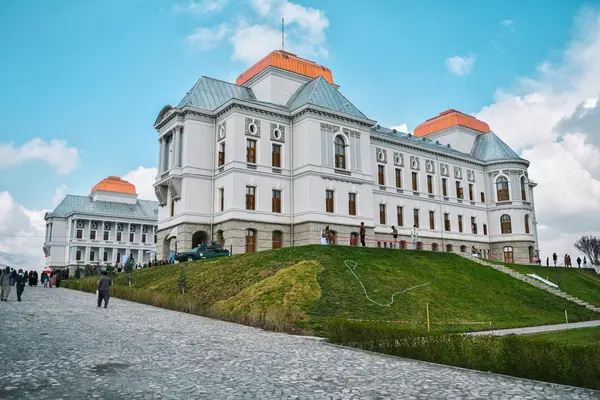
2. Darul Aman Palace
A magnificent palace embodying the dream of Afghan modernization has been resurrected from the ashes of war. An unforgettable spatial experience awaits, where gleaming white domes and traces of bombardment coexist.
Quick facts: This massive palace towering on a hill in western Kabul was built in the 1920s as a symbol of an era that sought to modernize the country. Although it suffered major damage during the civil war, recent restoration work has once again revealed its magnificent form to the public.
Highlights: The great dome, about 30 meters tall and rising from the center of the facade, combined with the white stone walls, catches the eye even from a distance. While artillery scars from the civil war remain on the exterior walls, the restored interior grand staircase and rooms evoke both the former royal life and the memory of war at the same time.
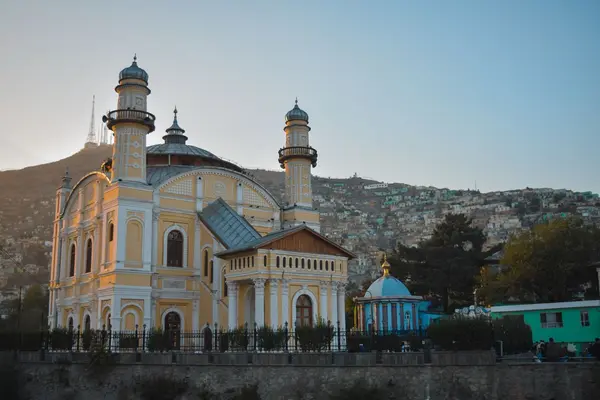
3. Shah-Do Shamshira Mosque
An unusual mosque with a golden dome and white walls that stands out in Kabul's old town. The evening view from the riverside will make an unforgettable picture.
Quick facts: Standing on the north bank of the Kabul River, this mosque with its two minarets and brass dome possesses a unique architectural style said to be unmatched in Afghanistan. Its name means "Mosque of the King's Brother-in-Law," and it is a historic structure built in the 18th century.
Highlights: This mosque, which stands out strikingly in the heart of Kabul's old city, has an exterior unlike any other in the country, blending Italian Baroque style with Islamic architecture. The golden dome and white walls stand out prominently from the riverside streetscape, and its silhouette at dusk is truly breathtaking.
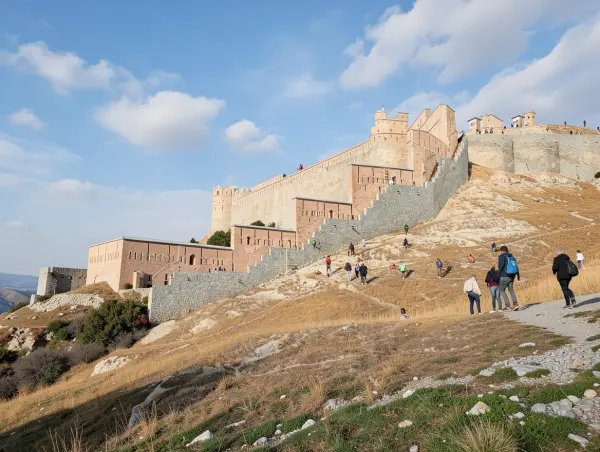
4. Bala Hissar Fortress
The highest point where you can experience Afghanistan's history. Gaze over the city from atop the fortress and walk along walls inscribed with the memories of centuries of rulers.
Quick facts: This hilltop fortress was once used as a royal palace and garrison, situated on elevated ground overlooking all of Kabul. Throughout history, its rulers changed many times, and parts of it are now open to the public as a museum.
Highlights: Looking down from the ramparts, Kabul's cityscape spreads out like a panorama, allowing you to simultaneously view the contrast between the old city and the new city below. Especially at dusk, an unforgettable sight awaits as the silhouettes of Afghanistan's mountains blend with the city lights.
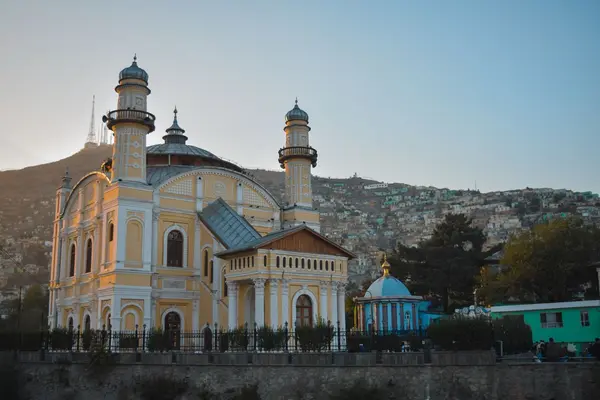
5. Abdul Rahman Mosque
A place of worship striking for its white and blue domes that stand out against Kabul's cityscape. In this quiet space, you can feel local faith and culture up close.
Quick facts: Located along Pasabun Street in Kabul, this mosque is marked by its white dome and is affectionately known locally as the "Haji Abdul Rahman Grand Mosque." It serves not only as a place of worship but also as a community hub used for local gatherings and events.
Highlights: The sight of two large blue-green domes side by side is a striking silhouette within Kabul, and in the evening the tips of the domes glow orange in a beautiful display. It is relatively quiet outside of prayer times, making it a peaceful place to admire the architectural details.
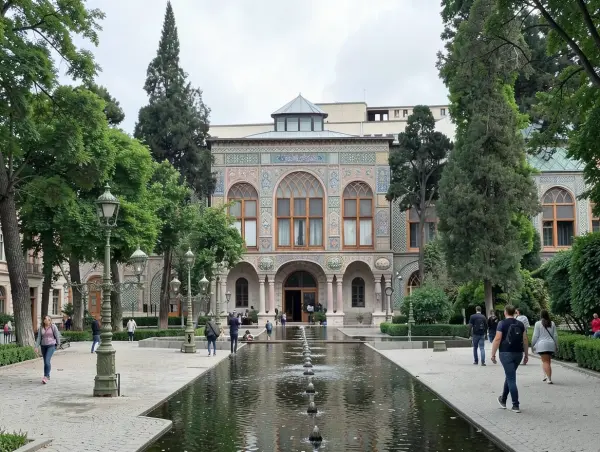
6. Gulistan Palace
A one-of-a-kind space where you can experience the essence of Persian architecture. The Hall of Mirrors and marble throne open up a world of timeless beauty.
Quick facts: This place is registered as "Golestan Palace" on Google Maps, with its address along Panzdah-e Khordad Street in Tehran. Although it is included in Kabul's tourist route, its actual location is in the center of Tehran, the capital of Iran.
Highlights: The marble throne hall features a ceiling adorned with countless pieces of mirror, which sparkle like a kaleidoscope when light hits them. The tile murals of this palace, built in the 19th century, still vividly depict heroes from Persian epic poetry.
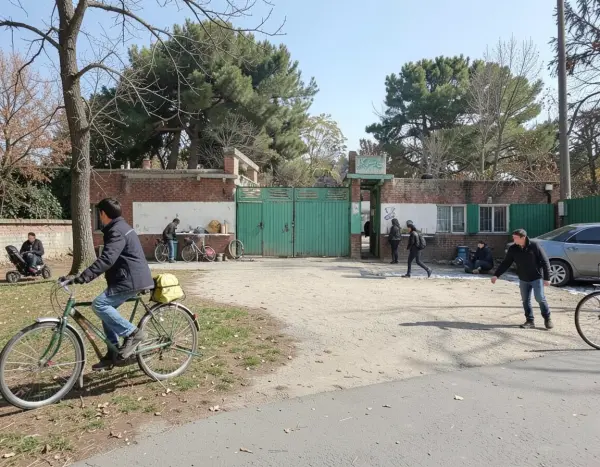
7. Kabul Zoo
One of Kabul's few places of tranquility where you can meet animals who survived the war and still live there today. Observe Marjan the lion and a variety of wild birds up close, and share peaceful moments with local families.
Quick facts: Located about 20 minutes by car from the city center in a corner of Asmai Street, this zoo houses approximately 280 species of animals. Despite experiencing the ravages of war many times throughout its long history, it is now cherished as a place of relaxation for families.
Highlights: The most popular resident of the zoo is Marjan, a lion who survived despite losing one eye in the war. His presence has become a symbol of hope and recovery for the Afghan people, and many visitors spend a long time in front of his cage.
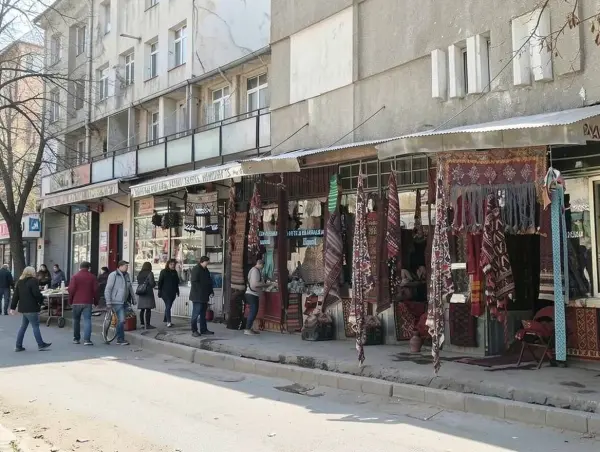
8. Chicken Street
Walking through the shopping streets where Kabul's daily life is concentrated, you'll encounter the vitality of the market and the warmth of the merchants. Wrapped in the scent of spices and the colors of fabrics, an experience of bargaining banter awaits.
Quick facts: Located in central Kabul, this street is a long-established shopping area that is indispensable to the daily lives of locals. It was named for the chicken vendors that once lined the street, but today it has become a market offering a wide range of goods including sundries, clothing, and daily necessities.
Highlights: Many of the shops lining the street are family-run establishments passed down through generations, with the same families continuing to sell the same goods for several generations. Unlike other markets in Kabul, traditional commercial practices remain strongly rooted here, and bargaining with shopkeepers is the highlight of the day's shopping.
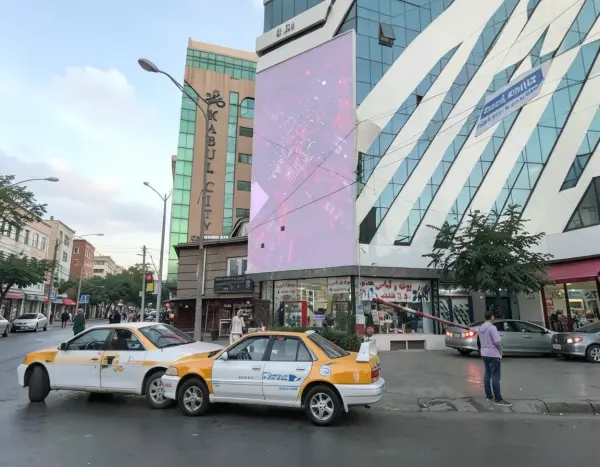
9. Kabul City Center
If you want to spend a full day shopping and dining in Kabul, this is the shortest route. You can experience the vibrant daily life of local people exactly as it is.
Quick facts: This is one of the few full-fledged commercial facilities facing a main boulevard in central Kabul, with clothing stores, electronics retailers, and restaurants occupying multiple floors. As one of the first buildings in the city to be equipped with elevators and escalators, it has become an essential part of local residents' daily lives.
Highlights: From the outside it looks like an ordinary office building, but once inside, the atmosphere changes completely from floor to floor, with a unique acoustic blend of each shop's music and chatter filling the atrium space. From the rooftop, Kabul's cityscape can be seen in full, and the view of the Hindu Kush mountains turning orange at dusk is particularly spectacular.
What to pre-book in Kabul
These sell out or need a reservation. Book them first, in this order.
- 1.Gulistan PalaceBook a day aheadA few days ahead
Where to Stay in Kabul, Afghanistan
Selected by City Buddy based on guest reviews and proximity to top attractions
Search all hotels in Kabul, AfghanistanPowered by agoda
Opening days in Kabul, Afghanistan
Which of the top sights close on which day of the week — the classic trip-ruiner, checked for you.
Thursday: 1 of 7 top sights closed — plan museums for another day.
Closed on Thursday · 1 closed, 6 open
Opening days from Google Maps (checked 2026-10-13). Public holidays, strikes and seasonal hours can differ — check the official website before you go.
Traditional Sweet Dishes
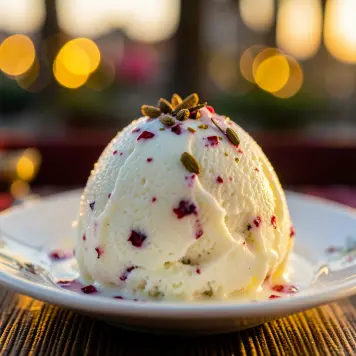
Sheer Yakh
Sheer Yakh is a traditional Afghan ice cream made from milk, sugar, and salep, often flavored with rosewater and cardamom. It gets its name from the Persian words for "milk" and "ice," and is known for its dense, stretchy texture.
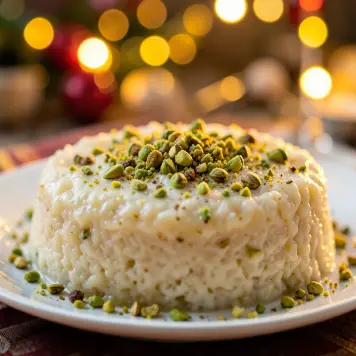
Firnee
Firnee is a creamy rice pudding dessert dusted with ground pistachios and cardamom. It is a beloved treat served during Afghan celebrations, especially at Nowruz, the Persian New Year.
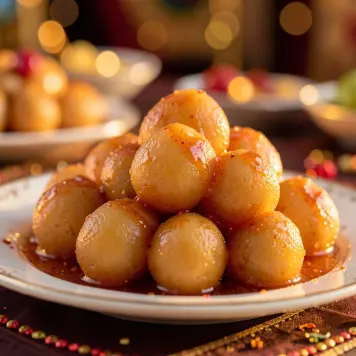
Gulab Jamun
Gulab Jamun are soft, syrupy dumplings made from milk solids and soaked in a rose-scented sugar syrup. While popular across South Asia, they are a favorite sweet in Kabul and are often served at weddings and festive gatherings.
Traditional Savory Dishes
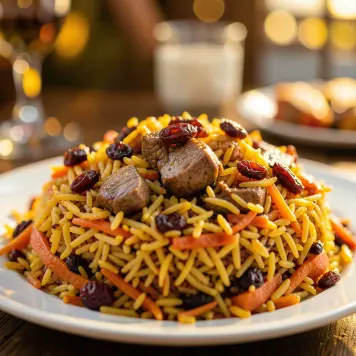
Kabuli Pulao
Kabuli Pulao is Afghanistan's national dish, featuring basmati rice layered with caramelized carrots, raisins, and tender lamb or beef. It is said to have originated in Kabul itself and is the centerpiece of nearly every Afghan feast.
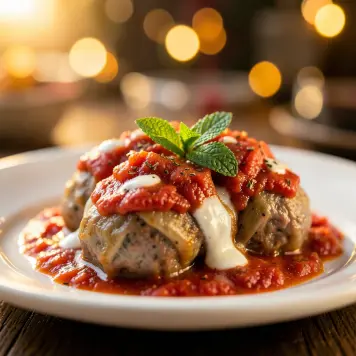
Mantu
Mantu are steamed beef or lamb dumplings topped with a rich tomato and yogurt sauce, then finished with dried mint. They are traditionally hand-folded by families in Kabul and served on Fridays and special occasions.
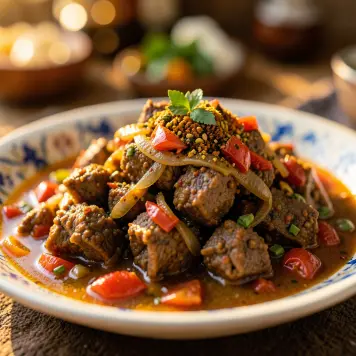
Qorma E Gosht
Qorma E Gosht is a slow-cooked meat stew simmered with onions, tomatoes, and a fragrant blend of Afghan spices. Each family in Kabul has its own treasured recipe, passed down through generations.
Traditional Beverages
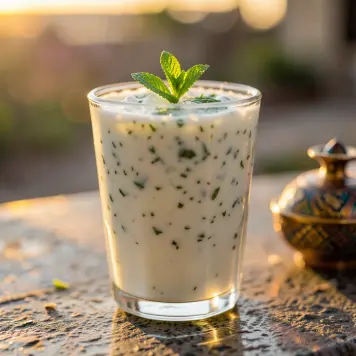
Doogh
Doogh is a refreshing yogurt-based drink blended with mint and salt, enjoyed across Kabul. It is the perfect companion to heavy rice dishes and is served chilled throughout the hot Afghan summers.
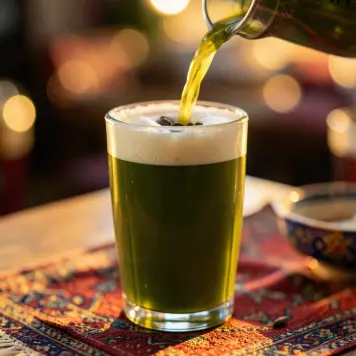
Chai (Kabuli Green Tea)
Green tea, often flavored with cardamom, is the most consumed beverage in Kabul and is served with nearly every meal. It is poured from a height to create a frothy top, a traditional sign of hospitality.
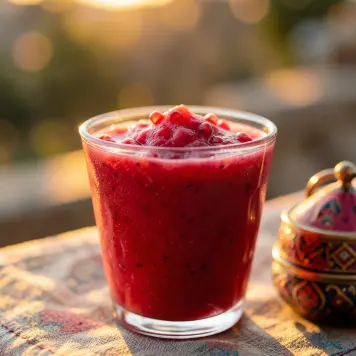
Sherbet Anar
Sherbet Anar is a sweet and tangy pomegranate juice drink native to Afghanistan, which grows some of the world's finest pomegranates. It is especially popular during the autumn harvest season in Kabul.
Frequently Asked Questions about Kabul, Afghanistan
Is Kabul, Afghanistan safe?
How many days should I stay in Kabul, Afghanistan?
What is the best time to visit Kabul, Afghanistan?
Is the cost of living high in Kabul, Afghanistan?
How should I get around in Kabul, Afghanistan?
Get a PDF with the most popular attractions sent to your email
Get a PDF with all attractions, ratings, and tips. Perfect for offline use.
Most popular day trips
Bamiyan Valley
Historic valley with ancient Buddha niches and stunning cliffside scenery
Panjshir Valley
Scenic mountain valley known for its natural beauty and emerald mines
Salang Pass
High mountain pass offering dramatic views of the Hindu Kush range
Istalif
Picturesque hillside village famous for pottery and terraced gardens
Wardak Province
Rugged highland region with traditional villages and alpine meadows
Getting there
Airports
Train stations
Limited service, mostly freight; passenger rail network is minimal
Kabul Airport is only 5 km from the city center. Take a pre-arranged hotel shuttle or licensed taxi, as public transport is unreliable. Road travel is the main way in and out of the city.
Useful information for Kabul, Afghanistan
Overview for Kabul, Afghanistan
Want a day-by-day plan for Kabul, Afghanistan? Open the trip planner
Plan your perfect trip to Kabul, Afghanistan
Get a complete travel plan built just for you in under 30 seconds, with daily routes, local food tips, budget estimates and more.
Are any of these especially important to you?
Select all that apply
Getting around
How do you want to move between places?
Plan language: English