 CityBuddy
 English
Tourist scams and rip-offs in Buenos Aires, Argentina: how to avoid them
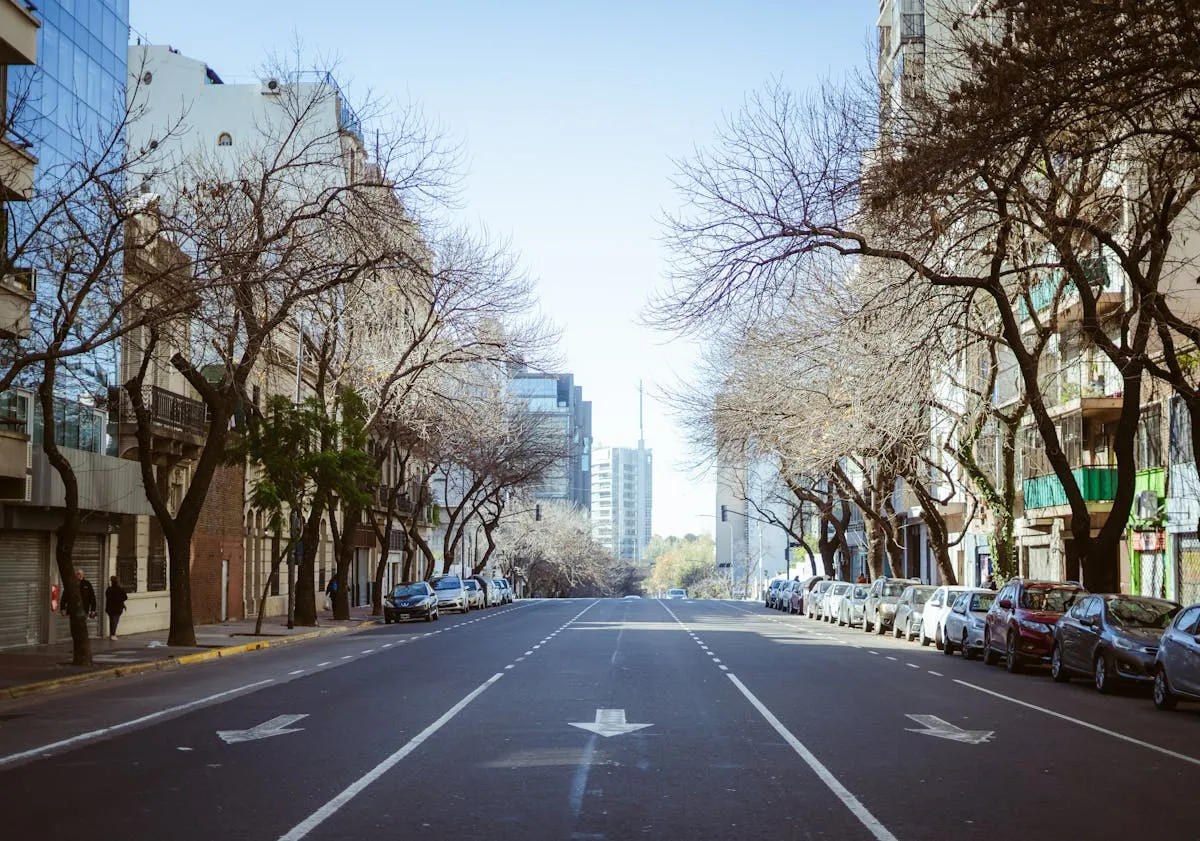
Photo made by Andres Alaniz on Pexels.com
Buenos Aires is a lively and generally safe city for tourists, but petty theft and overcharging are common in crowded areas, on public transport, and around the airport. The biggest watch-out is inflated prices for taxis, tours, and restaurant bills, along with pickpocketing in crowded spots like busy avenues and the Subte.
Updated October 2026
Common scams in Buenos Aires, Argentina and how to avoid them
1. Unlicensed airport drivers
How it works: Drivers without official permits approach arriving passengers inside the terminal with high fixed prices and no meter, often charging several times the fair rate.
How to avoid it: Use only the official taxi rank outside arrivals or a ride app like Cabify with upfront pricing.
2. Pickpocketing on Subte and buses
How it works: Thieves crowd around tourists at busy stations and swipe phones and wallets from open bags or back pockets during boarding rush.
How to avoid it: Keep bags zipped and in front, avoid using phones near doors, and stay alert during peak hours.
3. Bad-rate street exchange
How it works: Exchange booths and informal money changers near tourist areas quote poor rates or give short change, sometimes with counterfeit notes.
How to avoid it: Use bank ATMs or take your SUBE card and pay by card. If exchanging cash, use a bank or official cambista with posted rates.
4. Bill-padding in tourist zones
How it works: Some restaurants add unrequested items, an inflated service charge, or omit menu prices, especially where tourists gather.
How to avoid it: Ask to see the menu with prices, check the bill line by line, and dispute any charge you did not order.
5. Fake ticket or tour sellers
How it works: Individuals sell counterfeit show tickets, fake tango show passes, or unofficial city tours that overcharge or vanish.
How to avoid it: Buy tickets only from official venues, the city tourist office, or reputable platforms. Ignore street touts.
6. High-fee standalone ATMs
How it works: Independent ATM machines in tourist corridors charge large withdrawal fees and give poor exchange rates on top of bank fees.
How to avoid it: Withdraw from bank-attached ATMs inside branches, choose pesos, and decline the offered conversion rate.
Official tickets for the top sights in Buenos Aires, Argentina
Skip street sellers: book official tickets and tours with free cancellation.
From the airport to the city centre
Ministro Pistarini International Airport (Ezeiza)
Use the official taxi rank just outside arrivals, not unlicensed drivers who approach you inside the terminal. Agree on the fare or insist on the meter. Apps like Cabify are a reliable alternative with upfront pricing.
Best alternative: Tienda Leon coach to Retiro bus terminal, or the Manuel Tienda Leon shuttle to city hotels (about 60 min)
Public transport: tickets, validation and fines
- Validation rules
- You must tap the SUBE card at the turnstile before boarding. No paper tickets are sold on the Subte. Buses also require tapping the SUBE card on the validator by the driver. Always carry a valid tapped card; no tapping means no valid ticket.
Tipping and service charges
Tipping: Around 10 percent is expected in restaurants and taxis. Rounding up in cafés is common. Not mandatory but widely practiced.
Cover and service charges: A servicio (service) charge of around 10 percent is often included in the bill. Check before adding an extra tip. Cover or bread charges are uncommon. Always ask to see the menu with prices before ordering, as some tourist-oriented places overcharge.
Cards, ATMs and currency exchange
Always choose to be charged in Argentine pesos (ARS) at card terminals and ATMs, and decline dynamic currency conversion. Prefer ATMs attached to major banks. Independent ATM machines in tourist areas often charge high fees and use poorer rates. Exchange at official banks or use card payments rather than street exchange booths near tourist squares, which give poor rates.
Areas where extra care is advised
- Retiro and Once stations: Around these main bus and train terminals late at night, keep bags closed and stay alert for pickpocketing and bag snatching.
- La Boca tourist strip: Along the Caminito tourist area, keep valuables out of sight and stick to the main pedestrian routes, as street theft is reported nearby.
Emergency number
911
Planning your budget?
Frequently Asked Questions about Buenos Aires, Argentina
Is Buenos Aires, Argentina safe for tourists?
Do I need to validate public transport tickets in Buenos Aires, Argentina?
Is tipping expected in Buenos Aires, Argentina?
What is the emergency number in Buenos Aires, Argentina?
Based on widely reported traveler experiences and official advice. Prices are approximate and change; check current fares on arrival. Updated October 2026.