 CityBuddy
 English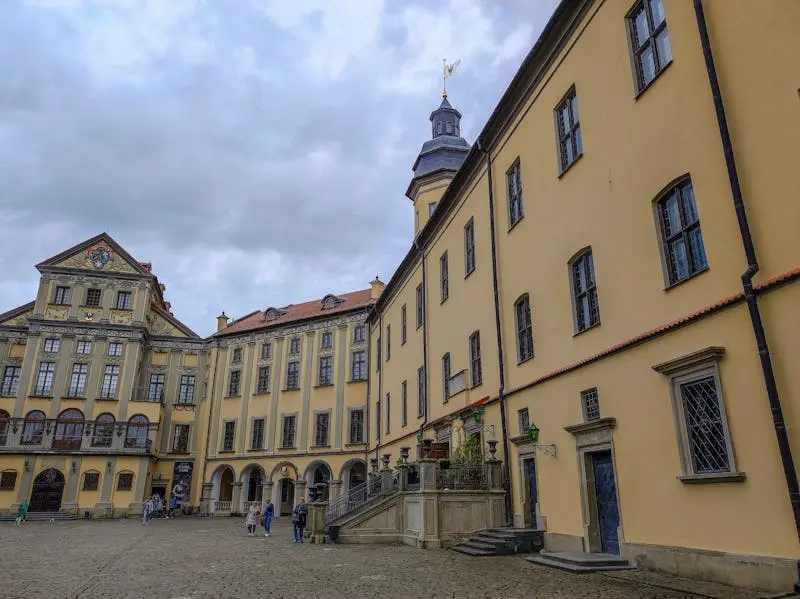
Things to Do in Brest, Belarus
Photo made by Sun452 on Pexels.com
When to visit
Most popular attractions in Brest, Belarus
When asked what is worth seeing in the city of Brest, the most important site is the Brest Fortress, a majestic defensive complex founded in 1842. The nearby Railway Engineering Museum exhibits dozens of historic steam locomotives. A romantic afternoon can be spent in Brest's central park, where rare tree species grow.
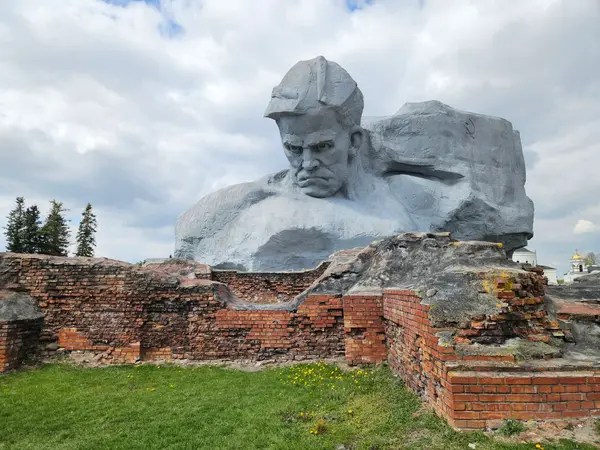
1. Brest Fortress
Here every brick recalls the courage of people, when in 1941 a handful of soldiers held the defense for weeks against a thousand-strong army. You walk through gigantic bastions, while beneath your feet you can hear the echoes of history resounding.
Quick facts: This fortress took the main blow in the first minutes of the Great Patriotic War, and its defenders held out for nearly a month without water or food. The walls are still scarred with bullet marks, and one of the entrances, the Kholm Gate, gleams with bricks polished by coal.
Highlights: Beneath the fortress stretches a network of underground tunnels 8 kilometers long, through which defenders secretly moved between bastions. In 1965, the fortress was given the name "Hero Fortress"; only three places in the entire country hold such a title.
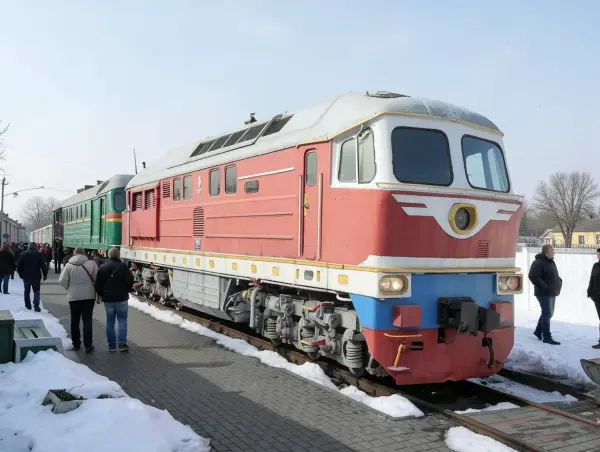
2. Museum of Railway Engineering
Here a parked train tells a century-old railway history. More than 70 rolling stock exhibits can be viewed up close, feeling the breath of the steam engine.
Quick facts: This open-air site features over 70 steam, diesel, and electric locomotives, some of which were built as early as the 19th century. The largest exhibit weighs 165 tons, a Soviet-era heavy steam locomotive FD that could pull cargo for an entire kilometer.
Highlights: One of the most surprising exhibits is a German narrow-gauge steam locomotive used by the Wehrmacht on the Eastern Front, and after the war it served for decades in the peat bogs of Belarus.
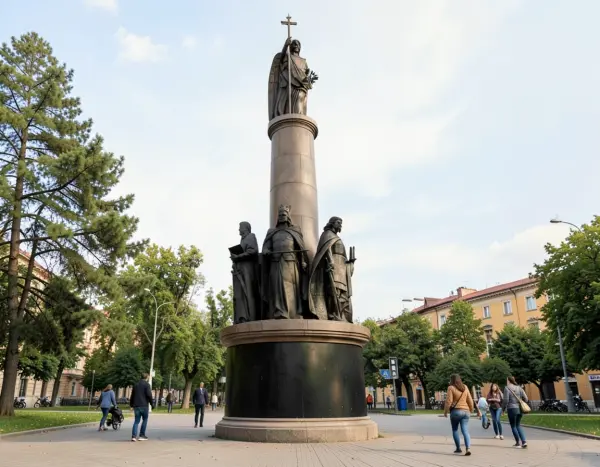
3. Millennium Monument of Brest
Here a thousand-year history meets modern sculpture. Around the monument you will see six historical figures carved in stone, as if a moment frozen in time.
Quick facts: This monument was opened in 2009 and is one of the tallest memorial columns in Eastern Europe, reaching a height of 19 meters. It symbolizes 1000 years of Brest's history, from ancient times to modern days, and six historical figures are carved on it, including Prince Vladimirovich and Brest's first printer.
Highlights: At night the monument is lit with dramatic light that highlights every relief detail, from soldiers' armor to book pages. Locals say the best time to see the monument's true face is at sunset, when shadows create the illusion that the figures are moving.
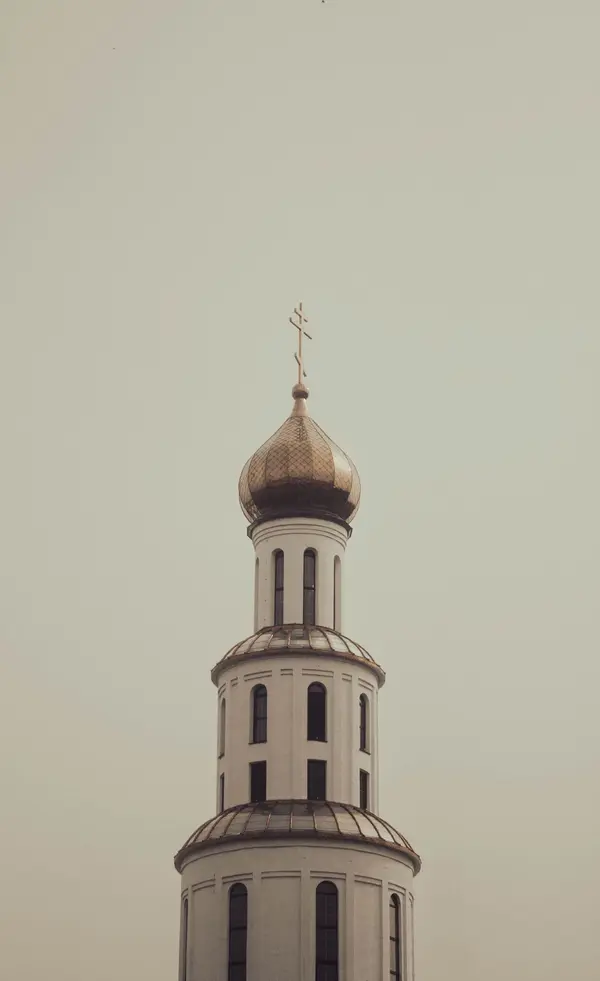
4. Holy Resurrection Cathedral
Step into a sanctuary where Eastern and Western architectural traditions merge. Experience the breathtaking splendor of the iconostasis and the mystery of centuries-old frescoes.
Quick facts: This church, built in the 19th century, is an Orthodox shrine renowned for its unique architecture. Every day hundreds of believers and tourists from all over the world visit it.
Highlights: The church walls are decorated with hand-painted fresco cycles depicting scenes from the Old Testament. One of the most impressive elements is the 27-meter-tall iconostasis covered in gold leaf and carved with intricate ornaments.
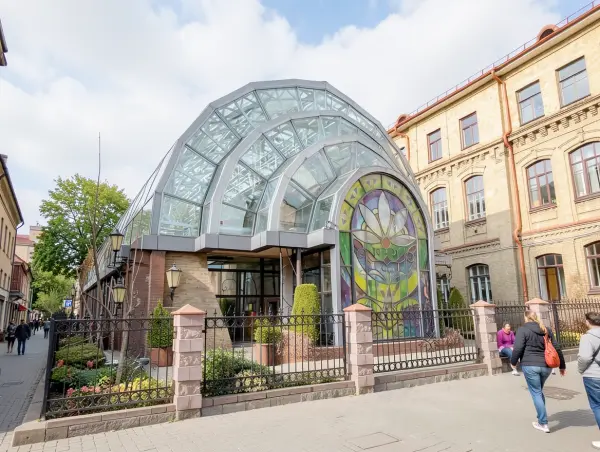
5. Winter Garden Complex
A stroll through tropical jungles in the middle of a white winter city. Hundreds of orchids, palm avenues and the sounds of falling water will create a complete escape from reality.
Quick facts: It is the largest winter garden in Europe, covering an area of 1.1 hectares. The collection contains more than 3,000 plant species from all continents of the world.
Highlights: Inside hides an 8-meter-high waterfall that sounds louder than the street noise outside the walls. Walking among palm trees and tropical trees in winter, you can hear the songs of exotic birds while a blizzard rages outside.
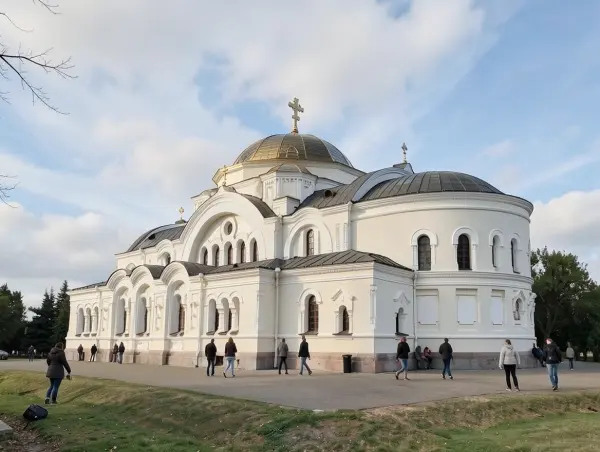
6. St. Nicholas Garrison Cathedral
Here military history meets spiritual heritage. Climbing up to the belfry, you will see a bird's-eye panorama of the Brest Fortress.
Quick facts: This Orthodox church was the last Eastern Orthodox sanctuary built in the Russian Empire before World War I. Its walls also remember the signing of the Treaty of Brest-Litovsk in 1918.
Highlights: During the Soviet era, an officers' club was established here, and a billiard table stood in the altar. Today, authentic late 19th-century frescoes, which have survived beneath all the layers of history, can still be seen in the sanctuary.
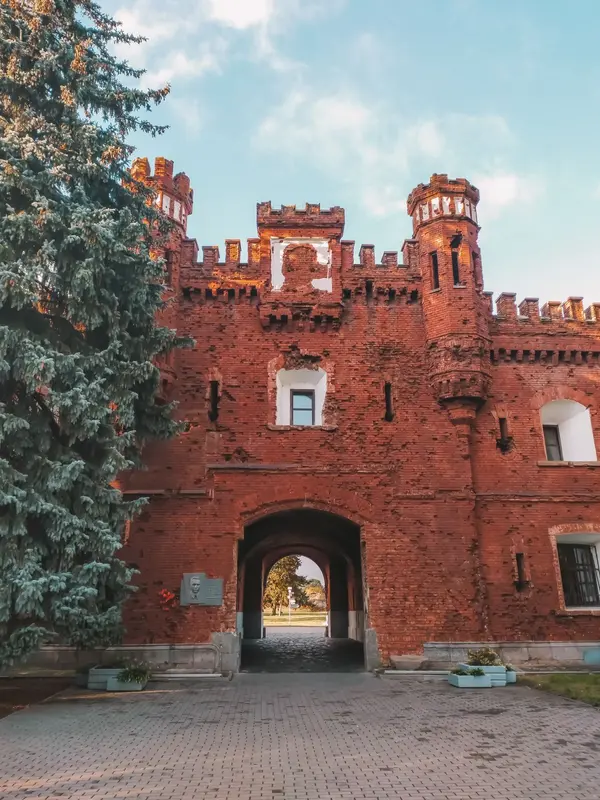
7. Kholm Gate
Here history is carved straight into the bricks. You will touch walls that remember the fall of empires and heroic defense.
Quick facts: This part of the fortress gate has remained almost untouched since the late 19th century. Every year, more than 300 thousand visitors pass through it.
Highlights: Bullet and shrapnel marks from the defensive battles of 1941 are still visible in the bricks of the gate. At night, you can see spotlights illuminating the original 19th century arches, creating a mystical play of light on the ancient walls.
Where to Stay in Brest, Belarus
Selected by City Buddy based on guest reviews and proximity to top attractions
Search all hotels in Brest, BelarusPowered by agoda
Opening days in Brest, Belarus
Which of the top sights close on which day of the week — the classic trip-ruiner, checked for you.
Monday: 2 of 7 top sights closed — plan museums for another day.
Closed on Monday · 2 closed, 5 open
Opening days from Google Maps (checked 2026-08-05). Public holidays, strikes and seasonal hours can differ — check the official website before you go.
Traditional Sweet Dishes
Krambambula
This honey based spiced dessert drink is named after a popular Belarusian folk punk band. It is traditionally served warm during winter festivals and celebrations.
Babka
Belarusian babka is a sweet yeast cake with raisins, often baked for Easter. The name comes from the word for "grandmother" because of its tall, rounded shape.
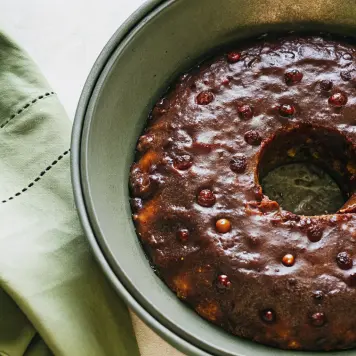
Kulaga
This thick, fruity dessert is made from wild berries, honey and flour. It was historically slow cooked in clay pots inside traditional Belarusian stoves.
Traditional Savory Dishes
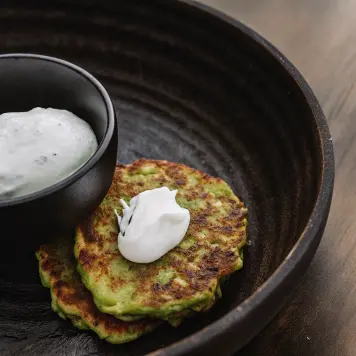
Draniki
These crispy potato pancakes are the national dish of Belarus. In Brest, they are often served with sour cream and a garlicky mushroom sauce.
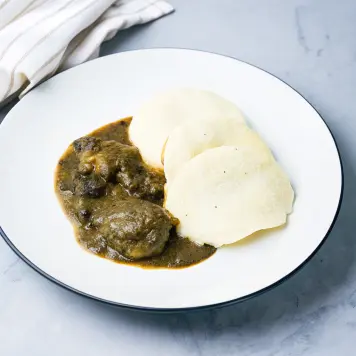
Machanka
This rich meat gravy is made from pork or sausage and served with thick pancakes called bliny. It is a staple Sunday meal in the Brest region.
Kolduny
These stuffed potato dumplings resemble small pies and are traditionally filled with minced meat and mushrooms. They are named after the Belarusian word for "sorcerers."
Traditional Beverages

Kvass
This fermented rye bread drink has a slightly sweet and tangy flavor. Street vendors in Brest sell it from bright yellow barrels during the summer months.
Bierazavik
This is birch sap collected in spring from the forests around Brest. It is naturally sweet and is believed to have cleansing and detoxifying properties.
Sbiten
A warm honey and spice drink similar to mulled wine but non alcoholic. It was a favorite beverage in Belarusian taverns during the cold winter months.
Frequently Asked Questions about Brest, Belarus
"Is Brest, Belarus a safe city?"
"How many days should you set aside for a visit to Brest?"
"What is the best time to visit Brest?"
"Is Brest, Belarus an expensive city?"
"How to travel around Brest?"
Get a PDF with the most popular attractions sent to your email
Get a PDF with all attractions, ratings, and tips. Perfect for offline use.
Most popular day trips
Belovezhskaya Pushcha National Park
Primeval forest and UNESCO World Heritage site with European bison.
Minsk
Capital city of Belarus with museums, parks and Soviet architecture.
Kamianets Tower
Iconic 13th century white stone fortress tower in Kamianets.
Bialowieza Forest (Poland side)
Cross-border ancient woodland with nature trails and wildlife.
Getting there
Brest Airport mainly serves charter flights. Most travelers arrive via Minsk MSQ and take a 3.5 hour train to Brest Central Station.
Useful information for Brest, Belarus
Overview for Brest, Belarus
Want a day-by-day plan for Brest, Belarus? Open the trip planner
Plan your perfect trip to Brest, Belarus
Get a complete travel plan built just for you in under 30 seconds, with daily routes, local food tips, budget estimates and more.
Are any of these especially important to you?
Select all that apply
Getting around
How do you want to move between places?
Plan language: English