 CityBuddy
 English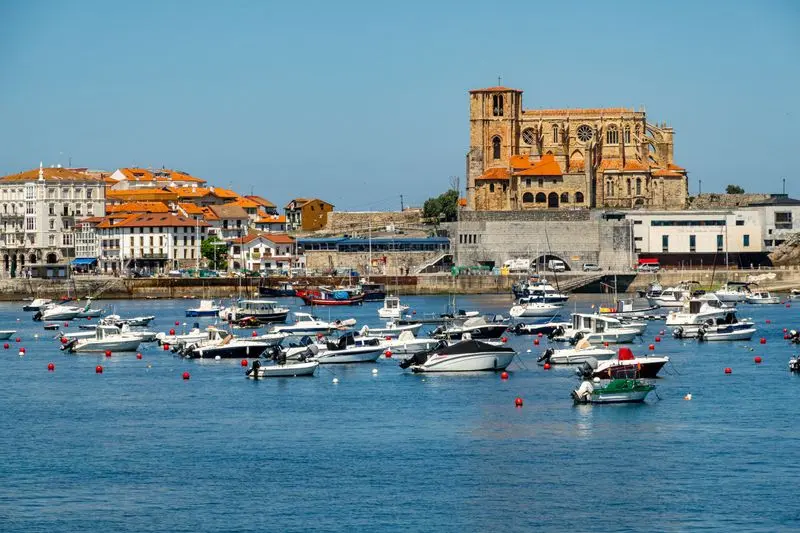
Things to Do in Castro, Chile
Photo made by Jose Rodriguez Ortega on Pexels.com
When to visit
Plan your perfect trip to Castro, Chile
Get a complete travel plan built just for you in under 30 seconds, with daily routes, local food tips, budget estimates and more.
Are any of these especially important to you?
Select all that apply
Getting around
How do you want to move between places?
Plan language: EnglishMost popular attractions in Castro, Chile
When it comes to things to do in Castro, Chile, it is worth starting with the colorful coastal houses of Palafitos de Gamboa, built on stilts in 1840. The nearby Mercado Municipal de Castro offers fresh seafood and works by local artisans, while buses departing from Plaza de Armas de Castro every hour begin journeys to the UNESCO-protected church twelve kilometers away.
1. Iglesia de San Francisco
The most striking silhouette of the port city: violet towers and a yellow glowing wall on a hill. Here you will see a wooden church without a single nail and a panorama from the top of the stairs.
Quick facts: One of the 16 wooden churches of Chiloé inscribed on the UNESCO World Heritage list, this log-built house of worship mimics Santiago cathedral with its facade. The entire structure is joined with wooden pegs and not a single nail, and its shingle-clad walls are painted bright yellow with purple accents.
Highlights: Massive exterior wooden buttresses hold the tall tower on several sides as if a bird were bracing against the ground with its wings. Touching the walls with your fingers, you feel the roughness of shingles smoothed by centuries, while inside lingers the scent of resin and history.
2. Palafitos de Gamboa
Colorful wooden houses on stilts above the water look like something from a fairy tale. Take a walk along the wooden pier and taste fishermen's soup at the cafe.
Quick facts: More than a hundred colorful houses stand on stilts above the water, their height depending on the tides, which here reach several meters. Each family painted its facade a different color so fishermen could recognize their own home from afar out at sea.
Highlights: When the tide rises, the lower platforms submerge and the houses seem to float, while at low tide muddy ground teeming with crabs appears beneath them. Fishermen still rule the first floors: nets dry there and dinner aromas drift through open windows, so the quarter stays alive even after tourists leave.
3. Museo de Arte Moderno de Chiloé
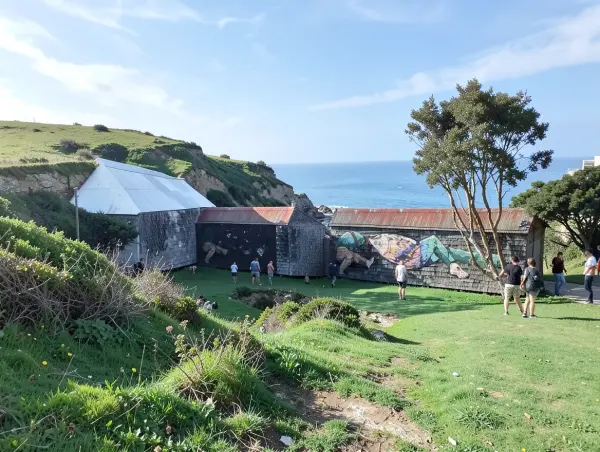
The old mill on stilts now breathes with the scent of wood and hammer blows. Step inside and watch the craftsmen at work, while ships sail past the windows.
Quick facts: The walls of the old mill standing on stilts tell of grain ground here for more than a hundred years, and now contemporary sculptures hang among them. A wood art symposium held every two years brings master craftsmen from around the world into these halls, so with each visit you can discover something new.
Highlights: The best secret of this place lies in the floors: the outlines of the old mill's grain hoppers are still visible beneath the new coverings. On symposium days the windows are thrown wide open, chisels ring out, and the whole building fills with the smell of fresh wood that no one tries to hold back.
4. Plaza de Armas de Castro
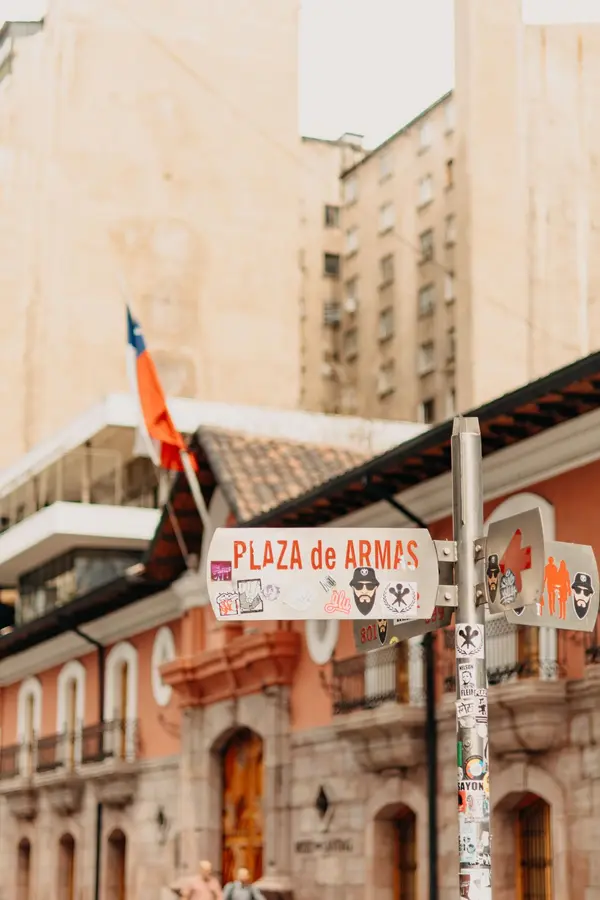
In half an hour you will see a wooden cathedral and colorful houses on stilts. In the morning there is a market here, and in the evening the sun sets over the bay.
Quick facts: Beside the square stands a pinkish yellow wooden cathedral, one of the 16 UNESCO-protected wooden churches in the region. From the edge of the square you can see more than 300 houses built on stilts, called palafitos, in the bay.
Highlights: The cathedral walls are made of thousands of wooden shingles, and the damp air forces them to be repainted, so the church changes color more often than many others. From the stairs at the edge of the square the whole palafito quarter opens up, a view that turns into something entirely different in just a few hours at low tide.
5. Mercado Municipal de Castro
The scent of fresh seafood and wood here blends with artisans' handicrafts. You will taste kurant cooked on hot stones and feel the real rhythm of the market.
Quick facts: Every day traders unload fresh oysters, mussels, and eels straight from boats onto wooden stalls. More than 60 vendors offer everything from seaweed to woolen sweaters, and the whole market sits on stilts above the water.
Highlights: In the afternoon the sounds of a local fiddle drift up from the second floor as artisans and musicians put on informal performances. At the corner of the stalls you will always find curanto, cooked on hot stones and covered with large leaves, from which a heady smell of smoke wafts.
6. Mirador de Gamboa
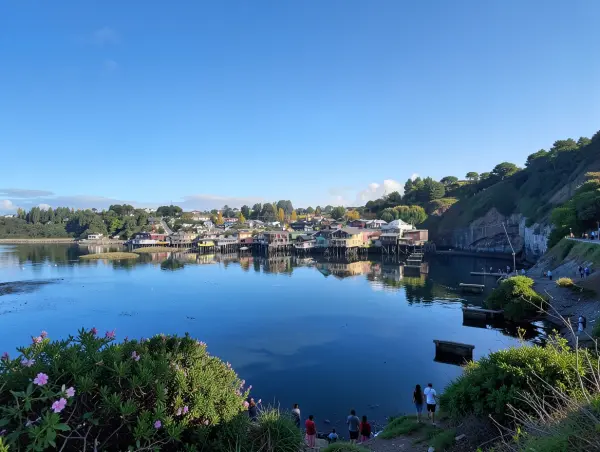
The best place to see the entire colorful city that has risen on the water. Fifteen minutes of climbing, and before your eyes appear palafita houses, a fjord, and volcanoes.
Quick facts: The hill on which the viewpoint stands bears the name of the Spanish conquistador who founded this city in 1567. On a clear day, colorful houses on stilts spread out beneath your feet, while on the horizon beyond the fjord the mainland volcanoes line up.
Highlights: From here the whole old town looks like a colorful village floating on the water: houses on stilts line up directly beneath your feet, while the two yellow church bell towers poke above the rooftops. The evening sun paints the palafito facades blue, yellow, and red, and their reflections double on the surface of the fjord as the mainland volcanoes emerge on the horizon.
7. Feria Artesanal de Castro
In one place you will meet the whole tradition of crafts and the warm scent of wool. You will receive not just a purchase, but a living story from the craftsmen about their work.
Quick facts: Here craftswomen spin and weave products from local wool, and a single shawl can bear up to 20 different colored patterns. The market operates daily, and the stalls are constantly bustling with locals and visitors from the surrounding islands.
Highlights: Just a few meters from the stalls, colorful houses stand on stilts, so as you buy a woolen blanket you see how the fishermen's quarter really lives. Watch how the craftswomen spin threads by hand on wooden spindles, threads from which traditional maritime patterns are born in just a few hours.
8. Parque Nacional Chiloé
The border of two worlds: a rainy forest and wind-swept dunes in one place. In a few hours you will meet pudu deer and feel the ocean's salt on your lips.
Quick facts: Half the park is lost in the damp Valdivian forest, while the other half opens onto wind-polished sand dunes by the ocean. Some alerce trees here have been alive for more than 3,600 years, making them older than many European cities.
Highlights: The wind-blown dunes of Cucao in the middle of a rainy forest look like a whim of nature: on one side roots embraced by moss, on the other an endless circle of sand. In the thickets lurks the pudu, the world's smallest deer, whose adult individual weighs less than ten kilograms.
9. Muelle de Castro
Walk above the water among the colorful houses on stilts and bronze sheep. You will hear the creaking boards, feel the damp wind, and see a memorable panorama.
Quick facts: The wooden pier stretches more than 400 meters over the bay, and beneath it the water level can rise several meters at high tide. At the end stands a bronze flock of sheep, where hundreds of people take photos every day, while old planks creak underfoot.
Highlights: At low tide, through the gaps between the planks you can see how sharp wooden piles are driven into the mud and how sea stars and snails have settled on them. Most interesting of all, it is not just the pier that stands on stilts here, but also colorful residential houses, whose owners still fish directly through their windows.
Where to Stay in Castro, Chile
Selected by City Buddy based on guest reviews and proximity to top attractions
Search all hotels in Castro, ChilePowered by agoda
Traditional Sweet Dishes
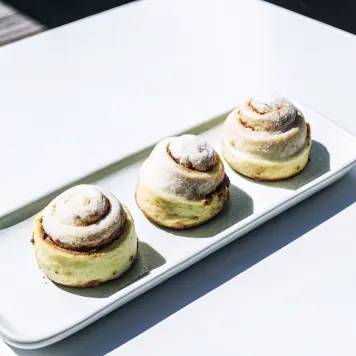
Pajaritos
These fluffy cinnamon-scented sweet cakes get their name, meaning "little birds," from their small, round shape. In Castro they are a beloved bakery staple, often enjoyed dunked in coffee or tea.
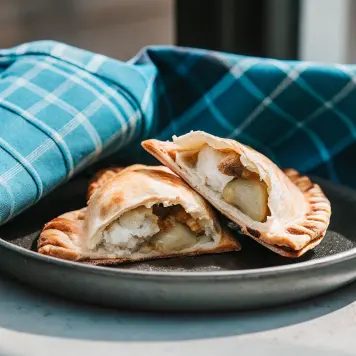
Empanadas de manzana
Chiloé is one of Chile's great apple-growing regions, and local bakers fold the crisp, tart fruit into these golden pastries. They are often baked in wood-fired clay ovens that give the crust a smoky sweetness.
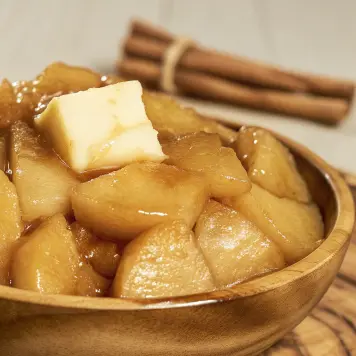
Cuchupe
This rustic apple dessert is the sweet cousin of curanto, cooked underground among the hot stones. Honey and butter caramelize the apples into a soft, jam-like treat that ends a traditional Chilote feast.
Traditional Savory Dishes
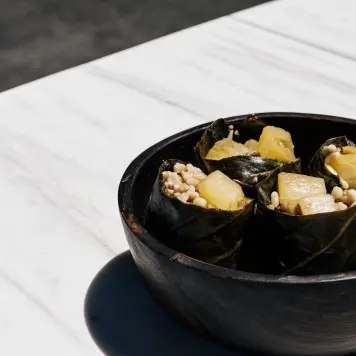
Curanto
Curanto is the legendary Chilote feast cooked in a pit lined with hot stones, where shellfish, meat, and potatoes are layered under giant leaves of the nalca plant. The name comes from a Mapuche word meaning "pot," and every opening of the earth-oven feels like a celebration.
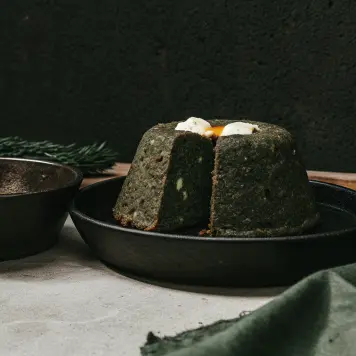
Milcao
Milcao is a dense potato pancake made from a mix of grated and boiled potatoes, a daily staple across Chiloé. It is served alongside curanto, with fried eggs, or simply slathered in butter and honey.
Paila marina
This hearty seafood stew, served in a clay paila bowl, gathers mussels, cholgas, and fish pulled fresh from the cold waters around Castro. Its rich, briny broth is a warming comfort on the island's famously rainy days.
Traditional Beverages
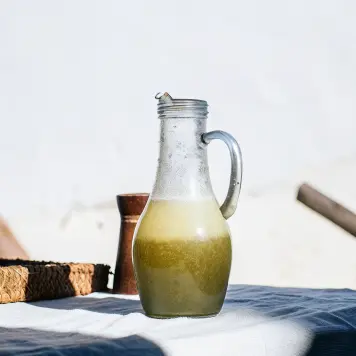
Chicha de manzana
Pressed from the abundant apples of Chiloé, chicha de manzana is a lightly fermented, cloudily sweet cider. It is poured by the jug at local fiestas and is often said to taste best straight from the island's family orchards.
Licor de oro
Invented on Chiloé in the 1800s, licor de oro is a velvety golden liqueur made from egg yolks, milk, and alcohol. Its name means "liquid gold," and every sip is rich enough to be dessert in a glass.
Murtado
Murtado is made by steeping murtilla, a fragrant wild berry native to the Chiloé archipelago, in aguardiente and sugar. The resulting ruby-red liqueur is a proud local specialty that is usually sipped ice-cold after meals.
Frequently Asked Questions about Castro, Chile
When is the best time to visit Castro, Chile?
Is a trip to Castro, Chile, expensive?
Is it safe to drink tap water in the city of Castro?
How to get around the city of Castro?
How many days is it worth spending in Castro, Chile?
Get a PDF with the most popular attractions sent to your email
Get a PDF with all attractions, ratings, and tips. Perfect for offline use.
Most popular day trips
Chonchi
Charming fishing town with stilt houses and a UNESCO wooden church.
Dalcahue
Artisan market on Sundays plus the historic Nuestra Señora del Rosario church.
Ancud
Historic seaport with Fuerte San Antonio and a regional museum.
Chiloé National Park
Coastal rainforest with boardwalk trails, wild beaches and wind sculpted dunes.
Achao on Quinchao Island
Island village famous for its UNESCO wooden church and seafood stalls.
Getting there
Train stations
Direct buses from Puerto Montt, Ancud, Chonchi and Quellón
Fly to Mocopulli (7 km) or Puerto Montt, then take a bus to Castro; no rail line reaches the island.
Find flights to Castro, Chile
Click to get eSim for Castro, Chile
The easiest and most affordable way to get mobile internet wherever you travel.
Comments (5)
Palafitos glow pink and yellow along the water at sunset, unreal. Seafood everywhere, the curanto with mussels and pork is a must. Three days felt right.
Two days was enough honestly. Rained about half the trip but the colorful stilt houses made up for it. Bring a rain jacket, streets are steep cobblestone.
Cute little town, not gonna lie. But pricey for a backpacker and the ferry crowds got old fast. On a tight budget I'd stick to the smaller islands nearby.
Don't pay for a boat tour, walk Parque Tantauco solo for free. Rent a car on the island too, the buses basically stop running after 6pm.
Cash only at the wet market, card always gets the tourist price. Also hit the Dalcahue sale on a Friday, Sunday buses are packed with day trippers.