 CityBuddy
 English
Things to Do in Jiangyou, China
Photo made by 巧克力饼干 on Pexels.com
When to visit
Plan your perfect trip to Jiangyou, China
Get a complete travel plan built just for you in under 30 seconds, with daily routes, local food tips, budget estimates and more.
Are any of these especially important to you?
Select all that apply
Plan language: EnglishMost popular attractions in Jiangyou, China
For the best things to do in Jiangyou, China, start at the Li Bai Memorial Hall, where 72 calligraphy works capture the spirit of the Tang dynasty poet. Then climb Doukuai Mountain for a panoramic view of the surrounding landscape. End at Bailong Cave, a 2.5 kilometer long limestone cave with sparkling stalactites.
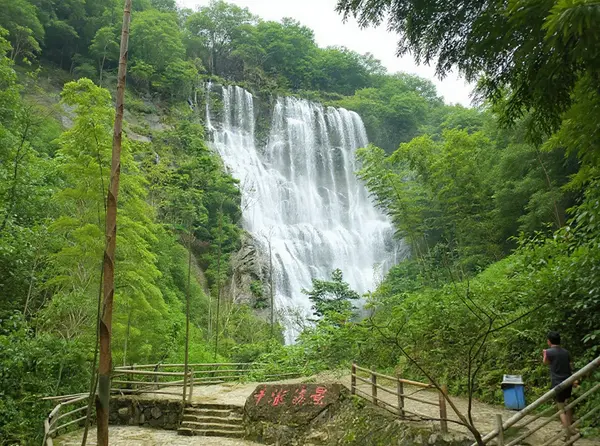
1. Baiyun Waterfall
A 108-meter-high wall of thundering water that sprays you from head to toe. Feel the power as you scramble over slippery stones toward the natural pool at the bottom.
Quick facts: With a drop of 108 meters, this is the tallest waterfall in Sichuan province. The water thunders down into a natural pool that glows emerald green on clear days.
Highlights: On sunny afternoons, a double rainbow appears in the mist around the waterfall, a phenomenon that occurs in only a handful of places in the world. The force of the falling water is so intense that you can feel the ground tremble under your feet when standing ten meters away.
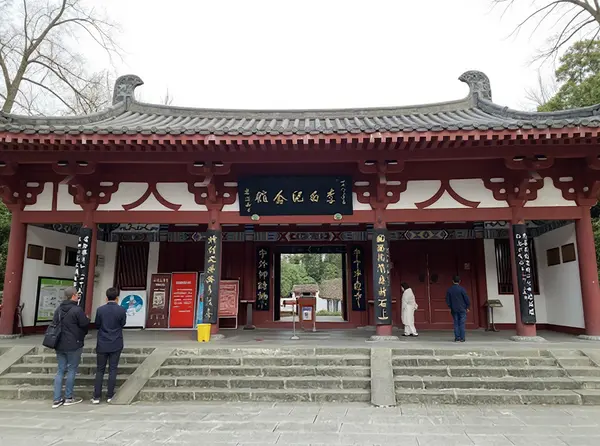
2. Li Bai Memorial Hall
Step into the world of China's greatest poet, where thousands of years of history come to life. Stroll through traditional gardens, admire ancient calligraphy, and taste the tranquility that once inspired his pen.
Quick facts: This hall is dedicated to the famous Tang dynasty poet who reportedly wrote 1,000 poems per month in his heyday. Visitors can view more than 200 original calligraphy works and historical artifacts that document his life and work.
Highlights: The museum houses a rare, hand-written scroll measuring 15 meters long featuring one of his longest poems, complete with ink stains from the original calligrapher. In the inner garden stands a 300-year-old ginkgo tree under which the poet is said to have recited his most famous verses.
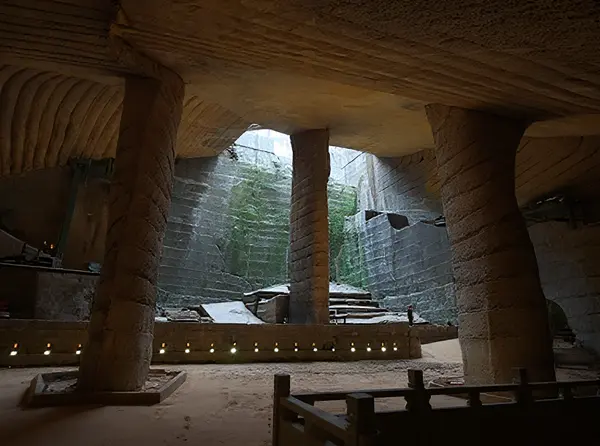
3. Bailong Cave
Descend into an underworld of crystal-clear pools and 300,000-year-old limestone formations. You wade through a hidden river while stalactites glitter above your head in the glow of your lamp.
Quick facts: Underground, this cave system houses a subterranean river that stretches for 6 kilometers. The largest chamber measures 180 meters long and 80 meters high, large enough for multiple football fields.
Highlights: At the bottom lie crystal-clear pools that reflect the light of headlamps like thousands of diamonds. The rare 'cauliflower limestone' formations have been growing here in slowly dripping water for more than 300,000 years.

4. Fosheng Cave
A journey through time in one of China's best-preserved Buddhist cave temples. Wander through halls full of ancient statues and discover the serene beauty of this underground sanctuary.
Quick facts: More than 3,000 Buddhist statues adorn the walls of this impressive cave, some already over 1,200 years old. The cave stretches across five large halls with high ceilings and ancient murals that tell stories from Buddhist mythology.
Highlights: In the middle hall stands an 8-meter-tall stone statue of Buddha, surrounded by thousands of smaller figurines carved into the rock wall. What most visitors do not know is that the cave once served as a hiding place for local villagers during invasions, explaining the deep carvings and traces of wear at the entrance.
5. Doutuan Mountain
An unforgettable walk through pristine nature with breathtaking panoramic views. You feel the fresh mountain air as you walk along winding paths past ancient trees.
Quick facts: The summit offers a panoramic view of the surrounding hills of Jiangyou. Each year, the walking trails attract about 300,000 visitors who come to enjoy the tranquil nature.
Highlights: On a clear day, you can see up to 50 kilometers across the green valleys from the top. At sunrise, the morning mists dance among the rock formations, a spectacle witnessed by only a handful of early birds.
6. Jiangyou People's Park
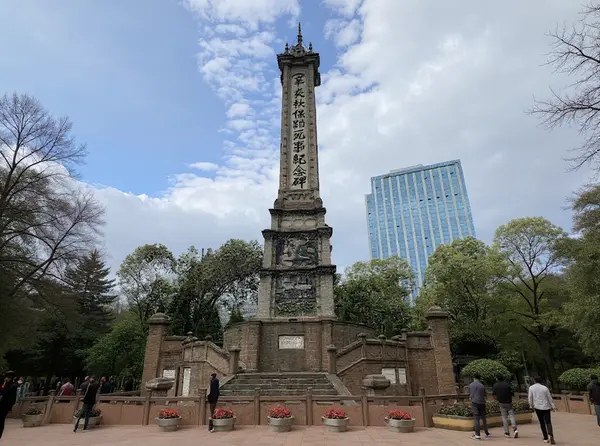
A city park where the daily life of Jiangyou truly comes to rest. Stroll among ancient trees, feed the colorful koi carp, and listen to a blind pianist who has been playing here for decades.
Quick facts: Over 80,000 visitors per year come here purely for the peace and quiet and the beautiful old trees. The pond in the center is home to hundreds of colorful koi fish that you may feed by hand.
Highlights: Every morning at seven o'clock, a group of local tai chi practitioners begin their day with a graceful ritual right next to the large pond. A blind pianist has been coming here almost daily for forty years, playing classical Chinese melodies on his own keyboard, something that deeply moves visitors.
7. Taibai Park
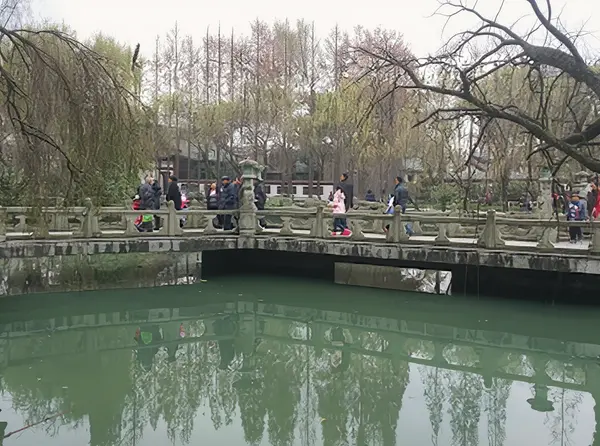
Walk through the forests that inspired China's greatest poet and discover where literature comes to life. You taste the tranquility as you walk along babbling brooks and ancient stone paths.
Quick facts: More than 100,000 trees adorn the hills, with a 45-meter-tall Li Bai statue overlooking the city. The park combines the wild beauty of Sichuan's nature with the literary legacy of China's most famous poet.
Highlights: On a clear autumn day, the morning sun casts a golden glow back from the white pagoda atop the central hill. Local poets still gather here at sunrise to recite verses, just as Li Bai himself did a thousand years ago.
Where to Stay in Jiangyou, China
Selected by City Buddy based on guest reviews and proximity to top attractions
Search all hotels in Jiangyou, ChinaPowered by agoda
Traditional Sweet Dishes
Jiangyou Crystal Sugar Cake
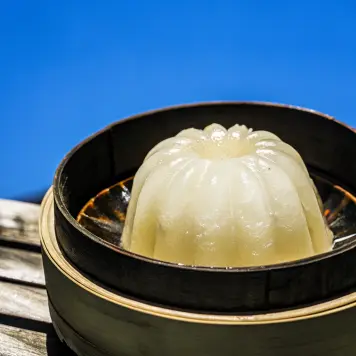
This translucent steamed cake is made from glutinous rice and crystal sugar. Its shiny, jewel-like appearance gives it the name "crystal" cake.
Osmanthus Flower Rice Cake
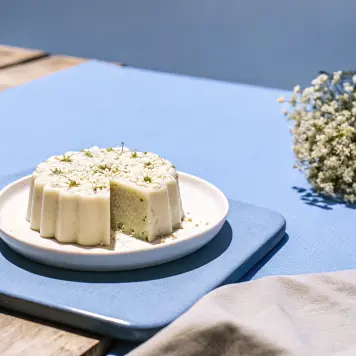
Made with sweet osmanthus flowers native to the region, this fragrant rice cake has a delicate floral aroma. It is traditionally enjoyed during the Mid-Autumn Festival.
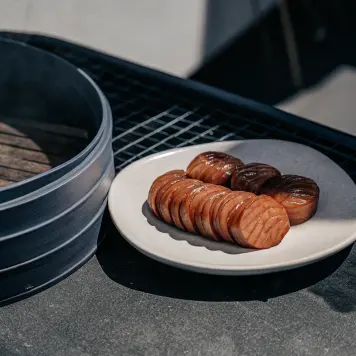
Jiangyou Candied Sweet Potato
Locally grown sweet potatoes are caramelized in a sugar syrup until glossy and tender. This beloved street snack originated from home kitchens in rural Jiangyou.
Traditional Savory Dishes
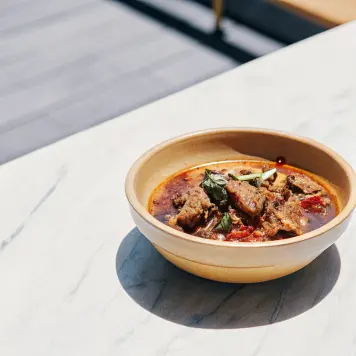
Jiangyou Spicy Braised Beef
This dish features beef slowly simmered with Sichuan peppercorns and local chili paste. The cooking method was perfected by Jiangyou chefs over centuries.

Steamed Fish with Pickled Chilies
Fresh river fish from the nearby Fu River is topped with a house-made pickled chili sauce before steaming. The tangy and spicy flavors perfectly complement the delicate fish.

Jiangyou Dan Dan Noodles
Unlike the Chengdu version, Jiangyou dan dan noodles use a thicker sesame paste and more local black vinegar. Street vendors originally carried these noodles on a pole, or "dan".
Traditional Beverages

Jiangyou Rice Wine
This sweet, low-alcohol fermented rice drink has been brewed in Jiangyou homes for over a thousand years. It is often served warm during winter festivals.
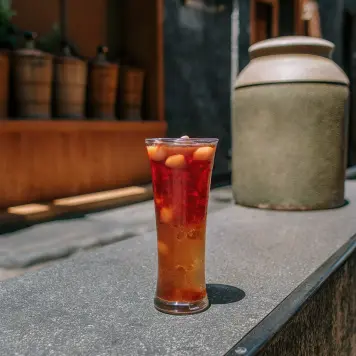
Sour Plum Soup
Made from smoked plums, dried hawthorn, and rock sugar, this refreshing tart beverage is a summer staple. Local vendors sell it chilled from large clay urns on street corners.
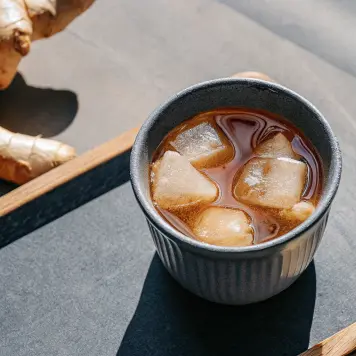
Ginger and Brown Sugar Tea
Jiangyou's locally grown ginger is simmered with brown sugar to create this warming, aromatic tea. It is traditionally drunk to ward off colds during the damp winter months.
Frequently Asked Questions about Jiangyou, China
Is Jiangyou, China safe?
How many days do I need in Jiangyou, China?
What is the best time to travel to Jiangyou, China?
Is Jiangyou, China expensive?
How can I get around in Jiangyou, China?
Get a PDF with the most popular attractions sent to your email
Get a PDF with all attractions, ratings, and tips. Perfect for offline use.
Most popular day trips
Douchui Mountain
Scenic mountain area with hiking trails and ancient temples.
Jiangyou Confucian Temple
Historic Confucian temple with traditional architecture.
Fragrant Hill Scenic Area
Nature reserve known for its colorful foliage and trails.
Getting there
Train stations
Baoji-Chengdu Railway, Xi'an-Chengdu High-Speed Railway
From Jiangyou Railway Station, taxis and local buses are available to reach the city center within 15 minutes.
Find flights to Jiangyou, China
Click to get eSim for Jiangyou, China
The easiest and most affordable way to get mobile internet wherever you travel.
Comments (10)
Went in April and the weather was perfect. Not too hot, not crowded yet. Got some really nice photos around the old city walls.
I found the food a bit too oily for my taste after a few days. But the pace of life here is relaxing, nice break from big cities.
Get a local SIM card with data. Google Maps is useless here, use Baidu Maps or Amap. Saved me so much time getting lost around the backstreets.
The riverfront at dusk is where it's at. Locals just hanging out, playing cards, kids running around. Felt like real China, not a tourist show.
Bring cash, a lot of small shops and food stalls don't take WeChat or Alipay. I learned that the hard way and had to hunt down an ATM.