 CityBuddy
 English
Things to Do in Lhasa, China
Photo made by Alexas Fotos on Pexels.com
When to visit
Plan your perfect trip to Lhasa, China
Get a complete travel plan built just for you in under 30 seconds, with daily routes, local food tips, budget estimates and more.
Are any of these especially important to you?
Select all that apply
Plan language: EnglishMost popular attractions in Lhasa, China
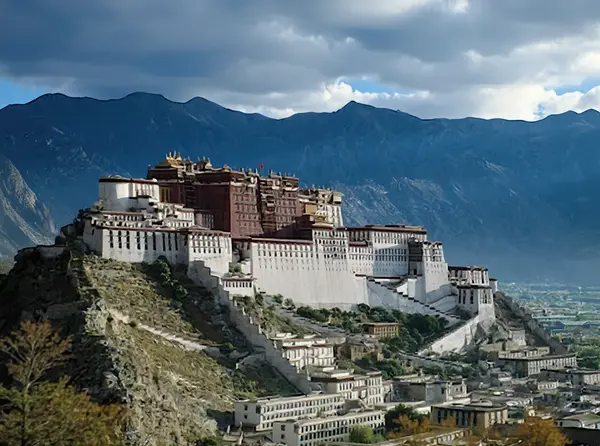
Top things to do in Lhasa, China include exploring the Potala Palace, a massive fortress rising 13 stories with over 1,000 rooms. Walking Barkhor Street offers a 1-kilometer circuit around Jokhang Temple, the spiritual heart of the city, with vibrant markets and ancient prayer wheels to discover.
1. Potala Palace
Experience a legendary Tibetan fortress full of art and history. Walk ancient halls and soak in spiritual murals and intricate butter sculptures.
Quick facts: The palace rises 117 meters above the Lhasa valley and comprises over 1,000 rooms, including chapels, shrines, and libraries. Visitors can explore its vast collection of ancient scriptures, murals, and Tibetan artifacts that tell centuries of history.
Highlights: Explore the Red Palace at the core, where sacred halls glow with gold and murals depict Tibetan Buddhist teachings. Unique sacred butter sculptures, carved painstakingly from colored yak butter, decorate the temples during special festivals.
2. Jokhang Temple
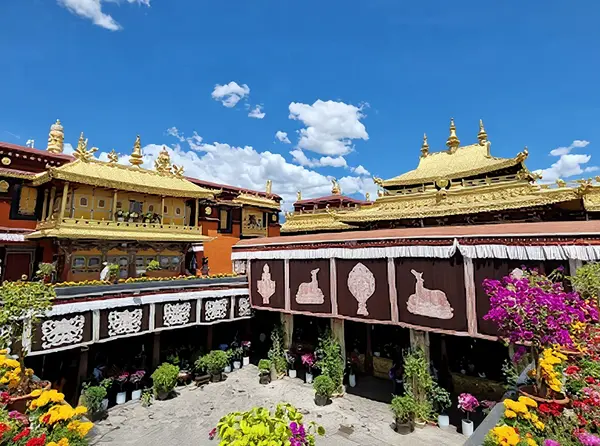
Discover living history through ancient Buddhist rituals and intricate artwork. Experience the devotion and vibrant culture of Tibetan spirituality up close.
Quick facts: Over 1,000 years old, this temple holds the revered Jowo Rinpoche statue, believed to be blessed by the Buddha himself. Pilgrims often prostrate themselves up to 300 times along the temple's path during holy visits.
Highlights: The golden roof shines vividly in the sunlight, housing three main halls filled with Buddhist art and scriptures. A unique tradition lets visitors watch pilgrims perform clockwise circumambulation, spinning prayer wheels and offering silk scarves at every turn.
3. Norbulingka
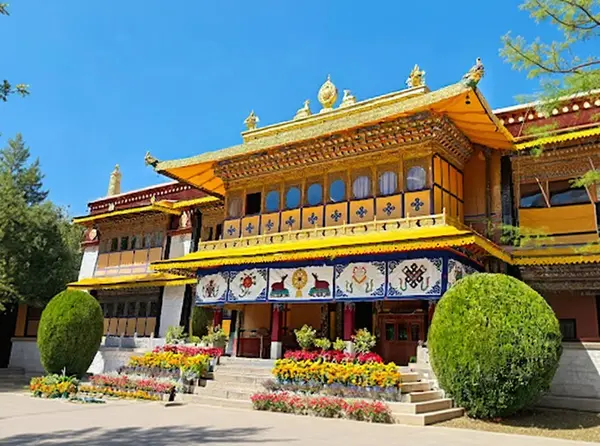
Step into a peaceful oasis where history and nature intertwine. Experience serene gardens and ornate Tibetan art under a calm Lhasa sky.
Quick facts: Enjoy sprawling gardens covering over 36 hectares framed by traditional Tibetan palaces and pavilions. Once used as the summer residence for the Dalai Lamas, it hosts annual religious festivals with vibrant procession rituals.
Highlights: A standout feature includes the intricate wood carvings and hand-painted murals that vividly showcase Tibetan craftsmanship. One can wander through its peaceful groves and floral terraces while spotting centuries-old chortens and prayer flags fluttering in the mountain breeze.
4. Sera Monastery
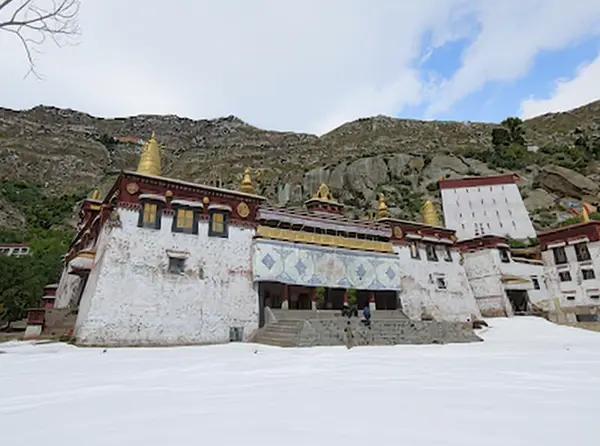
Experience an intense burst of culture with live monk debates and stunning Buddhist art. Dive deep into ancient Tibetan traditions and feel the energy vibrating through the courtyard.
Quick facts: Over 400 monks study and live here, engaging in lively philosophical debates that echo through the courtyard. The monastery contains an impressive collection of over 100,000 ancient scriptures and murals that depict vivid Tibetan Buddhist history.
Highlights: Witness the famed "debate sessions" where monks stomp their feet and use dramatic gestures to sharpen their understanding, creating an energetic atmosphere unlike any other. The central assembly hall houses a massive statue of Je Tsongkhapa, a spiritual leader, which stands nearly 15 meters tall and commands reverence from all visitors.
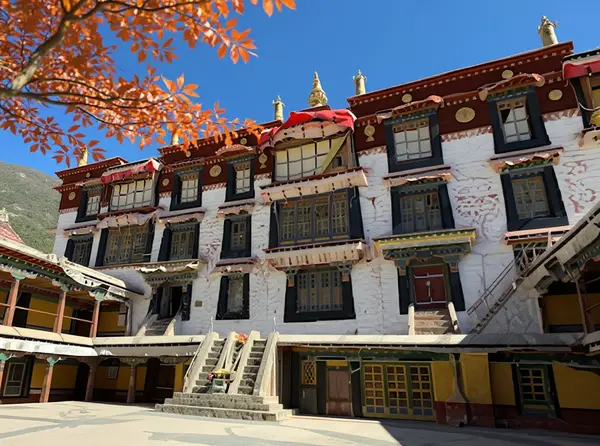
5. Drepung Monastery
Step into a world of serene spirituality and philosophy. Experience lively monk debates and gaze upon majestic sacred art.
Quick facts: A single day can see over 1,500 monks practicing Tibetan Buddhism within its walls. Sprawling across 35 hectares, it was once the largest monastery in the world by population.
Highlights: An intriguing tradition allows visitors to witness the daily debate sessions among monks, where philosophy clashes in vibrant, rhythmic exchanges. The monastery’s Golden Hall houses one of Tibet's largest Buddha statues, a dazzling 15 meters tall.
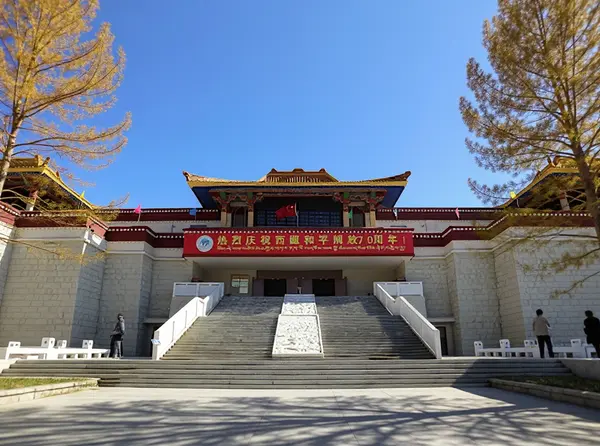
6. Tibet Museum
Explore 10,000+ artifacts revealing Tibet's rich culture and history. Experience traditional Tibetan homes and ancient manuscripts up close.
Quick facts: The museum holds over 10,000 artifacts showcasing Tibet's cultural, religious, and natural history. It attracts approximately 450,000 visitors each year, offering deep insights into Tibetan heritage and traditions.
Highlights: Step inside to find a life-size traditional Tibetan home recreated with authentic household items and vibrant thangka paintings that bring local stories to life. The museum's exhibition includes rare manuscripts and ancient religious texts that few outside Tibet have seen.
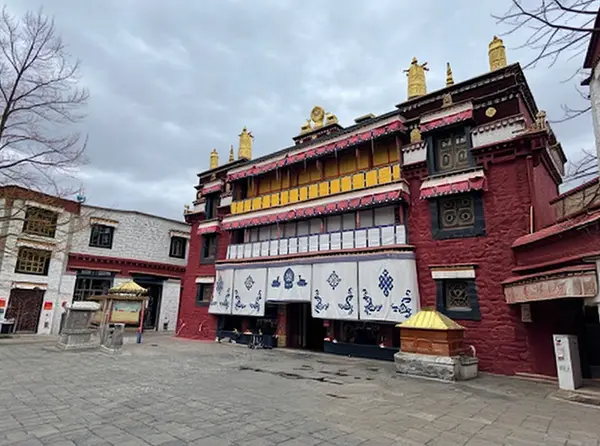
7. Ramoche Temple
Discover a sacred site sheltering a Buddha statue with a fascinating origin story. Experience vibrant rituals and stunning Tibetan craftsmanship up close.
Quick facts: Home to a rare statue of the Buddha Jowo, believed to have been blessed by the Buddha himself, the temple attracts thousands annually. Unlike many Buddhist temples, this site survived multiple historical upheavals, preserving its original Tibetan architectural style.
Highlights: The temple's Buddha Jowo statue is said to have been transported from India in the 7th century and is draped in exquisite silk robes during special ceremonies. Visitors can witness monks performing ancient rituals that date back over 1,300 years, complete with resonant chanting and thangka displays.
Where to Stay in Lhasa, China
Selected by City Buddy based on guest reviews and proximity to top attractions
Search all hotels in Lhasa, ChinaPowered by agoda
Traditional Sweet Dishes
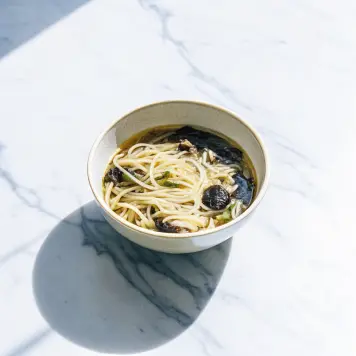
Guthuk
Guthuk is a special Tibetan noodle soup eaten during the Tibetan New Year that includes nine different ingredients symbolizing good fortune.
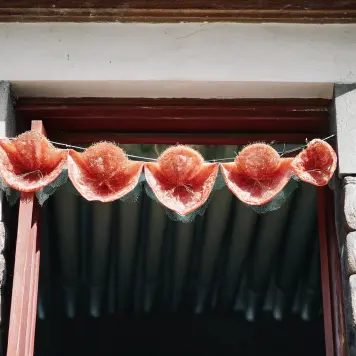
Khapse
Khapse are traditional Tibetan crunchy fried pastries, often made for special festivals and celebrations, representing joy and prosperity.
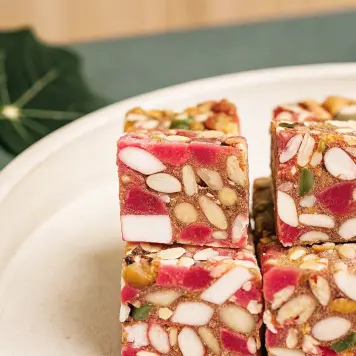
Sugarcandy
Sugarcandy is a popular sweet treat in Lhasa, made from hardened sugar often mixed with nuts and dried fruits.
Traditional Savory Dishes
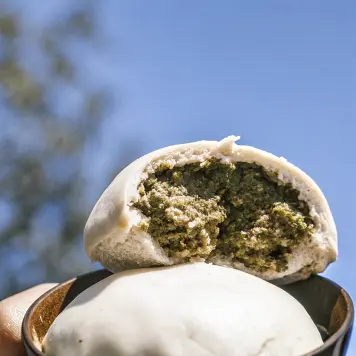
Tsampa
Tsampa is roasted barley flour, a staple in Tibetan cuisine, often mixed with butter tea or yogurt to form a nourishing dough.
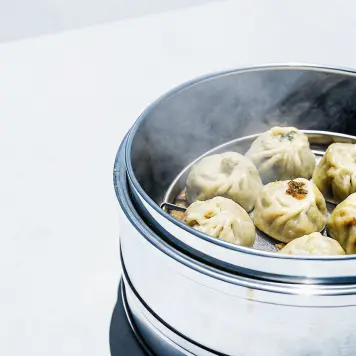
Momos
Momos are Tibetan steamed dumplings filled with meat or vegetables, enjoyed widely across the region and beyond for their delicate taste.
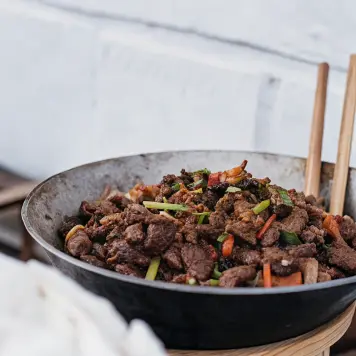
Shapta
Shapta is a spicy Tibetan stir-fried meat dish, usually made with beef or lamb, known for its bold flavors and hearty nature.
Traditional Beverages
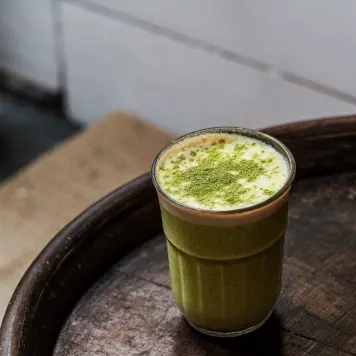
Butter Tea
Butter tea, made with tea leaves, yak butter, and salt, is a traditional Tibetan drink that provides energy and warmth in high altitudes.
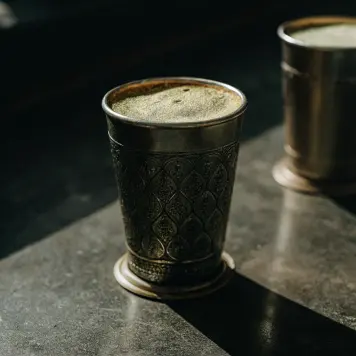
Chang
Chang is a Tibetan barley beer, mildly alcoholic and often consumed during festivals and social gatherings.
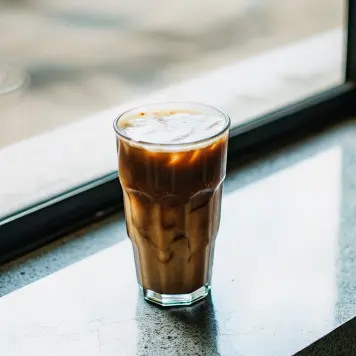
Sweet Milk Tea
Sweet milk tea is a popular variation of traditional Tibetan tea, served with milk and sugar for a comforting and rich flavor.
Frequently Asked Questions about Lhasa, China
Is Lhasa, China safe for travelers?
How many days should I spend in Lhasa, China?
What is the best time to visit Lhasa, China?
Is Lhasa, China expensive for travelers?
How to get around Lhasa, China?
Get a PDF with the most popular attractions sent to your email
Get a PDF with all attractions, ratings, and tips. Perfect for offline use.
Most popular day trips
Yamdrok Lake
A stunning turquoise high-altitude lake surrounded by snow-capped mountains.
Namtso Lake
A sacred lake known for its clear blue waters and natural beauty.
Ganden Monastery
A prominent Tibetan Buddhist monastery with panoramic valley views.
Getting there
Airports
Train stations
Qinghai-Tibet Railway
From Lhasa Gonggar Airport, take a taxi or airport shuttle bus to Lhasa city center; the railway station is centrally located
Find flights to Lhasa, China
Click to get eSim for Lhasa, China
The easiest and most affordable way to get mobile internet wherever you travel.
Comments (8)
Pro tip: buy a prepaid local SIM at the airport, it’s much cheaper than roaming and you’ll need good data for maps and translation apps.
The vibe is very spiritual, peaceful in many areas but can get crowded around the Potala Palace which makes it less tranquil than expected.
If you want true local eats avoid the restaurants right by the Jokhang Temple. Walk two blocks away and you’ll find some authentic momos and tea houses for less.
The food was a mixed bag. Some traditional Tibetan dishes are really flavorful but street food prices near tourist spots felt a bit inflated.
I stayed 4 nights which was just enough for me, gives you time to see the main sights plus some chill days without rushing.