 CityBuddy
 English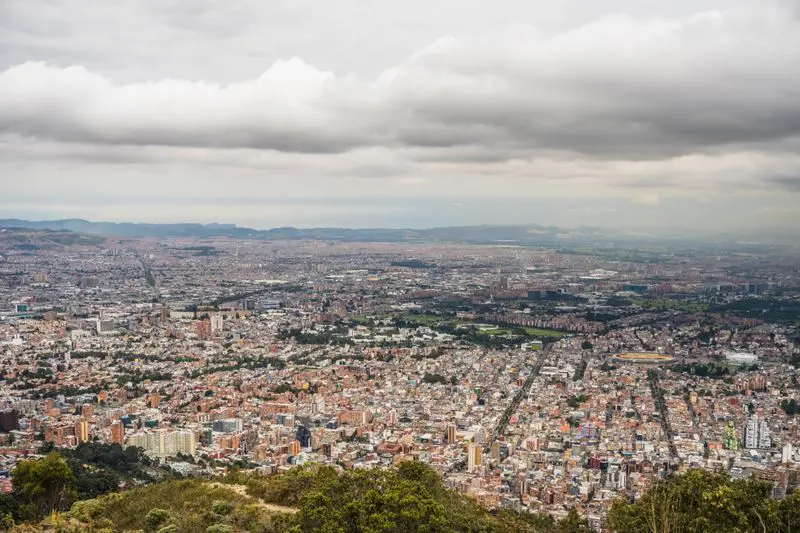
Things to Do in Bogotá, Colombia
Photo made by Juan Felipe Ramírez on Pexels.com
When to visit
Most popular attractions in Bogotá, Colombia
The best things to do in Bogotá, Colombia start with a 520 meter ascent up Monserrate, where a white church and panoramic city views await at 3,152 meters elevation. Then descend into La Candelaria, the cobblestoned historic district, to explore the Museo del Oro's dazzling collection of 55,000 pre-Columbian gold artifacts. Finish at Plaza de Bolívar, the city's central square flanked by grand colonial architecture.
1. Monserrate
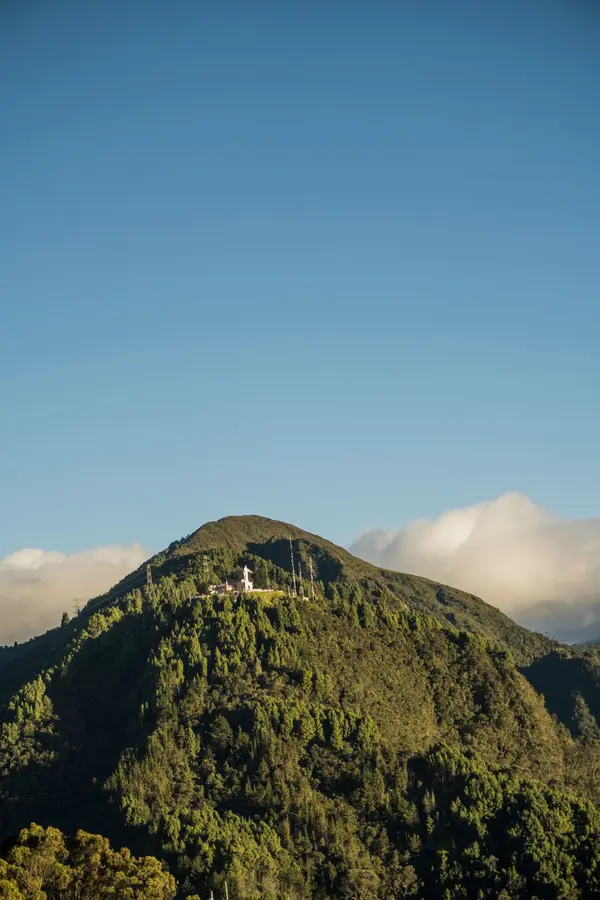
Nowhere else lets you rise 600 meters above a sprawling capital in under 10 minutes. You'll step off the funicular into fresh mountain air, sweeping city views, and a whitewashed colonial church that has drawn pilgrims for centuries.
Quick facts: The summit sits 3,152 meters above sea level, nearly 600 meters higher than Bogotá's city center. A funicular railway completed in 1927 climbs the steep mountainside, moving at a 73-degree angle for part of the journey.
Highlights: On clear days, the entire 7-million-person sprawl of Bogotá stretches out below like a gray and green patchwork quilt, with the Eastern Cordillera mountains fading into the horizon. The 17th-century white church at the top holds a revered statue of the "Fallen Lord" that pilgrims have visited for over 350 years, its dark wooden figure drawing both the devout and the curious.
2. La Candelaria
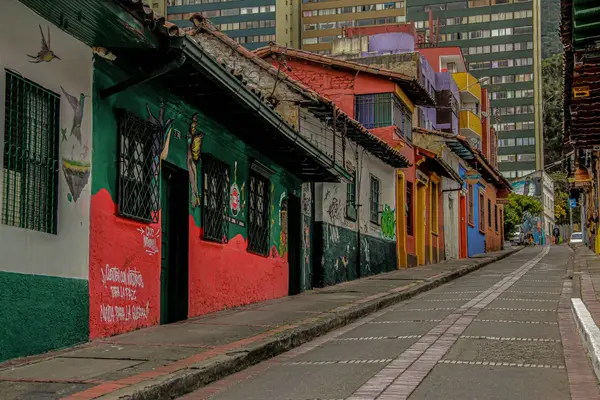
Wander where colonial balconies overlook walls covered in world-class street murals. You'll find poets reading in plazas, emerald traders haggling in alleyways, and coffee brewing on every corner.
Quick facts: This 17th-century neighborhood holds over 120 colorful colonial buildings spread across cobblestone streets. Street art covers nearly 60% of the area's walls, making it one of the largest open-air galleries in Latin America.
Highlights: Street cats here have their own tiny painted houses perched atop doorways and windowsills, placed by residents who leave food and water out daily. Nearly 200 of these miniature casitas dot the streets, each painted to match the colonial facades below.
3. Museo Botero
Where else can you see 123 plump, playful masterpieces all in one place, personally donated by the artist himself? You'll wander through sun-drenched colonial courtyards and come face to face with Botero's famously voluptuous figures, each one grinning with a quiet, knowing confidence.
Quick facts: Houses the largest collection of Fernando Botero's work anywhere in the world, with 123 pieces donated by the artist himself. The building was originally a 17th-century colonial mansion that served as the residence of an archbishop before being transformed into a museum.
Highlights: Botero donated his entire personal collection not just of his own work but of artists he admired, including Chagall, Monet, Picasso, and Dalí , giving visitors a glimpse into the mind of the man who shaped Latin American art. The courtyard features a massive bronze horse head, one of Botero's most photographed sculptures, with rainwater collecting in its ears and trickling down its nose after a Bogotá downpour.
4. Plaza de Bolívar
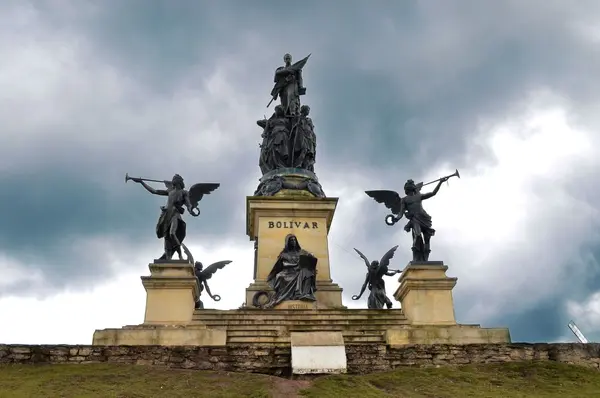
Watch Bogotá's soul unfold where colonial history meets everyday city life. Grab a coffee, find a bench, and soak in street performers, political protests, and lovers kissing by the fountain.
Quick facts: Every Sunday, hundreds of locals gather here to trade vintage books, stamps, and coins at the famed Buchi Plazas market. The bronze statue of Simón Bolívar at the center was cast from cannons captured in 19th-century battles.
Highlights: On weekend evenings, the plaza transforms into an open-air salsa dance floor where abuelos in fedoras spin young couples under the colonial lamplight. Watch the sunset paint the Palacio de Justicia's white facade in shades of orange while parakeets screech from the towering eucalyptus trees.
5. Jardín Botánico de Bogotá
Notice the silence shift as you step from Bogotá's busy streets into 5.5 hectares of curated greenery. Here you can trace Colombia's plant diversity from the páramo to the Amazon, all without leaving the city.
Quick facts: More than 19,000 plants from over 200 species call this 5.5-hectare green space home. The collection includes one of the largest displays of Colombian orchids in the country, with over 1,000 different varieties.
Highlights: A dozen species of hummingbirds dart between the greenhouse collections, including the shimmering green-tailed sylph that few city visitors ever get to see. The Tropicario greenhouse recreates four distinct Colombian ecosystems in a single glass corridor, letting you walk from a dry desert cactus landscape into a misty cloud forest in under 60 seconds.
6. Mercado de Paloquemao
A chaotic, colorful assault on the senses where Bogotá's real culinary heart beats loudest. Wander past pyramids of exotic fruits, sizzling arepa stalls, and flower vendors selling armfuls of roses for pocket change.
Quick facts: Over 1,200 vendors pack this market daily, selling everything from Amazonian fruits to freshly cut roses by the dozen. The fruit section alone displays over 50 varieties of exotic produce, including curuba, lulo, and zapote that most visitors have never seen before.
Highlights: At the back of the market, three generations of the same family have been running a tiny stall that serves the best avena santafereña in Bogotá, a thick, cinnamon-spiced oat drink that regulars swear by for hangovers. Watch for the older señora who still peels and chops each fruit by hand with a knife that's been worn thin by decades of use, her fingers moving faster than any machine ever could.
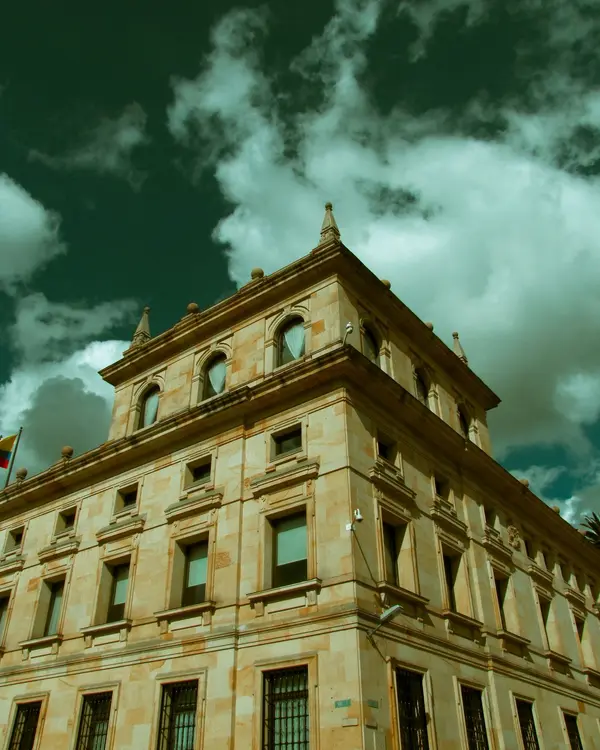
7. Museo Nacional de Colombia
Colombia's sprawling history from ancient goldwork to modern protest art, all inside a former prison. Wander through cell-block galleries where each room holds a different chapter of the country's complex story.
Quick facts: With over 20,000 pieces spanning from pre-Columbian times to contemporary art, this is Colombia's largest and oldest museum. The building itself was once a massive 19th-century prison called Panóptico, designed in a panopticon layout where guards could watch all cells from a central tower.
Highlights: The museum occupies the former Panóptico Prison, and you can still see the original iron cell doors embedded in the walls between galleries. Stand in the central courtyard and look up: the radial wings fan out just as they did when inmates were monitored from a single vantage point, creating a weirdly beautiful tension between incarceration and art.
Where to Stay in Bogotá, Colombia
Selected by City Buddy based on guest reviews and proximity to top attractions
Search all hotels in Bogotá, ColombiaPowered by agoda
Opening days in Bogotá, Colombia
Which of the top sights close on which day of the week — the classic trip-ruiner, checked for you.
Monday: 2 of 6 top sights closed — plan museums for another day.
Closed on Monday · 2 closed, 4 open
Opening days from Google Maps (checked 2026-07-01). Public holidays, strikes and seasonal hours can differ — check the official website before you go.
Traditional Sweet Dishes
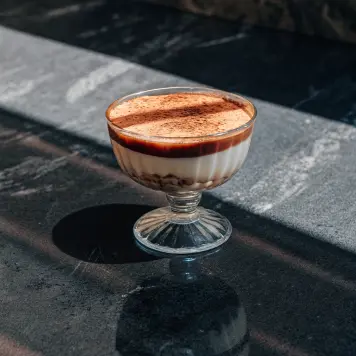
Postre de Natas
Postre de Natas is a creamy dessert made from the thick skin that forms on boiled milk. It is often layered with caramel and cinnamon, creating a rich, pudding-like treat that has been enjoyed in Bogotá for generations.
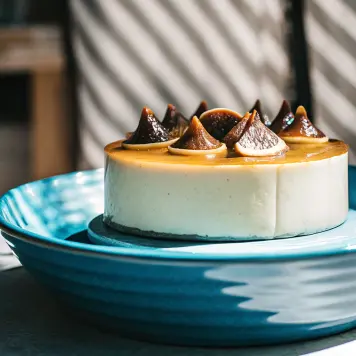
Arequipe con Brevas
Arequipe is Colombia's version of dulce de leche, and it is traditionally served with brevas (candied figs) for a sweet contrast. This classic combination is a staple dessert in Bogotá's households and restaurants.

Torta de Bocadillo y Queso
This dessert cake layers bocadillo (a firm guava paste) with soft white cheese, baked together in a sweet tart. The sweet and salty contrast is a beloved flavor combination unique to Colombian cuisine.
Traditional Savory Dishes
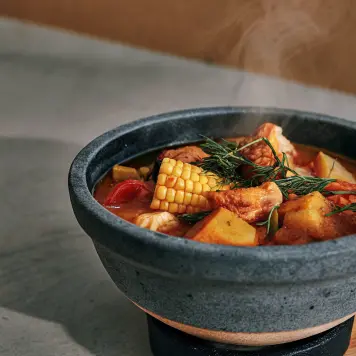
Ajiaco Santafereño
Ajiaco is a hearty chicken and potato soup made with three different varieties of potatoes, corn on the cob, and the herb guasca. This dish is so iconic to Bogotá that it is widely considered the city's signature meal.
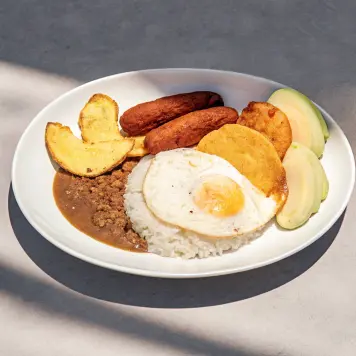
Bandeja Paisa
Though originally from the Antioquia region, Bandeja Paisa has become a beloved dish across Bogotá, featuring rice, beans, ground beef, chicharrón, fried egg, avocado, and plantains all on one massive platter. It is famously one of the most protein-packed and filling meals in Colombian cuisine.
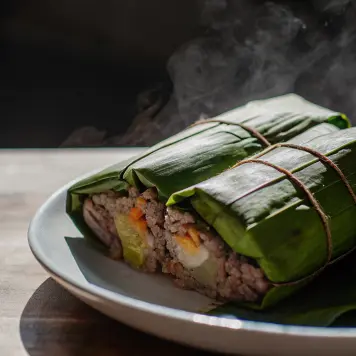
Tamales Santafereños
Bogotá's version of tamales is made with a corn dough filled with chicken, pork, potatoes, peas, carrots, and hard-boiled eggs, all wrapped in plantain leaves. They are traditionally enjoyed on weekend mornings and special family gatherings throughout the city.
Traditional Beverages

Canelazo
Canelazo is a warm alcoholic drink made from aguardiente (an anise-flavored sugarcane liquor), cinnamon, and panela (unrefined cane sugar). It is a popular cold-weather favorite in Bogotá's high-altitude climate, often sold by street vendors during festivals.

Chocolate Santafereño
This thick, rich hot chocolate is made with water or milk and bars of cacao blended with cinnamon and cloves. It is traditionally served with chunks of fresh cheese placed inside the cup, which soften but do not melt, creating a unique sweet and salty mix.
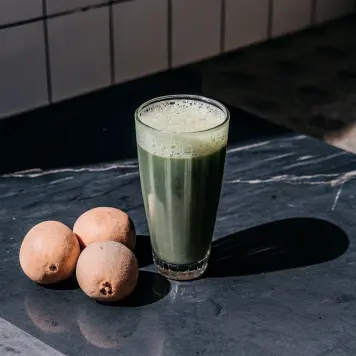
Jugo de Lulo
Lulo is a small, tangy citrus fruit native to Colombia, and its bright green juice is a refreshing staple in Bogotá. The drink is typically blended with water or milk and sweetened lightly, offering a unique flavor that is often compared to a mix of lime and rhubarb.
Frequently Asked Questions about Bogotá, Colombia
Is Bogotá, Colombia safe for tourists?
How many days in Bogotá, Colombia are enough?
What is the best time to visit Bogotá, Colombia?
Is Bogotá, Colombia expensive to visit?
How to get around Bogotá, Colombia?
Get a PDF with the most popular attractions sent to your email
Get a PDF with all attractions, ratings, and tips. Perfect for offline use.
Most popular day trips
Villa de Leyva
Colonial town with cobblestone streets and a massive main plaza
Zipaquirá Salt Cathedral
Underground salt mine church carved 180 meters below ground
La Chorrera Waterfall
One of the tallest waterfalls in Colombia at 590 meters
Monserrate
Iconic mountain peak with a church and panoramic city views
Getting there
Airports
Train stations
Bogotá to Zipaquirá and nearby towns
Take a taxi or Uber from El Dorado Airport to the city center, about 30 to 45 minutes depending on traffic.
Useful information for Bogotá, Colombia
Overview for Bogotá, Colombia
Want a day-by-day plan for Bogotá, Colombia? Open the trip planner
Plan your perfect trip to Bogotá, Colombia
Get a complete travel plan built just for you in under 30 seconds, with daily routes, local food tips, budget estimates and more.
Are any of these especially important to you?
Select all that apply
Getting around
How do you want to move between places?
Plan language: English