 CityBuddy
 English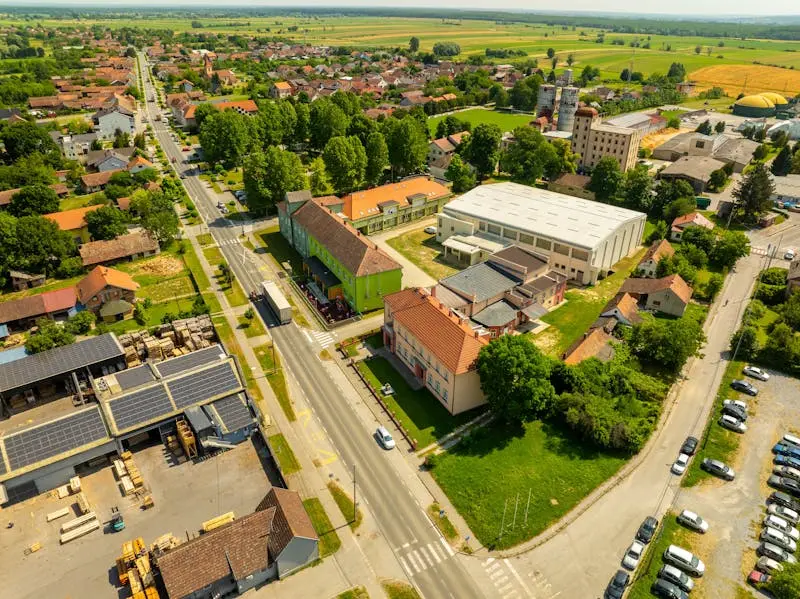
Tourist scams and rip-offs in Croatia: how to avoid them
Photo made by Vladimir Srajber on Pexels.com
Croatia is generally safe for tourists, with a low violent-crime rate and locals comfortable with English in main tourist towns. The main watch-outs are overcharging in tourist-heavy coastal spots like Dubrovnik and Split: unofficial taxi drivers, restaurants without printed prices, and poor-rate exchange booths. Stick to official taxi ranks, check menus for prices, and pay in local currency at ATMs.
Updated September 2026
Common scams in Croatia and how to avoid them
1. Unlicensed airport drivers
How it works: Drivers approach tourists inside or just outside the arrivals hall offering rides at inflated flat rates, often without a working meter, and charge several times the fair price.
How to avoid it: Use only the official taxi rank outside the terminal and confirm a meter or agreed price before starting.
2. Poor-rate exchange booths
How it works: Exchange booths near main squares and popular streets advertise attractive rates on their boards but apply hidden commissions or worse mid-market rates on the actual transaction.
How to avoid it: Withdraw euros from a bank ATM or pay by card and decline dynamic currency conversion.
3. Unpriced menus and add-ons
How it works: Tourist-area restaurants bring bread or appetizers without asking, then charge for them, or present menus without printed prices and quote a higher amount on the bill.
How to avoid it: Check that prices are shown in EUR before ordering, and politely refuse items you did not ask for.
4. Friendly bracelet and trinket tricks
How it works: People approach with bracelets, flowers or 'gifts' and press them on you, then demand payment once you hold them.
How to avoid it: Politely but firmly decline and keep your hands and distance from anyone offering free items.
5. Unofficial private airport transfers
How it works: Drivers pose as official airport transport or sell overpriced 'shared' rides to the centre at several times the bus or normal taxi cost.
How to avoid it: Book through the official airport transport desk or bus and ignore drivers offering private deals.
6. Fake apartment listings
How it works: Online listings for apartments that look perfect but do not exist, or shift the 'better' unit description after you book and press for payment upfront.
How to avoid it: Book through reputable platforms, pay through the site's secure process, and confirm addresses before sending deposits.
Official tickets for the top sights in Croatia
Skip street sellers: book official tickets and tours with free cancellation.
From the airport to the city centre
Zagreb Franjo Tuđman Airport
Fair taxi price (official, daytime): €15 - €20. Use the official taxi rank outside the terminal, not unlicensed drivers who approach you in the arrivals hall. Metered day fares to the centre run about 15 to 20 EUR. Confirm the driver uses a meter or agrees the fair price before you start.
Best alternative: Airport bus (Zagreb Airport Express) to the main Zagreb bus station (€6, about 30 min)
Public transport: tickets, validation and fines
- Single ticket
- €1.06 (Zagreb single tram/bus ticket valid for 30 minutes of travel)
- Validation rules
- In Zagreb, buy a ticket from a vending machine or kiosk and validate it by stamping in the machine inside the tram or bus as soon as you board. Unvalidated tickets are treated as no ticket. Tap contactless cards at the reader where available for buses.
- Fine without a valid ticket
- €200. On-the-spot fine for not having a valid stamped ticket, reduced if paid immediately
- Paying by card
- Contactless bank cards work for tapping on some buses and ferries; daily caps may apply. Not accepted on all modes, so keep a ticket as backup.
Tipping and service charges
Tipping: About 10% in restaurants if satisfied, round up for taxis, and leave a small tip for cafe service. Not mandatory but appreciated.
Cover and service charges: Cover and service charges are not common, but some tourist-heavy restaurants add a service or cover note (koperto in some coastal areas). Always check the menu states prices in EUR before ordering, and warn about places that bring bread without asking or skip printed prices.
Cards, ATMs and currency exchange
At ATMs always choose to be charged in EUR and decline dynamic currency conversion, which adds a poor exchange rate. Prefer bank-attached ATMs over independent street machines, which often carry high fees. Pay by card where possible and keep some euro cash for smaller spots.
Areas where extra care is advised
- Zagreb main station area: Around the main bus and train station late at night, keep bags closed and valuables out of sight, as in most large-city stations.
- Dubrovnik Old Town: In the very crowded main street, keep wallets and phones in front pockets and pockets closed, as pickpocketing is reported in peak season.
Emergency number
112
Planning your budget?
Frequently Asked Questions about Croatia
Is Croatia safe for tourists?
How much is a taxi from the airport to the centre of Croatia?
Do I need to validate public transport tickets in Croatia?
Is tipping expected in Croatia?
What is the emergency number in Croatia?
Based on widely reported traveler experiences and official advice. Prices are approximate and change; check current fares on arrival. Updated September 2026.